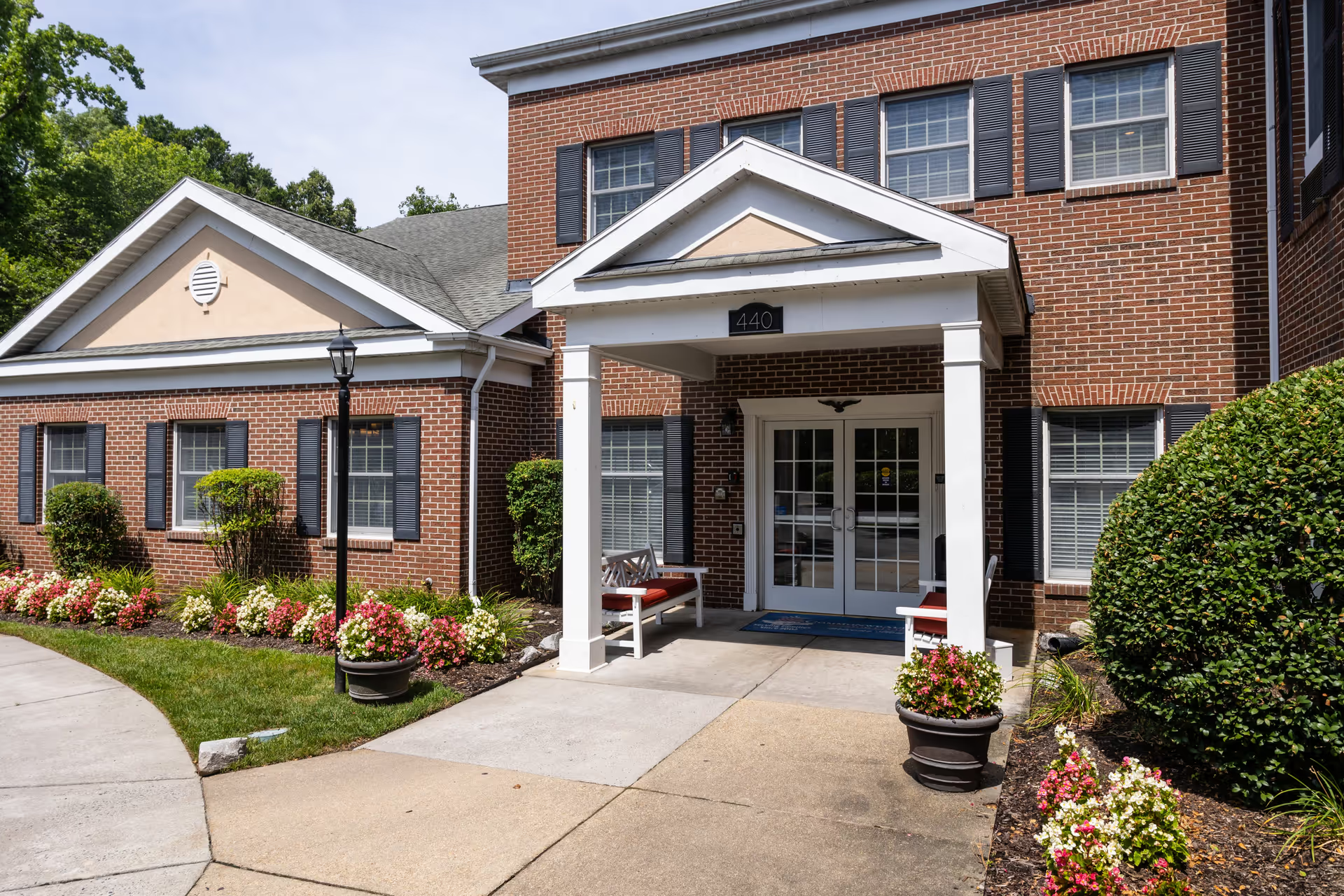
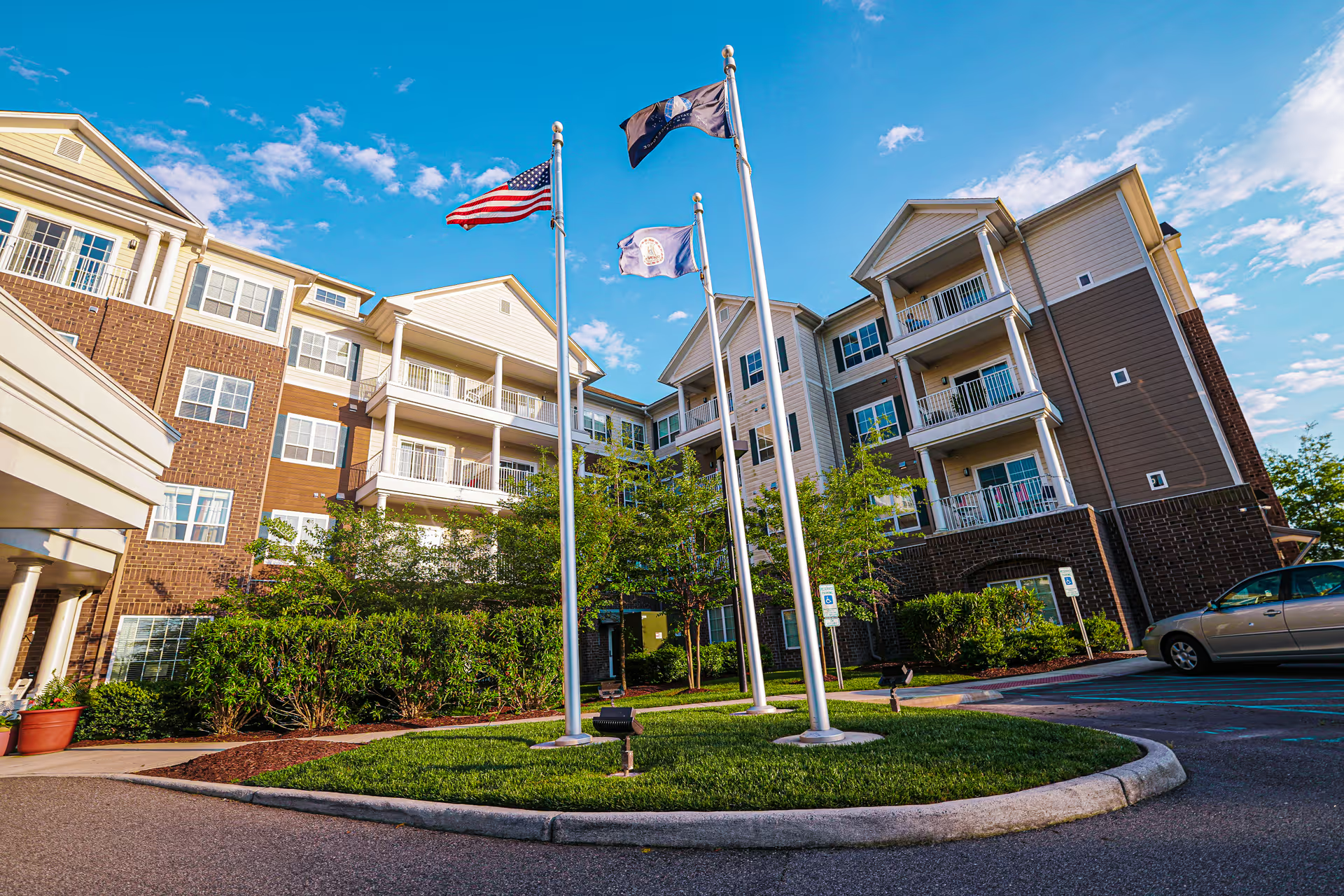
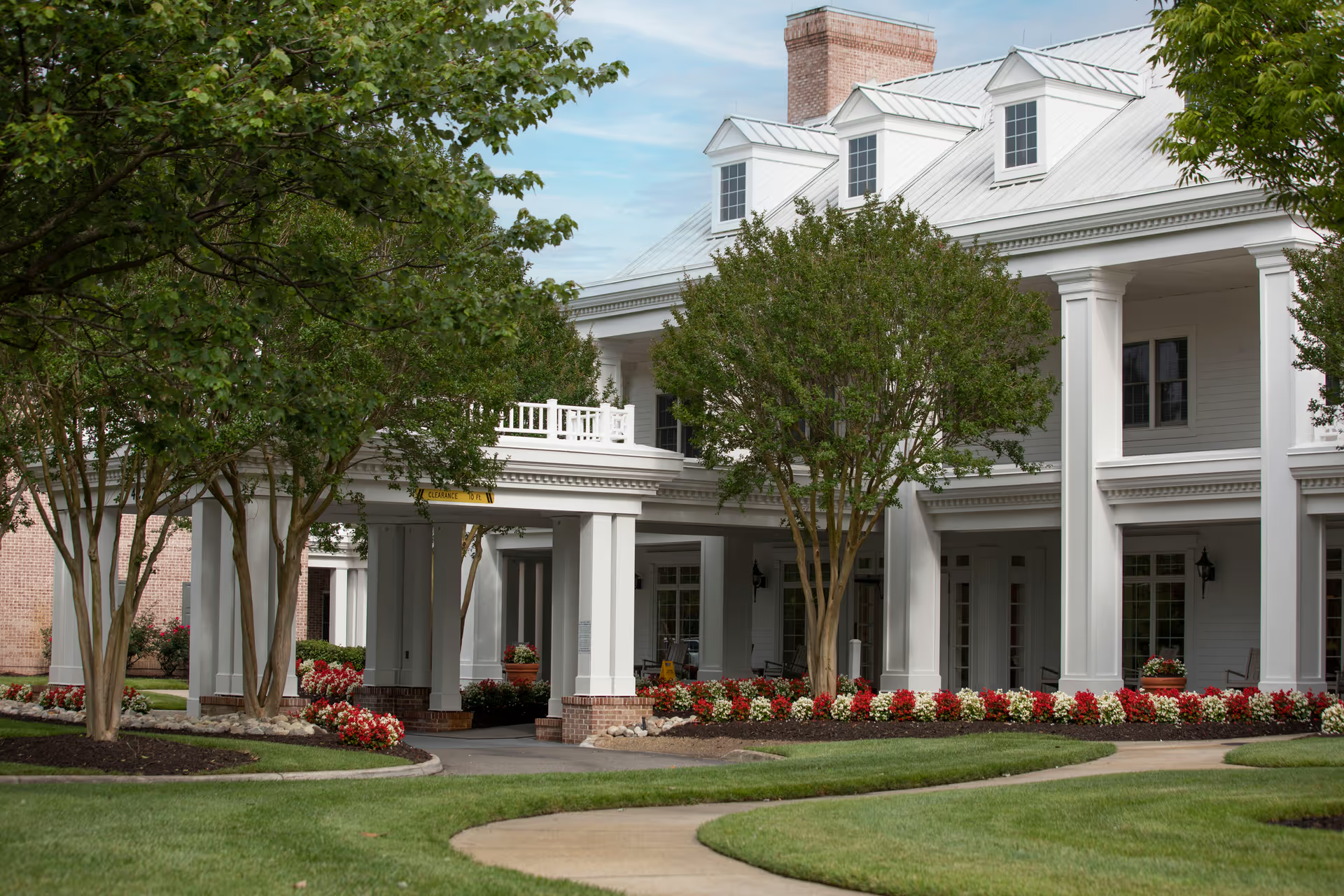
The body of reviews for Birchwood Park Rehabilitation and Nursing describes a polarized picture: many families and recent short-term rehab patients praise individual caregivers, therapy outcomes, and particular services, while a substantial number of accounts raise operational and safety-related concerns. Strengths most consistently described include a compassionate bedside staff, skilled physical-therapy teams and a renovated rehab area, integration of onsite dialysis, and several standout employees in admissions, social work, and activities who facilitate transitions and family communication. When Birchwood’s processes function well, reviewers describe personalized, dignity-focused care, effective rehabilitation, strong coordination, and an overall welcoming atmosphere.
Care quality and staffing: Reviews indicate clinically effective rehab and many examples of attentive nursing and CNA care, but also frequent descriptions of inconsistent staffing levels and delayed responsiveness to call bells and needs. These staffing inconsistencies are associated with delays in pain management, bathing, and toileting assistance for some residents. There are also multiple accounts describing gaps in end-of-life and hospice coordination; these issues range from communication breakdowns to concerns about responsiveness during critical periods. Given these patterns, prospective families should inquire specifically about current staffing ratios, on-shift supervision, and hospice collaboration protocols.
Staff and communication: Several reviewers singled out individual staff members and leaders as highly effective and compassionate, and many noted clear, timely communication from social work and administration during successful admissions and discharges. Conversely, other families reported inconsistent communication, difficulties reaching nursing leadership, and occasional dismissive interactions from bedside aides. This variability suggests uneven performance across shifts or units; asking to meet unit managers and clarifying escalation pathways can help set expectations.
Dining and activities: Dining impressions are mixed. Some reviews praise strong culinary leadership and enjoyable meals, while others describe inconsistent meal quality and failures to follow prescribed diets. Activity programming receives similar mixed feedback: an engaged activities director and festive events were highlighted in positive accounts, but other residents were described as isolated with minimal engagement. Families should ask about current dining menus, therapeutic diet adherence, and the weekly activities schedule to assess fit with resident needs.
Facilities and maintenance: Physical plant comments range from recently renovated therapy spaces and generally well-maintained common areas to aging infrastructure, maintenance delays, and sanitation concerns in certain units. Pest-control issues, odor concerns, and dampness or mildew were raised in some reviews, alongside reports of equipment maintenance gaps (window locks, mattress and bed concerns). These are operational issues that affect resident comfort and safety; prospective visitors should inspect rooms and common areas in person and ask about the facility’s maintenance and pest-control programs.
Management and patterns to verify: Management responsiveness receives both praise and criticism. Many families report positive interactions with admissions staff, social workers, and certain leaders; others describe administrative overselling of services, discharge planning missteps, and inconsistent follow-through on corrective promises. There are also a small number of serious allegations concerning staff conduct and end-of-life care coordination; these are significant and warrant direct inquiry with facility leadership and review of any regulatory actions or incident records.
Bottom line: Birchwood Park shows clear strengths in short-term rehabilitation, some specialty services (dialysis), and several highly valued staff members who contribute to positive experiences. At the same time, recurring operational themes — inconsistent staffing, variability in cleanliness and pest control, maintenance needs, uneven dining and activity engagement, and gaps in hospice coordination — represent real risks for some residents. Prospective residents and families should conduct a site visit, request current staffing and infection-control metrics, review recent inspection reports, and meet with unit leadership to assess whether the facility’s current operations align with their expectations and care needs.