Reviews present a mixed but consistent picture: the facility's rehabilitation services (physical and occupational therapy) and aspects of the activities program are frequently described as strengths, while core nursing operations, staffing, and management stability are the primary areas of concern.
Care quality: The rehabilitation team is widely praised for tailoring therapy to individual needs and achieving good functional outcomes. By contrast, routine nursing care shows variability: reviewers describe timely, professional care from some nurses and med-techs alongside repeated instances of delayed medication administration, missed or delayed personal-care activities (including bathing and assistance with eating or changing), and delays in recognizing or responding to acute clinical deterioration that led to hospital transfers for some residents. There are also specific concerns about incontinence-care processes and other basic nursing tasks not being consistently completed.
Staffing and staff conduct: A pattern of chronic understaffing underlies many operational problems. Families report long wait times for assistance, frequent staff call-outs (particularly on weekends and nights), and insufficient numbers of certified nursing assistants on duty. Night-shift behavior and responsiveness are cited less favorably than daytime staffing. Staffing instability is compounded by intermittent leadership gaps (for example, an absent Director of Nursing) and an unclear chain of command, which reviewers link to delayed problem resolution and uneven clinical oversight.
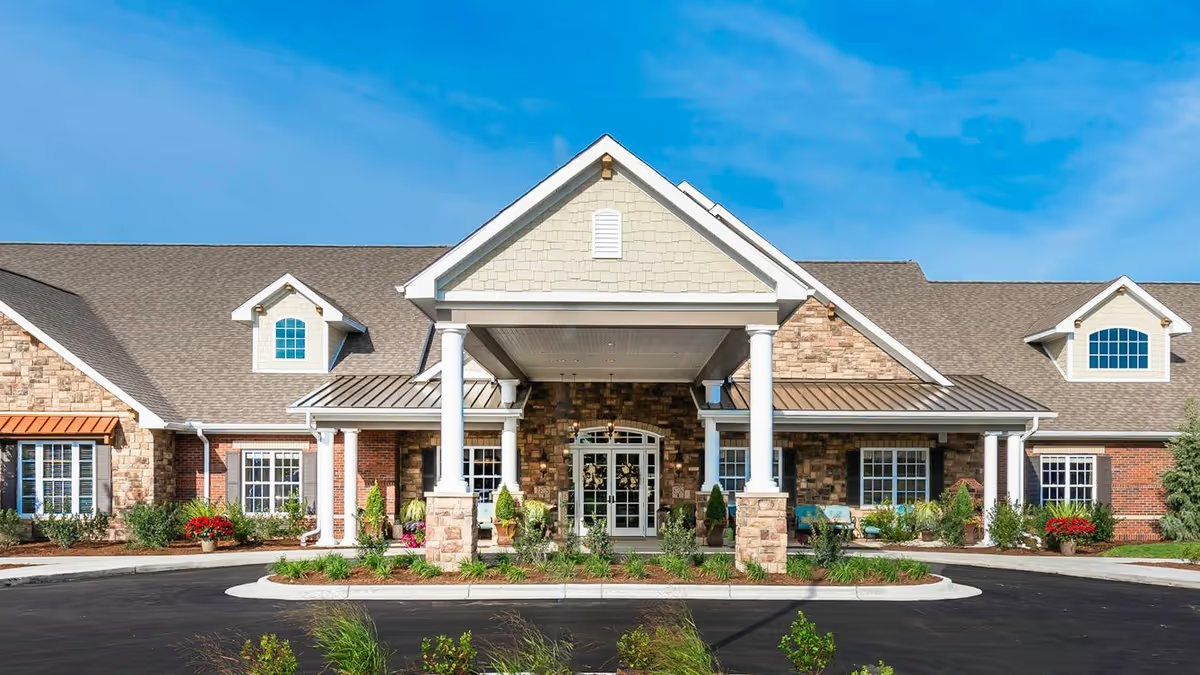
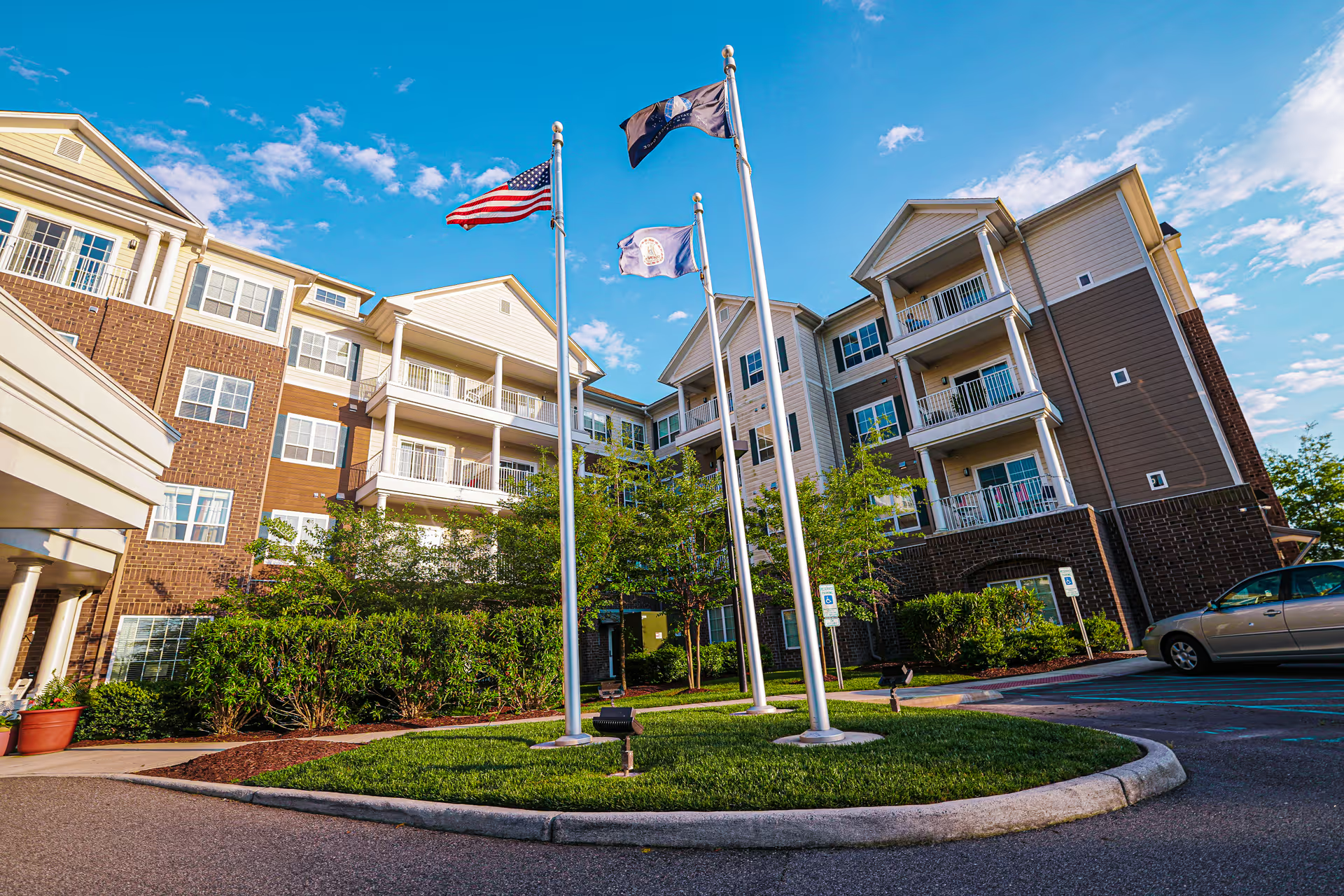
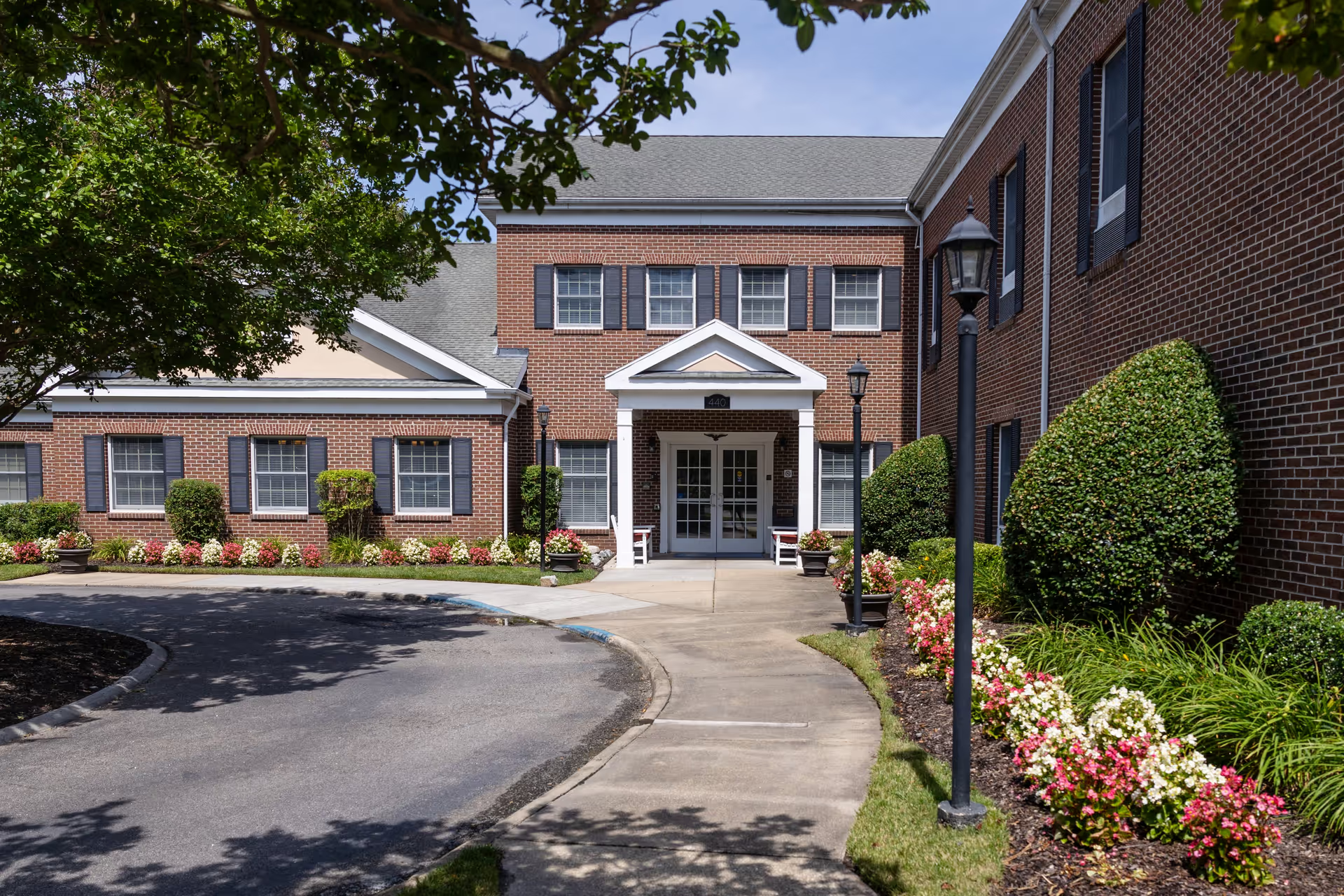
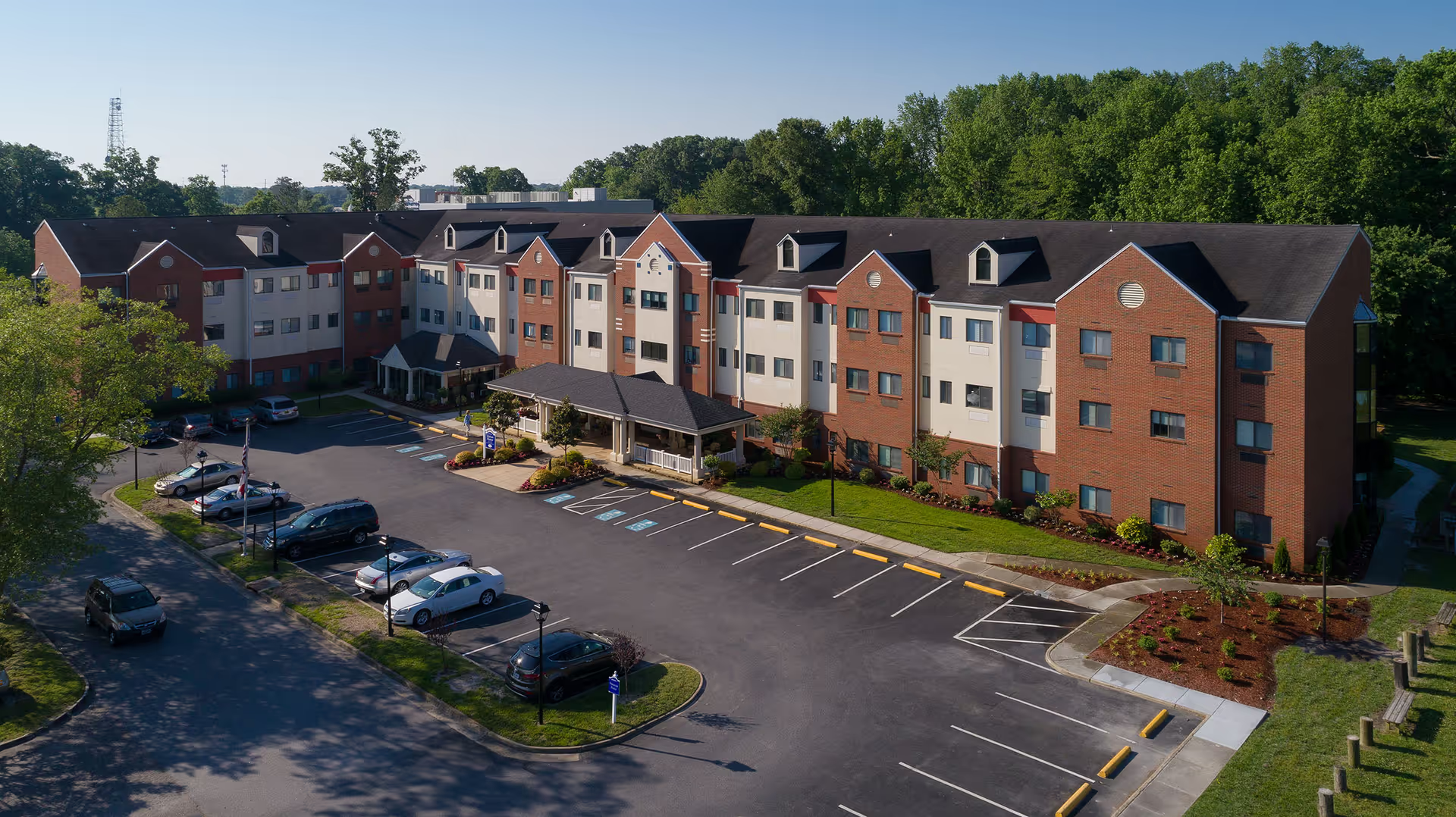
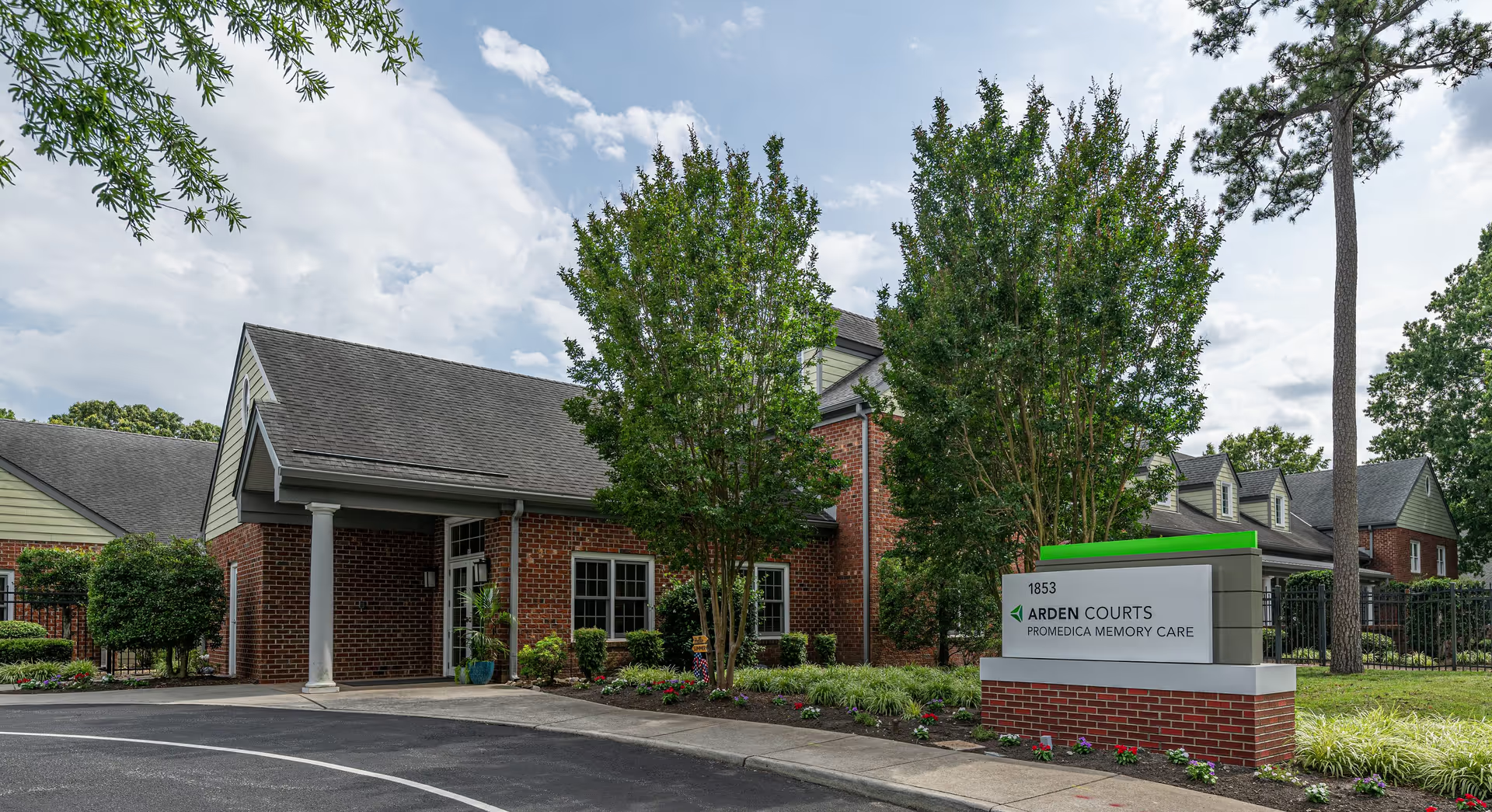
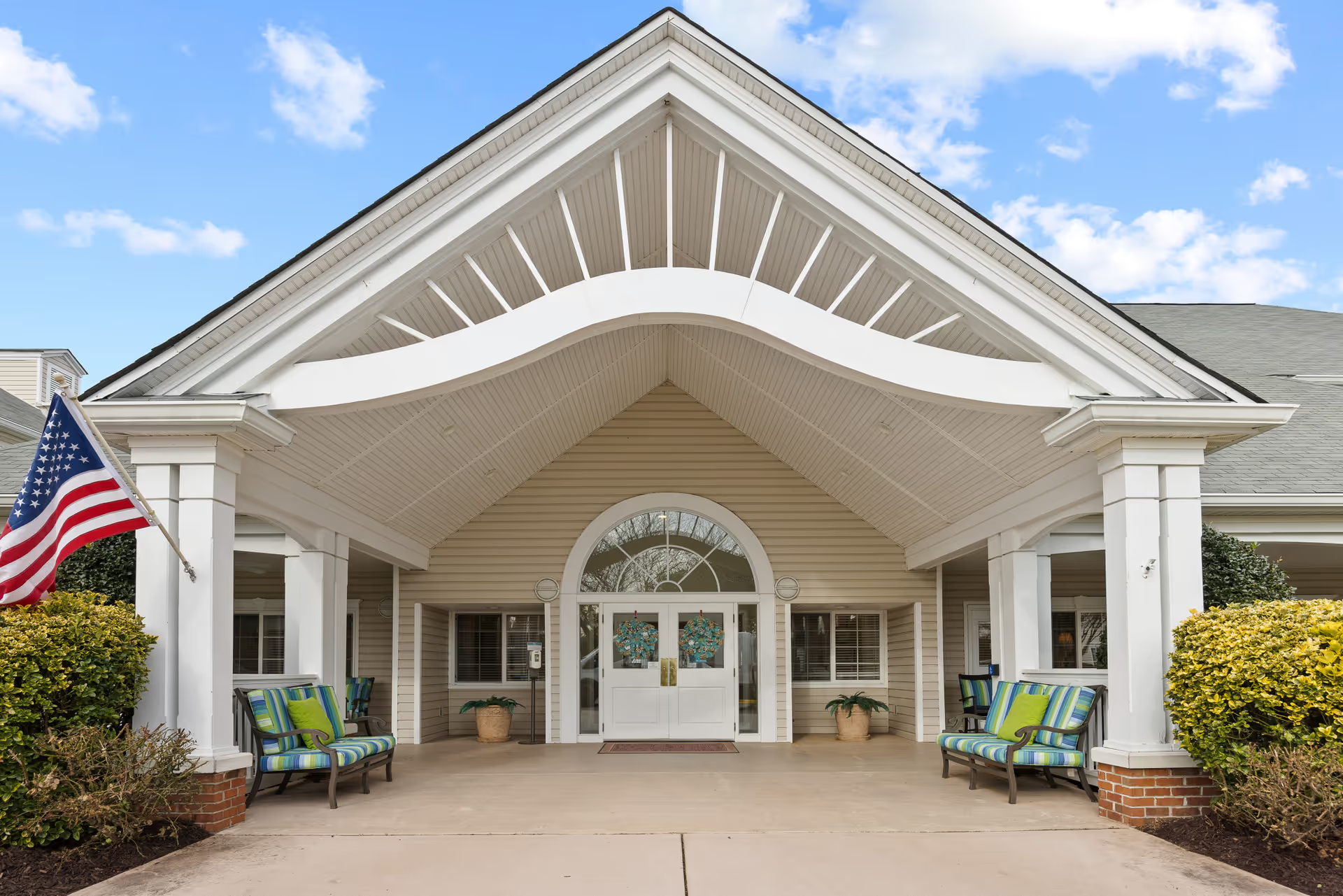
Dining, environment, and facilities: The facility's physical environment receives positive remarks for being attractive, tidy, and having roomy resident accommodations and a pleasant dining room. However, there are repeated comments about inconsistent meal delivery (including items arriving cold or delayed) and periodic sanitation or odor concerns in certain units or rooms. Some families also note pest-control concerns and general cleanliness issues in isolated areas. Phone and family-communication infrastructure are described as inadequate by some reviewers, with long hold times and limited access to staff via telephone.
Management and communication: Several reviews describe difficulty communicating with leadership and primary physicians, limited on-site physician availability, and an administrative tone perceived as unhelpful by some families. Positive exceptions include individual staff members in discharge planning and specific unit managers who are described as helpful and communicative.
Activities and discharge planning: The activities program and certain staff members receive consistent positive feedback; music and social programming are cited as meaningful for residents. Discharge-planning services and certain therapists are highlighted as assets that assist families through transitions.
Notable patterns and recommendations: The dominant pattern is a contrast between strong rehabilitation and activity offerings and significant operational weaknesses in nursing staffing, medication administration, basic personal-care reliability, and management continuity. Prospective residents and families considering this facility should verify current staffing ratios (day and night), ask about dementia-care capabilities, review recent staffing and leadership changes, observe mealtime service and hygiene practices during a visit, and ask about medication-administration protocols and escalation procedures for acute illness. Visiting during varied shifts and reviewing state inspection and staffing records can help clarify whether the patterns described have been addressed.