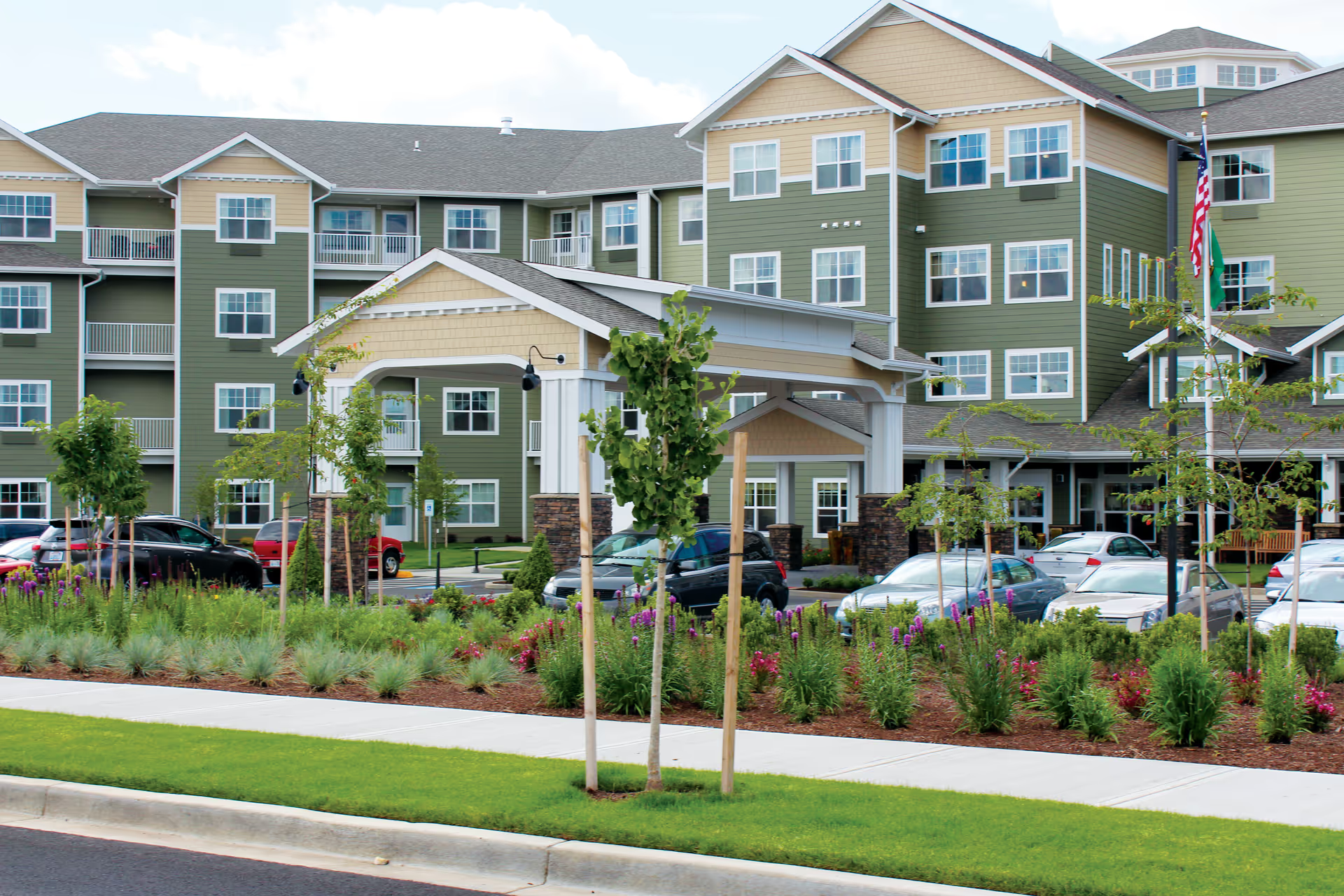
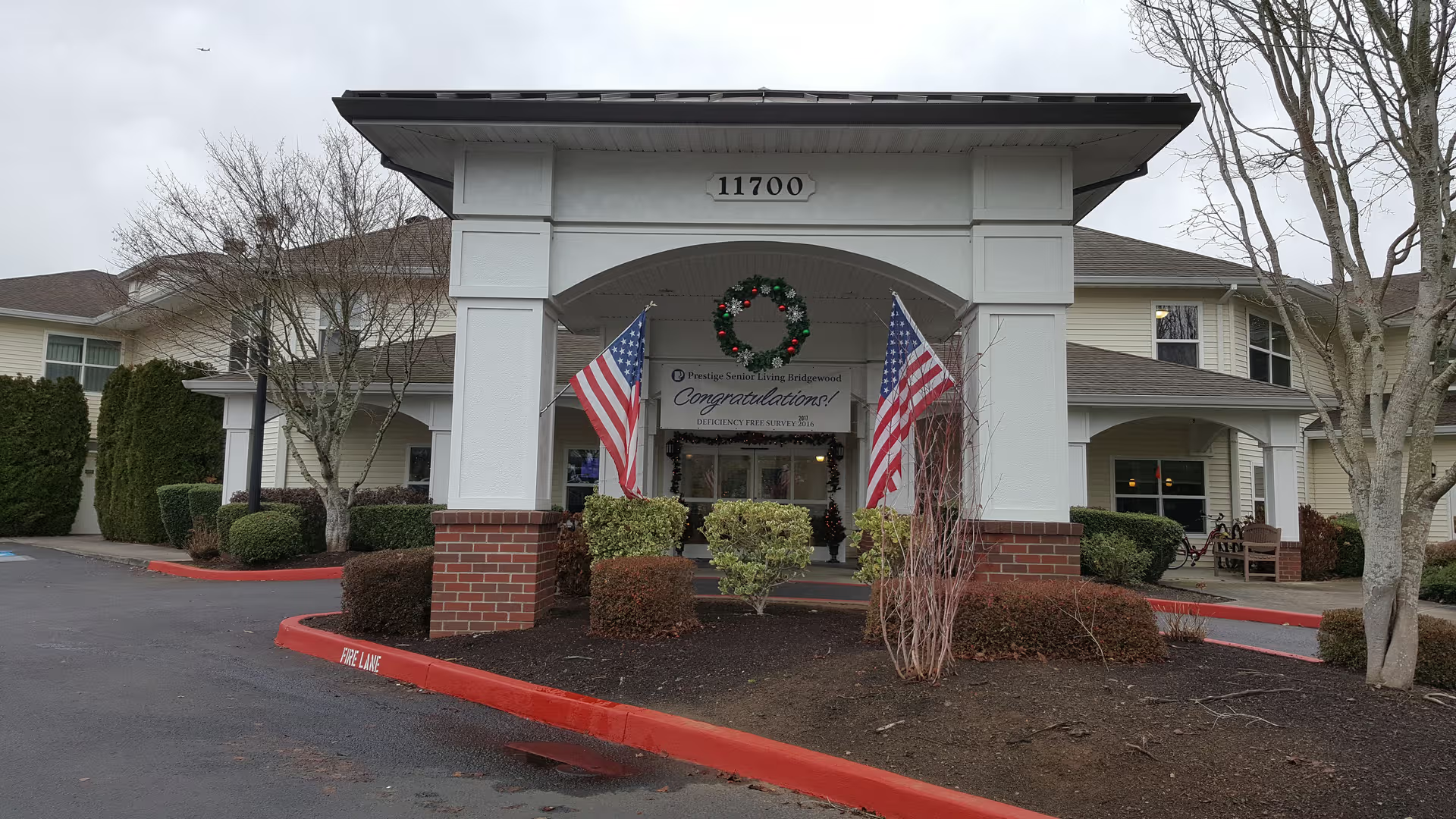
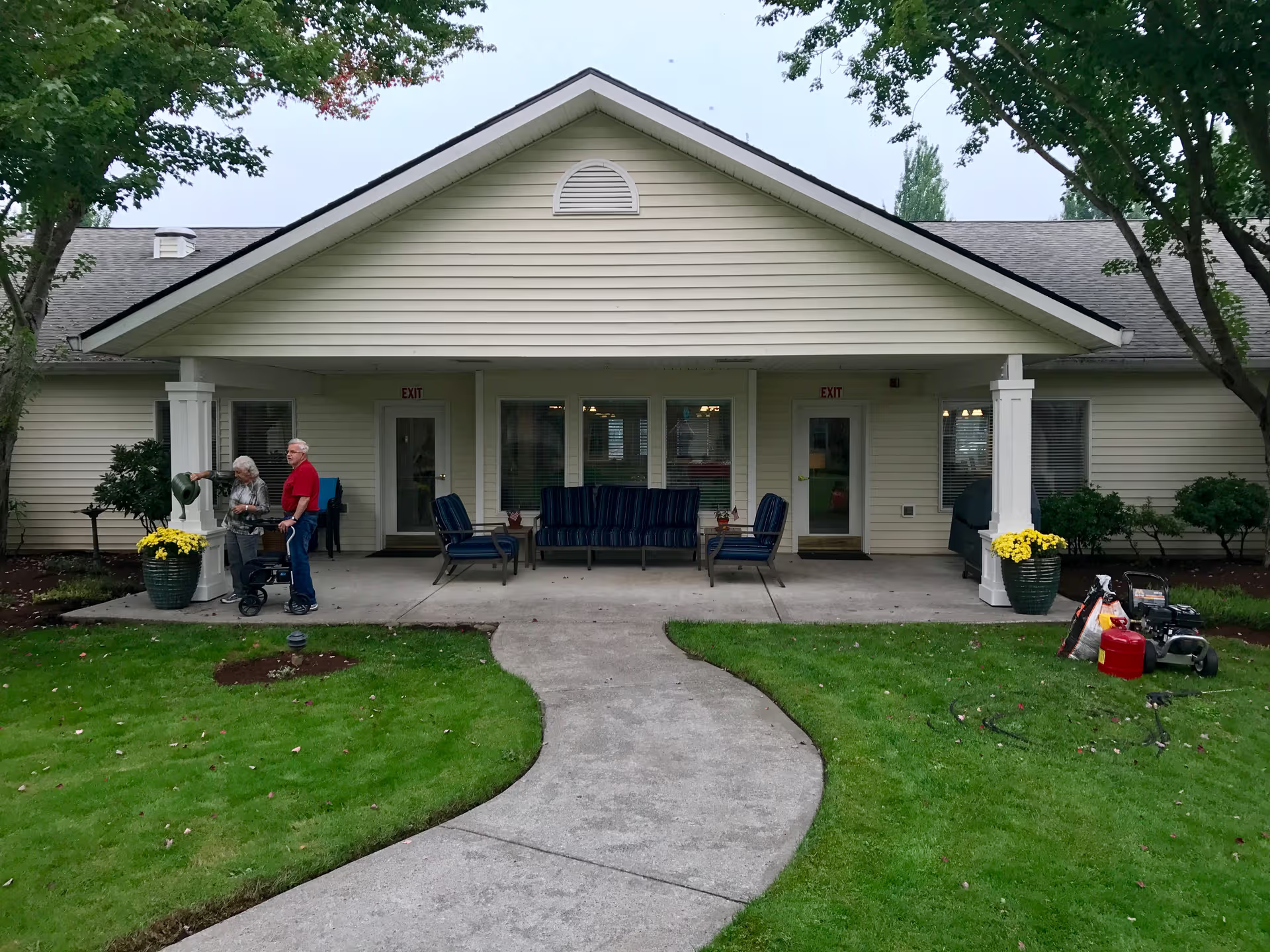
Hope Care II is described consistently as a small, home-style assisted living/medical-support residence with a strong emphasis on personalized attention and specialized respiratory support. Families and long-term residents highlight a warm, family-like atmosphere, a clean and well-maintained interior, and outdoor space that contributes to a calm, quiet setting. The facility’s smaller census appears to enable close caregiver–resident relationships and gives many families a sense of security and peace of mind.
Clinical strengths are a recurring theme: staff are characterized as attentive, respectful, and compassionate, with several mentions of nursing staff who provide knowledgeable, preventative-focused care. The facility is repeatedly noted for its capacity to manage ventilator and tracheostomy care, and reviewers describe continuity of care for long-term residents. Management and ownership receive frequent positive mention for being responsive and communicative; that visibility appears to support family confidence and quick problem resolution.
Information about dining and structured activities is limited in the available summaries. The small-home model suggests meals are likely home-prepared and that programming may be more informal and individualized than large institutional activity schedules. Prospective families should confirm meal options, dietary accommodations, and the extent of group or one-on-one activities during a tour or intake conversation.
Operationally, the most important limitation to note is scope of care: the environment is better suited to residents who need attentive assisted living and select complex services (notably ventilator/trach support) rather than high-acuity skilled nursing across all medical specialties. One reviewer indicated a mismatch between a spouse’s clinical needs and the facility’s capabilities; that emphasizes the need for a formal pre-admission clinical assessment to confirm fit. Additionally, some families cited travel distance as a practical burden; prospective residents and their families should evaluate commute feasibility. Finally, reviewers provided little detail about formal activity programming and dining menus, so those areas require direct inquiry to assess fit with individual preferences and nutritional needs.
In summary, Hope Care II presents as a small, well-maintained, and clinically capable home for residents who benefit from personalized care and specialized respiratory support. Its strengths lie in staff attentiveness, clean facilities, and accessible management. Prospective families should verify clinical scope relative to the resident’s medical needs and confirm dining and activity arrangements during an in-person visit.