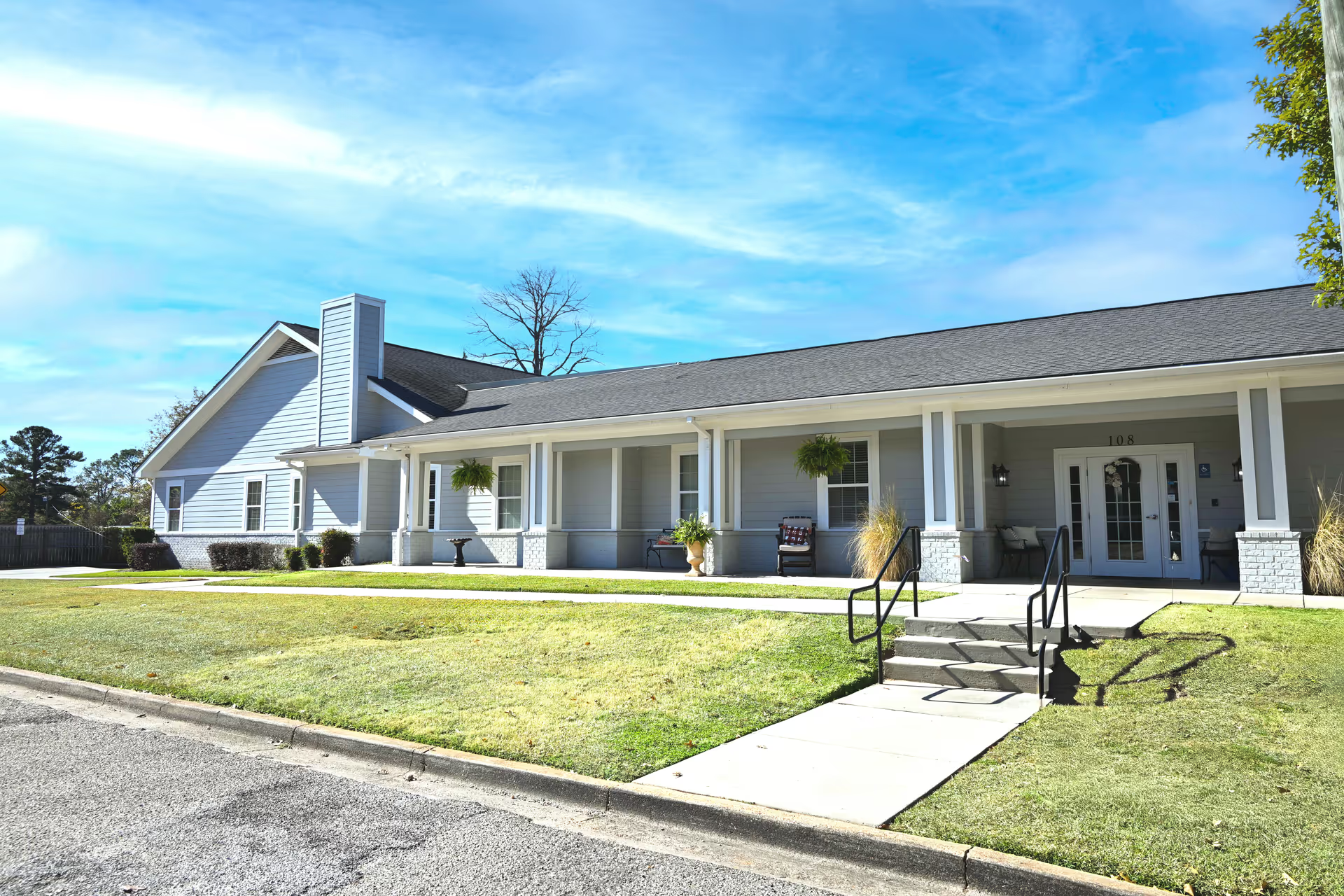
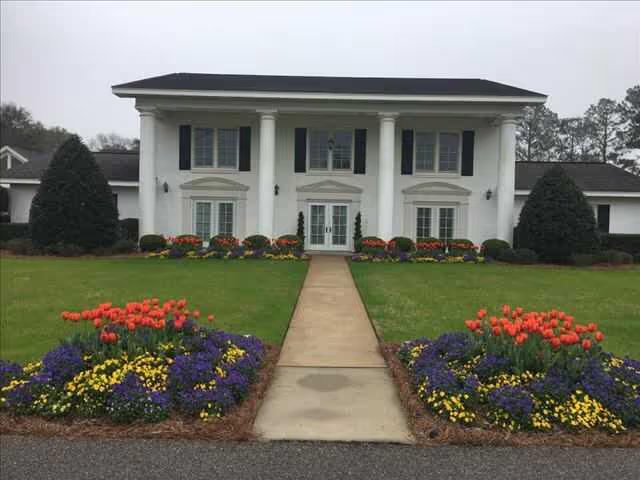
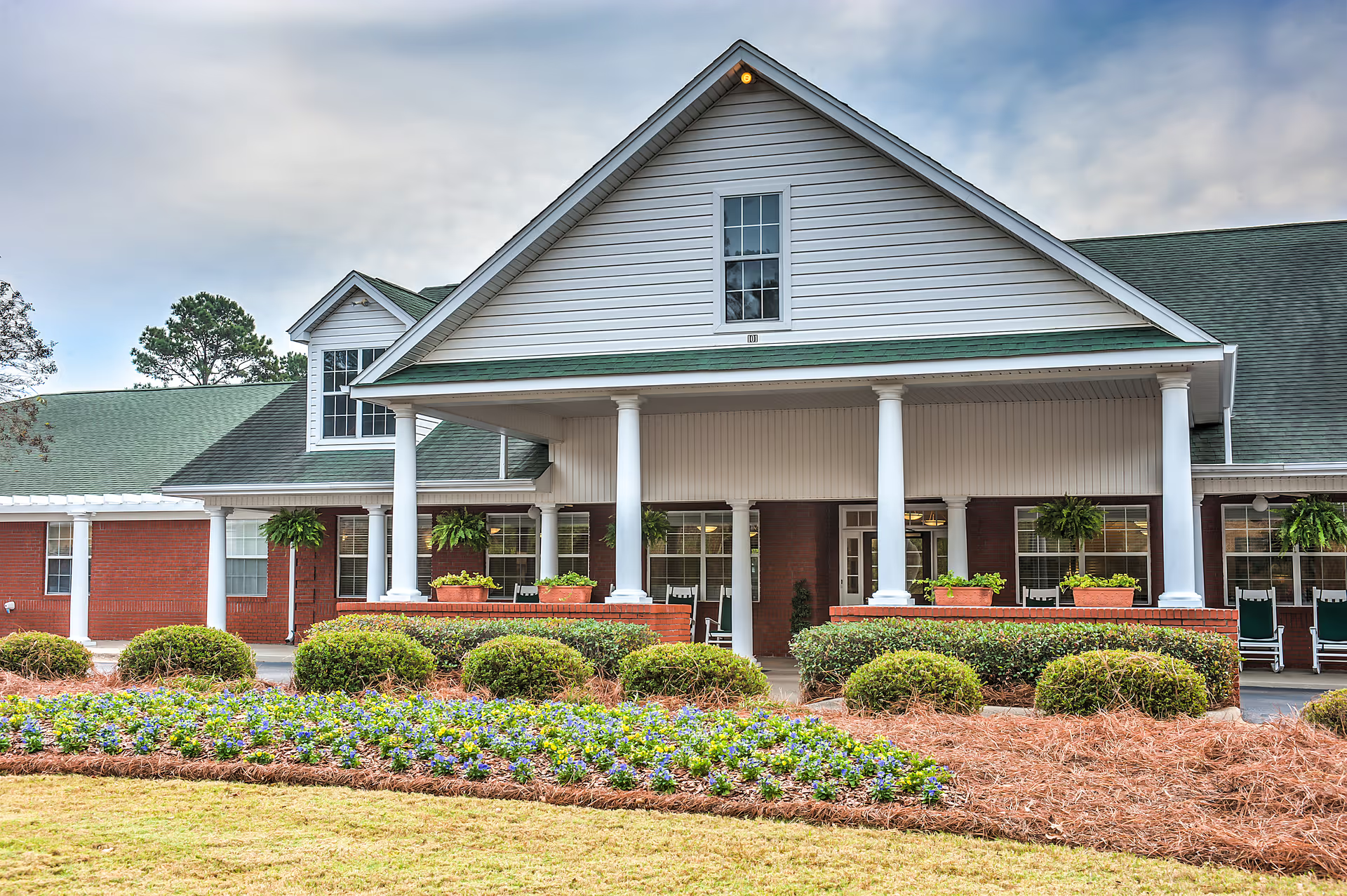
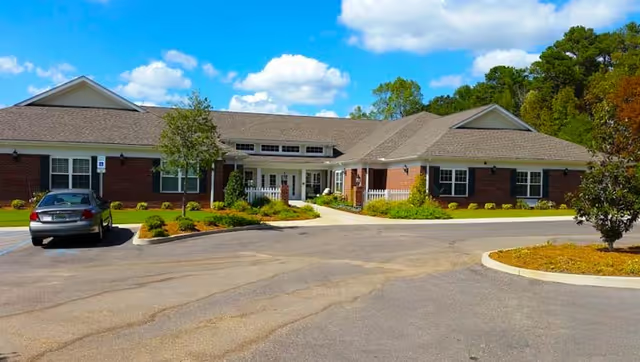
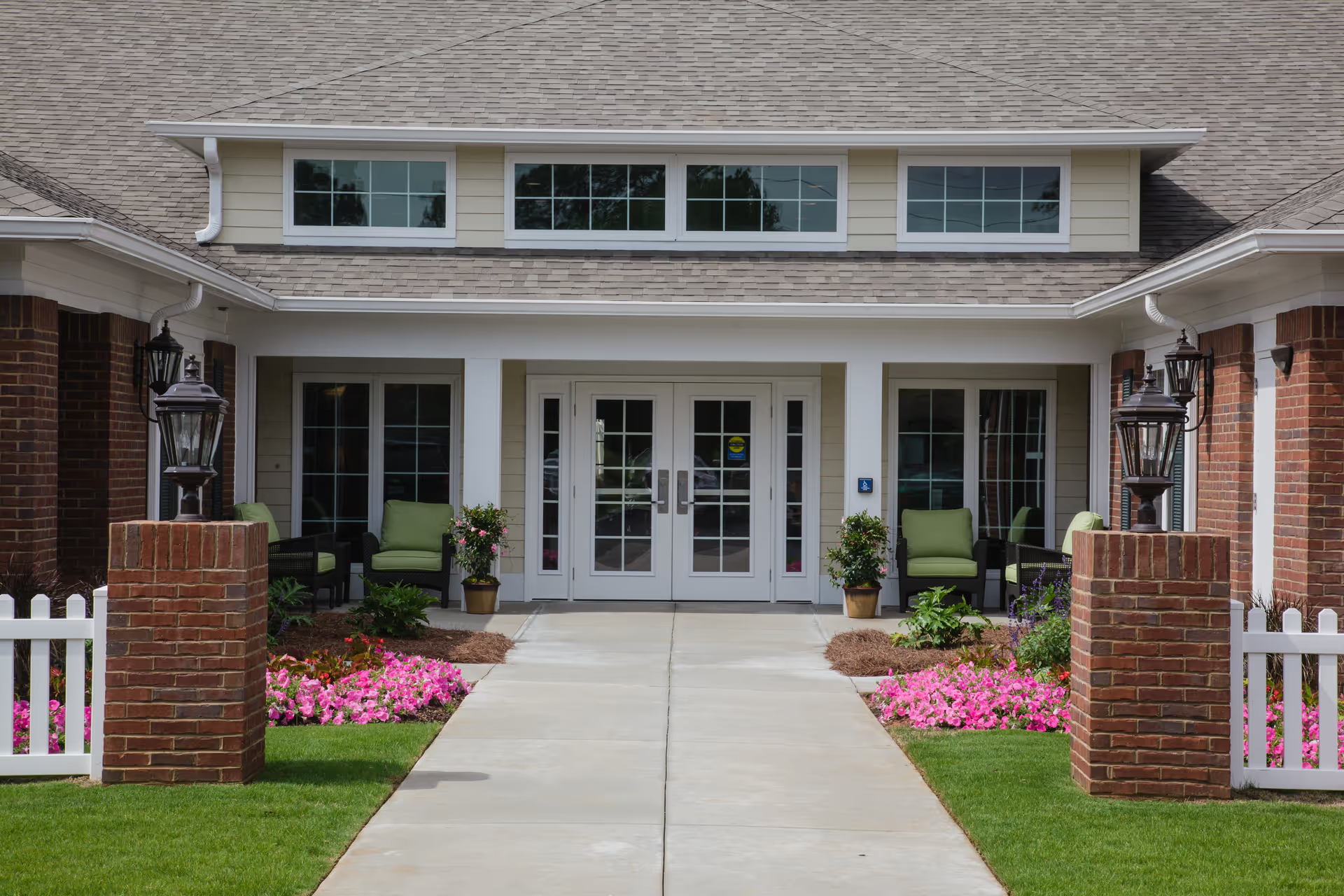
Reviewers describe a facility with distinctly mixed experiences. Many families praised individual staff members — nurses, CNAs, therapists, and some admissions personnel — for compassionate, attentive care, clear communication, and efforts to make the environment feel home-like. The facility offers flexible visitation options (masked in-person visits, window visits, and FaceTime/video calls), accepts insurance, and provides therapy and rehabilitation services that several families found helpful. Multiple accounts highlight a welcoming front desk, staff who go beyond basic duties, and an overall clean building without strong odors.
Counterbalancing those positive accounts are substantive operational concerns. Reviewers described inconsistent personal-care practices including missed bathing and grooming, linen-management lapses, and delays in incontinence-related care. Meal-service issues were noted, with examples of inadequate feeding assistance and problematic handling of dietary allergies. Several families also raised concerns about the accuracy and timeliness of clinical monitoring and progress reporting to families.
Staffing and management patterns appear to contribute to variability in care. Understaffing and a high resident-to-staff ratio were commonly cited as factors that limit responsiveness and continuity of care. Associated issues include staff turnover, intermittent administrative instability, and uneven admissions follow-up. Some families described negative interactions with reception or admissions personnel and inconsistent callbacks. There are also concerns about staff conduct and communication tone in a subset of interactions, and privacy lapses during video calls were reported.
More serious are accounts that culminated in regulatory attention; reviewers indicated that state-level investigations identified care-related concerns. Additionally, infection-control policies implemented during outbreak periods were described by some families as restrictive in ways that affected access to residents and continuity of family-provided care. Prospective residents and families should weigh both the facility strengths — compassionate individual caregivers, therapy services, and flexible visitation options — and the facility-level weaknesses — notably staffing, hygiene/process consistency, dining and allergy-management gaps, communication inconsistencies, and documented regulatory findings. When considering admission, visiting in person, asking for current staffing ratios, reviewing recent inspection results, and clarifying policies for allergy management, personal-care routines, and family communication may help set expectations and identify whether this facility matches the resident’s needs.