Reviews of Glen Haven Health and Rehabilitation present a mixed picture with clear strengths in therapy and episodic clinical care alongside recurring operational concerns. Many accounts highlight the facility’s rehabilitation capabilities — therapists (PT/OT/SLP) are frequently described as skilled and effective, and several families noted successful short-term outcomes and discharge preparation. Admissions staff and certain leaders (including named coordinators and the executive director) receive positive mention for responsiveness and support during admission and care transitions.
Clinical care descriptions are polarized. Positive experiences emphasize compassionate CNAs and responsive nursing during specific shifts, effective therapy regimens, and coordinated care episodes. Conversely, other accounts point to inconsistent nursing responsiveness, delays in medication administration, and delays in escalating care or arranging transfers to higher-acuity settings. These mixed observations suggest variability by unit and by shift rather than uniformly consistent clinical performance.
Staff professionalism and conduct also vary. Numerous reviewers praise individual caregivers for kindness and above-and-beyond attention; however, there are repeated comments about inconsistent professionalism at the front desk and among some staff members, limited personal-care assistance at times, and an overall sense of staff being overextended. Leadership and some managers are credited for positive interventions, yet reviewers identify a need for greater, consistent training and supervision to achieve uniformly professional interactions across the facility.
Dining and resident engagement are another area of divergence. Some residents and families found the food enjoyable, while others described poor temperature control and lower-quality meals. Activity offerings appear limited for residents in long-term placements, and visitation access has been constrained at times due to infection-control measures, which affected family contact and assessment of day-to-day life for some residents.
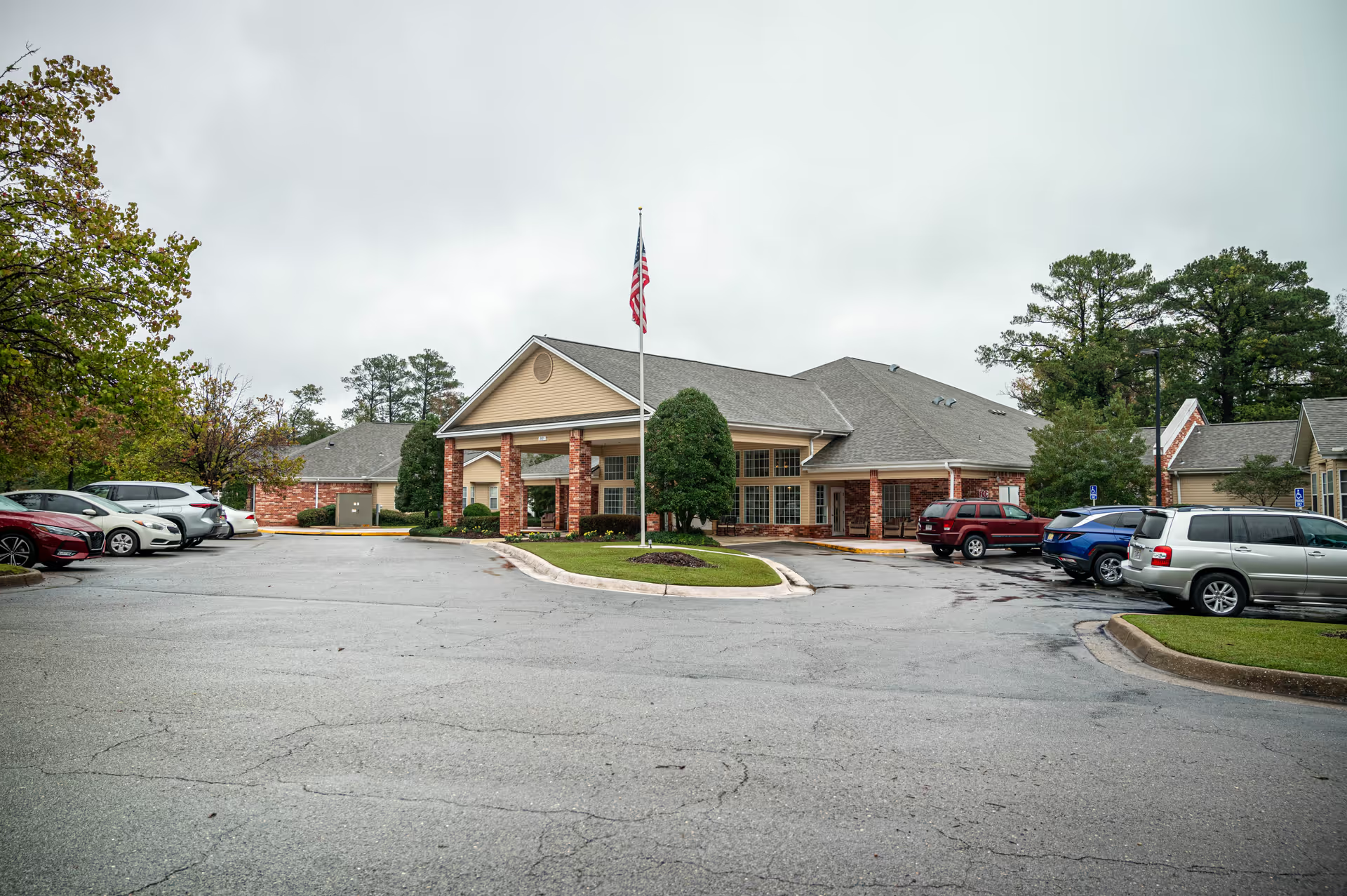
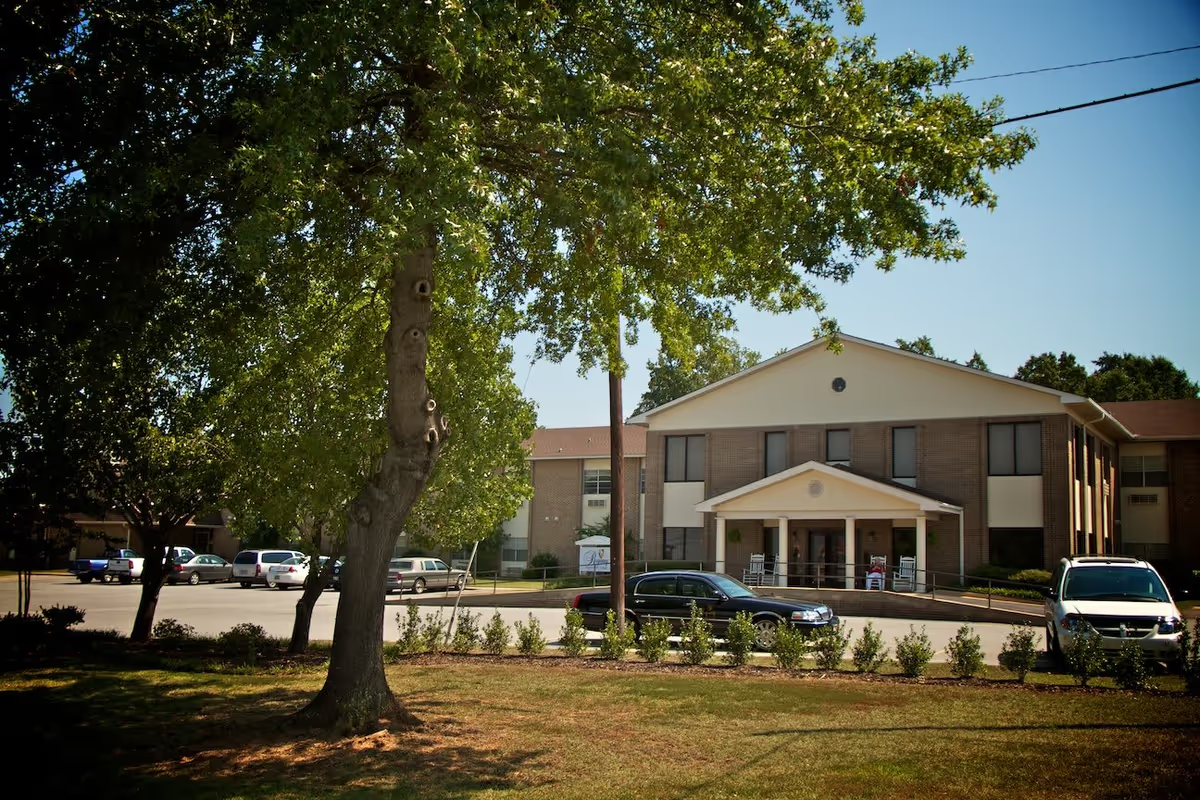
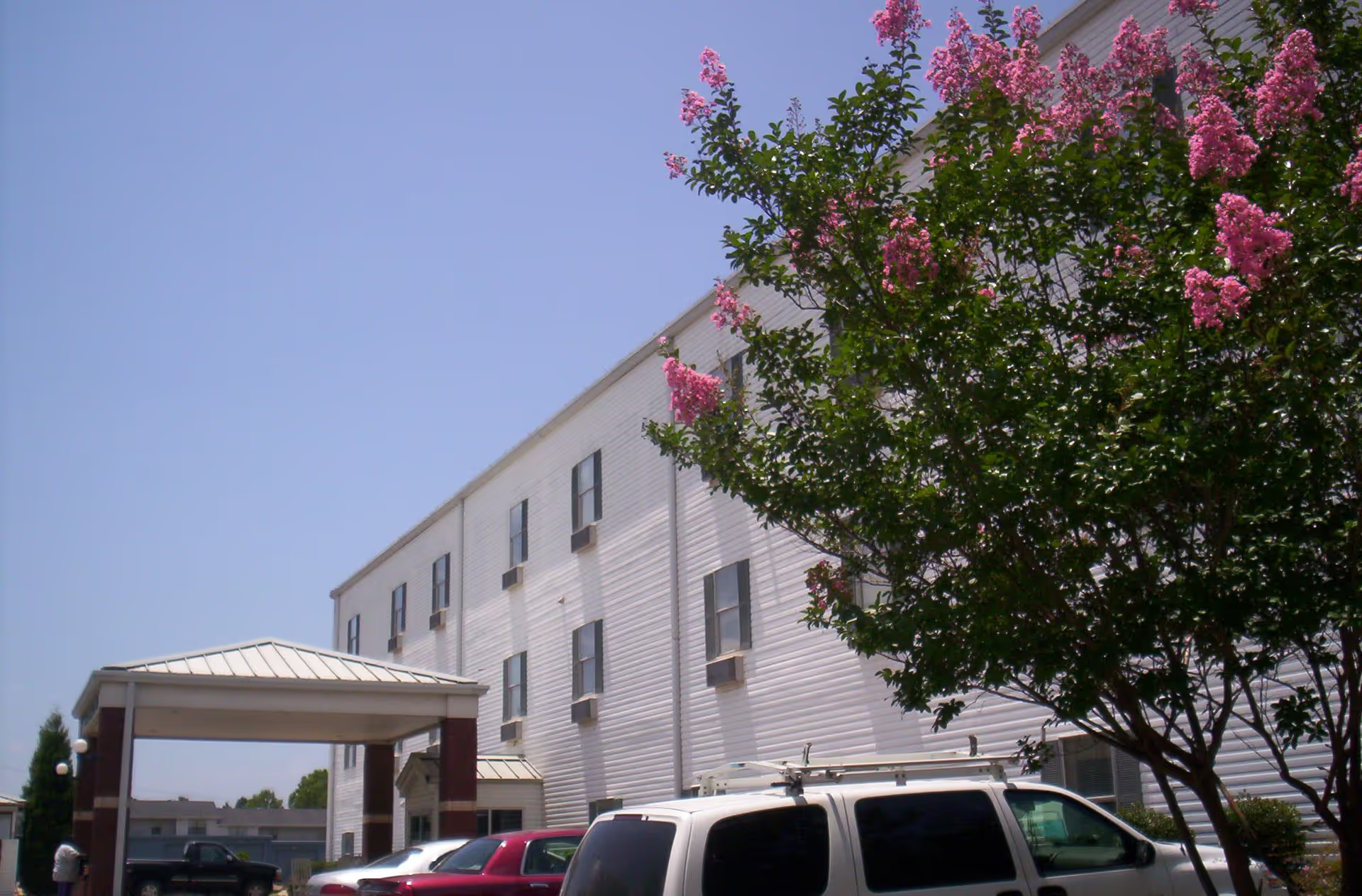
Facility condition and housekeeping are described inconsistently across units. Certain areas are characterized as clean and hospital-like with active disinfecting, but other units have documented maintenance and sanitation gaps, including water-damaged finishes, damaged baseboards, and odor concerns. Reviewers also raised pest-control concerns and noted a disparity in condition between different floors or wings. Room configuration (small shared rooms in some cases) and the need for refurbishment are cited as factors families should assess during a tour.
Administrative systems and resident property controls show recurring problems in reviews. Families report missing clothing and personal items, unclear communication about financial accounts and billing, and delays in refunds or billing resolution. Communication gaps extend to inconsistent notification of patient moves and limited transparency during clinical incidents; a small number of reviewers described serious individual incidents that raised safety and escalation concerns.
Overall, Glen Haven appears to provide strong short-term rehabilitation supported by capable therapists and several dedicated caregivers, making it a reasonable option for time-limited rehab stays when those services and specific staff are in place. For longer-term placement, prospective residents and family members should perform unit-level inspections and ask targeted questions about staffing levels, medication administration processes, pest control, maintenance schedules, property safeguards, visitor policies, and billing procedures. Observing a unit during a shift change and speaking directly with current families can help identify whether the positive aspects noted in some reviews are consistent in the areas under consideration.