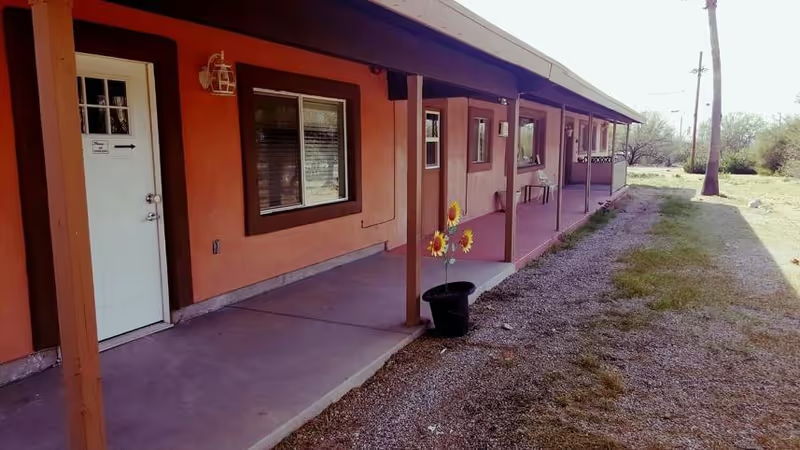
Mary and Pete’s Assisted Living at Oleta elicits strongly polarized impressions. A large portion of feedback emphasizes a small, home-like environment with attentive caregivers, personalized meals, and a high level of hands-on attention appropriate for short-term recovery and hospice support. Families frequently describe clean, well-furnished interiors, outdoor seating and pleasant views, and staff who engage residents in activities such as baking and other social events. Several accounts highlight successful transitions, 24/7 availability, and helpful integration with home-health and hospice services, which can be reassuring for families seeking close, individualized care.
Care quality and staff behavior are described in contrasting terms. Positive accounts emphasize compassionate, patient-centered caregiving, dignity-preserving interactions, and staff who are responsive, patient, and willing to involve families. Conversely, other accounts describe operational weaknesses: inconsistent communication with families about incidents and medical status, medication-administration errors or inconsistencies, and delays or problems in how clinical incidents are escalated. These differences suggest variability in practice or inconsistency in how policies are implemented across shifts or situations.
Dining and daily living are generally praised: meals are characterized as home-cooked and personalized to resident preferences, and the home-like kitchen and aromas are noted positively. Activity offerings receive mixed feedback — holiday and baking activities are cited as strengths, but some families report limited day-to-day programming and that family members needed to arrange additional engagement. The facility appears well-suited for residents who benefit from family-involved routines and personalized meals, but prospective residents who require more structured or varied daily programming should ask for specific activity schedules.
Facilities and clinical coordination show both strengths and concerns. The physical environment is consistently described as clean, spacious, and comfortable, and many families appreciate the small size and personal attention. At the operational level, there are repeated concerns about coordination with external healthcare providers and timely clinical follow-through, including instances where families felt clinical issues were not communicated promptly. There are also specific, serious governance-related complaints involving billing and refunds, privacy/documentation processes, and owner-level conflict resolution; some of these reached formal channels such as the ombudsman. These suggest that, beyond bedside care, administrative practices may be inconsistent and worthy of careful review.
Management and notable patterns: reviewers portray management in both favorable and unfavorable terms — some see management as personable and decisive, while others describe dismissive interactions and difficulty resolving disputes. Patterns to note for prospective families include variability in communication and incident response, occasional medication-management gaps, and concerns about financial/consent processes. At the same time, the facility’s small scale, warm atmosphere, and many accounts of compassionate caregiving are clear strengths.
Recommendations for prospective families: verify written policies on medication administration, incident notification, and emergency response; review the contract and refund procedures carefully and request clarification about any dispute-resolution or confidentiality clauses; ask to speak with current families about daily programming and staff consistency across shifts; and confirm how external providers (VA, home-health nurses, hospice) are coordinated. Doing so will help determine whether Mary and Pete’s operational practices and management style align with a family’s expectations for clinical oversight and administrative transparency.