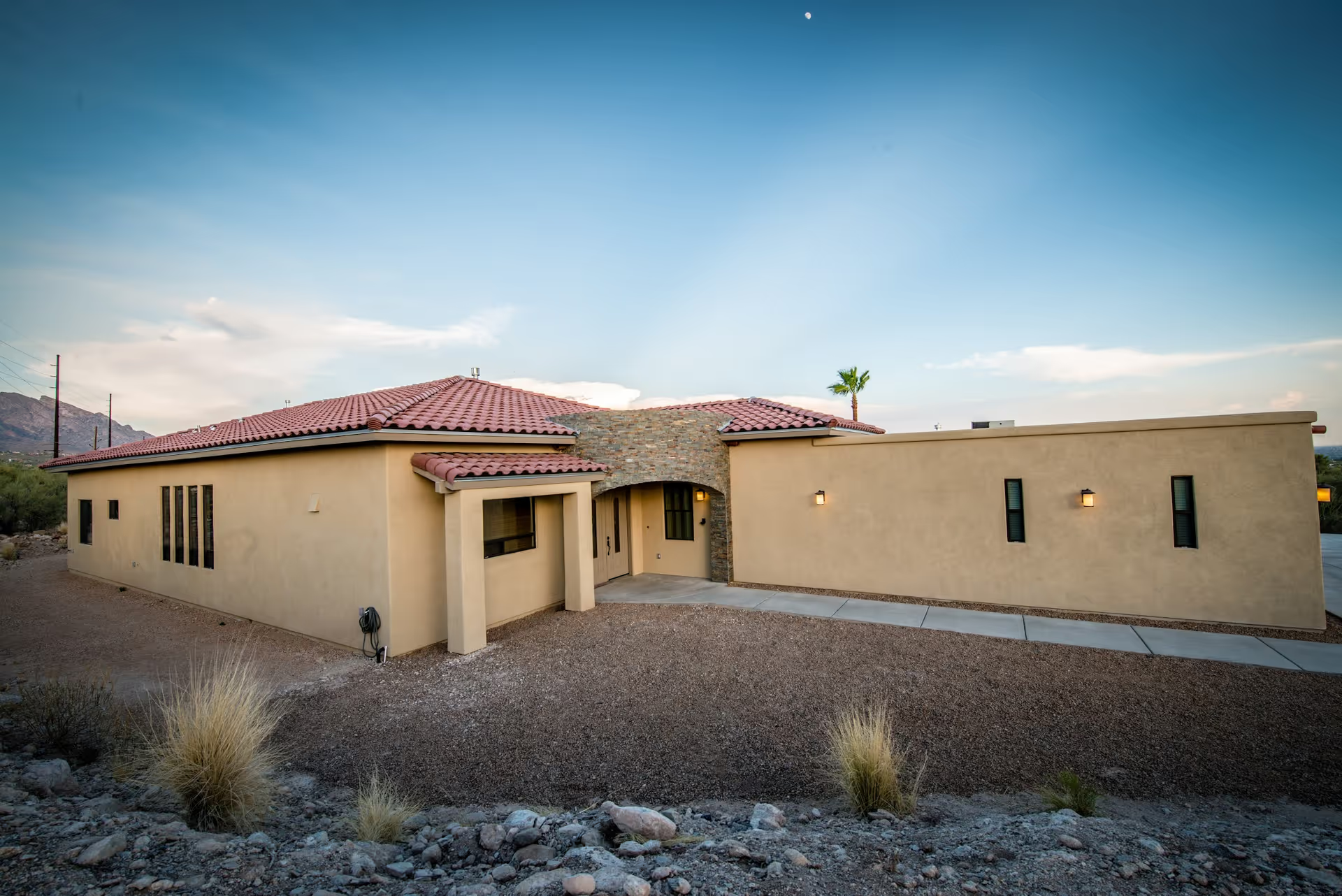
The reviews describe a facility with clearly defined strengths in rehabilitation and many direct-care interactions, combined with recurring operational weaknesses. Mountain View is repeatedly credited for an effective therapy department (physical and occupational therapy) that achieves measurable functional gains and successful discharges home. Numerous families praise individual nursing and CNA staff for compassion, hands-on caregiving, and one-to-one attention; social services and business-office teams also receive positive mention for helpfulness, scheduling, and communication in favorable cases. The building’s exterior, foyer, and some common areas are frequently described as clean and welcoming, and infection-control practices and certain clinical interventions (wound care, timely antibiotic administration in some reports) are noted as competent.
At the same time, there is a persistent theme of operational strain. Many reviews identify chronic understaffing and high workload as a primary driver of problems: delayed responses to call lights, inconsistent bathing and toileting schedules, and slower-than-expected assistance with mobility or repositioning. These staffing constraints appear to feed into inconsistent clinical oversight and medication-management gaps, with several families citing delays in adjustments to treatment, concerns about monitoring (including oxygen and IV therapy), and difficulty obtaining timely physician/NP follow-up. A number of reviews describe serious single‑case concerns that escalated to regulatory or protective‑services involvement; these are distinct from the facility-level patterns but underscore the importance of robust clinical governance.
Dining and nutrition present mixed results. Some families report good meals and accommodating alternatives, while others describe high‑sodium menus, lack of fresh produce, and inconsistent meal quality or portioning. This variability suggests weaknesses in menu planning and dietitian coordination relative to residents’ specific electrolyte and chronic‑disease needs. Activities and programming are praised when therapy-focused and social, but reviewers also note limited recreational engagement for residents with high-dependency or bedbound status.
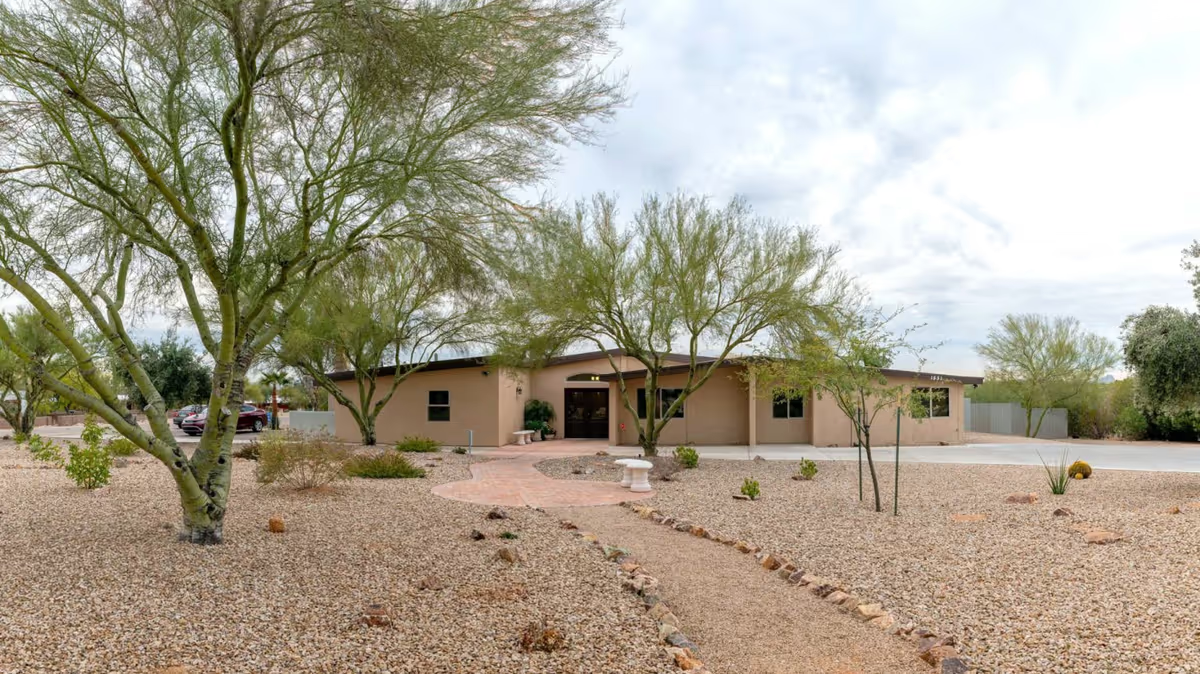
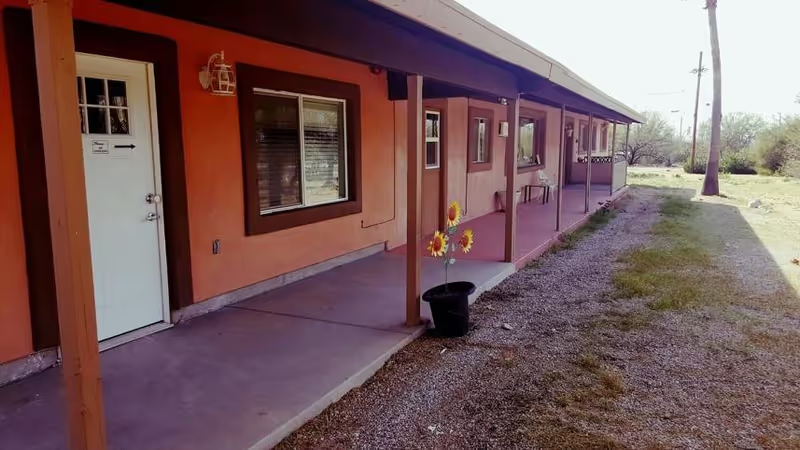
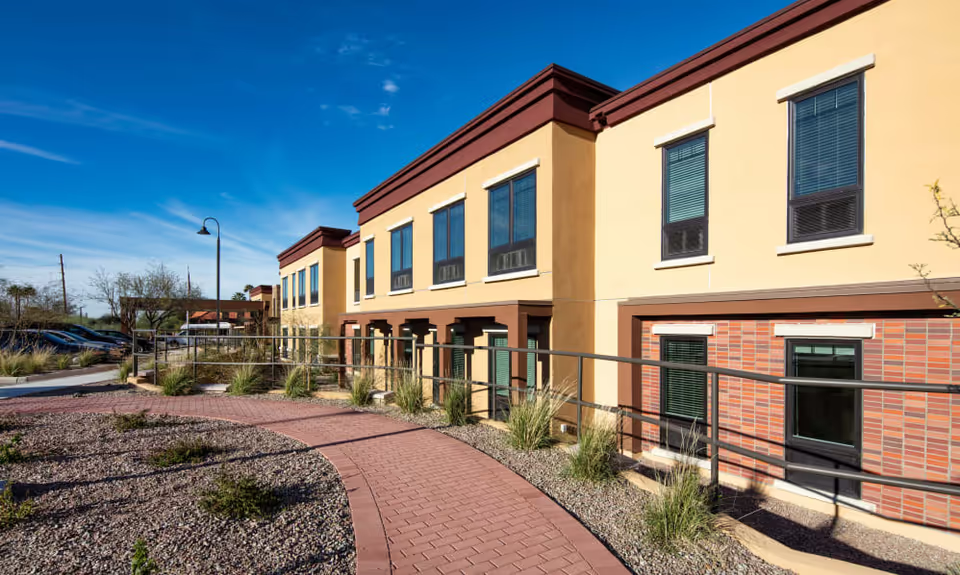
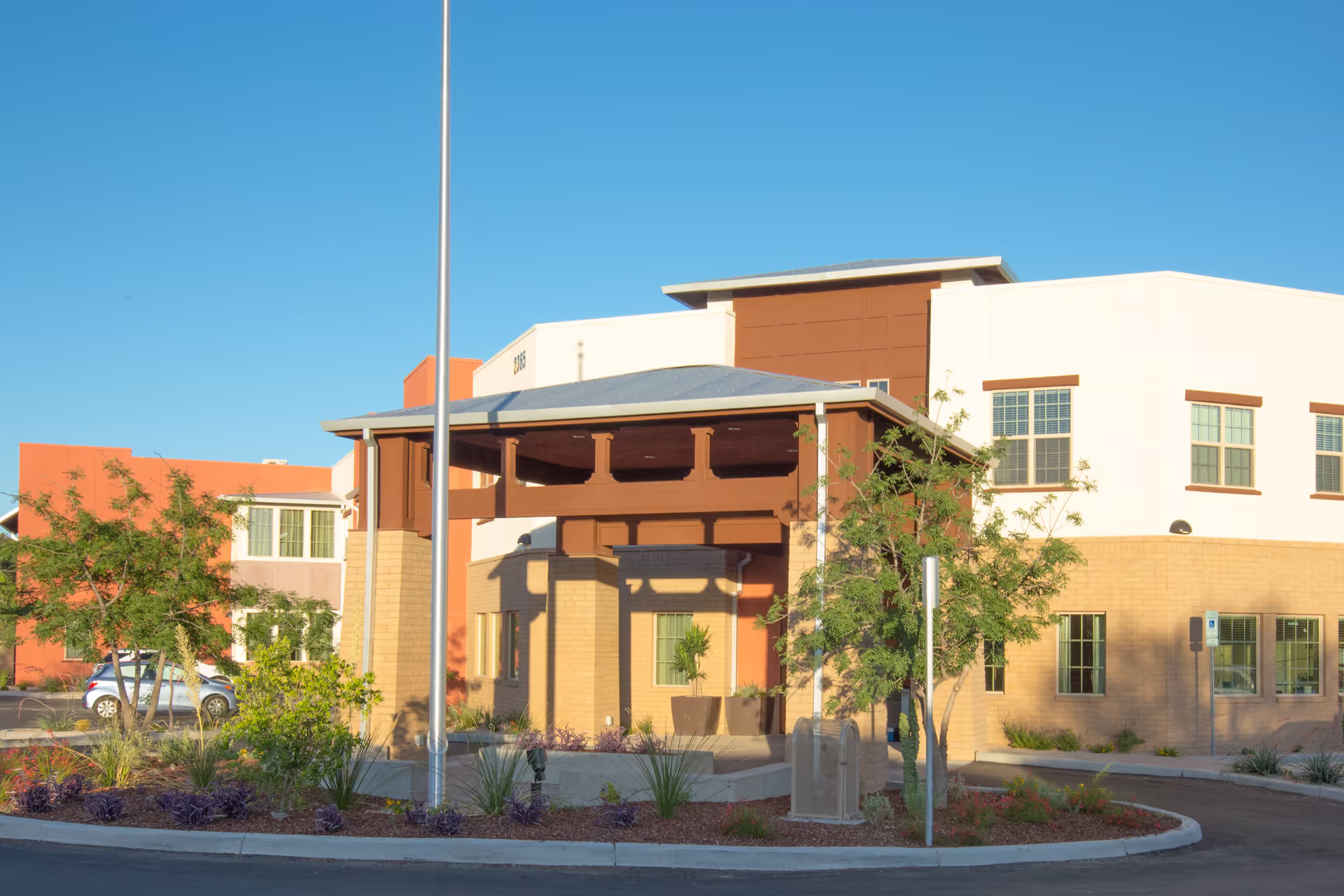
Facility condition and maintenance are similarly mixed: a welcoming entry and some recently refreshed areas contrast with reports of dated wings, worn hallways, and room-level maintenance needs. Management and leadership receive both positive and critical assessments. Several families acknowledge improvements under newer administration and highlight visible, responsive managers who resolved issues; others describe limited after‑hours administrative support, uneven case-management communication, and inconsistent discharge/transportation coordination. Business-office staff and certain named employees are frequently singled out as strengths even in otherwise critical reviews.
Overall, Mountain View appears to provide strong therapy-led rehabilitation and benefits from committed front-line caregivers and administrative staff in many instances. However, systemic issues—chiefly staffing levels, variable clinical oversight, inconsistent nutrition and housekeeping standards, and lapses in communication—recur across reviews and should be addressed to ensure consistent, facility-wide quality and resident safety. Prospective residents and families should weigh the facility’s rehabilitation strengths and individual staff positives against these operational patterns, ask about current staffing ratios, clinical governance, dietitian involvement, after-hours coverage, and recent quality-improvement actions when touring or evaluating placement.