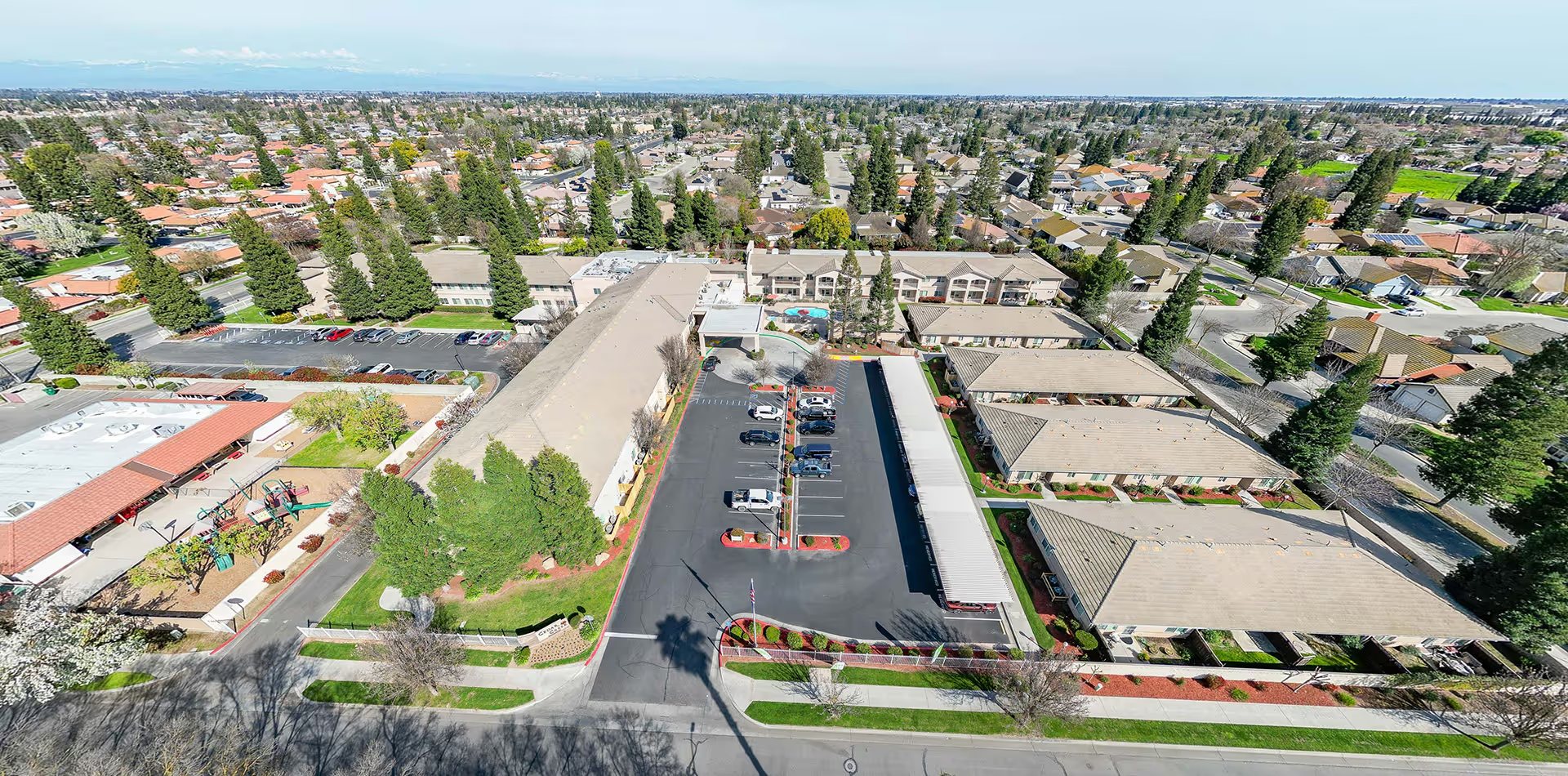
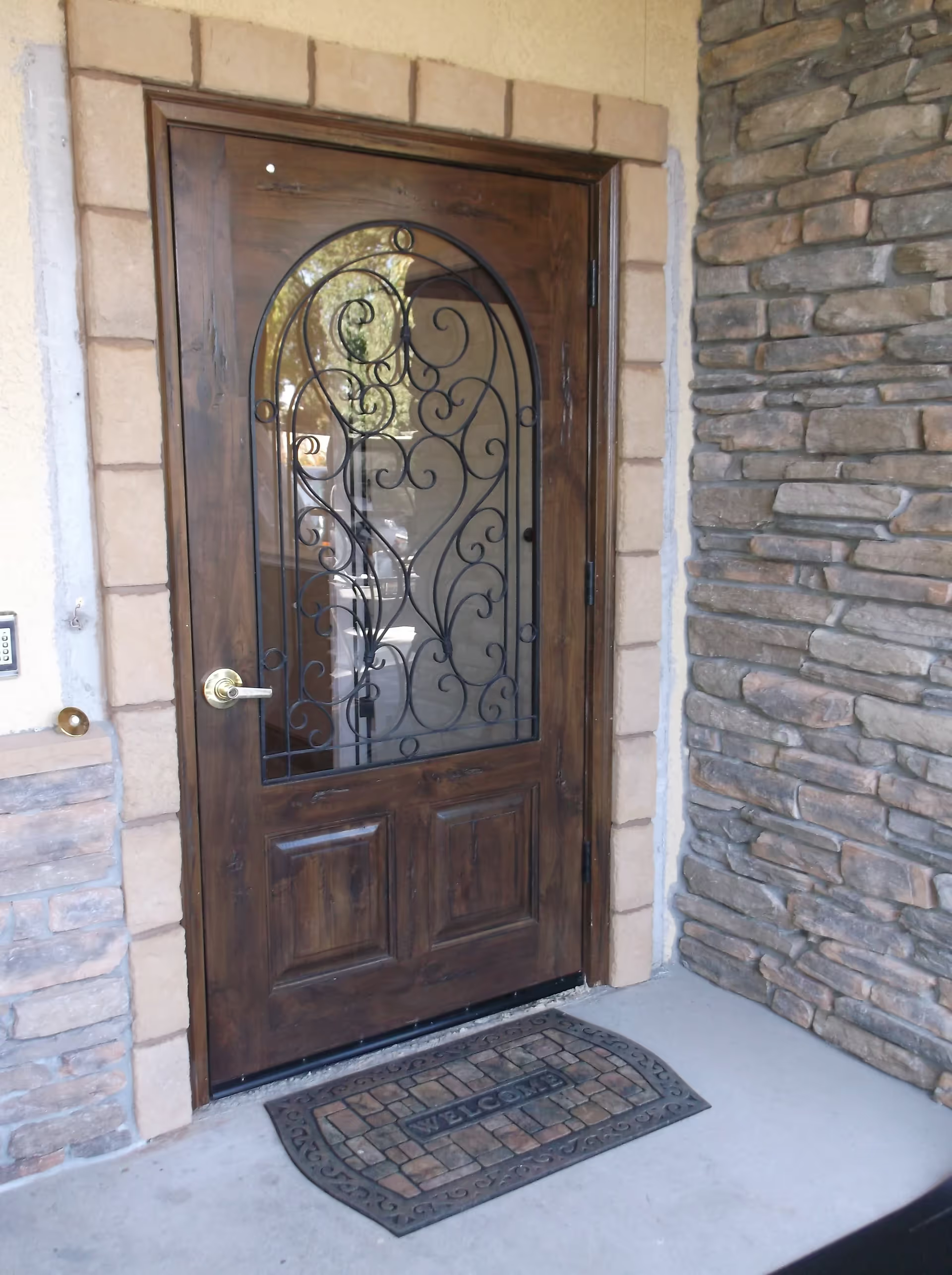
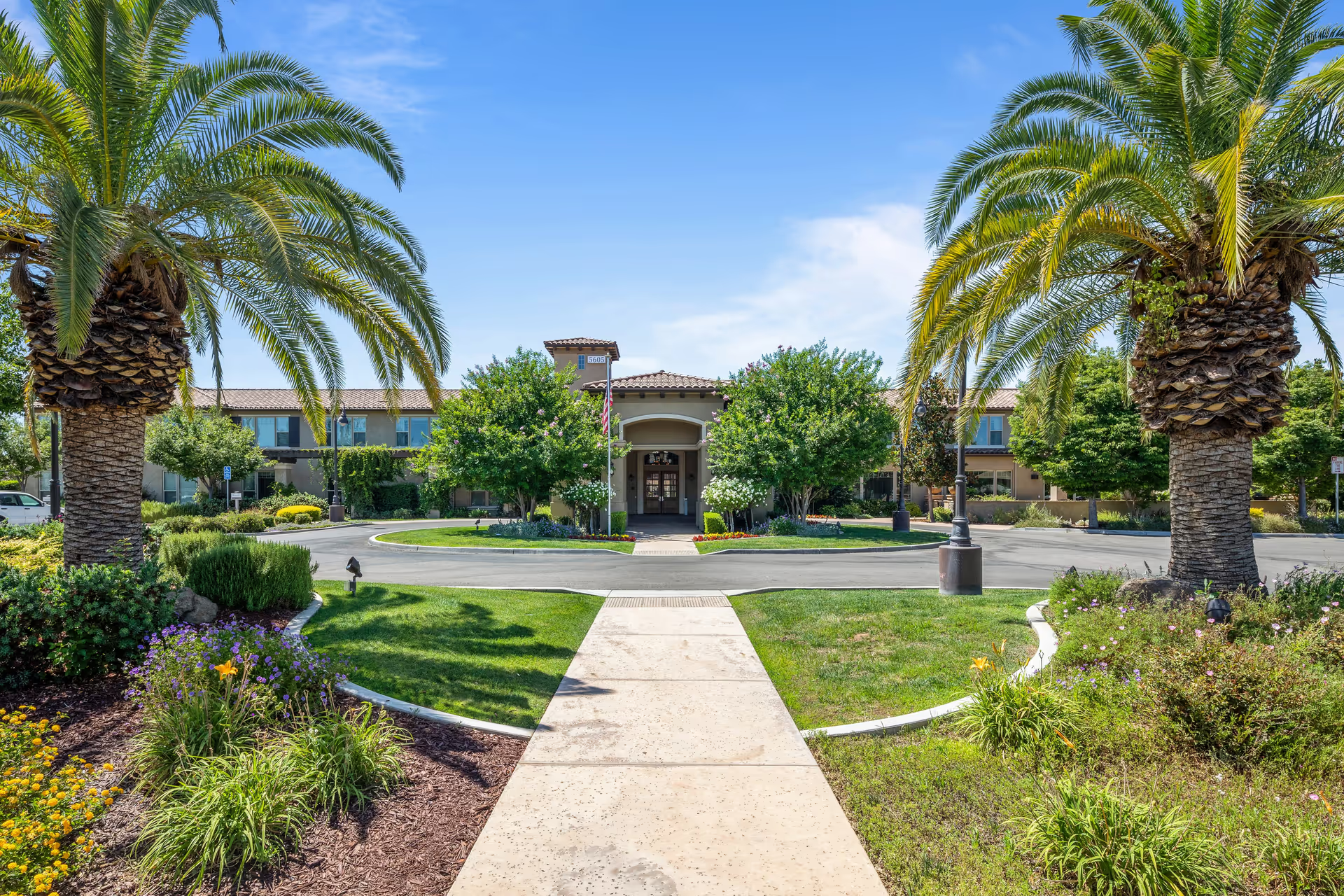
Overall impression: Reviewers present a mixed but detailed picture of care at this facility. Many families and residents describe consistently compassionate, respectful nursing and CNA care, reliable 24-hour nursing presence, and a strong rehabilitation program that produces measurable recovery — therapists and rehab activities are frequently highlighted as a key strength. Several accounts note approachable physicians, attentive follow-up (x-rays, medication adjustments), helpful social work and housekeeping support, and a welcoming, home-like atmosphere aided by bilingual staff and a convenient location for visitors.
Care and staff: Strengths center on staff compassion, individualized attention, and effective therapy services. Multiple families report that nurses, CNAs and therapists went above and beyond, delivered dignified treatment, and achieved functional gains such as improved ambulation. At the same time, there is a consistent pattern of variability: staffing stability and leadership turnover have produced uneven experiences. Specific operational weaknesses include delays in responding to personal-care needs, concerns about the tone and conduct of some staff members, and instances where privacy and supervision practices did not meet families' expectations.
Clinical operations and safety: The facility shows competency in rehabilitation and basic nursing care for many residents, but reviewers raise operational concerns that have clinical implications. These include gaps in specialty and surgical coordination (notably access to orthopedics), inconsistencies in medication-administration practices, and reported lapses in pressure-ulcer prevention and other skin-care protocols. Families also describe occasional fall-prevention and safety-equipment deficiencies. Prospective families should ask about specialty coverage, skin-integrity monitoring, medication-safety checks, and fall-prevention policies.
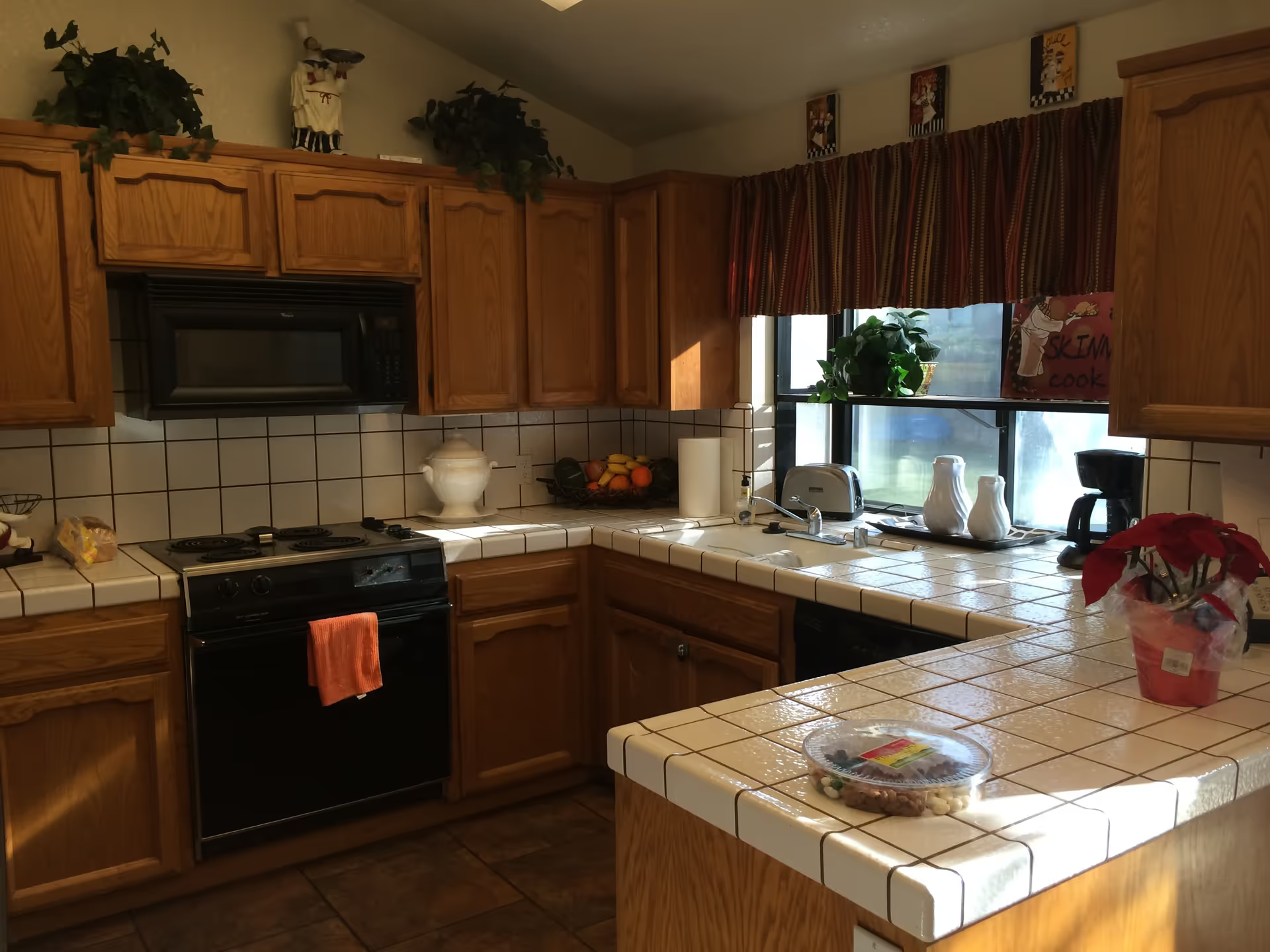
Dining, maintenance, and environment: Opinions about dining and facility maintenance vary. Some reviewers praise the kitchen staff and say meals are generally acceptable; others report inconsistent meal quality and failures to provide prescribed diet textures. Cleanliness and maintenance are similarly mixed: while some note clean rooms and fresh linens, others describe sanitation and odor concerns in common areas, malfunctioning room amenities, and linen or laundry issues. Security concerns and personal-property protection are also raised in multiple comments.
Management, communication, and family involvement: Communication is a recurring theme. Many families commend responsive administration and clear updates, while others describe restricted access, limited transparency from case management, and disputed decision-making pathways for residents with surrogate decision-makers. There are also references to past regulatory or closure issues and infection-control events; these underscore the importance of confirming the facility's current compliance status and recent inspection history.
Patterns and takeaway: The dominant pattern is high variability: the facility demonstrates clear strengths in rehabilitation, some areas of nursing care, and family-oriented practices, but also exhibits operational gaps that can materially affect resident experience — particularly around staffing consistency, specialty access, dietary accommodation, maintenance, medication processes, and family communication. Families considering this facility should verify current staffing levels, specialty coverage (orthopedics/surgical coordination), protocols for pressure-ulcer prevention and medication administration, dining accommodations for texture needs, maintenance and housekeeping practices, security measures for personal property, and recent state inspection or regulatory actions before making placement decisions.