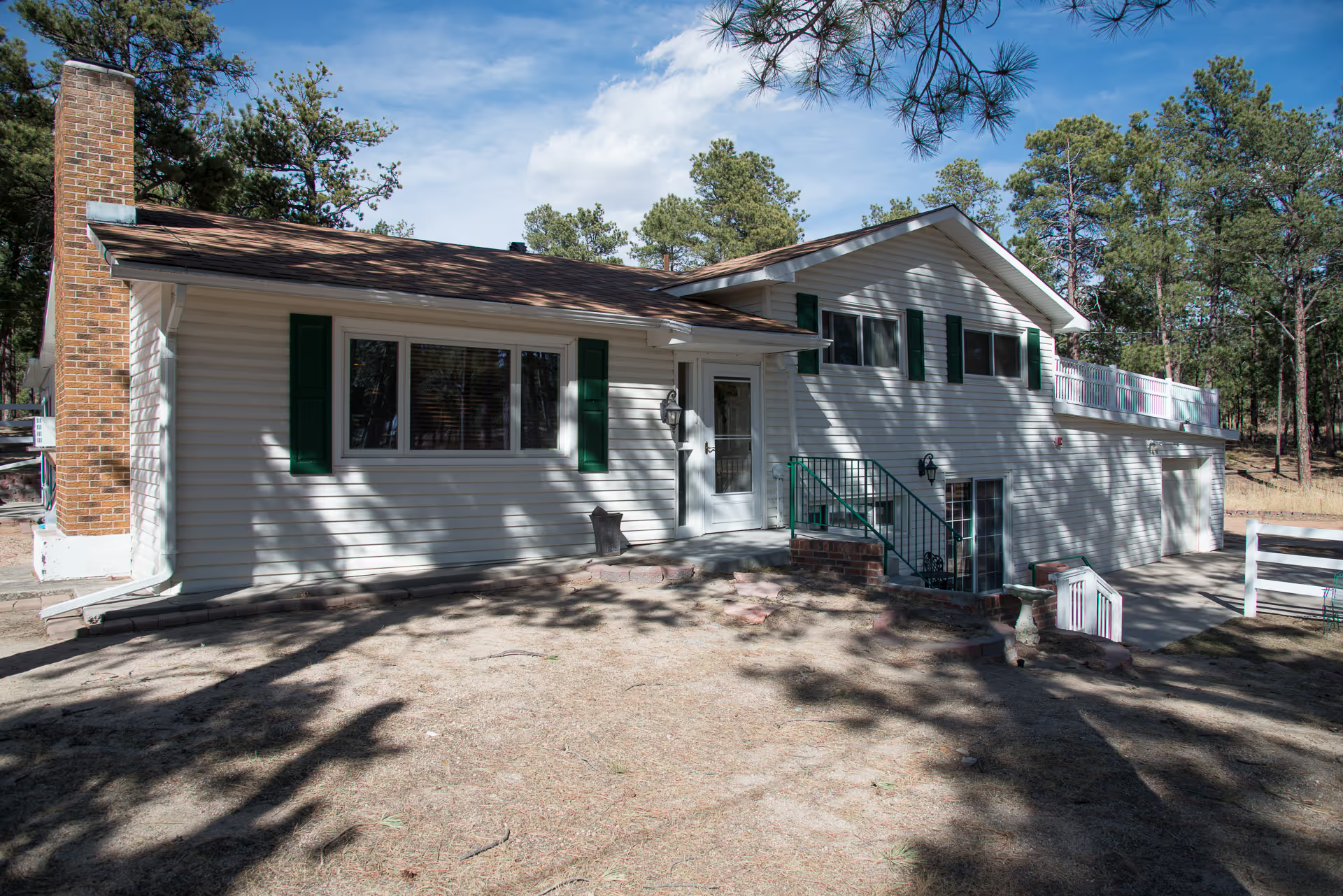
Bonaventure of Colorado Springs presents a mixed picture. The community is frequently described as modern and well-appointed, with numerous amenities—movie theater, woodworking area, game room, regular outings, and transportation services—that many families and residents find engaging. Front-line staff, including aides, drivers, and certain on-floor directors, are often characterized as caring, personable, and attentive. Several accounts highlight successful hospice coordination and moments of strong, resident-focused caregiving.
At the same time, reviews consistently identify operational weaknesses that affect quality and reliability of care. Medication management and pharmacy billing were recurrent concerns: reviewers described delays, incorrect fills, and administrative confusion. Clinical staffing levels and on-site nursing coverage are noted as inconsistent, which reviewers linked to delayed responses in urgent situations and uneven oversight of residents’ clinical needs. There are also multiple descriptions of delayed emergency response or slow incident follow-up, which contributes to family unease about safety processes.
Dining and housekeeping experiences are variable. Some families praise the food and dining atmosphere, while others report frequent service delays, cold or reheated meals, and kitchen turnover that affects consistency. Housekeeping and maintenance performance was similarly mixed: many cite clean, attractive common spaces and well-kept apartments, but others note sanitation concerns and inconsistent housekeeping or pest-control follow-up in particular units.
Staffing and management themes recur throughout the feedback. High turnover among both management and direct-care staff is a persistent pattern and is linked in reviews to lower morale, inconsistent training, and a loss of continuity for residents. Families describe a contrast between compassionate floor staff and an occasionally unresponsive or disorganized administrative layer. There are also multiple comments about billing and admissions processes—misbilled prescriptions, deposit disputes, and weak check-in procedures—that suggest administrative controls need strengthening.
Memory-care impressions are mixed as well. The community maintains a dedicated memory-care neighborhood with a relatively small census, and some reviewers report positive, attentive care there. Others describe rapid decline for certain residents, inconsistent care-plan adherence, and situations that required families to supplement care. These divergent accounts point to variability in how memory-care standards are applied over time or across staff shifts.
For prospective residents and families: weigh the facility’s clear strengths—amenities, social programming, and many compassionate front-line caregivers—against repeated operational concerns around staffing stability, medication and billing controls, emergency response, and housekeeping consistency. When evaluating the community in person, consider asking specific, documentable questions about current nurse coverage, turnover metrics, medication administration protocols, emergency-response procedures and average response times, housekeeping and pest-control policies, and recent changes in leadership. Request references from current families and review any available regulatory history to get a clearer sense of recent operational performance.