Overall impression: The facility demonstrates clear strengths in clinical rehabilitation, hands-on nursing care, and recent physical upgrades, but also exhibits operational and administrative gaps that prospective residents and families should evaluate. Many reviewers describe attentive direct-care staff and robust therapy services, while others raised concerns about staffing consistency, communication, and administrative follow-through.
Care quality and staff: Multiple comments highlight compassionate, conscientious nursing and CNA interactions, with specific praise for proactive monitoring (for example, blood-pressure checks with medication adjustments) and daily physical/occupational/speech therapy that supports recovery-focused stays. Reviewers also described dignified, family-centered end-of-life care and careful clinical note-keeping. At the same time, there are recurring concerns about inconsistent staffing levels, uneven communication from nursing staff, and occasional issues with staff tone and professionalism. Families who value regular updates and consistent staff assignments should seek clarity on staffing patterns and communication protocols during a tour.
Dining and activities: The facility's dining received positive remarks for appealing meals and dessert options. Family-oriented programming — such as seasonal events that allow multi-generational participation — was noted as a meaningful quality-of-life feature. These elements appear to complement the rehabilitation focus and contribute to a comfortable recovery environment for many residents.
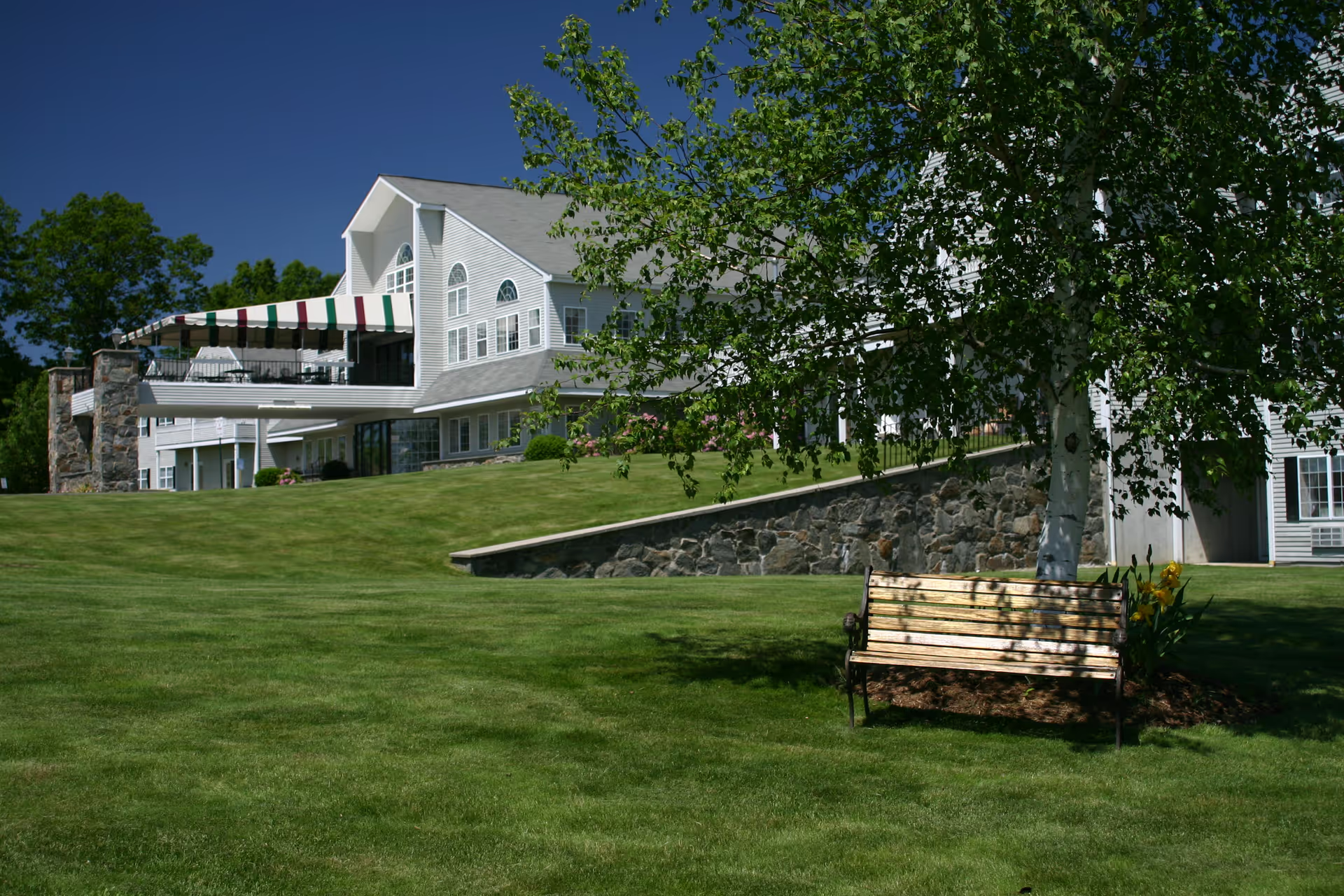
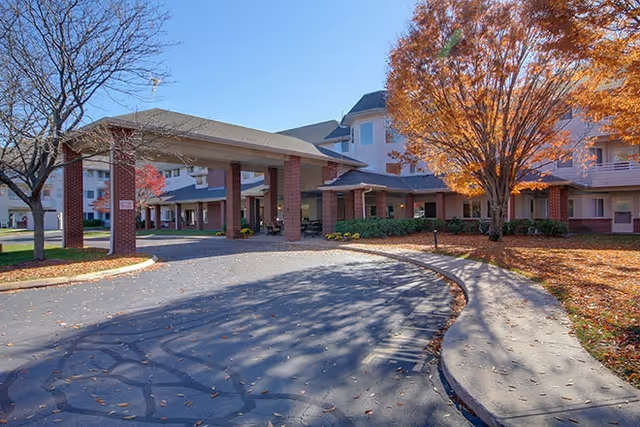
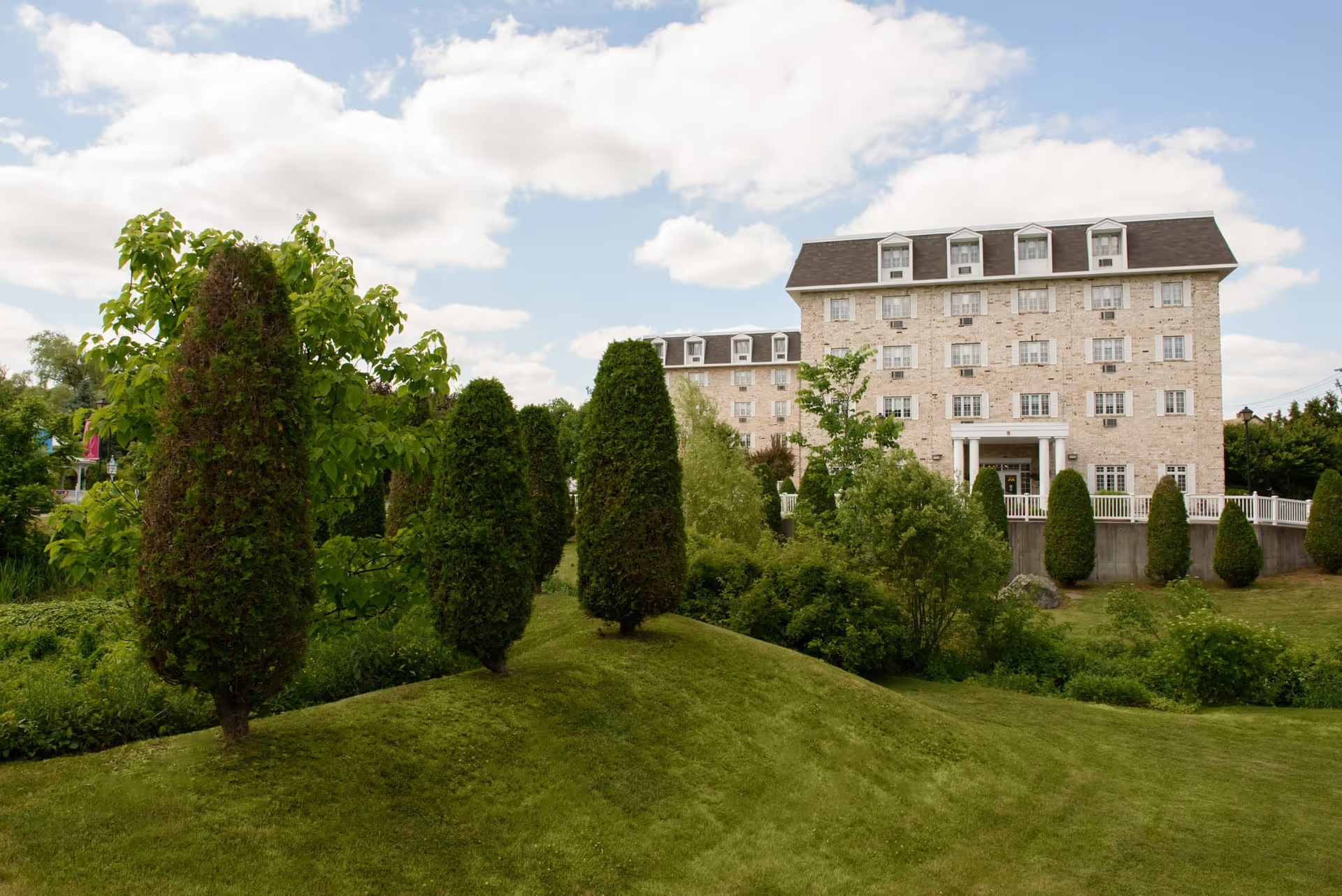
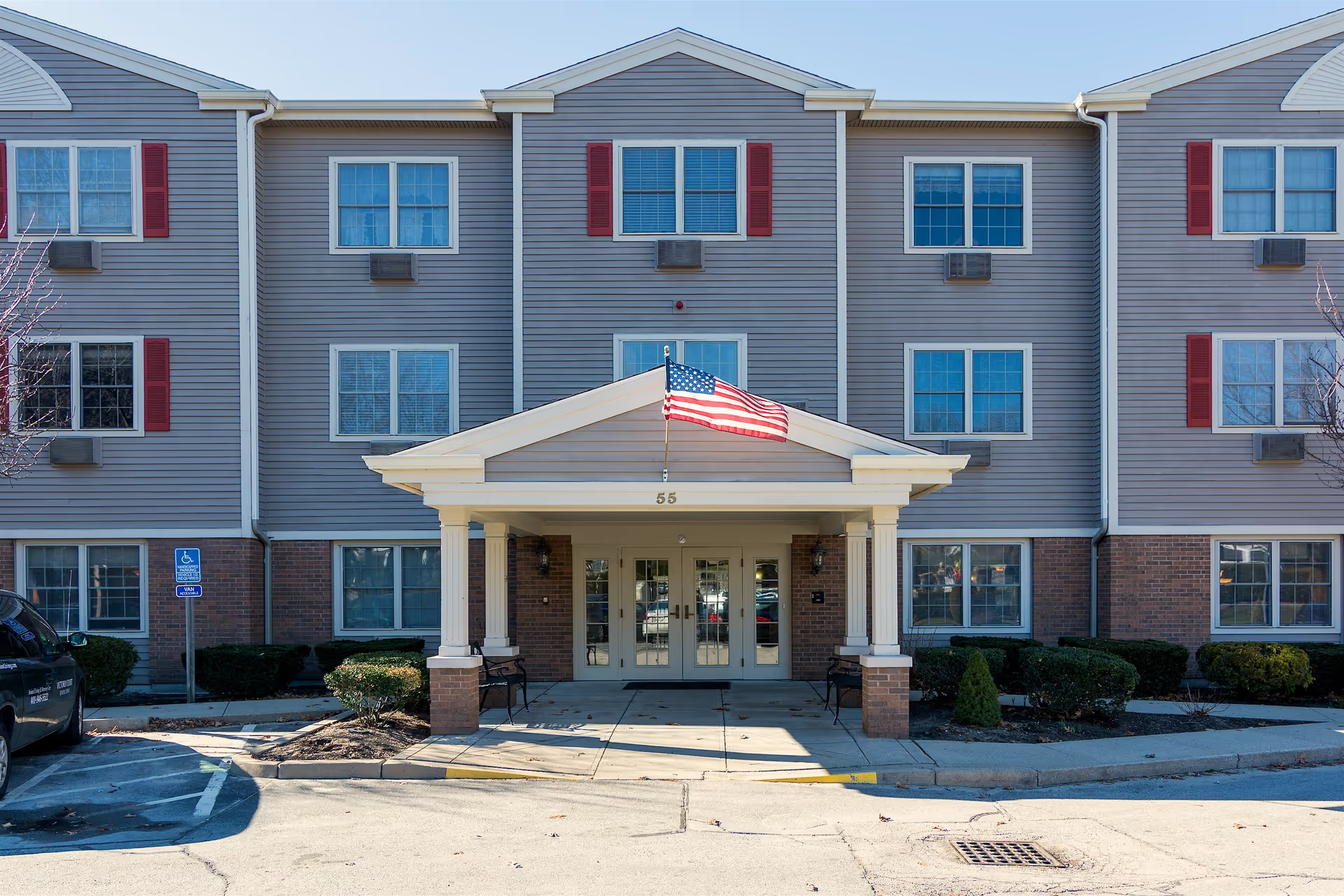
Facilities and environment: Recent renovations were described as substantially improving accommodations and resident satisfaction. Housekeeping and environmental services were mentioned positively for friendliness and attentiveness. Prospective residents should confirm which units were renovated and inspect room layouts and common areas to verify that the upgrades match their expectations.
Management, administration, and notable patterns: Strengths include careful clinical documentation and helpful discharge information. However, reviewers also pointed to operational weaknesses: gaps in clinical-incident response and family communication, administrative follow-through problems (including issues with post-mortem procedures), and limited payer acceptance because the facility does not take certain state health insurance. There are also comments alluding to potential infection-control or public-health incident concerns; given the seriousness of such matters, families may wish to ask management about recent infection-control audits, incident disclosure policies, and any external investigations or corrective actions.
Recommendations for families: If the facility's rehabilitation strengths and recent renovations align with your priorities, consider an in-person visit that includes: (1) meeting direct-care staff and asking about typical staffing ratios and staff turnover, (2) reviewing clinical incident reporting and infection-control policies, (3) confirming insurance/payer acceptance and billing practices, and (4) observing dining and activity offerings. Balancing the facility's clear clinical and environmental positives with the documented administrative and communication gaps will help determine fit for a particular resident's needs.