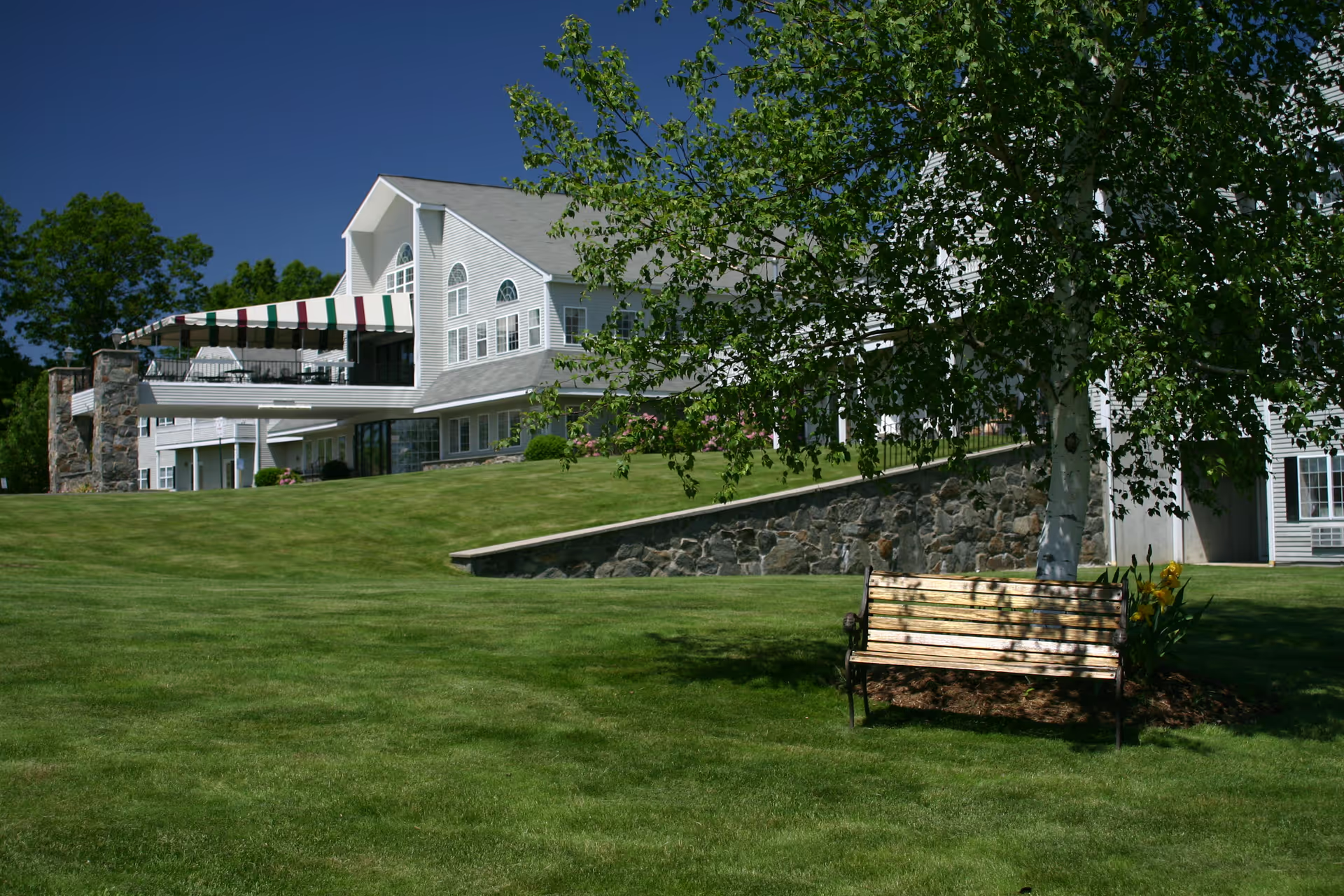
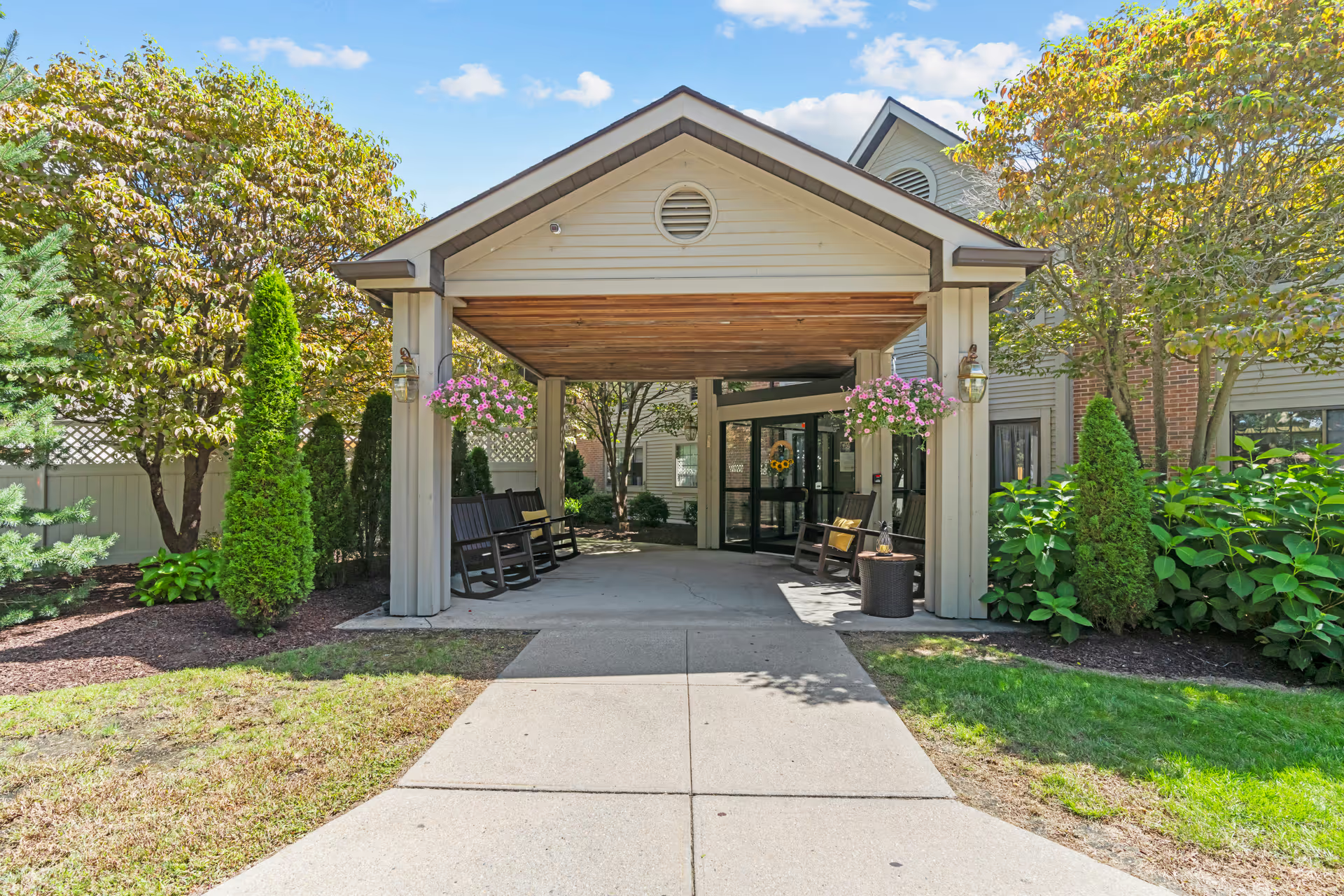
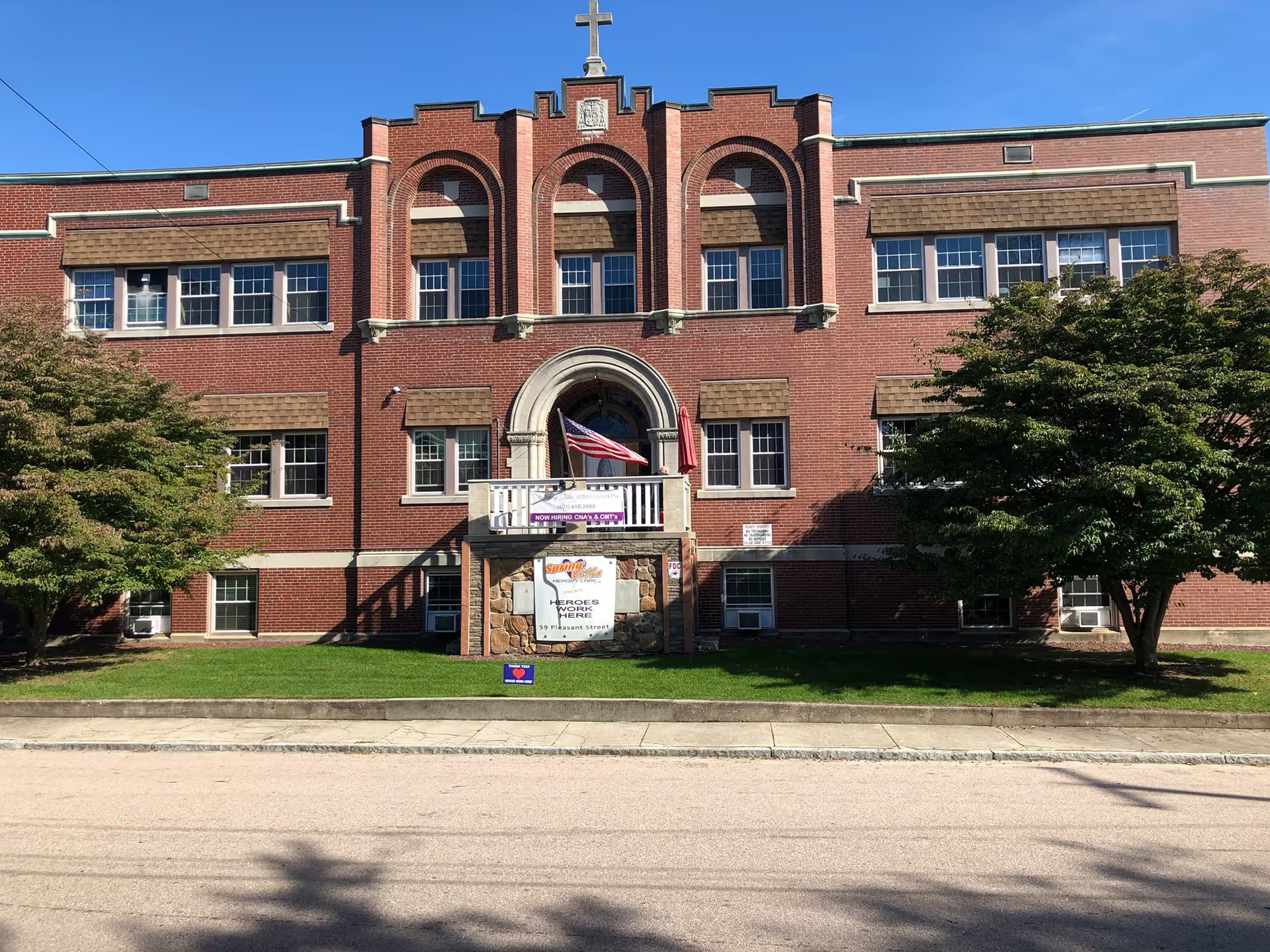
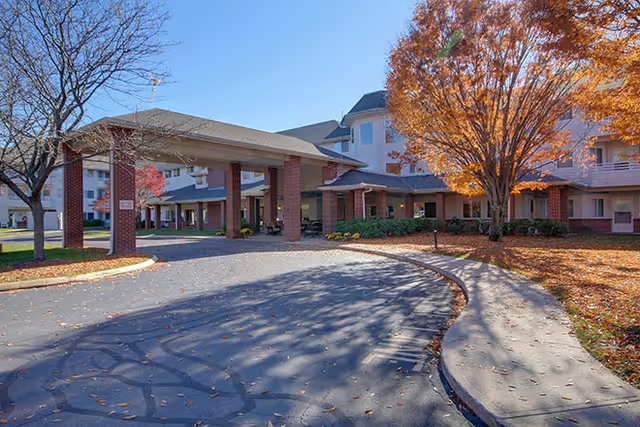
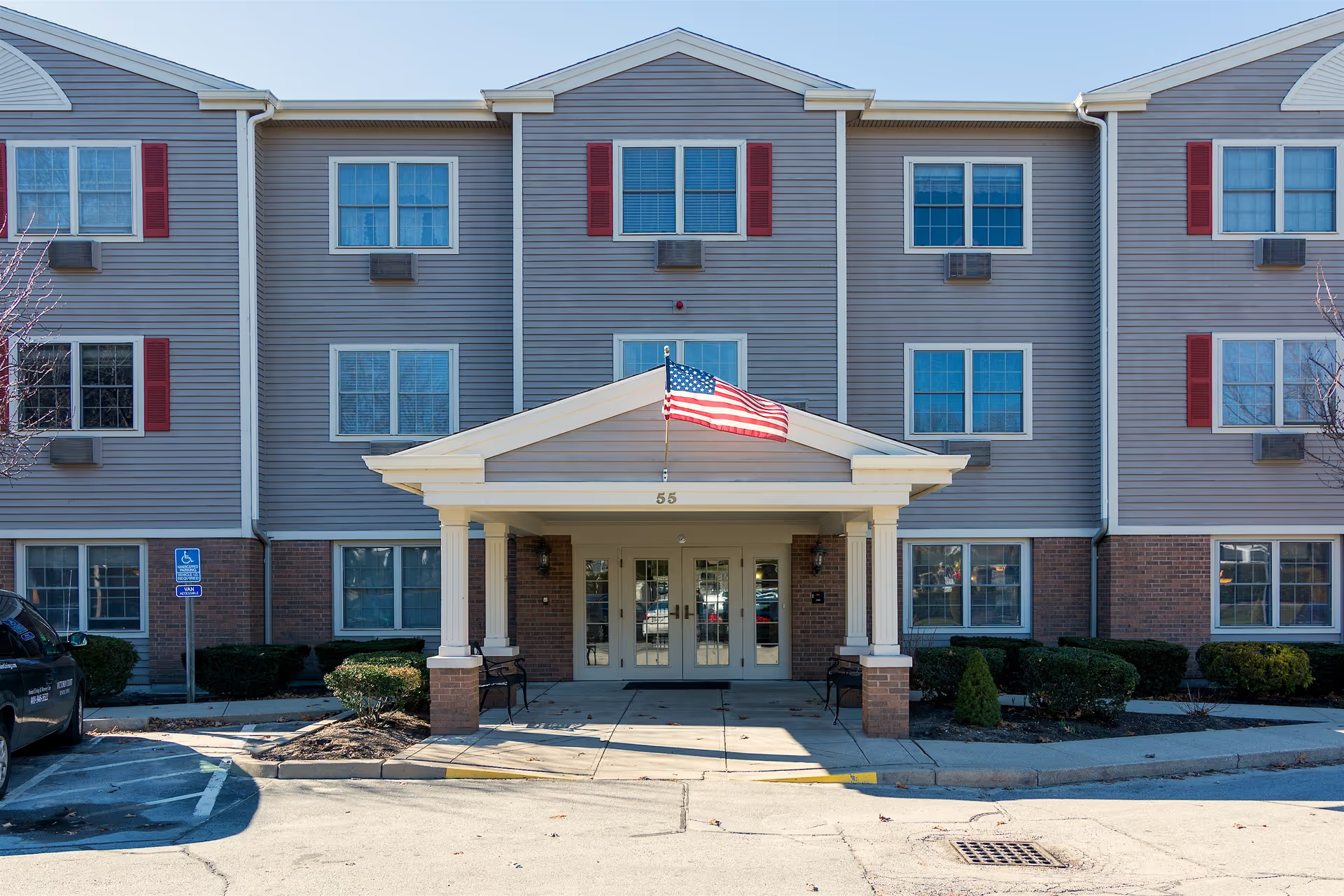
These reviews present a facility with considerable strengths in direct care and rehabilitation alongside recurring operational weaknesses. Many families and former patients praised the caregiving staff, especially CNAs and therapy teams, for being compassionate, hands-on, and recovery-focused. Physical and occupational therapy are frequently cited as a major asset; reviewers describe measurable mobility gains, persistent therapy efforts, and therapists who formed trustful relationships. Housekeeping and common-area maintenance also receive positive comment, and several reviewers highlighted recent renovations that give parts of the building a hotel-like appearance.
Dining and activity offerings are polarizing. A number of reviewers praised the menu, customization options, frequent events, and availability of snacks and shakes; the recreation department is widely commended for a robust calendar of social and community-oriented programs (concerts, holiday events, thematic activities). Conversely, other families described inconsistent meal quality, issues with meal temperature, and occasional unappetizing choices. This mixed picture suggests that dining experience varies by unit or shift and that food-service continuity could benefit from more consistent oversight.
Safety and clinical operations show mixed signals. There are documented improvements in infection-control measures, PPE use, and establishment of risk committees for falls and weight loss, which indicate administrative attention to clinical risk. At the same time, recurrent themes include understaffing, reliance on temporary agency nurses, inconsistent nursing responsiveness (long wait times, missed calls), and concerns about medication administration and clinical oversight. Several reviewers raised issues such as missed or delayed medications, incomplete discharge instructions, delays in emergency response, and gaps in post-discharge equipment and aftercare planning. These are operational patterns that may compromise continuity of care for medically complex residents.
Family communication and management practices are another area of divergence. Some reviewers describe accessible leaders, an engaged Director of Nursing, and staff who act as advocates and maintain close family communication. Others report poor transparency, restricted visitation during infection-control periods, inadequate follow-up after incidents, and limited responsiveness from management or social work. There are also serious, individual allegations related to financial and conservatorship matters; these are noteworthy and, if substantiated, would require formal review by oversight bodies.
Physical environment and resources: the facility benefits from renovation and generally clean, well-kept common spaces, but many units have small shared rooms and limited private accommodations. Reviewers documented equipment shortages (transport chairs, adaptive supports, leg rests, safety belts) and occasional sanitation or pest-control concerns. These resource gaps, combined with staffing constraints, were linked by some families to care delays, transfer-safety issues, and pressure on frontline staff.
Overall, prospective residents and families should weigh the facility’s strong rehabilitation services, active recreation program, and many commended direct-care staff against documented operational weaknesses: inconsistent nursing coverage, medication and clinical-oversight concerns, variable dining quality, small shared rooms, and mixed management responsiveness. If considering placement, ask targeted questions about current staffing ratios, agency-staff usage, medication-safety protocols, family communication procedures, availability of adaptive equipment, and how the facility addresses sanitation and pest-control issues. Request recent outcome metrics for falls, pressure injuries, hospital transfers, and medication errors, and seek to meet therapy and nursing leadership to assess consistency of care for your specific needs.