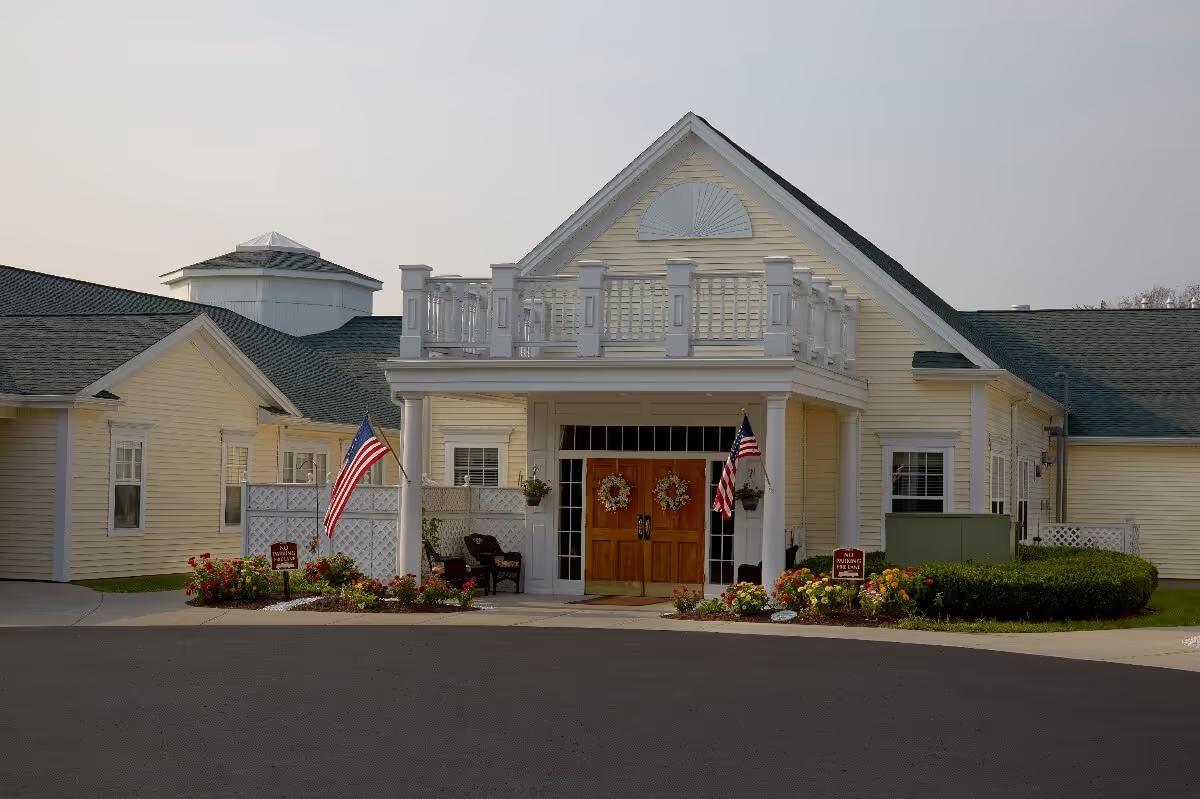
Glastonbury Center for Health & Rehabilitation elicits strongly mixed impressions. Many families and patients praise the therapy departments, nursing staff, aides, and front-desk teams for compassionate care, effective rehabilitation, rapid response to requests and a generally clean, well‑maintained environment with attractive outdoor spaces. For individuals seeking short-term rehab or focused physical/occupational therapy, the facility's rehab outcomes and staff responsiveness are commonly cited as strengths.
Care quality descriptions vary across reviews. Positive comments emphasize caring nurses and attentive aides who support recovery and daily needs; physical and occupational therapy are repeatedly called out as excellent. However, a recurrent counterpoint is inconsistent nursing availability and uneven bedside attention, often attributed to staffing shortages and high workload. Reviewers describe delays in personal-care tasks, inconsistent monitoring/bed checks, and instances where clinical escalation (oxygen or IV management, transfers) appeared delayed; these reflect operational gaps rather than isolated praise-worthy interactions.
Dining and activities present a mixed picture. The facility can accommodate special diets and some reviewers found meals satisfactory, but others reported bland, late, or cold food and occasional missing items on trays. Recreation and individualized activity planning receive favorable comments — staff in recreation are described as thorough and attentive to resident preferences — but activity availability for younger or more independent residents was noted as limited by staffing and program scope.
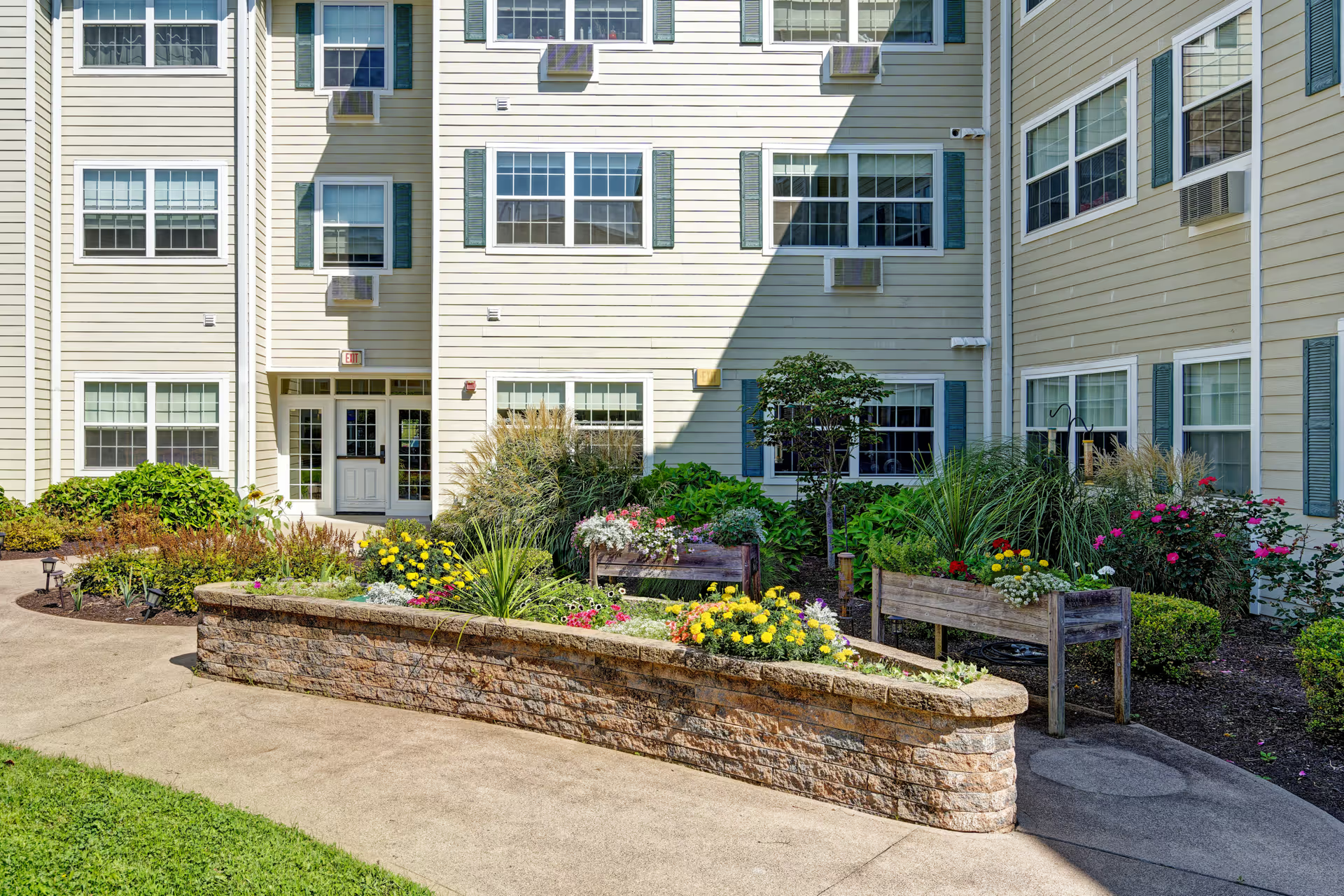
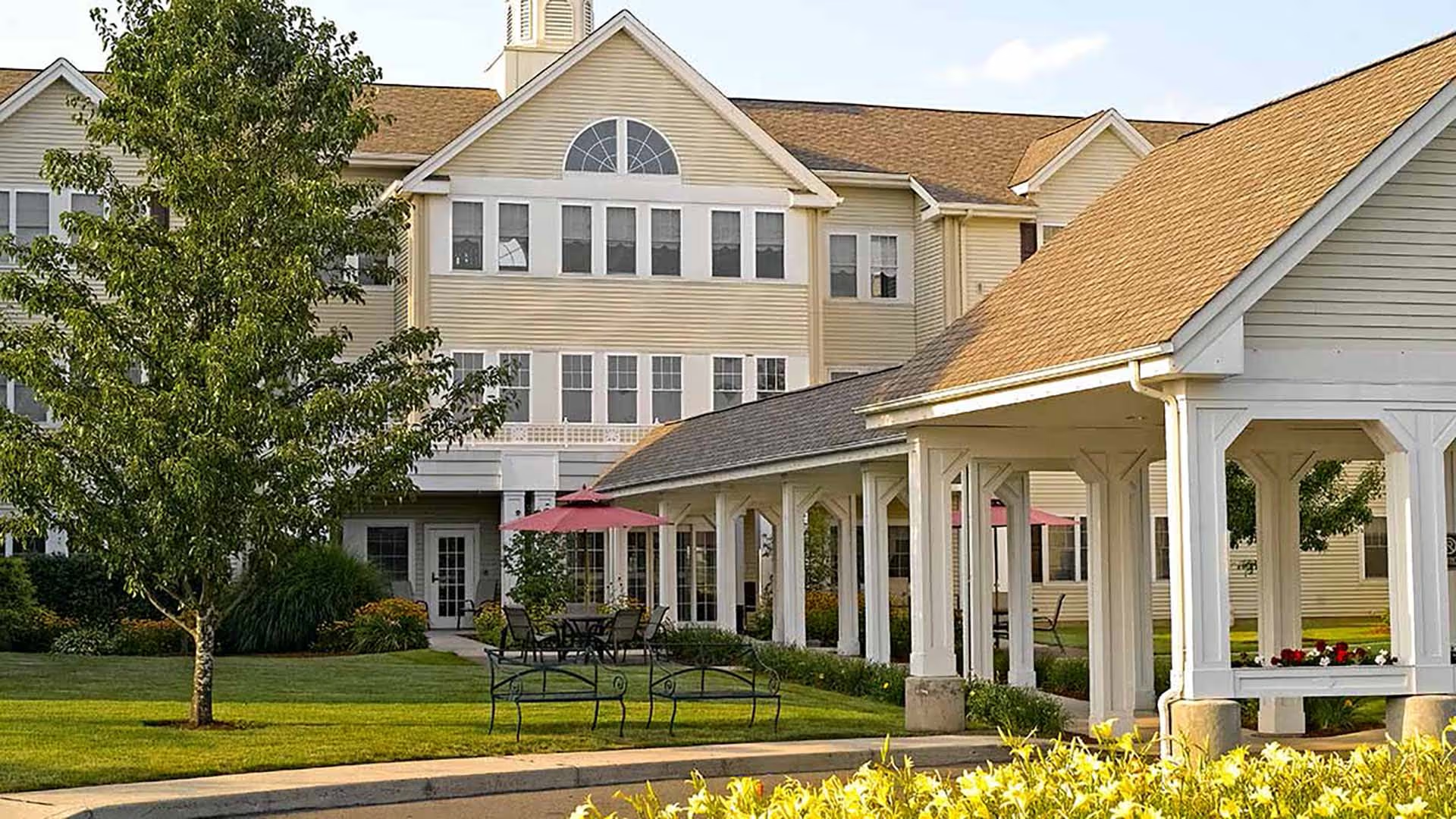
Facility amenities and housekeeping are similarly mixed. Many reviewers praise the cleanliness, lack of odor, prompt maintenance, sunroom, gardens, and comfortable common areas. Conversely, other reviews describe variability in housekeeping standards and specific incontinence‑care concerns, suggesting uneven performance across units or shifts. Space constraints are a practical limitation: private rooms are limited and some residents are in shared accommodations with potential mid‑stay relocations.
Management, communication, and administrative processes are a consistent source of concern. Several reviewers cite slow or unsatisfactory complaint handling, documentation errors, delayed reimbursements, and inconsistent family communication—particularly around transfers, discharge planning, and end‑of‑life transitions. There are also comments about inconsistent enforcement of visitation or staff conduct policies, misplaced personal items, and perceived shortcomings in leadership; a few reviews referenced serious incidents and concerns following a resident's death. Additionally, therapy scheduling and availability have been disrupted at times by infection‑control closures.
Taken together, the pattern suggests this center can deliver high-quality, effective short-term rehabilitation with particularly strong PT/OT teams and many caring individual staff members. At the same time, prospective residents and families should be aware of operational variability in nursing coverage, medication/documentation controls, housekeeping consistency, dining reliability, and administrative communication. For those considering placement, suggested topics to verify in advance include current staffing levels and shift coverage, medication administration and documentation protocols, incontinence and personal‑care procedures, property-management safeguards, visitation policies, and how the facility handles transfers and family updates during clinical incidents.