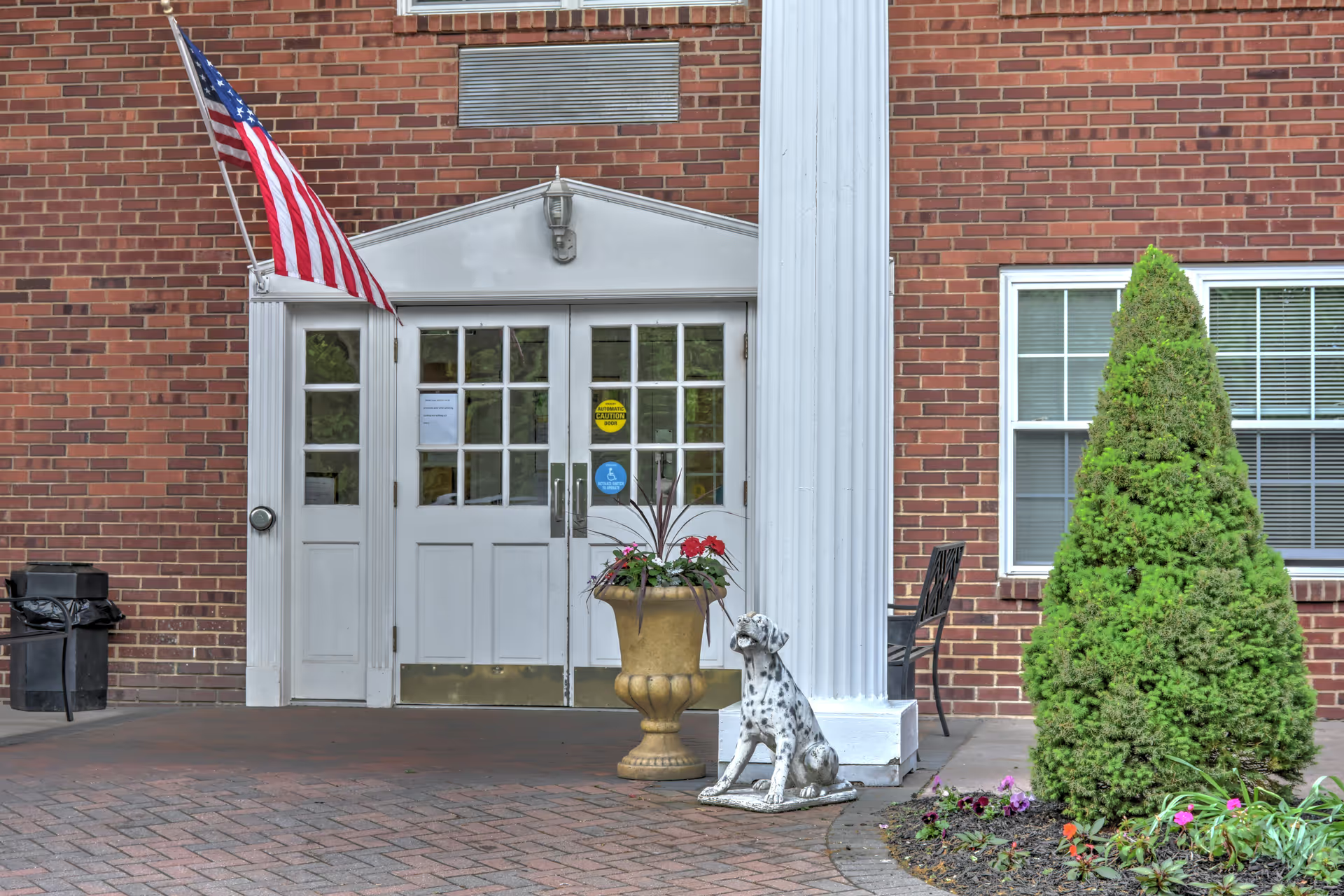
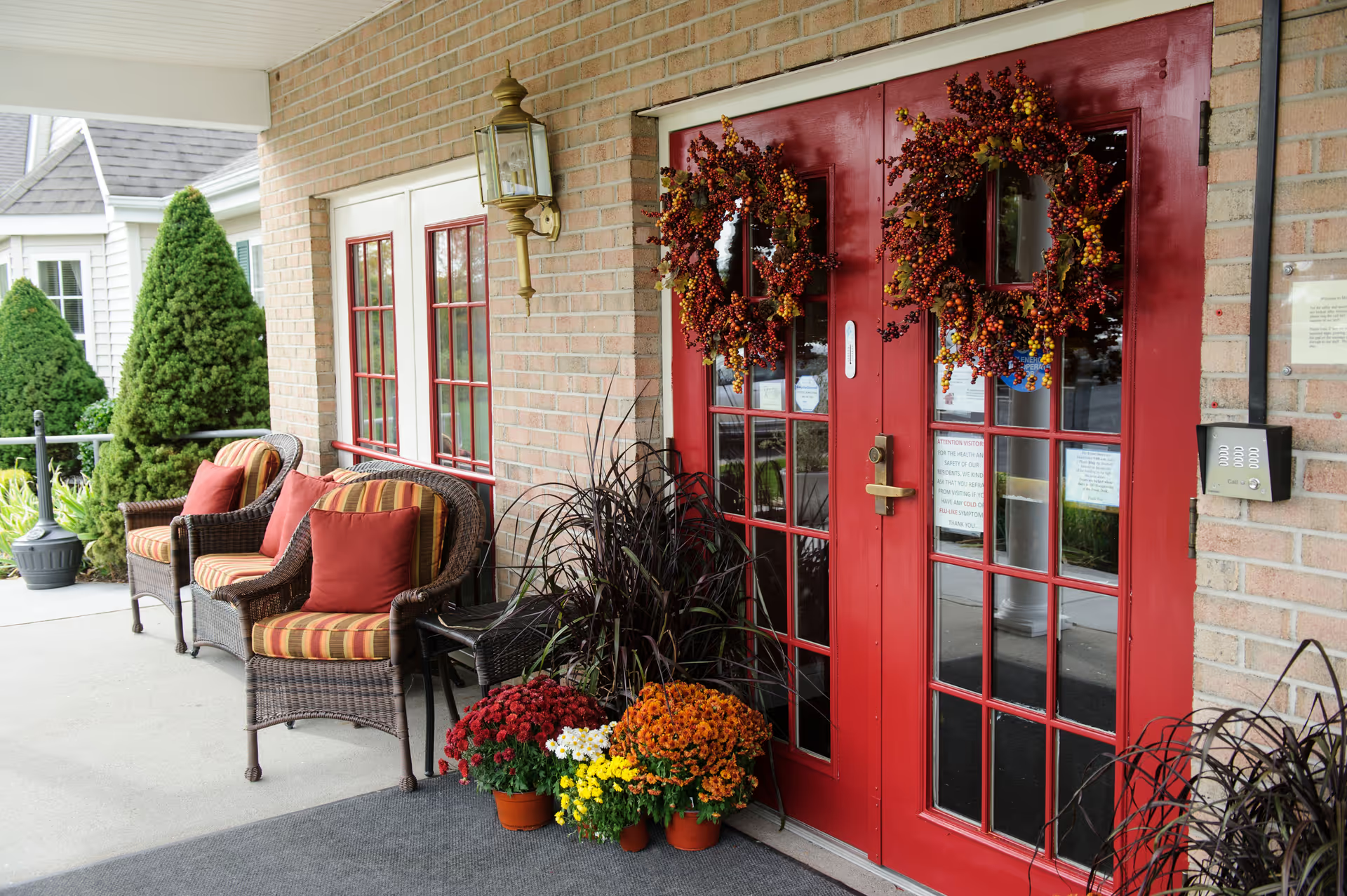
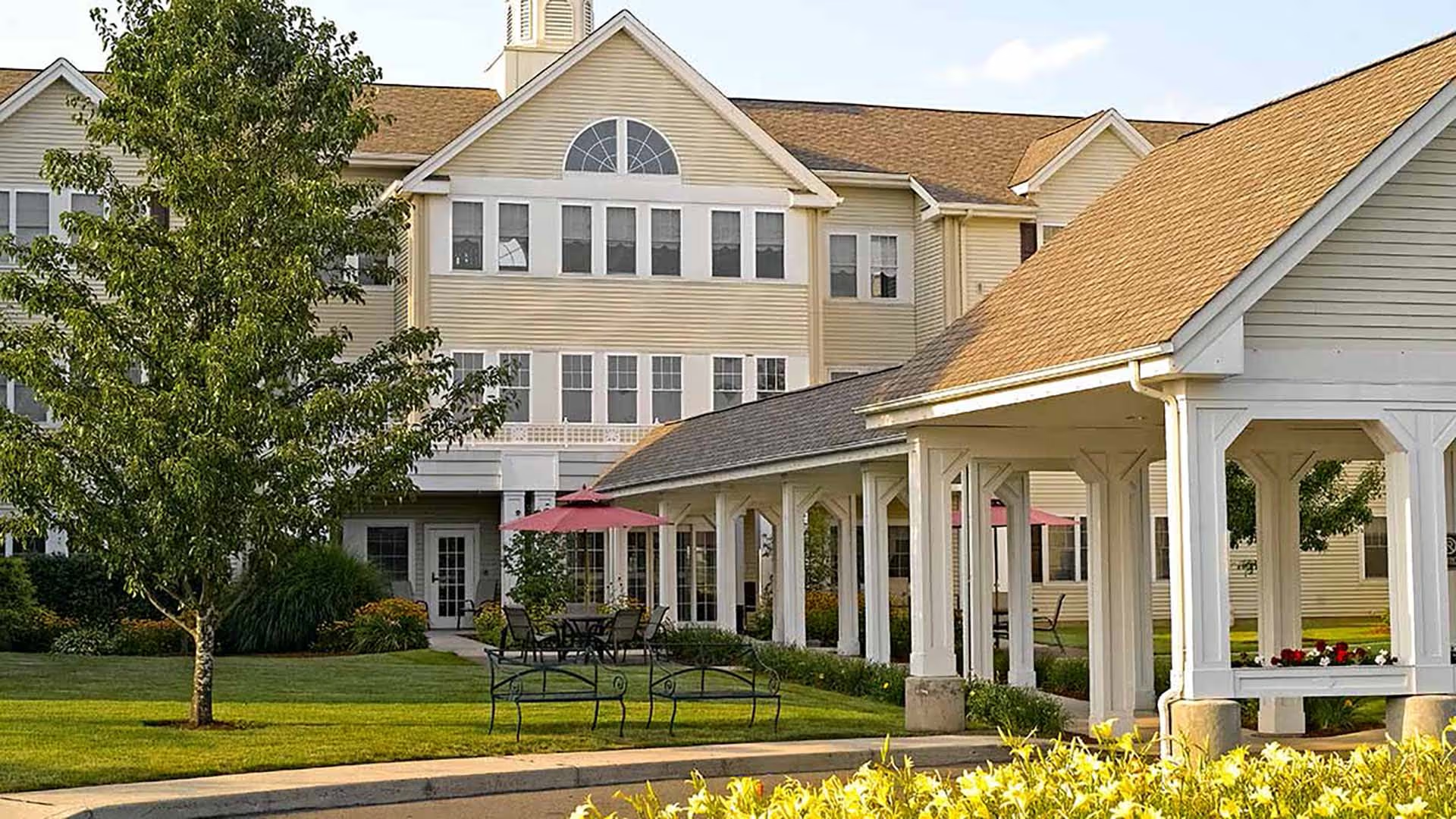
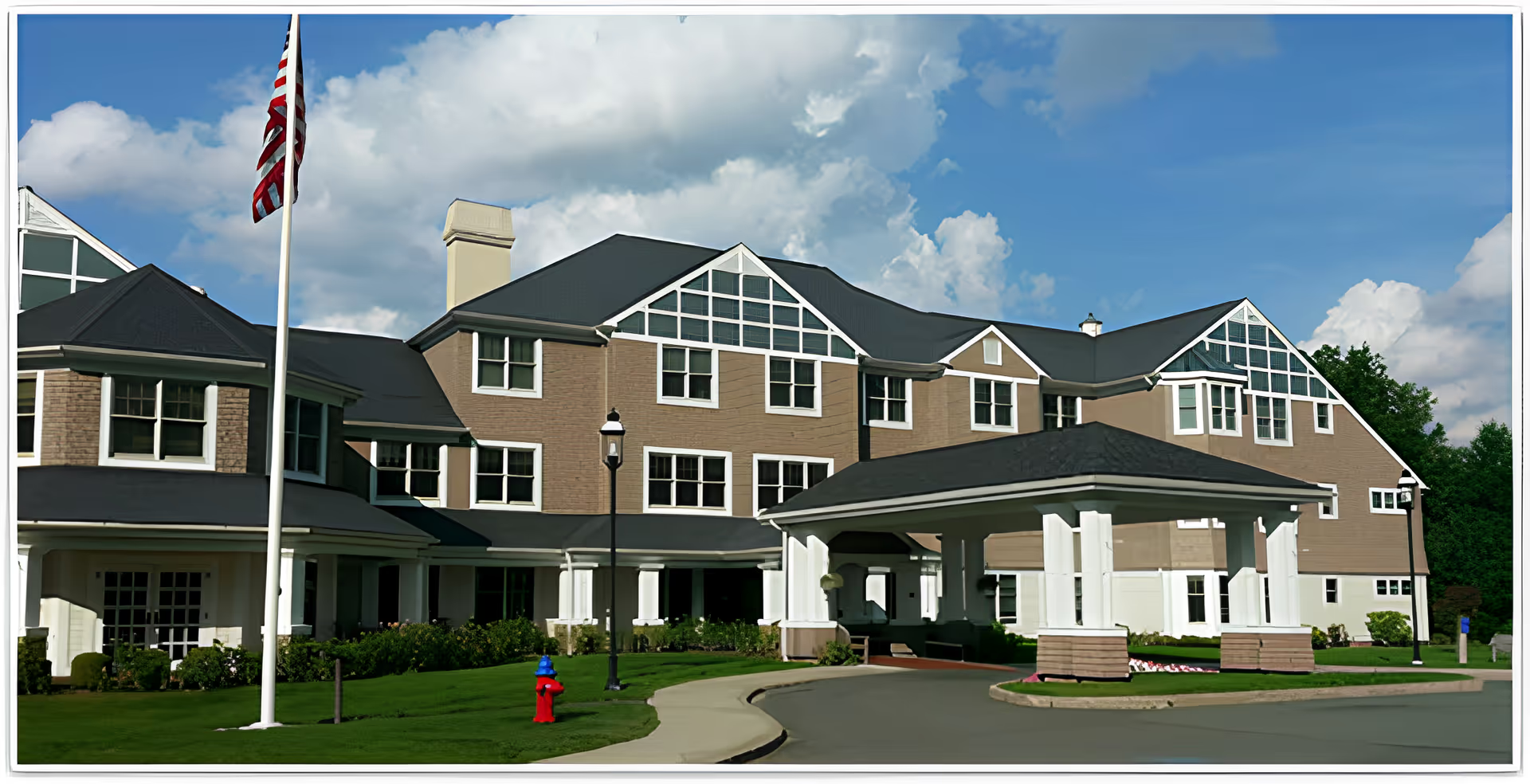
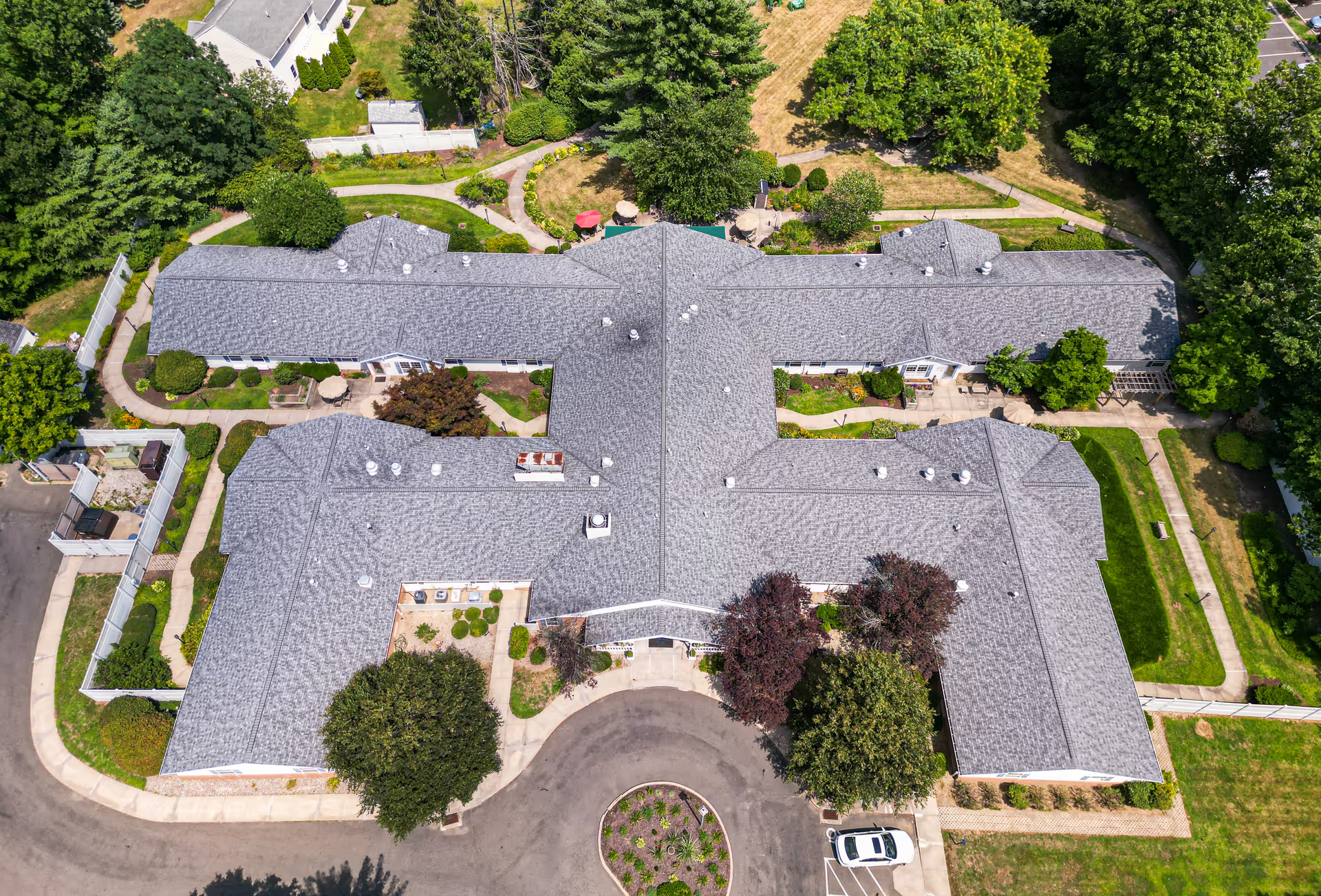
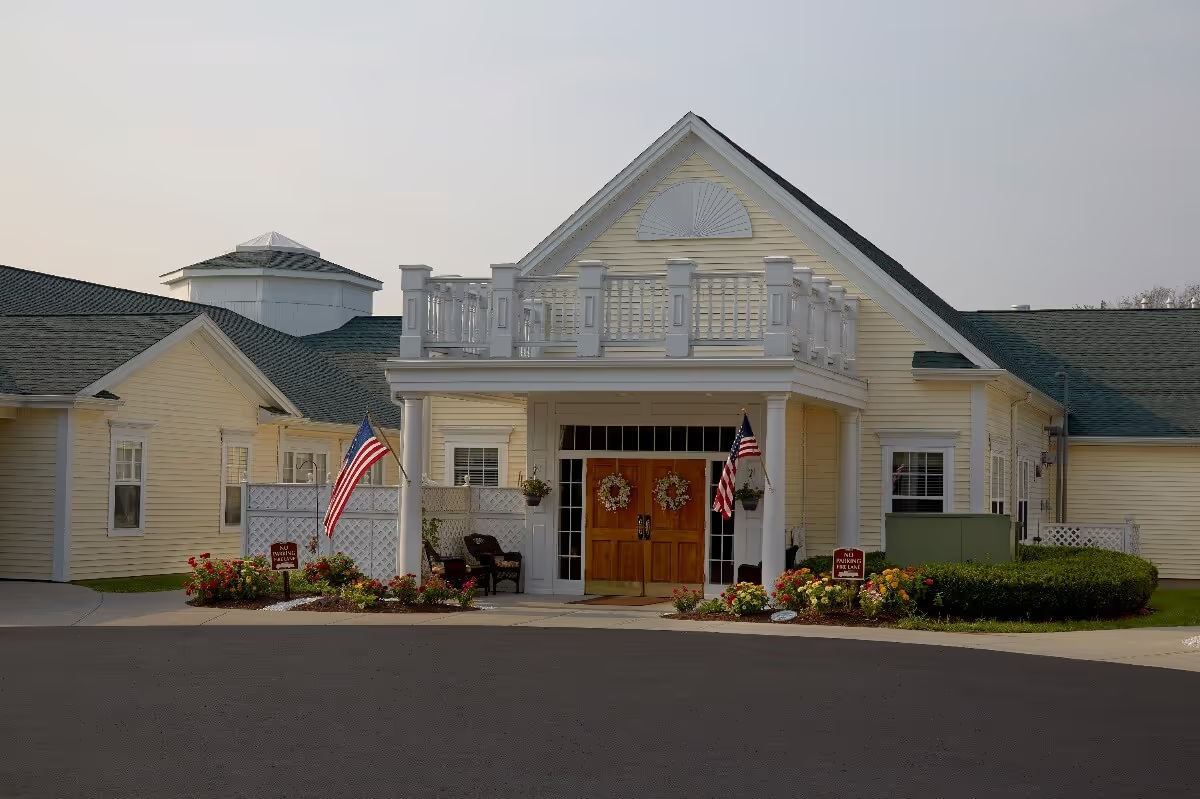
The feedback describes a facility in transition: new leadership and management initiatives have produced visible changes to the property and community life, and many of the social and environmental attributes are cited as strengths. Residents and staff are described as fostering a homey atmosphere with close friendships, frequent social programming including cookouts and events, and a more engaged staff presence. Physical improvements such as exterior upgrades and generally cleaner common areas are noted and contribute to a more welcoming setting.
Care and staff characterizations are mixed. On the positive side, staff engagement and a workplace culture that some call a ‘‘fabulous place to work and live’’ suggest strengths in staffing morale and community-building. At the same time, there are specific concerns about inconsistent staff professionalism, including questions about responsiveness and tone in interactions with residents. These conduct-related issues have implications for perceived care quality and family confidence; prospective families should ask about staff training, supervision, turnover, and incident-reporting procedures.
Dining and activities are described as active assets. Organized events, outdoor cookouts, and regular social programming appear to support resident engagement and peer relationships. While reviewers highlight these positive offerings, there is limited detail about day-to-day meal quality and accommodation of special diets; interested parties should inquire about menus, special-diet support, and frequency of resident-centered activities.
Facility and safety observations are mixed. Recent cleaning and exterior work are positives, but there are pest-control concerns in resident areas and identified gaps in how smoking areas are managed and sited, creating safety and comfort issues for some residents and visitors. Those are operational issues that can affect daily living; prospective residents should request the facility's pest-control plan, smoking policy, and documentation of any recent corrective actions or safety audits.
Management patterns show active change but also unresolved operational risks. New leadership appears to be driving improvements in culture and facilities, and staff morale is noted by some as a strength. However, there are also allegations of regulatory noncompliance that warrant review. Combined with limited bed availability, these patterns suggest a facility that may be improving but still needs to demonstrate consistent operational controls. Families should review state inspection reports, ask for specifics on corrective actions and timelines, confirm current occupancy/waitlist status, and speak with current residents and families to balance the positive community dynamics against the identified operational concerns.