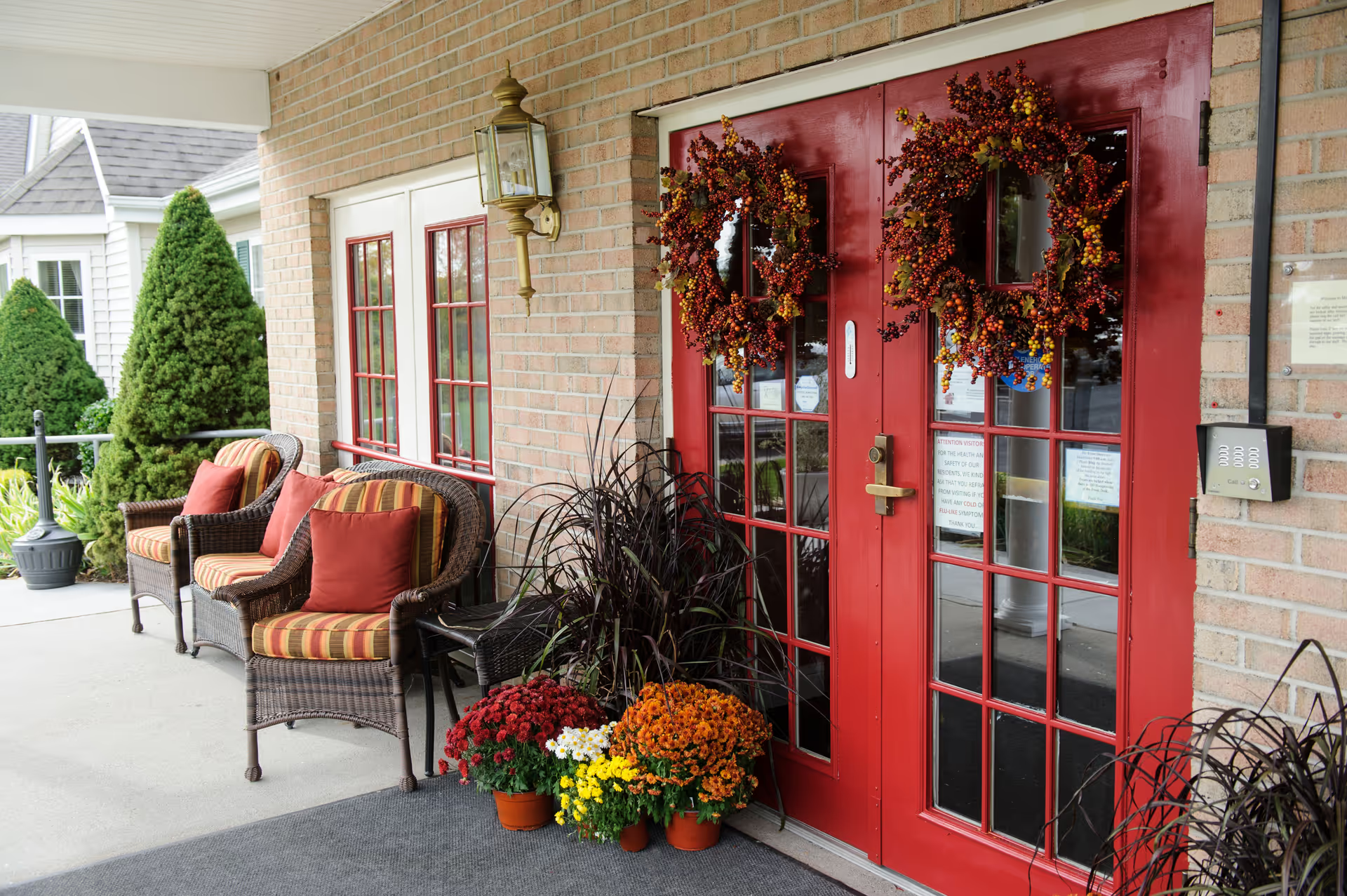
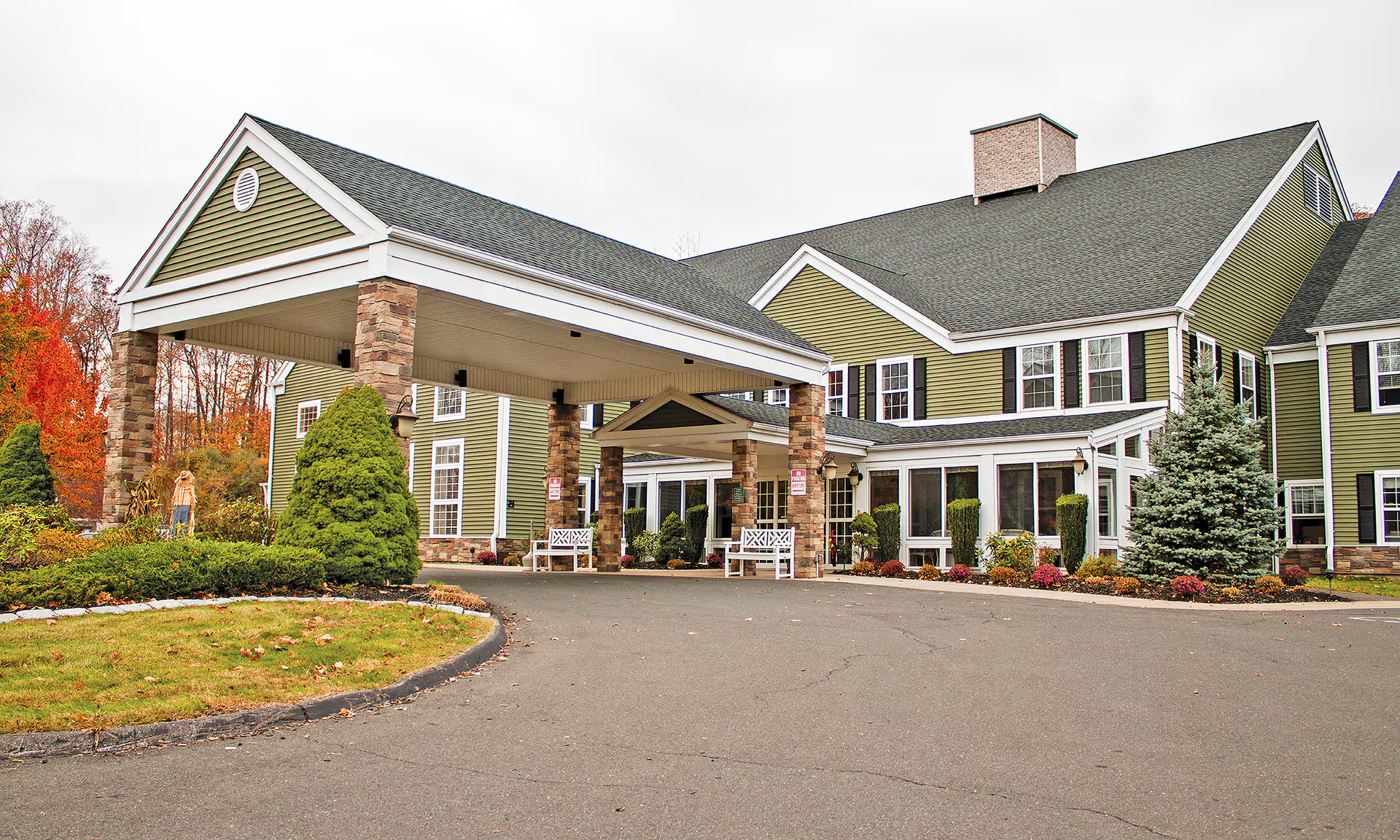
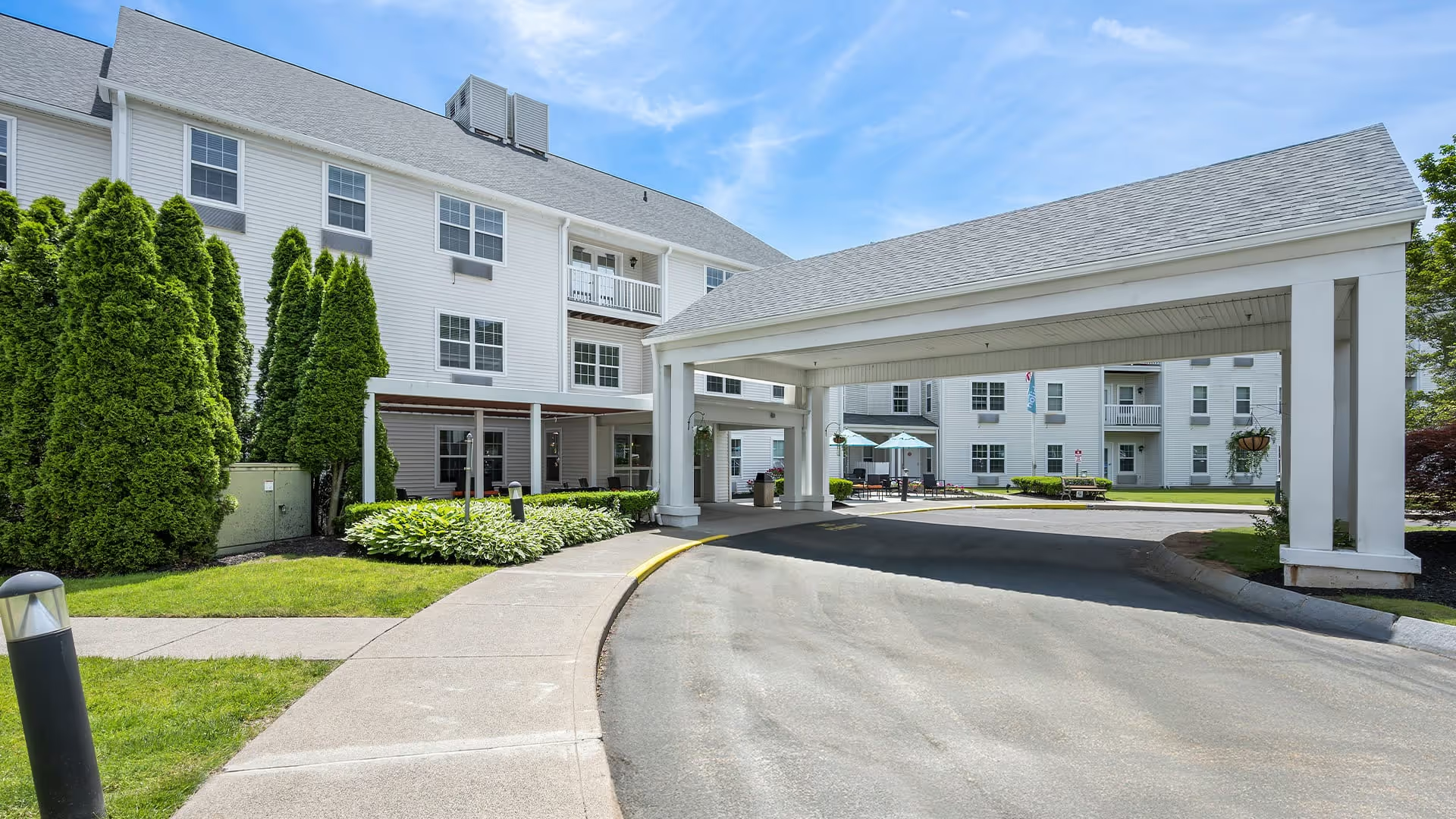
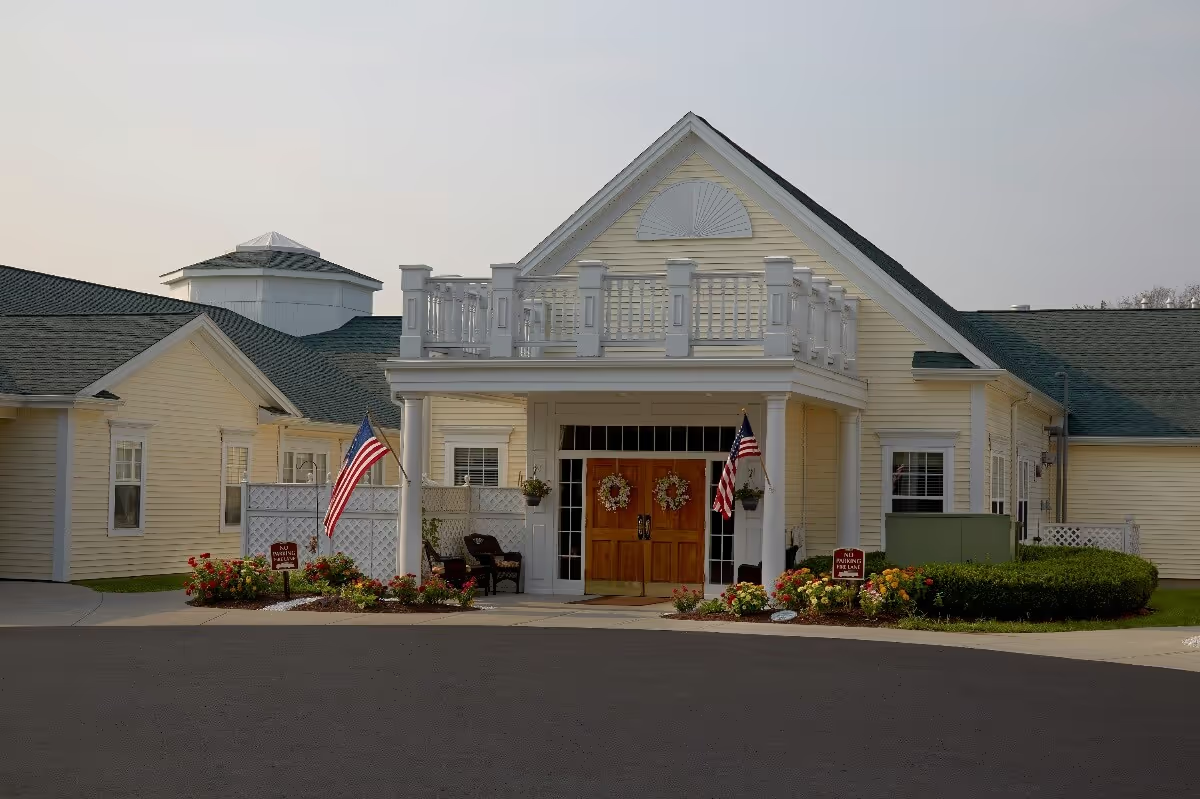
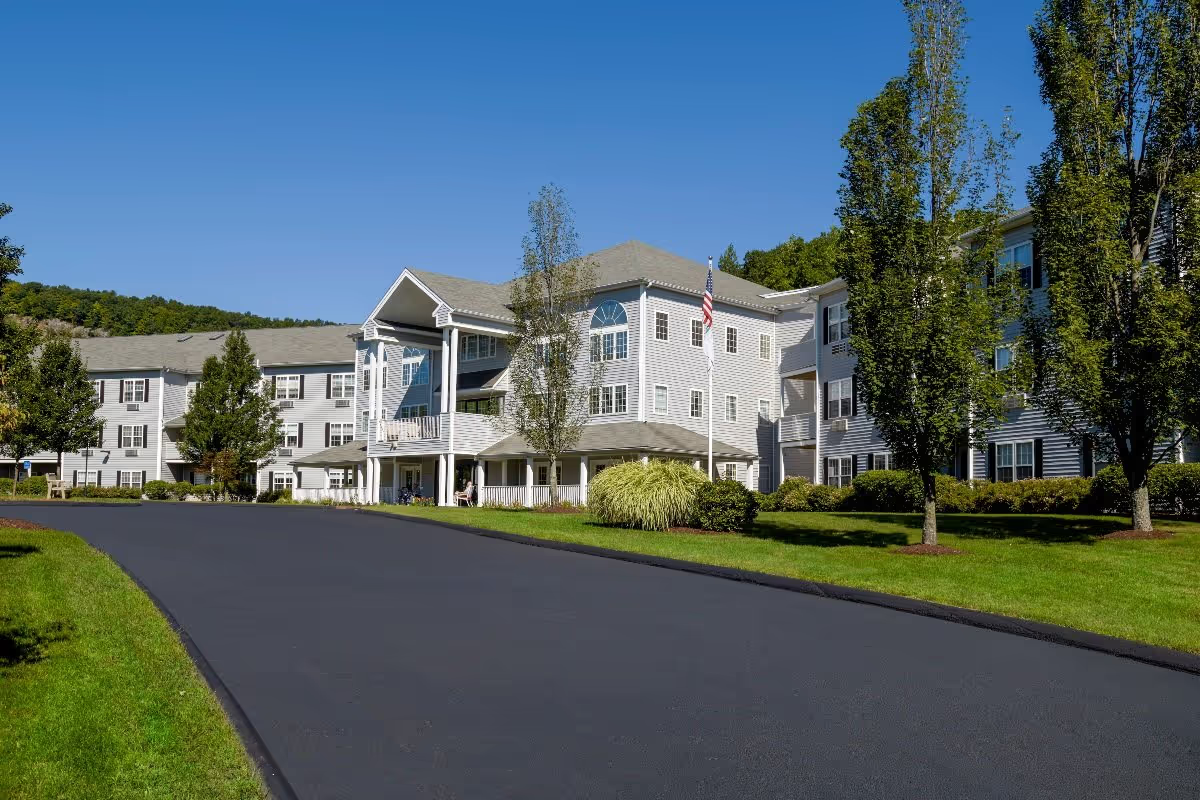
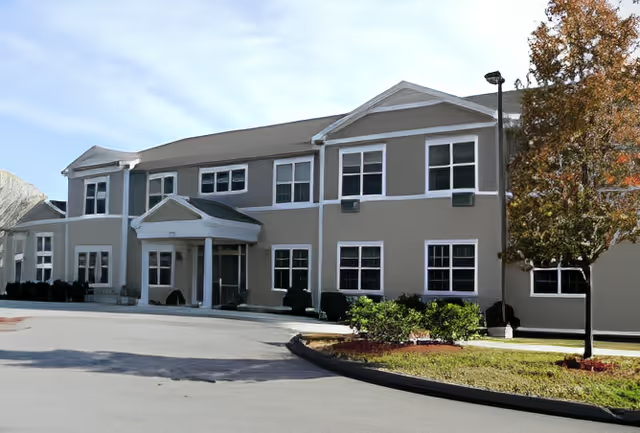
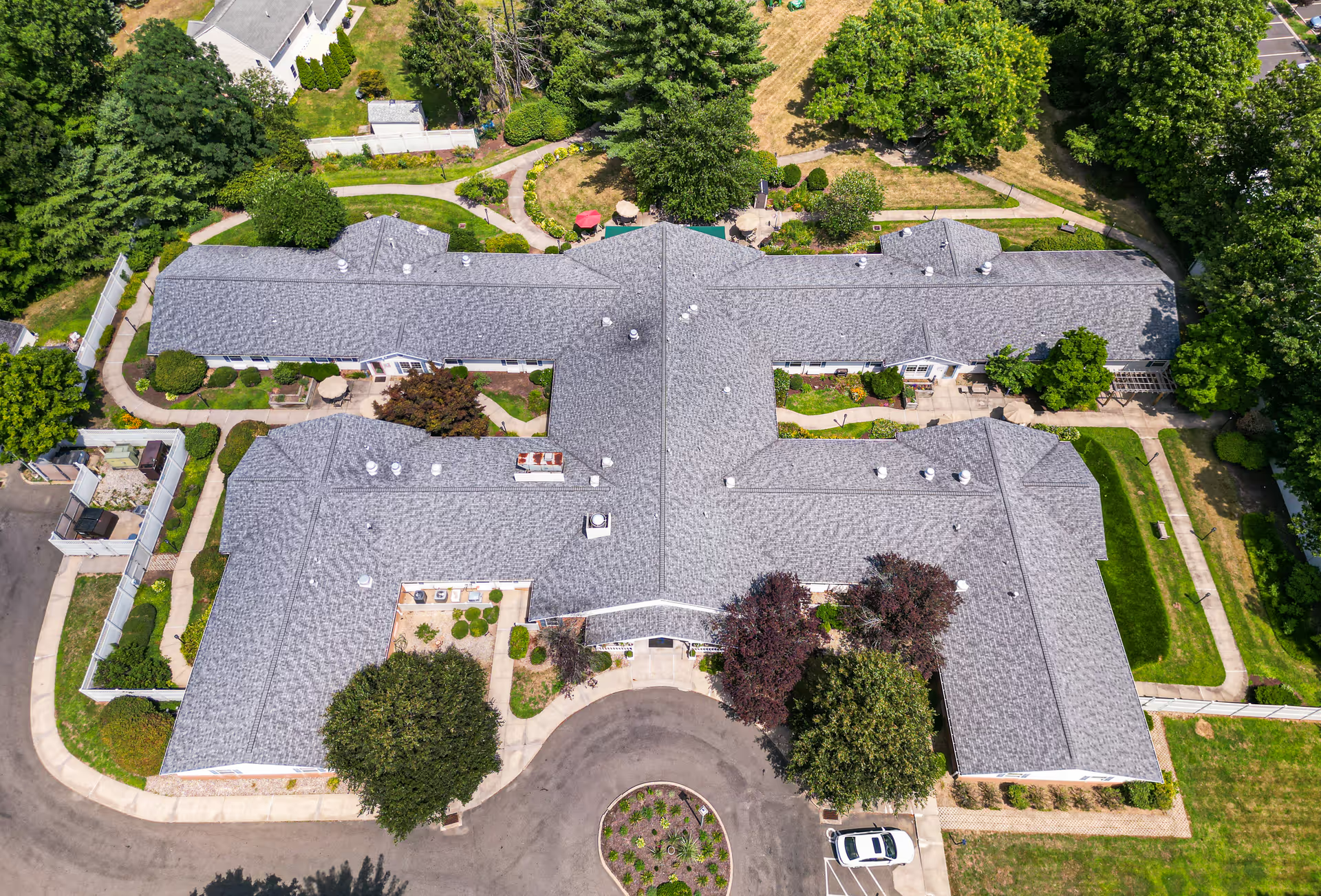
Ledgecrest Health Care Center elicits a mixed picture in the available reviews. Positive comments center on the staff and the direct care residents receive: caregivers are frequently described as compassionate, attentive, and willing to provide personalized or above‑and‑beyond support. Several families noted observable improvements in resident mood and engagement after transfer into the facility, and daytime programming is repeatedly identified as an asset that contributes to socialization and activity. Common areas and parts of the living environment are described as comfortable and well maintained by some reviewers.
Care quality assessments are polarized. Many accounts praise the clinical and personal care delivered by staff members, emphasizing respectful interactions and attentiveness. Conversely, other accounts describe significant lapses in care responsiveness and continuity; these comments point to delays in attending to residents and uneven performance between shifts or units. This pattern suggests variability in day‑to‑day clinical execution rather than a single uniform level of care across the facility.
Operational and environmental issues are recurring themes. Reviewers describe an older physical plant and dated unit layouts that may limit modern conveniences and accessibility. Several reviews raise sanitation concerns in some areas and mention failures in basic provisioning—for example, interruptions to water service and bedding shortages—which indicate weaknesses in supply-chain reliability and facility maintenance. Those operational failures, when they occur, appear to have an outsized negative effect on perceptions of the facility.
Management and administrative practices figure into the critiques. Descriptions of disorganization, supply interruptions, and inconsistent communication point to gaps in oversight that affect resident experience. At the same time, many families single out individual staff members and teams as highly effective; this contrast implies that frontline staff commitment is a strength but that system-level processes (logistics, staffing consistency, and facilities upkeep) may need improvement.
Dining receives little direct comment in the set of summaries provided; no consistent positive or negative pattern is evident. Activities are a clear positive where mentioned, particularly daytime programming that engages residents. In sum, prospective residents and families should weigh the facility’s strong interpersonal care and programming against concerns about the age of the building, episodic sanitation and supply‑reliability issues, and variability in operational consistency. A site visit focused on current maintenance practices, staffing patterns by shift, and examples of how management addresses supply/service interruptions would help clarify whether the positives are the prevailing reality for a given unit or timeframe.