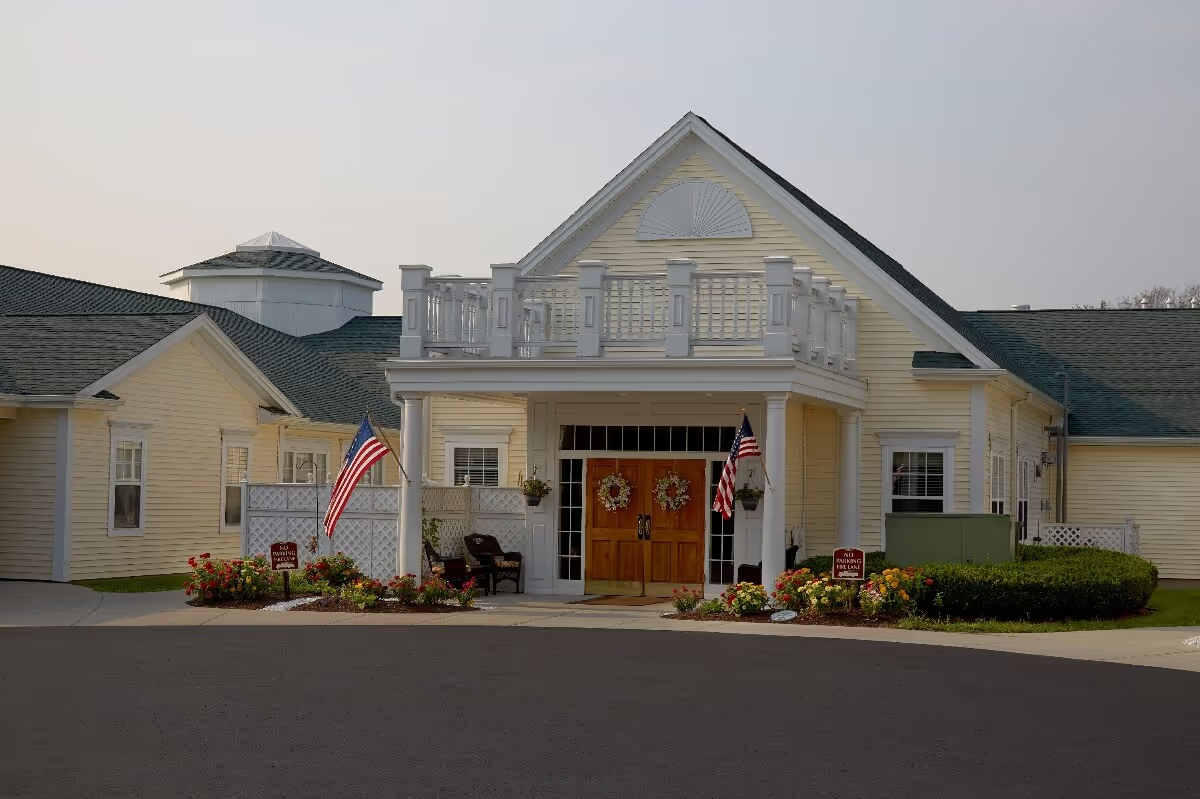
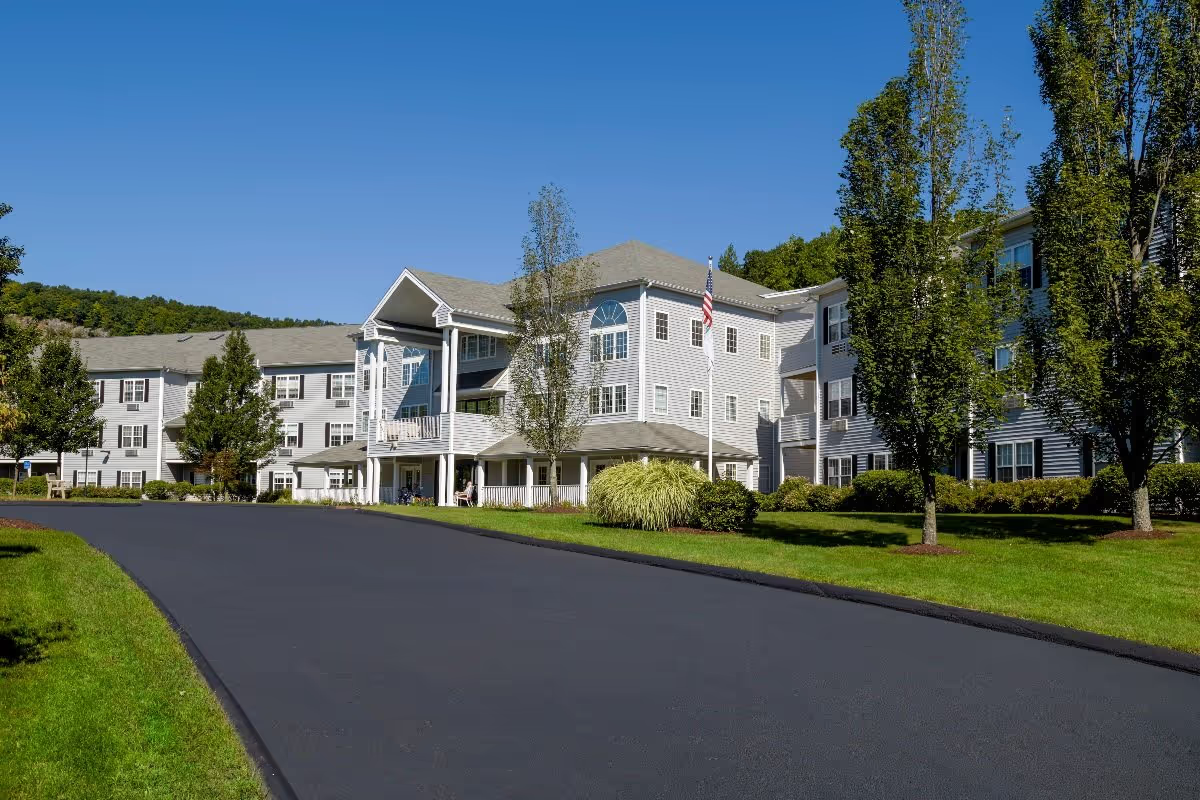
The reviews depict a facility with a mixed performance profile: several families describe deeply compassionate and attentive caregivers, while others describe significant operational weaknesses. Strengths most consistently noted relate to individual staff members and small teams — nurses and aides who provide empathetic bedside care, an active ambassador/advocacy program, and instances of administrators taking personal follow-up to address family concerns. These positive elements suggest pockets of reliable, resident-centered practice that some families found reassuring, particularly during end-of-life care or rehabilitation coordination.
Care quality appears inconsistent. Positive accounts emphasize attentive nursing and aides who build rapport and follow through on personal-care needs. Conversely, other accounts describe delayed medication administration, recurring medication supply shortages, and missed routine care tasks such as dressing changes. These descriptions point to variable clinical-workflow reliability and potential gaps in medication-management and staffing coverage that could affect continuity of care.
Dining and dietary management are recurring concerns. Multiple reviewers described cold meals, limited meal availability, and items running out during service; a few specifically raised food-safety and storage issues. Taken together, these indicate inconsistent meal-service execution and potential weaknesses in kitchen operations, inventory control, and food-safety oversight that families should review closely during a visit.
Facilities and programming present practical limitations. Room-level issues include small shared bathrooms that may impede mobility-assist devices, limited in-room amenities (no fridges, limited lighting, lack of bedside lamps or commode chairs), reachable-call systems that are sometimes inaccessible, and general accessibility constraints for residents using walkers or transfer equipment. Activity programming was characterized as low in complexity by some reviewers, suggesting limited engagement options for more active residents.
Management and staff conduct show variability. Several reviewers praised the ambassador program and responsive administrators who personally addressed complaints. At the same time, others reported unprofessional staff behavior, poor phone responsiveness, long hold times, and concerns about leadership conduct affecting staff morale. Cleanliness and sanitation concerns in rooms and communal spaces were also raised, indicating inconsistent housekeeping and environmental standards across units.
Notable patterns: the feedback is polarized — strong, positive individual caregiver experiences coexist with repeated operational complaints around medication handling, meal service, staffing reliability, and facility amenities. Prospective residents and families should consider an in-person assessment focused on medication-safety protocols, kitchen hygiene and meal scheduling, staffing ratios on the unit(s) of interest, accessibility of bathrooms and rooms for mobility devices, and the presence and activity of the ambassador/advocacy program. Observing mealtime, staff responsiveness to call bells, and asking management about recent corrective actions and staffing continuity may help clarify whether the facility's strengths align with the resident's needs.