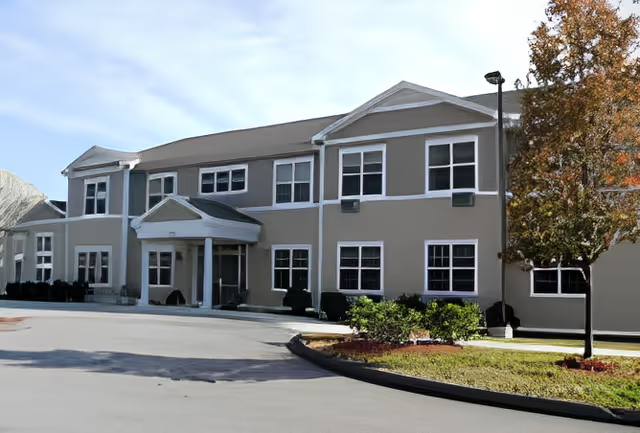
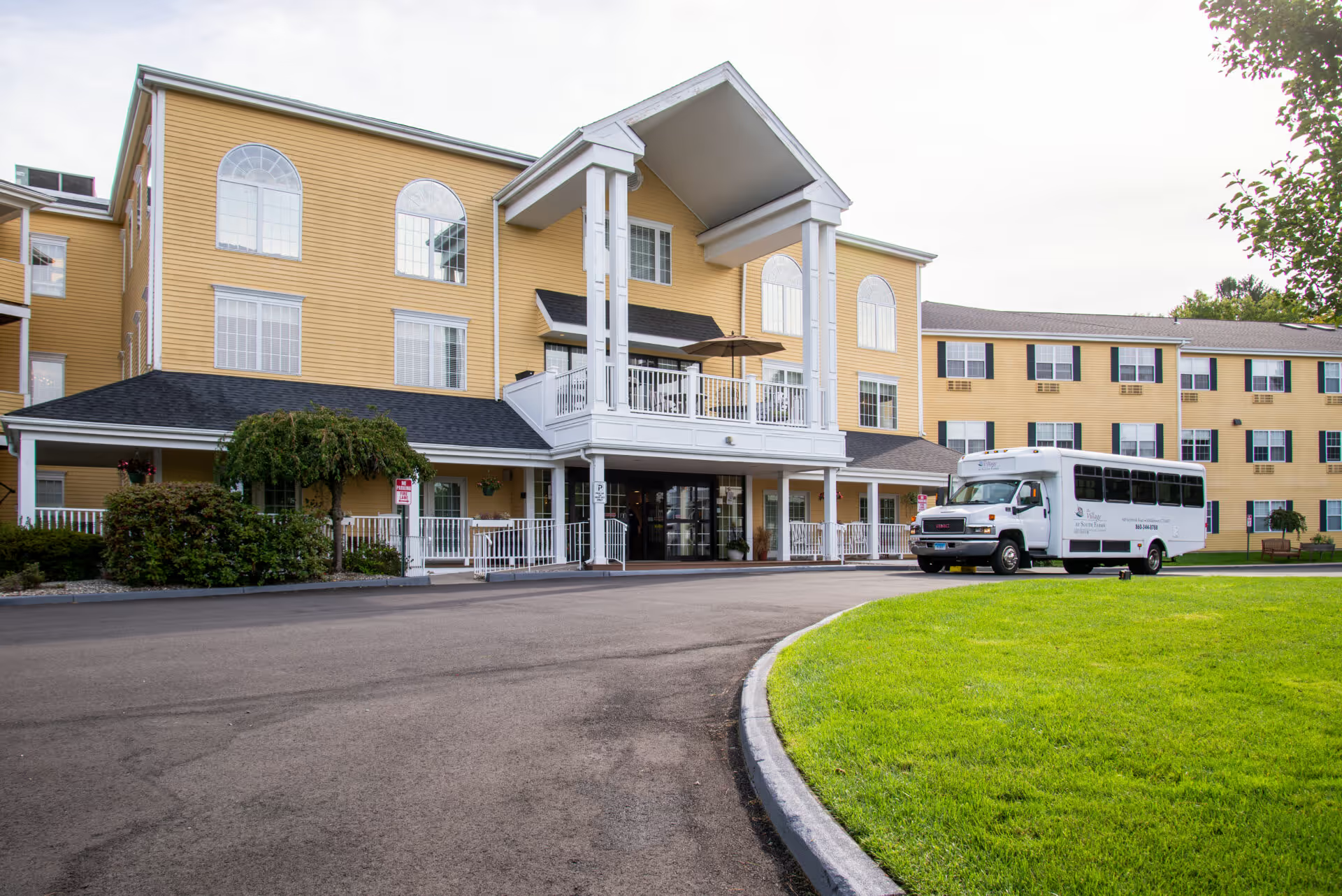
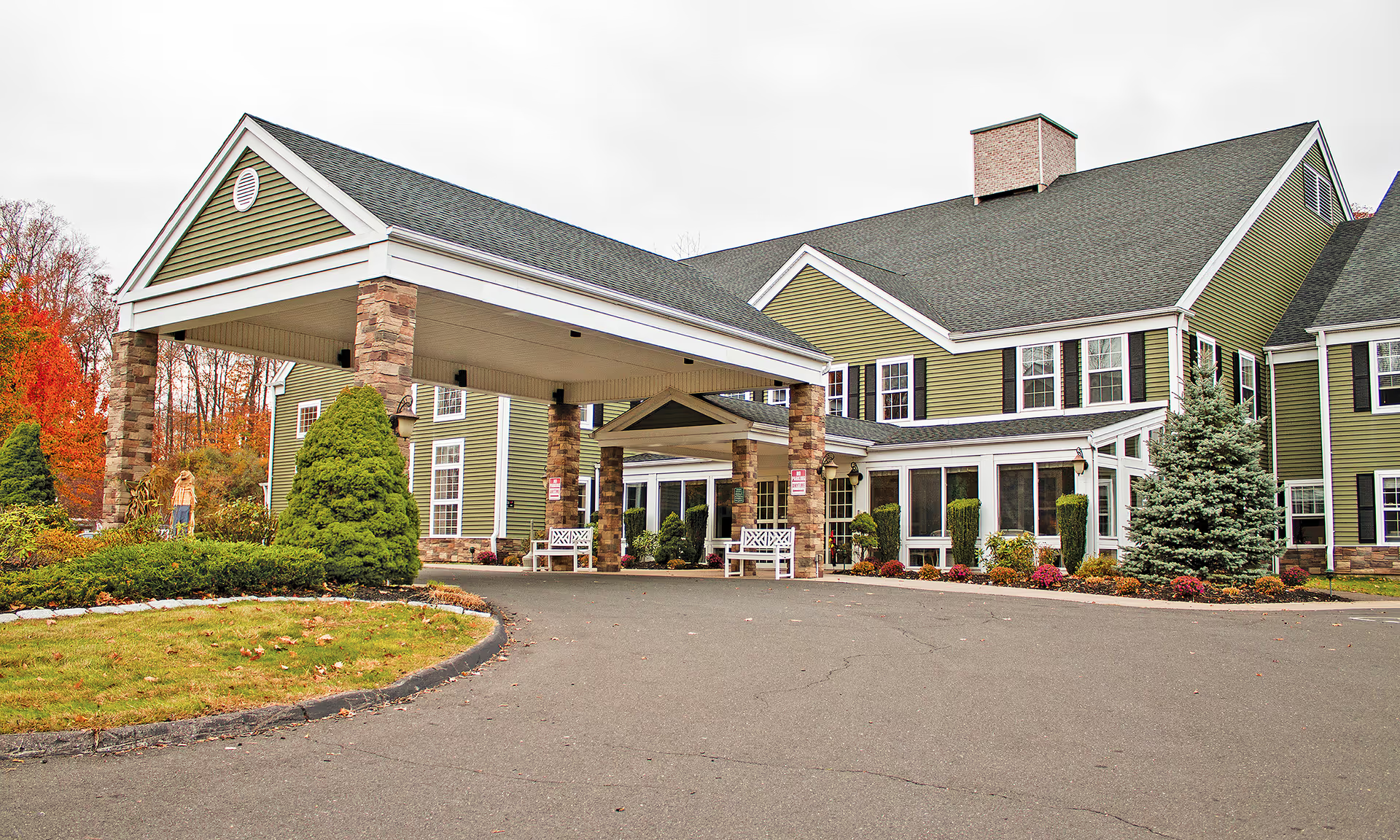
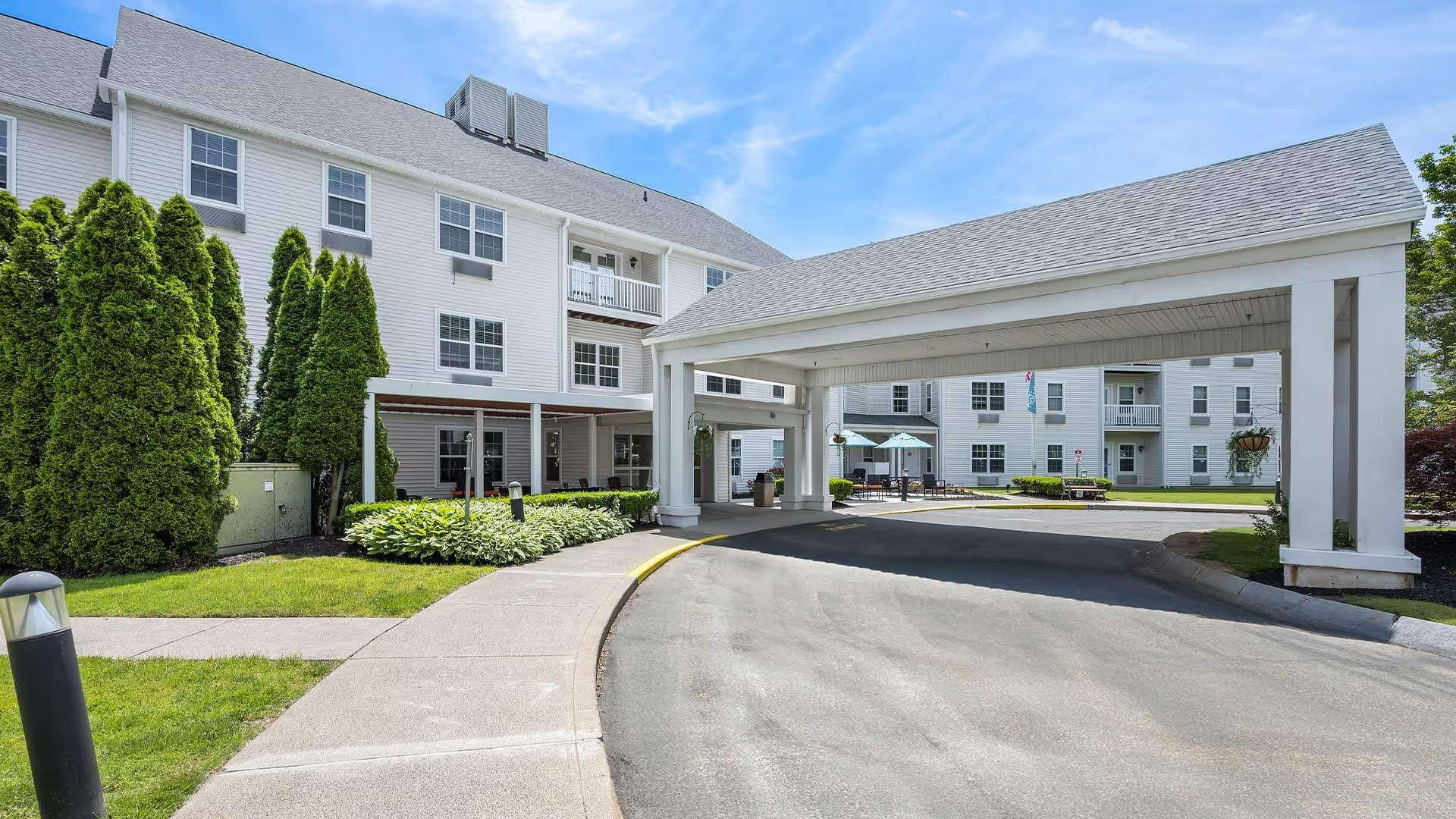
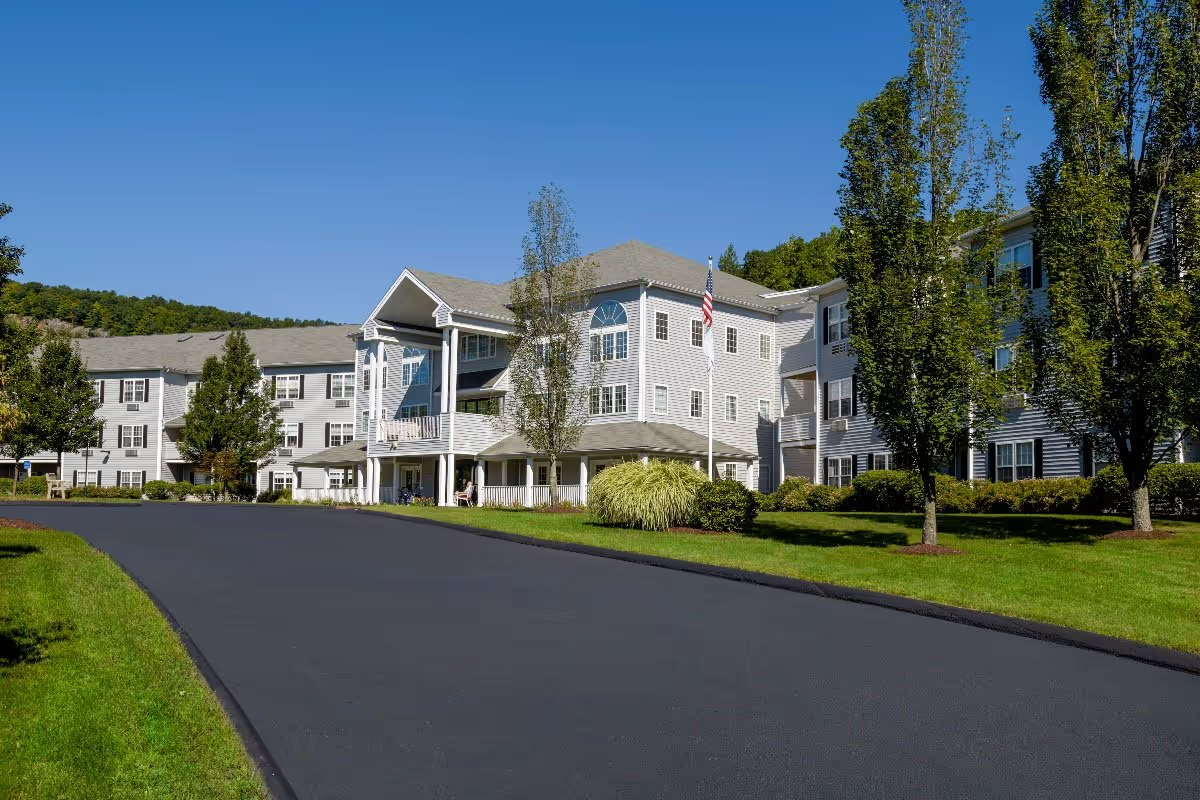
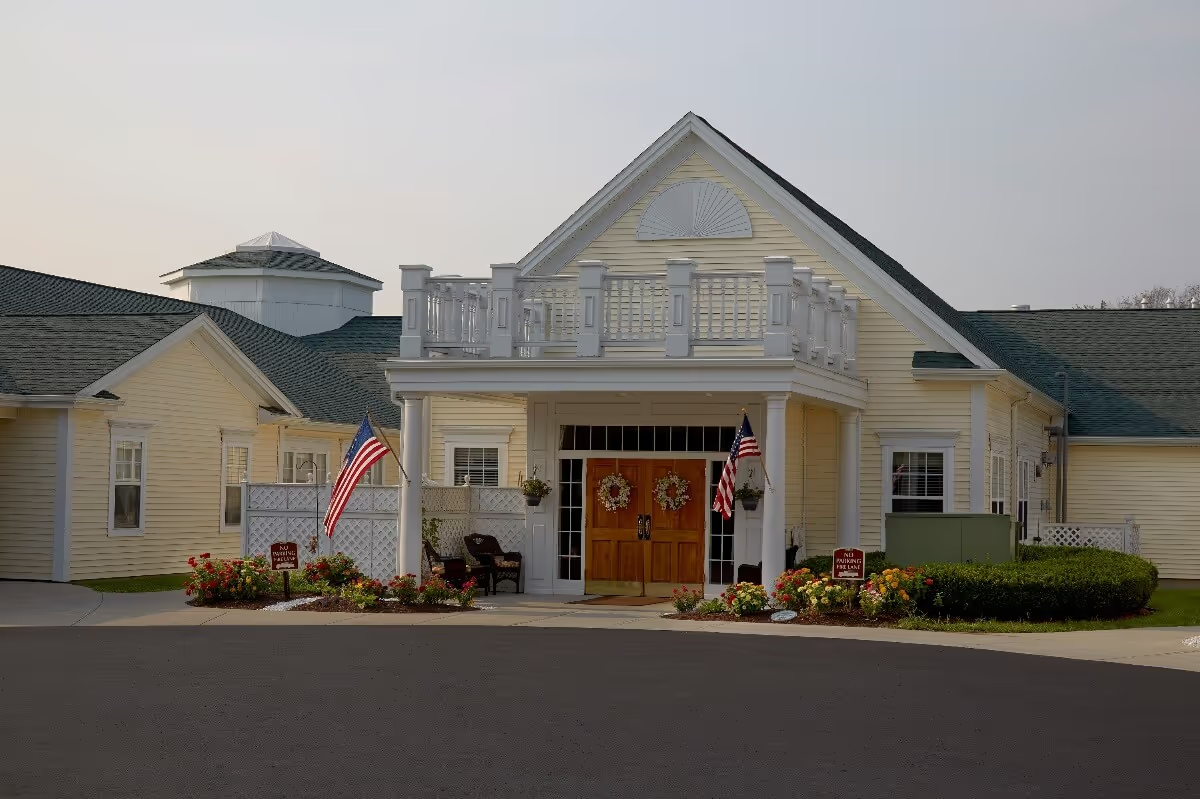
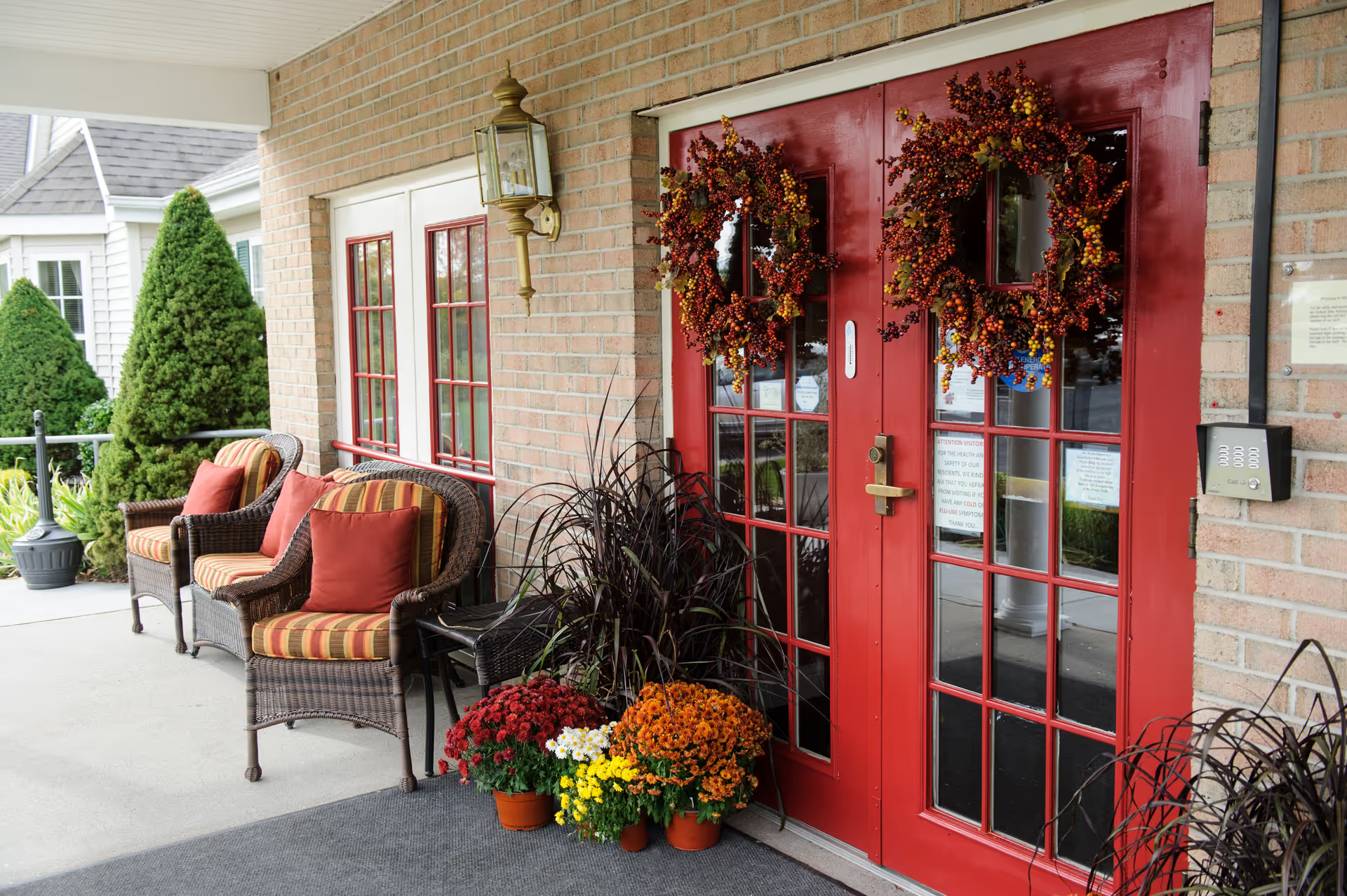
The reviews present a mixed picture of care at this facility. Several families and residents praised the therapy department, certain nurses, and specific aides for their clinical skill and compassionate care; physical and occupational therapy in particular consistently receives positive mention. The building itself is commonly described as clean and well maintained, with no pervasive odor concerns. At the same time, there is a clear pattern of operational weaknesses that affect day-to-day resident experience.
Staffing and direct care emerge as the most frequently cited issues. Reviewers described persistent understaffing—notably on second shift—which correlates with long waits for assistance, delayed toileting help, and constrained assistance for activities of daily living. High turnover among aides and inconsistent caregiver continuity were also noted, creating variability in resident support. While some nurses and aides receive praise for their competence and attentiveness, language barriers among some clinical staff and uneven performance across shifts contribute to inconsistent care quality.
Clinical processes and safety-related functions show specific gaps. Multiple reviews point to problems with medication administration and documentation, delayed vital-sign monitoring, and delays in clinical escalation or hospital transfers in urgent situations. Family members reported frustration with discharge planning and coordination, and there are recurring comments about slow processing of medical records and occasional supply shortages that impede care. These patterns suggest weaknesses in both on-site clinical leadership and the facility’s coordination with outside providers.
Dining and activities present a contrast. Dining-room meals are described as more substantial, and some families found kitchen staff competent; however, in-room meal service is frequently characterized as inadequate, with complaints about cold or canned food, incorrect orders, and repetitive menus. Activity programming is described as limited in scope or frequency by several reviewers, which may affect resident engagement for longer stays.
Management and communication receive mixed assessments. Positive experiences include staff who maintain clear, ongoing communication with families. Conversely, other families described poor responsiveness from management and social-work or case-management personnel, difficulty obtaining records, and problematic discharge or transfer coordination. A few accounts raise serious concerns about how escalation and family communication were handled during medical events; these underscore the importance of clarifying escalation protocols and family-notification procedures before admission.
Overall, the facility appears to offer strong rehabilitative services and has many individual staff who provide attentive care, but systemic issues—notably understaffing, inconsistent medication and clinical processes, in-room meal-service variability, and weaknesses in case management—create variability in residents’ experiences. Prospective residents and families should consider asking specific questions about staffing levels on relevant shifts, medication-administration protocols, in-room meal options, therapy services, and the facility’s process for emergency escalation and medical-record access when evaluating this facility.