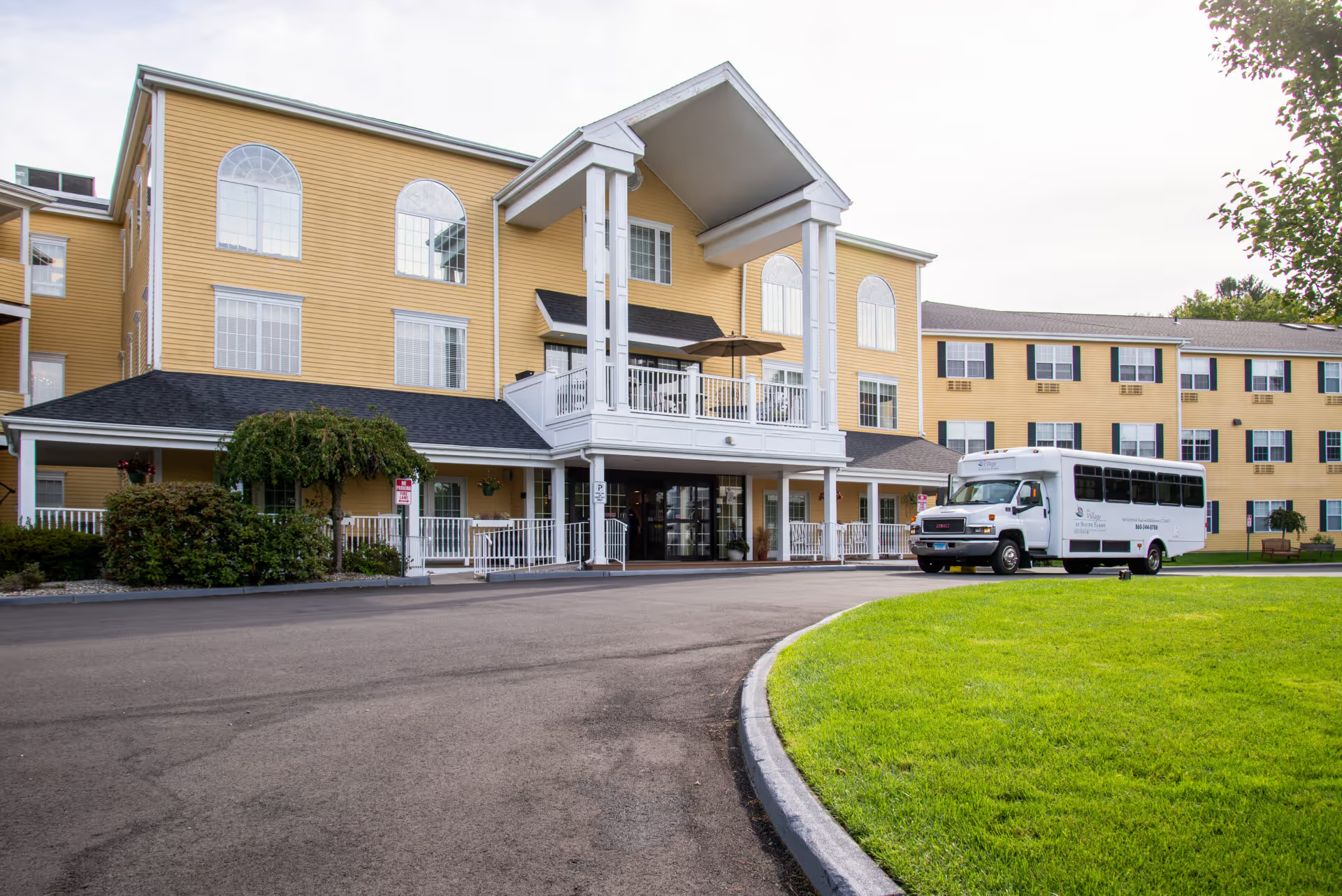
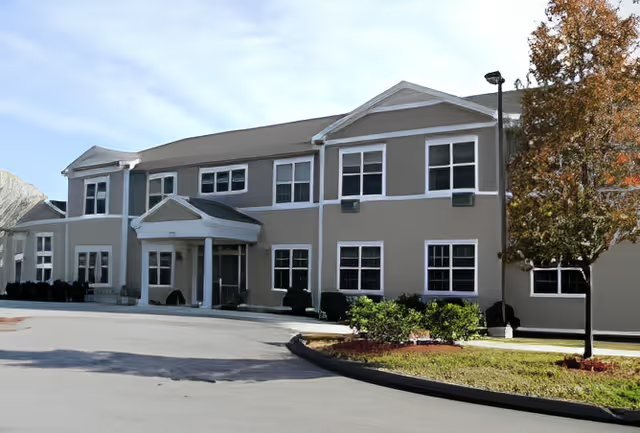
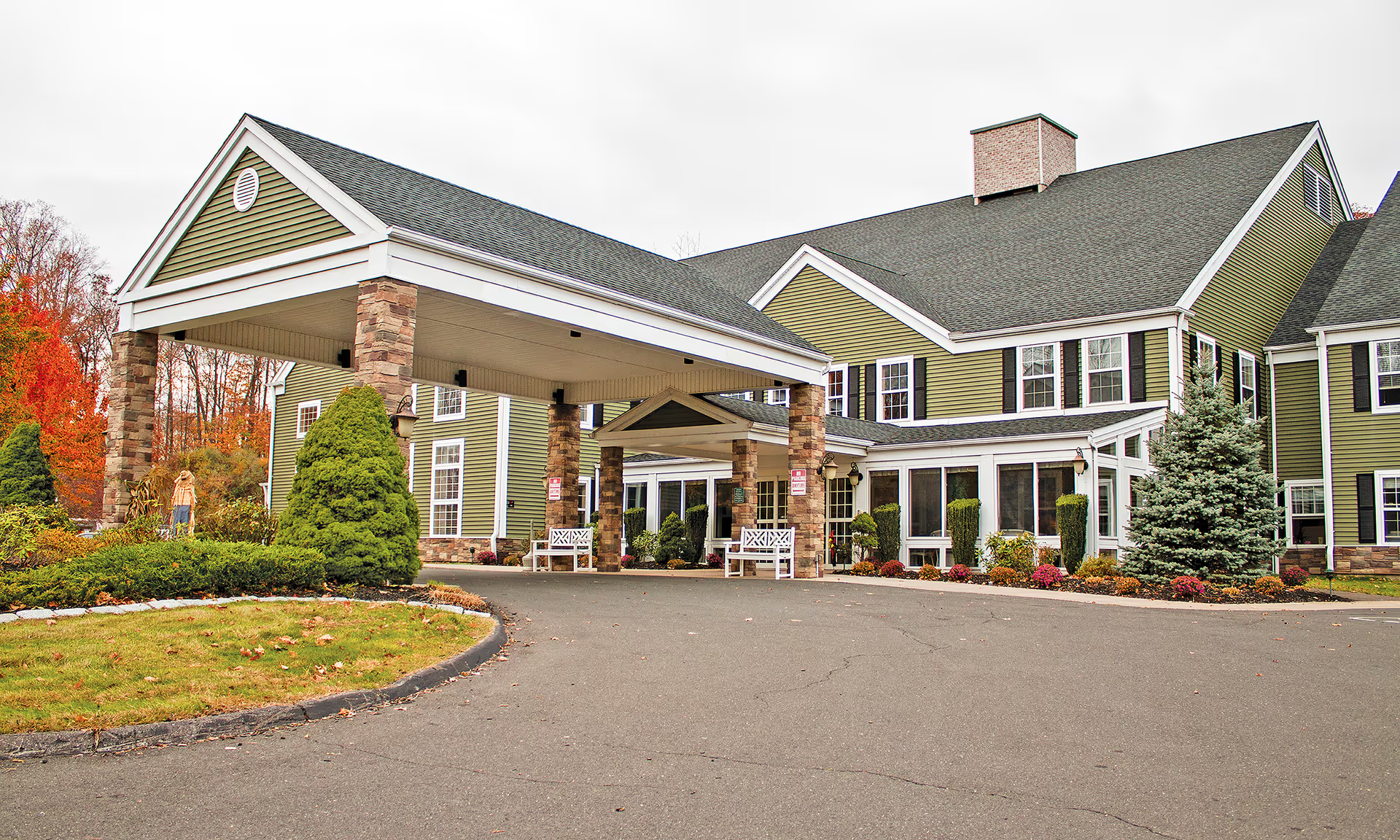
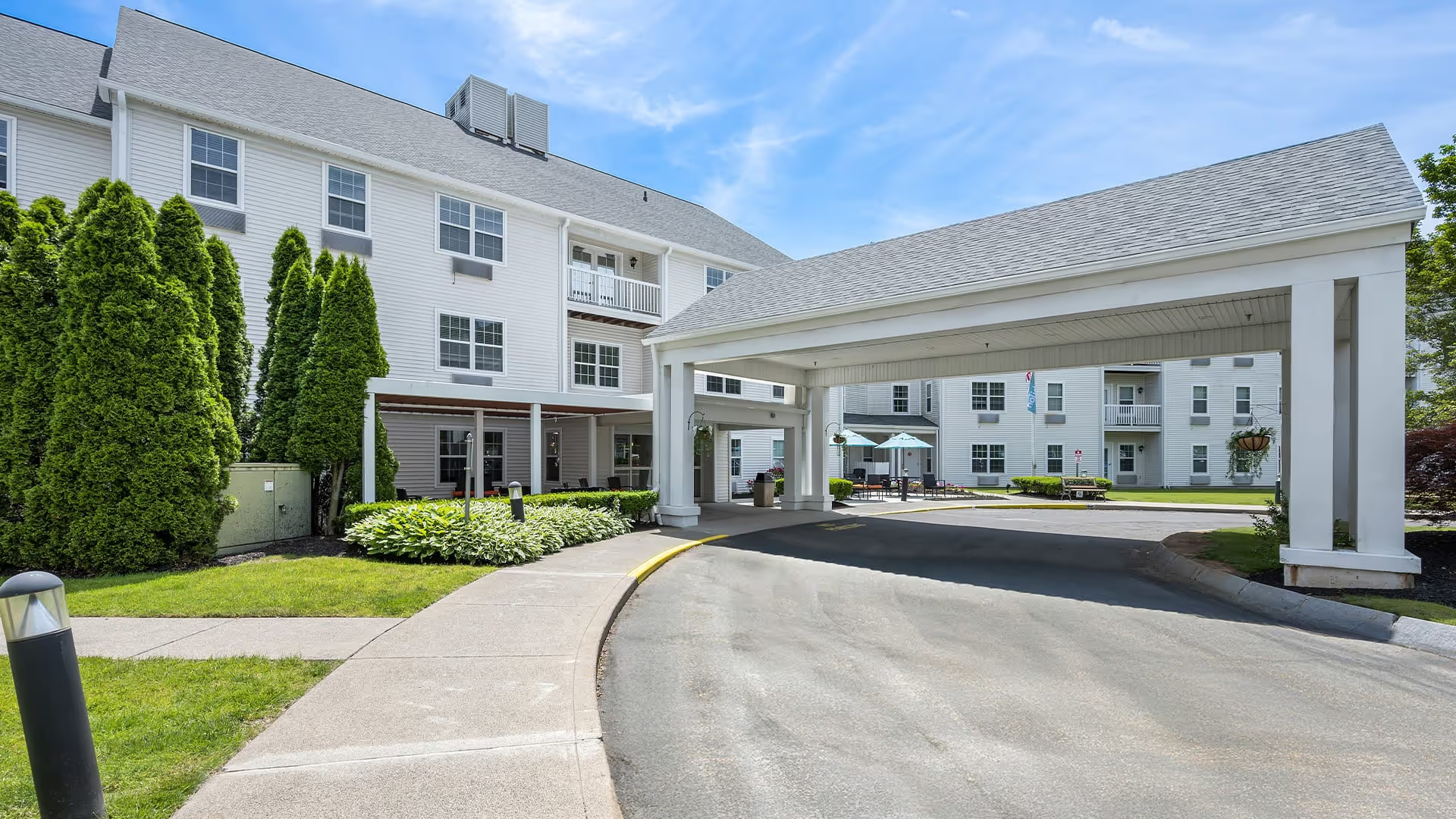
Water’s Edge Center for Health and Rehabilitation elicits a wide range of experiences. Many accounts emphasize a core strength in direct caregiving: nursing aides and nurses are frequently described as compassionate and attentive, and families often highlight strong rehabilitation services (physical therapy, occupational therapy, and wound care). The facility’s common areas, private rooms, well-stocked library, game room, salon, and shuttle service receive positive remarks, and several families noted a welcoming admissions process and helpful customer-service staff. In some cases management responsiveness appears effective: reviewers noted final-week clinical improvements and administrative apologies that accompanied corrective action.
Care quality appears to be variable. Positive reports describe frequent in-room check-ins, clear family updates, coordinated team-based care and thorough rehab plans that improved mobility and function. Contrasting accounts identify operational weaknesses: delays in medication administration, incomplete medication delivery, and inconsistent responsiveness to call bells; these issues were sometimes associated with specific shifts or weekends. There are also descriptions of uneven staff competency and continuity — when staffing levels are adequate the care is praised, but reduced coverage or turnover correlates with delayed responses and missed tasks.
Dining and basic-care logistics show notable variability. Several reviewers described substantial improvements in food quality — hot, flavorful meals served in a pleasant dining environment — while others described earlier problems with cold or unappealing meals, missed menu selections, or portions lacking sides. Meal-service inconsistency and failures to provide beverages or timely assistance were recurring operational themes. Relatedly, families reported occasional delays in provision of basic care items and hydration.
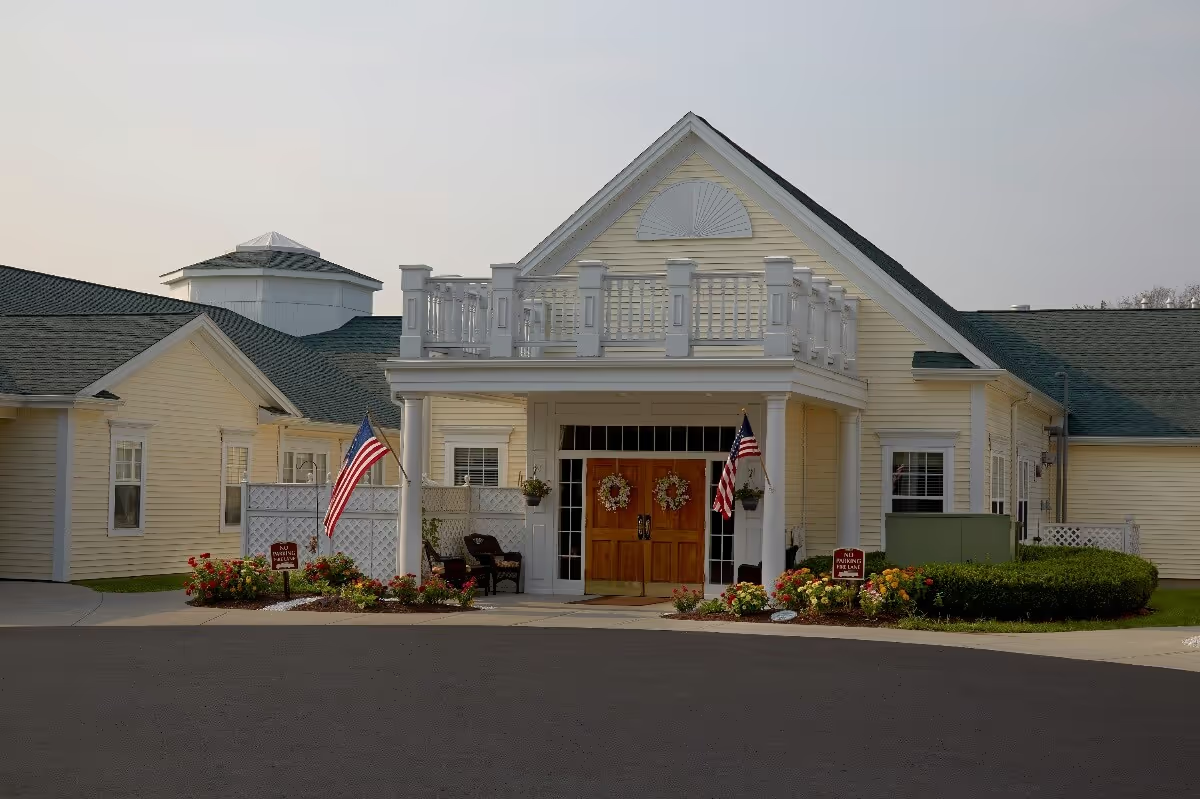
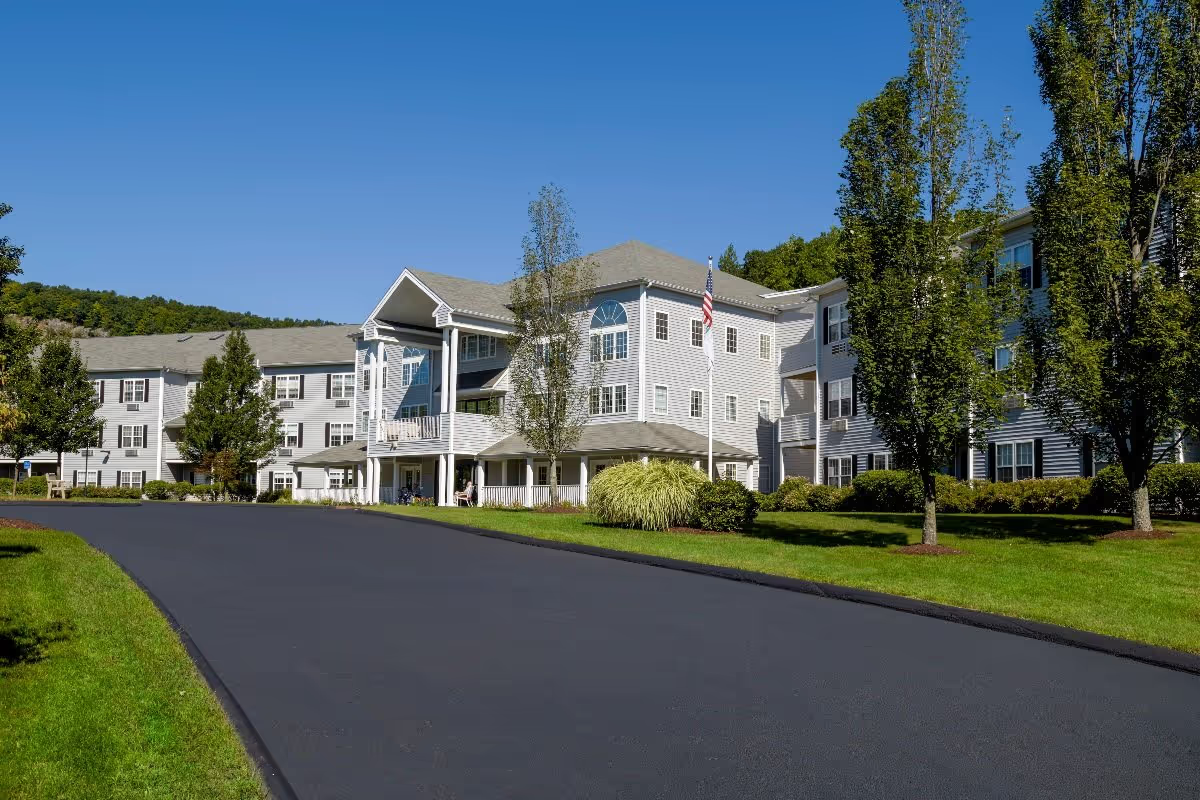
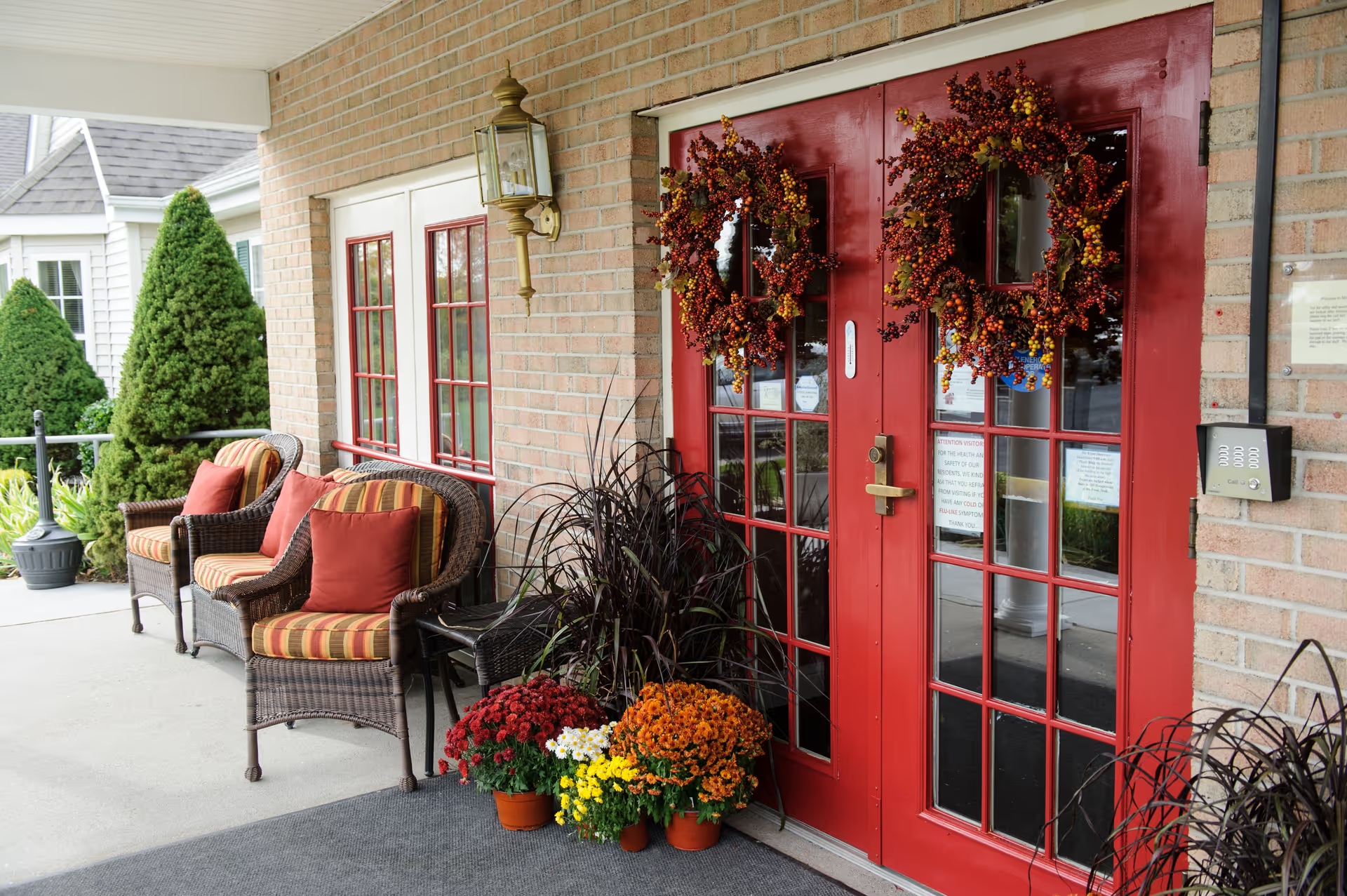
Activities and facility environment are consistent strengths. The facility is frequently described as clean, fresh-smelling, and well maintained, with active recreational programming, spiritual services, and social engagement opportunities. Housekeeping and common-area maintenance are commonly praised, and therapy spaces and equipment were noted as helpful to recovery.
Management, communication, and safety processes present mixed signals. Positive experiences include clear discharge planning, effective screening procedures, and proactive family communication. Conversely, there are repeated mentions of communication gaps — difficulty reaching social work or administration, inconsistent family updates, and slow or unhelpful phone responses. Maintenance control issues (room temperature, lights or doors left open) and concerns about personal-item security surfaced in multiple accounts; one or more reviews raised serious concerns about missing belongings. A small number of reviews referenced concerns following a resident’s death and delays in critical medications; these are individual but serious issues that prospective families should probe further.
Overall pattern: Water’s Edge demonstrates clear operational strengths in compassionate bedside care, rehabilitation services, and facility upkeep, alongside recurring operational weaknesses in medication administration, staffing consistency, meal-service reliability, and some aspects of communication and property security. Prospective residents and families would benefit from targeted questions during tours and admissions — for example, asking about weekend staffing, medication-administration protocols and audit processes, meal substitution policies, procedures for safeguarding personal items, and how the facility communicates care updates — to assess whether the current operational practices align with their expectations.