The reviews present a mixed but distinct pattern: Bel-Air Manor receives frequent praise for direct clinical and rehabilitation services while showing recurring operational weaknesses that affect long-term care consistency. Many accounts describe highly capable therapy teams, attentive nurses and CNAs, bright rehab spaces, and an active recreation program; these strengths make the facility a strong candidate for short-term post-acute rehabilitation when therapy intensity and equipment matter.
Care quality is uneven. Positive experiences emphasize compassionate nursing and aide-level care, successful short-term therapy outcomes, and staff who proactively support participation in activities. However, there are repeated accounts of medication delays, missed or late doses, and lapses in medication tracking. Personal-care support is another area of variability: while some residents receive timely assistance, others experienced delayed bathing, toileting, or continence support, which points to inconsistent care delivery tied to staffing patterns.
Staff and teamwork show the facility’s greatest contrasts. Numerous reviewers single out individual caregivers and supervisors as dedicated, skilled, and responsive; these staff members are frequently credited with positive recoveries and good everyday interactions. At the same time, reviewers described episodes of unprofessional conduct, interpersonal conflict among staff, and poor coordination between shifts. Chronic understaffing—particularly on weekends and evenings—is a recurring theme and appears linked to slow call-bell response times and reduced oversight.
Dining and nutrition receive mixed evaluations. Several families praised accommodating dietary staff and satisfactory meals, but an almost equal number raised concerns about repetitive or bland menu items, missed meal-service elements (utensils, beverages), and instances where special-diet instructions or allergy precautions were not consistently followed. These inconsistencies elevate risk for residents with strict dietary or allergy needs and suggest gaps in meal-service processes and documentation.
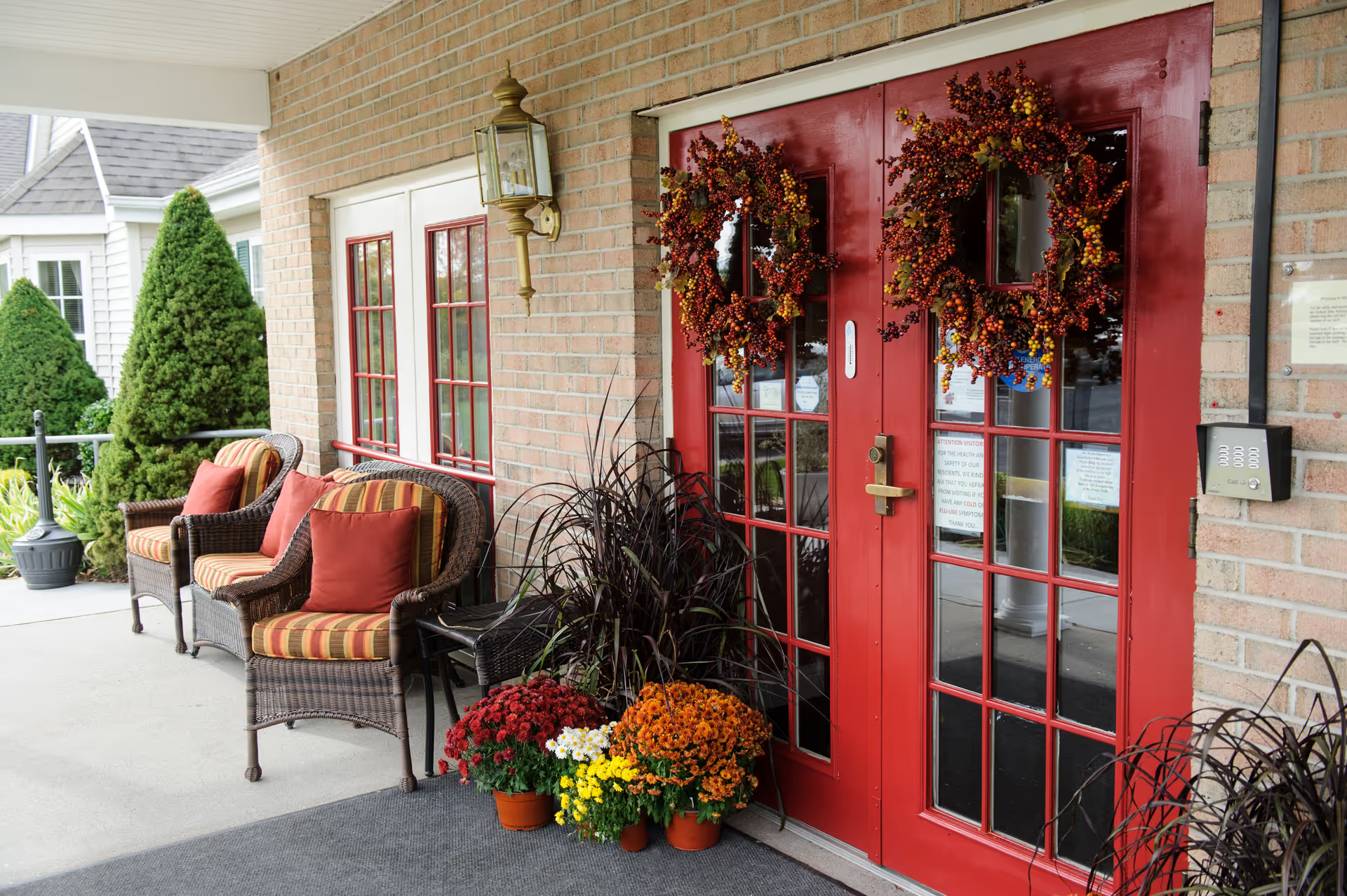
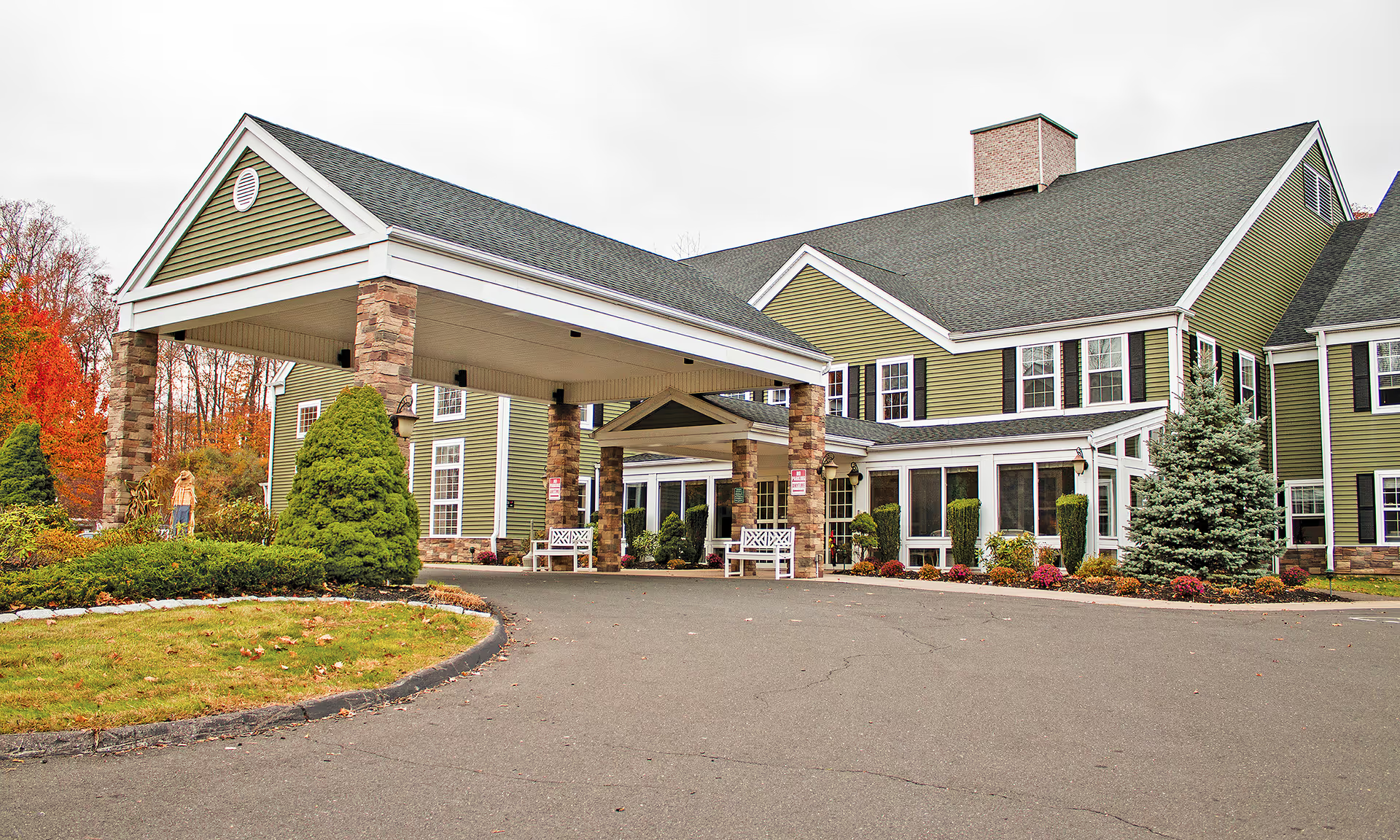
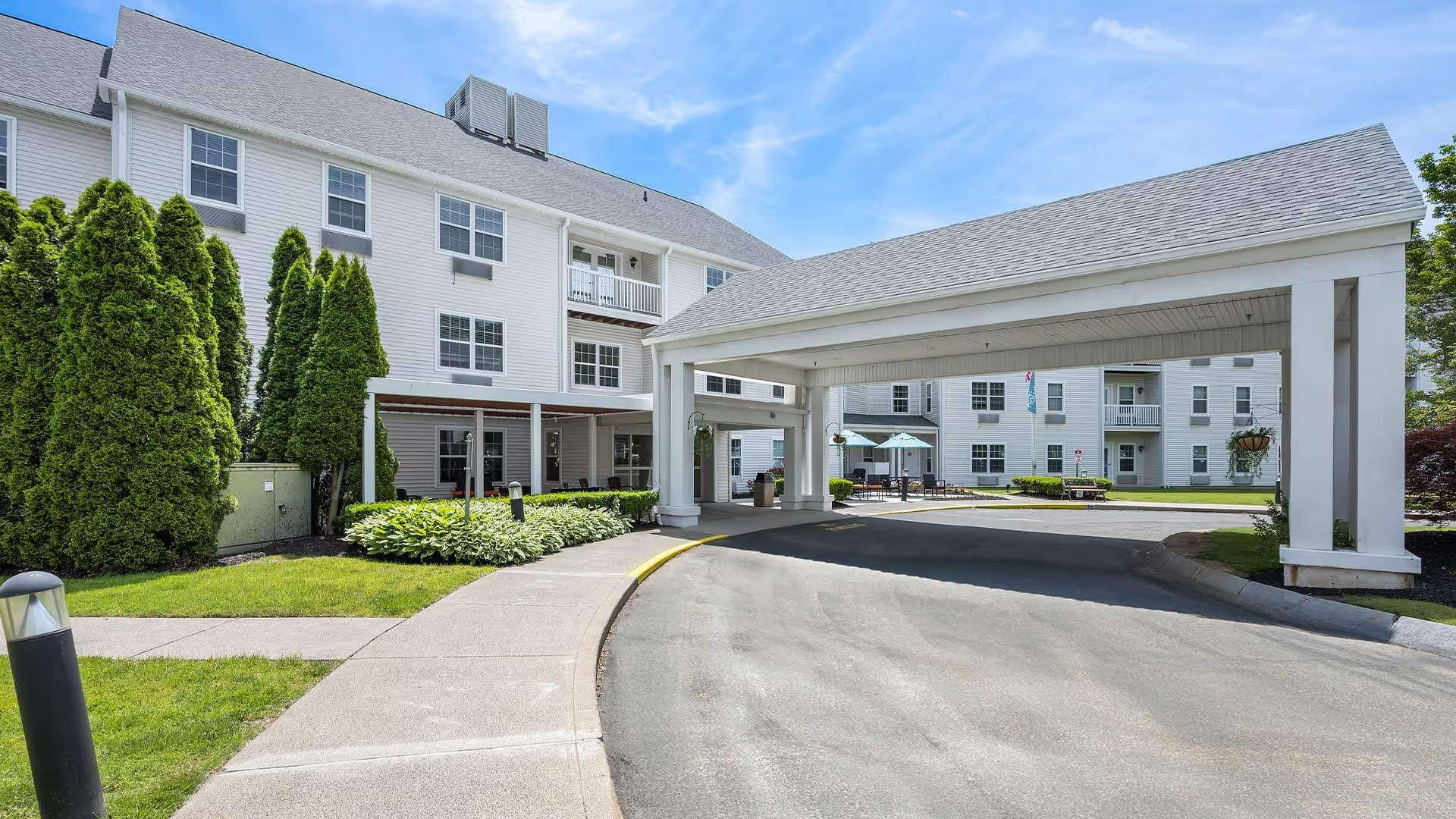
Activities and environment are commonly noted positives: recreation staff, live entertainment, and a schedule of social programming are described as engaging and supportive of resident well-being. The facility’s rehab and common areas are often called clean, bright, and well kept. Nevertheless, environmental-control issues—such as extended periods without air conditioning, extreme room temperatures, and isolated maintenance problems (for example, broken beds or equipment)—were also reported and warrant review of maintenance and disaster-preparedness practices.
Management and administrative practices present a mixed picture. Some families reported approachable administrators and timely problem resolution, while others experienced poor communication, missing admission or discharge documentation, and limited follow-through on concerns. There are also indications of gaps in infection-event handling and family notification procedures that families should understand further during a tour or intake. Overall, leadership stability and operational oversight appear to influence whether a resident’s stay is positive or problematic.
Recommendation for prospective residents and families: Bel-Air Manor can offer high-quality short-term rehabilitation supported by strong therapy staff and several compassionate caregivers. For longer-term placements, families should seek concrete information about staffing ratios (including weekend coverage), medication-administration protocols, care-plan adherence, dietary/allergy safeguards, and environmental controls. Ask to observe a nursing shift change, review incident- and infection-control policies, verify admission and discharge paperwork procedures, and request specifics on how the facility documents and communicates family updates. These targeted inquiries will help assess whether the facility’s operational practices match its clinical strengths for the intended level of care.