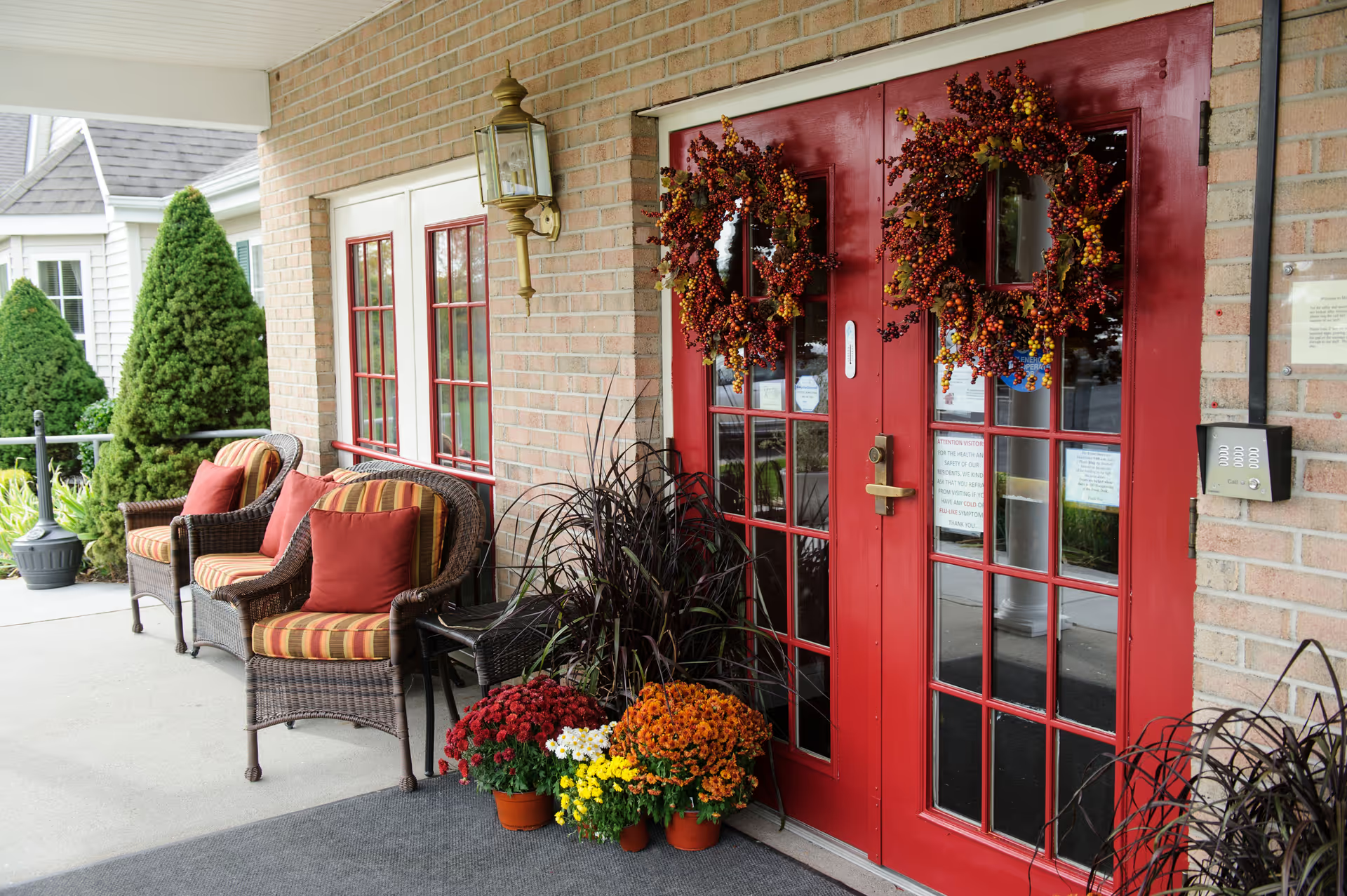
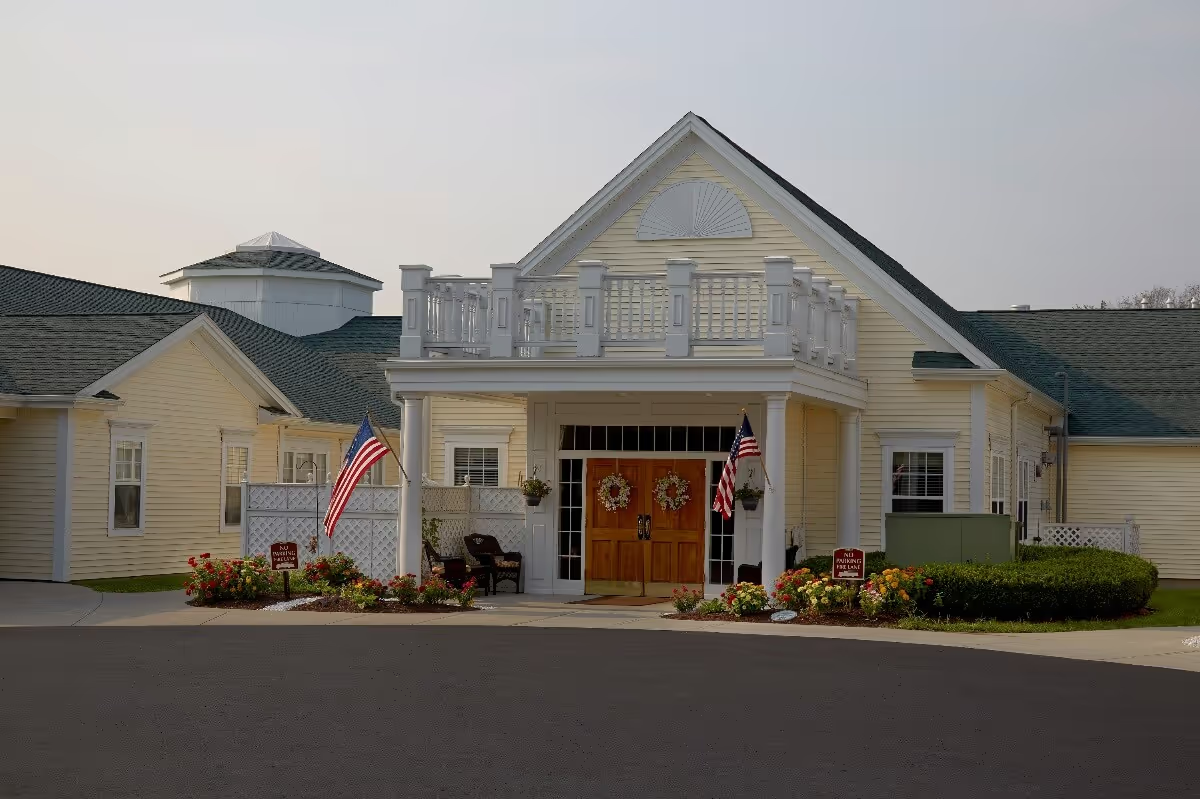
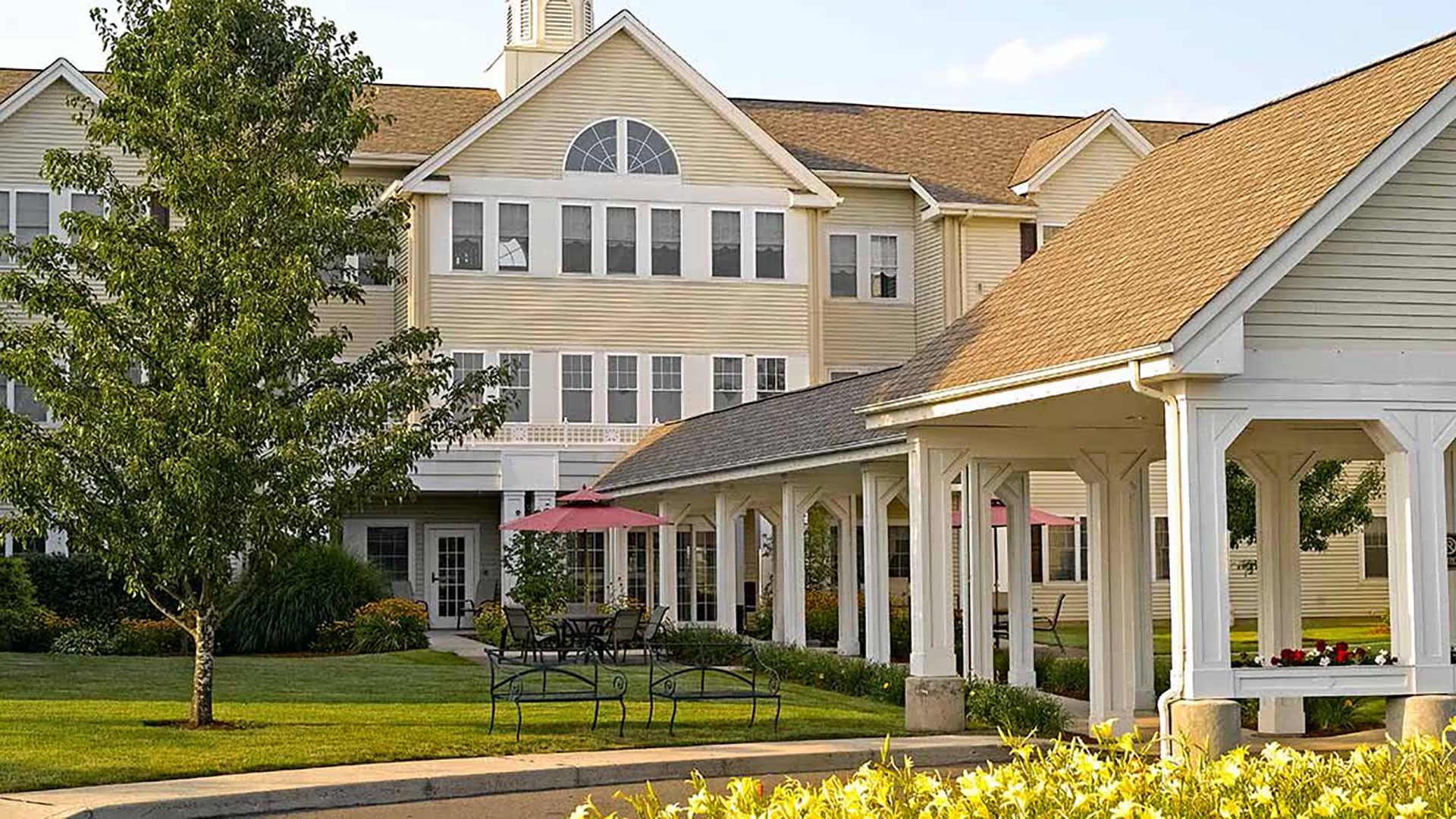
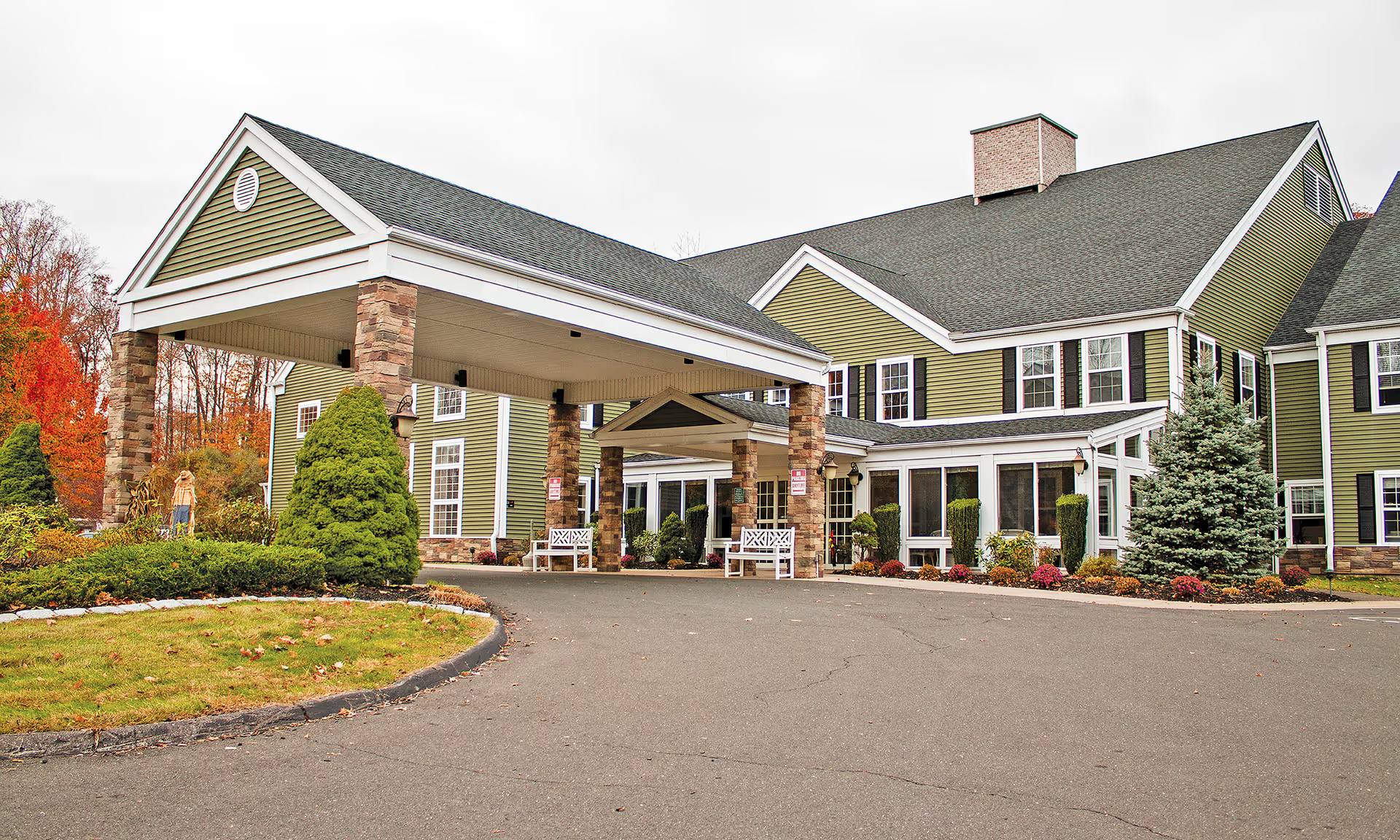
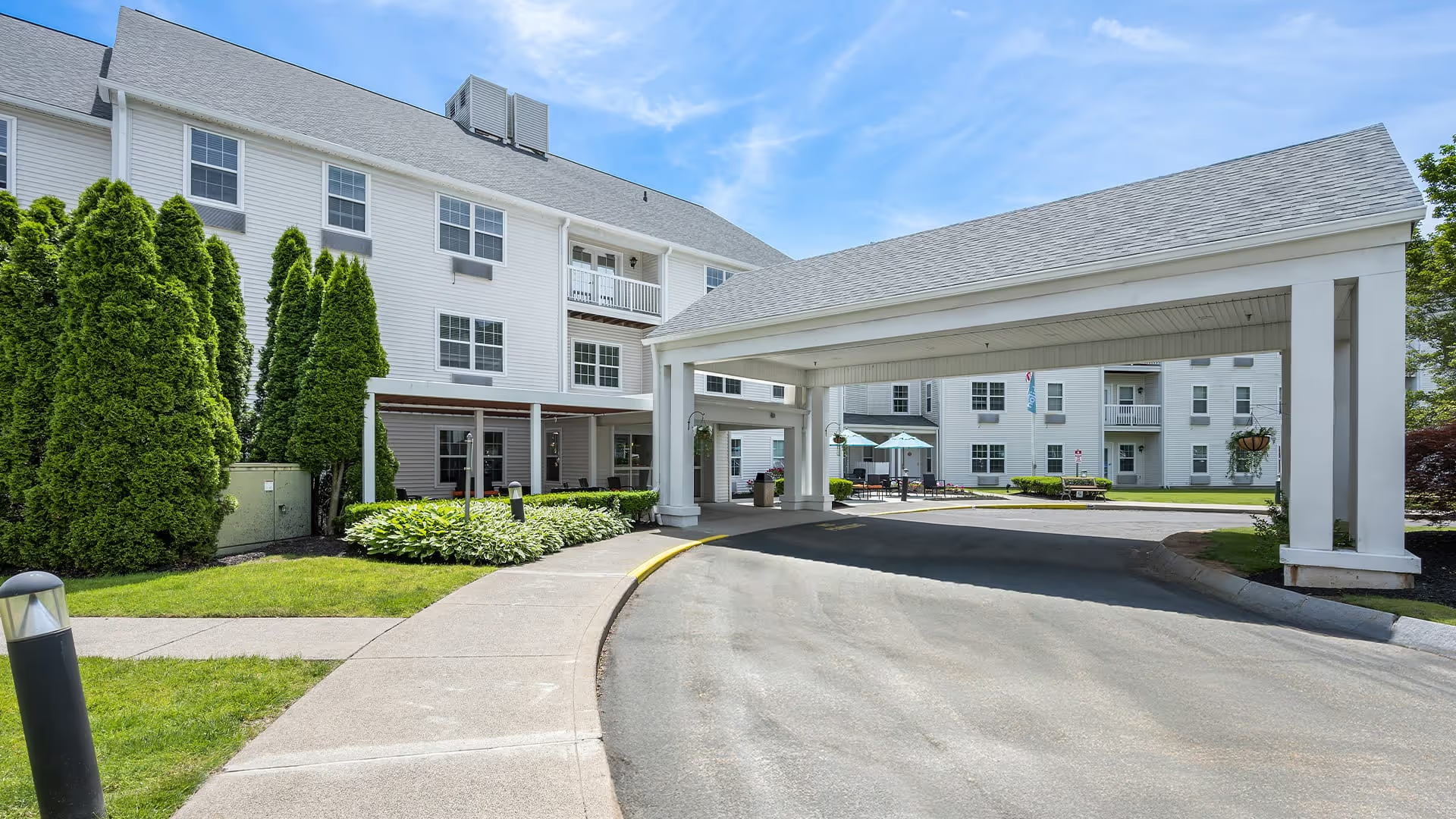
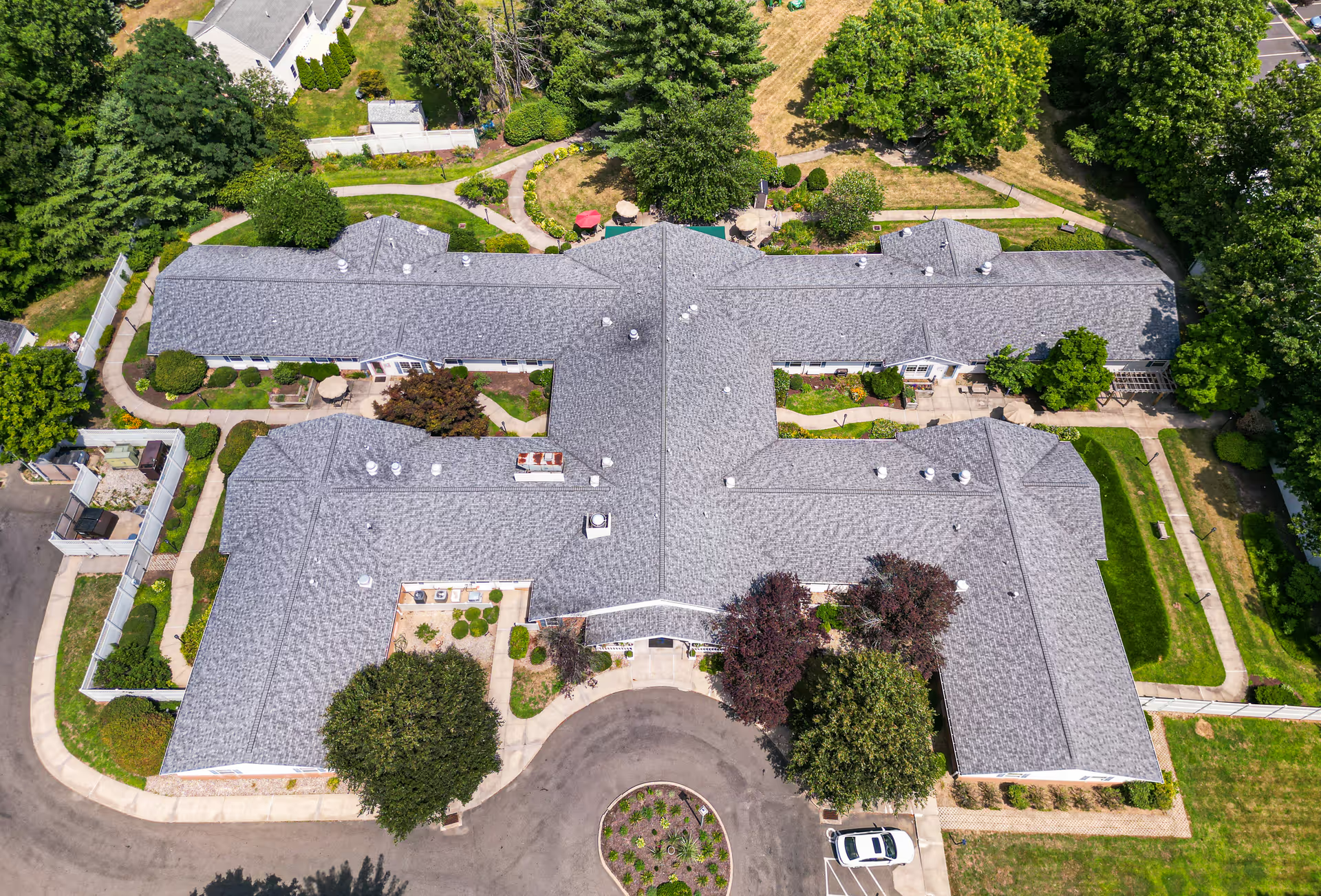
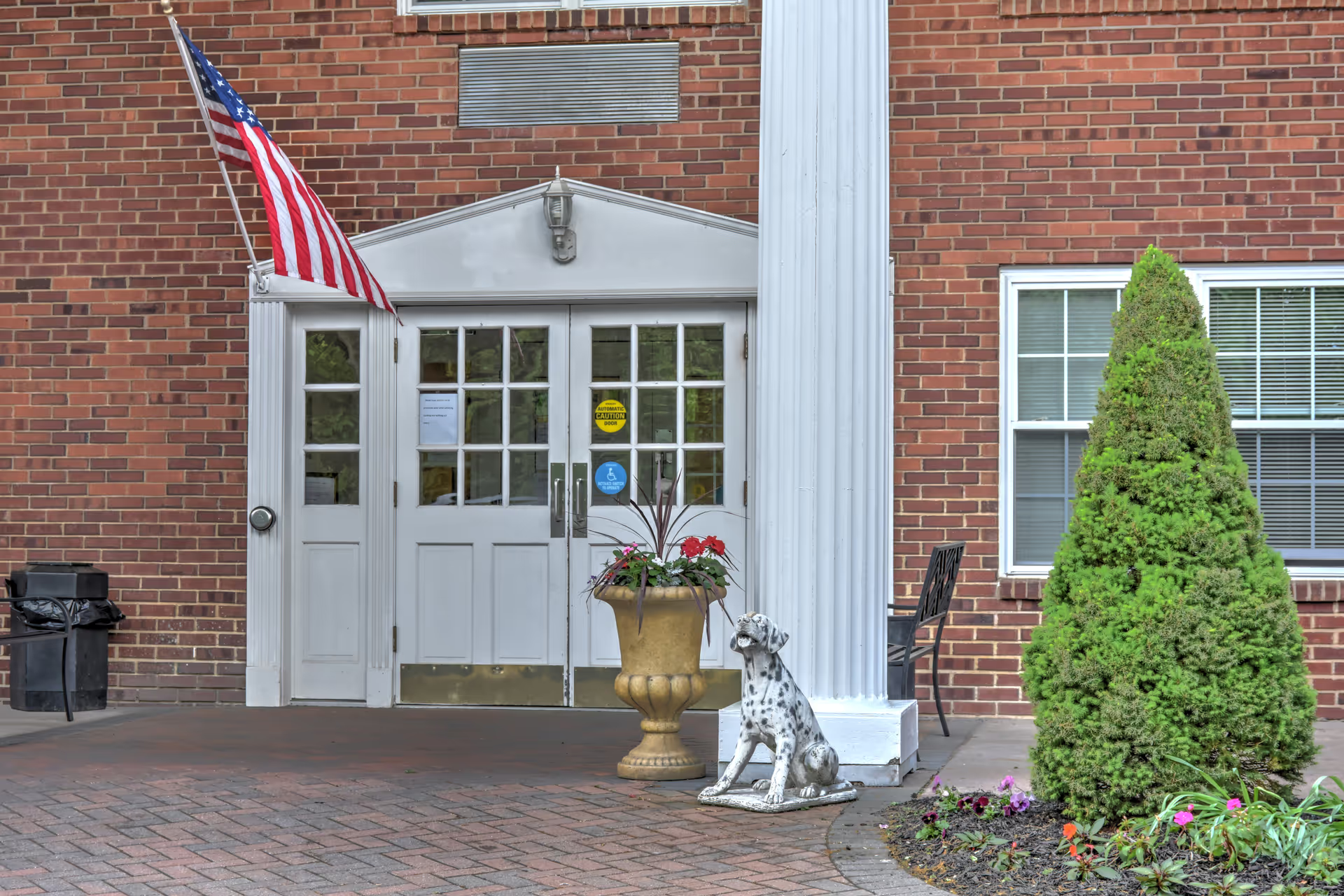
The reviews portray a facility with clear strengths and persistent operational weaknesses. Strengths most often cited include warm, attentive direct-care staff—particularly CNAs—an effective therapy team and a well-equipped therapy gym, and a clean, modern physical plant with an attractive dining room and accessible parking. Families and residents who had positive experiences described collaborative interdisciplinary care, helpful social-work and admissions support, active dietitian involvement, and a generally welcoming, home-like atmosphere in communal spaces.
Despite these positives, a large portion of commentary highlights inconsistent clinical performance and systems-level failures. Reviewers describe lapses in medication administration and other treatment adherence, delays in attending to call lights and basic care needs, and concerns about infection-control practices. These issues are frequently connected to understaffing and limited availability of one-to-one care, which reviewers say contributes to slower response times, missed or delayed treatments, and variable therapy and care-planning decisions.
Dining and nutrition feedback is mixed: some reviewers commend the dining environment and certain meals, while others note poor food quality and weight loss or insufficient nutrition monitoring for vulnerable residents. Activity programming appears adequate in some units but limited in memory-care areas, where families report fewer structured activities and more meals served in-room. The therapy department is generally praised for clinical skill, but reviewers also describe inconsistent timing and individualized planning, including instances where therapy pacing was perceived as too aggressive or poorly coordinated with clinical status.
Facility maintenance and operational reliability are additional, recurring themes. Positive comments about cleanliness and pleasant room ambiance coexist with complaints about maintenance failures (nonfunctional beds or call buttons, slow plumbing repairs), sanitation inconsistencies in some areas, and inadequate controls around personal property—families cited missing items and concerns about item tracking. Communication and leadership are another dividing line: several families praised specific nurses, therapists, and social workers for clear updates and advocacy, while many others describe difficulty reaching management, delayed callbacks, poor transparency around clinical events, and inconsistent staff conduct or tone. A few reviewers raised serious concerns following adverse clinical outcomes, including requests for regulatory review; those items underscore variability in clinical oversight rather than a uniform experience.
For prospective residents and families, the pattern suggests that care quality may vary by unit, shift, and staffing levels. When staffing and interdisciplinary coordination are strong, outcomes and family satisfaction tend to be positive; when staffing is constrained or leadership communication is weak, families report clinically significant gaps in care, responsiveness, and property security. During a tour or intake conversation, it would be prudent to ask targeted questions about staffing ratios, medication-administration protocols, infection-control procedures, fall-prevention and maintenance response times, property-security measures, and how therapy plans are individualized and communicated to families.