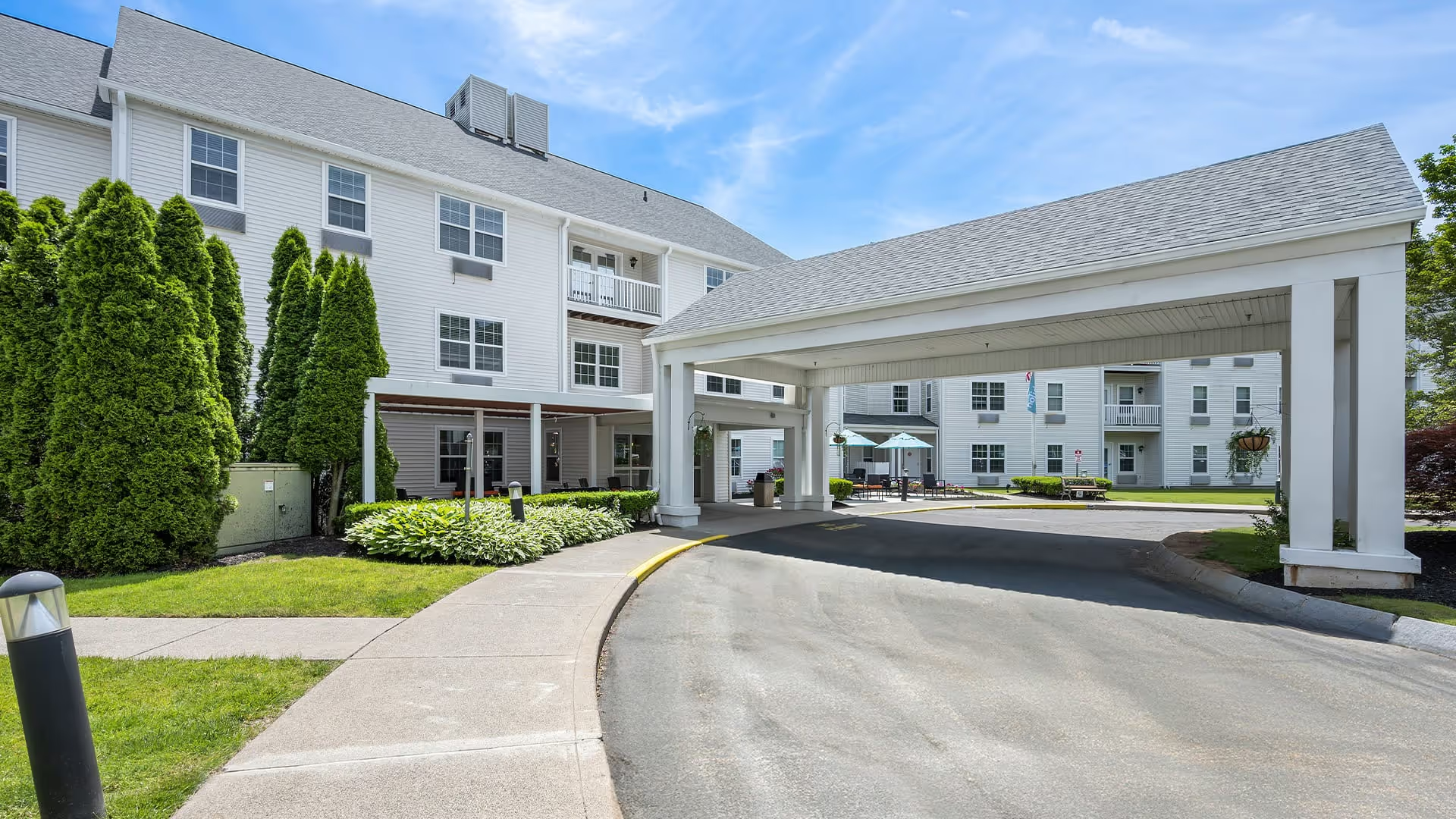
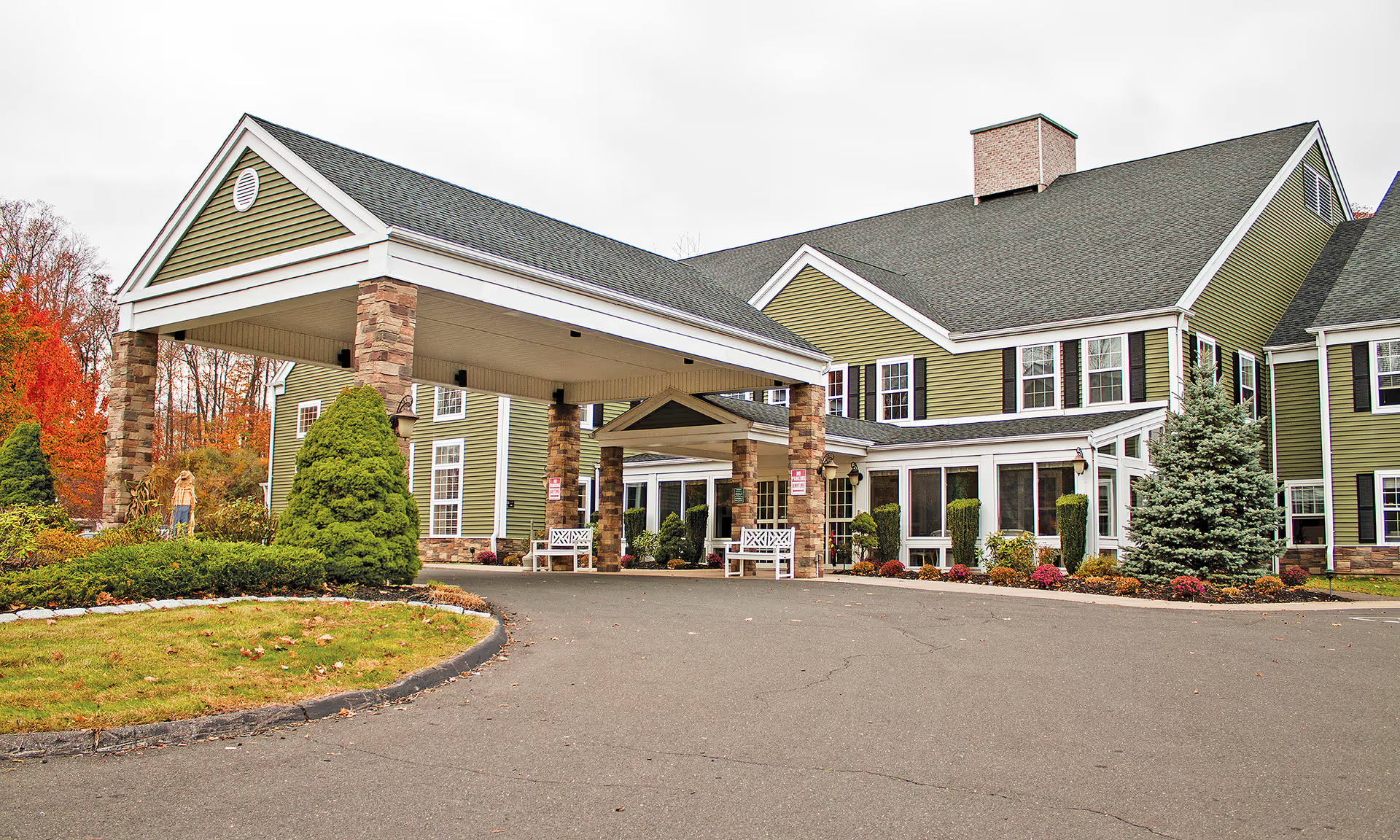
MapleView Health & Rehabilitation Center elicits strongly mixed impressions. A prominent strength throughout these summaries is the facility's clinical rehabilitation capability: many families described rapid, measurable gains in mobility with effective physical and occupational therapy and short-term rehab successes. Alongside therapy, reviewers frequently praised CNAs and bedside caregivers for being compassionate and attentive; several accounts highlighted consistent caregiver assignments, warm admissions interactions, and a generally welcoming atmosphere that helps residents feel at home.
Staffing and staff conduct appear uneven. While a substantial number of comments emphasize caring, professional nurses, aides, and support staff (including helpful maintenance and admissions teams), there are repeated notes about inconsistent professionalism, poor communication, and low morale among certain personnel. Several families reported delayed clinical responsiveness—most often delays in medication administration and pain-control—along with slow or disorganized responses to follow-up requests. These patterns suggest variability in staff performance and in how quickly clinical needs are met.
Therapy and activities are commonly cited as positives: reviewers mention engaged therapists, active programming (festive events, dancers, bingo, and social opportunities), and social-work teams who provide clear communication and discharge planning. For residents focused on rehabilitation, these offerings were repeatedly described as effective and morale‑enhancing. At the same time, some short-stay accounts describe limited therapy intensity or an emphasis that seemed driven by reimbursement rather than clinical progress.
Dining and daily-care experiences are polarized. Many families found meals appetizing, varied, and generous in portion, while others described cold meals, weak beverages, watery soups, or long waits for service. Similarly, personal-care delivery is inconsistent: positive reports of neat, well-groomed residents and timely assistance sit alongside reports of missed or delayed bathing, dressing, and incontinence-care tasks. These mixed experiences point to variability in routine caregiving and meal-service reliability.
Facility condition and infection-control practices show contradictory impressions. Several reviewers praised clean rooms, fresh linens, and orderly common areas; others raised sanitation and odor concerns, cited inconsistent cleaning (including shared bathroom arrangements and laundry handling), and linked cleaning lapses to infection-control issues. The physical plant is described as dated in places, with older beds and noisy equipment that can affect comfort. Management responsiveness also varies: some families commended an effective admissions director and hands-on administrators, whereas others described poor communication, documentation gaps at discharge, and unsatisfactory handling of sensitive events.
Overall pattern: MapleView demonstrates clear strengths in rehabilitation, compassionate caregiving from many staff members, social programming, and effective social-work support. However, recurring operational weaknesses—staffing variability, medication and responsiveness delays, inconsistent sanitation and personal-care routines, uneven meal service, and aging infrastructure—create a polarized experience. Prospective residents and families should weigh the facility's strong therapy and activity offerings against these operational inconsistencies, and consider asking targeted questions before placement about staffing levels, medication-administration protocols, infection-control procedures, bathing schedules, and how care transitions and sensitive incidents are handled.