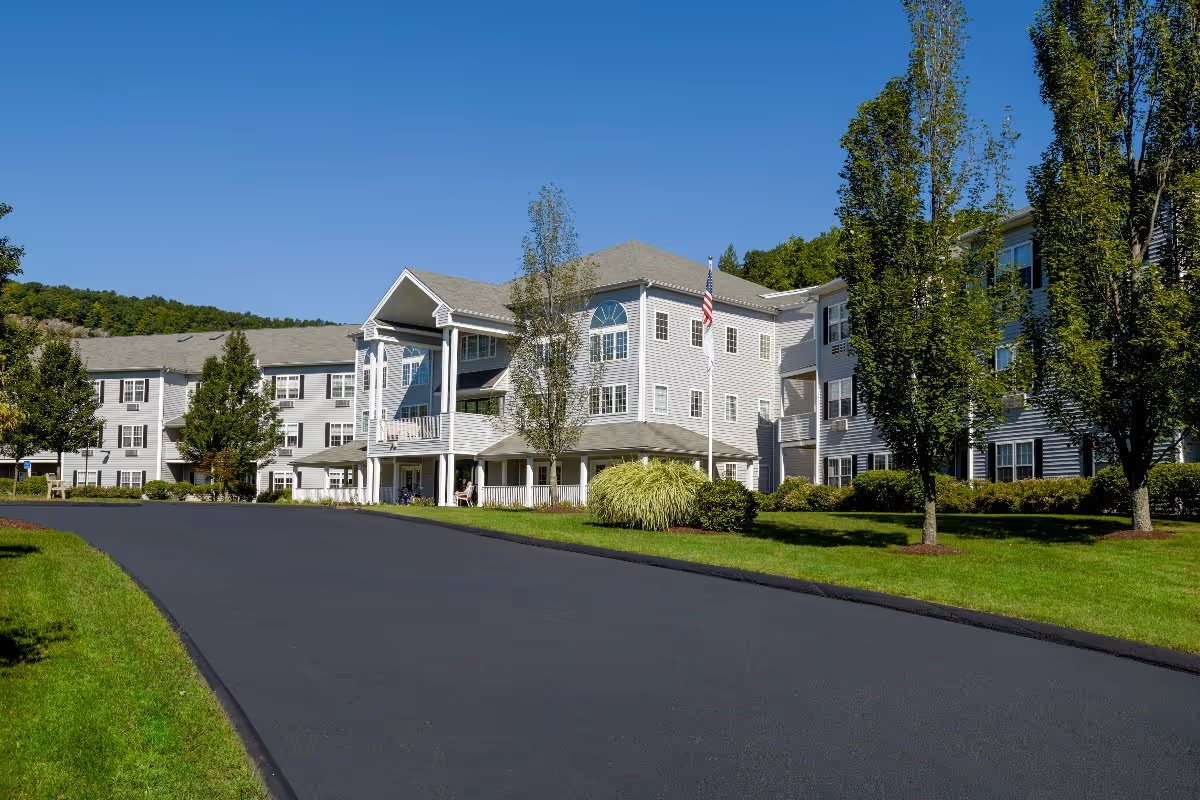
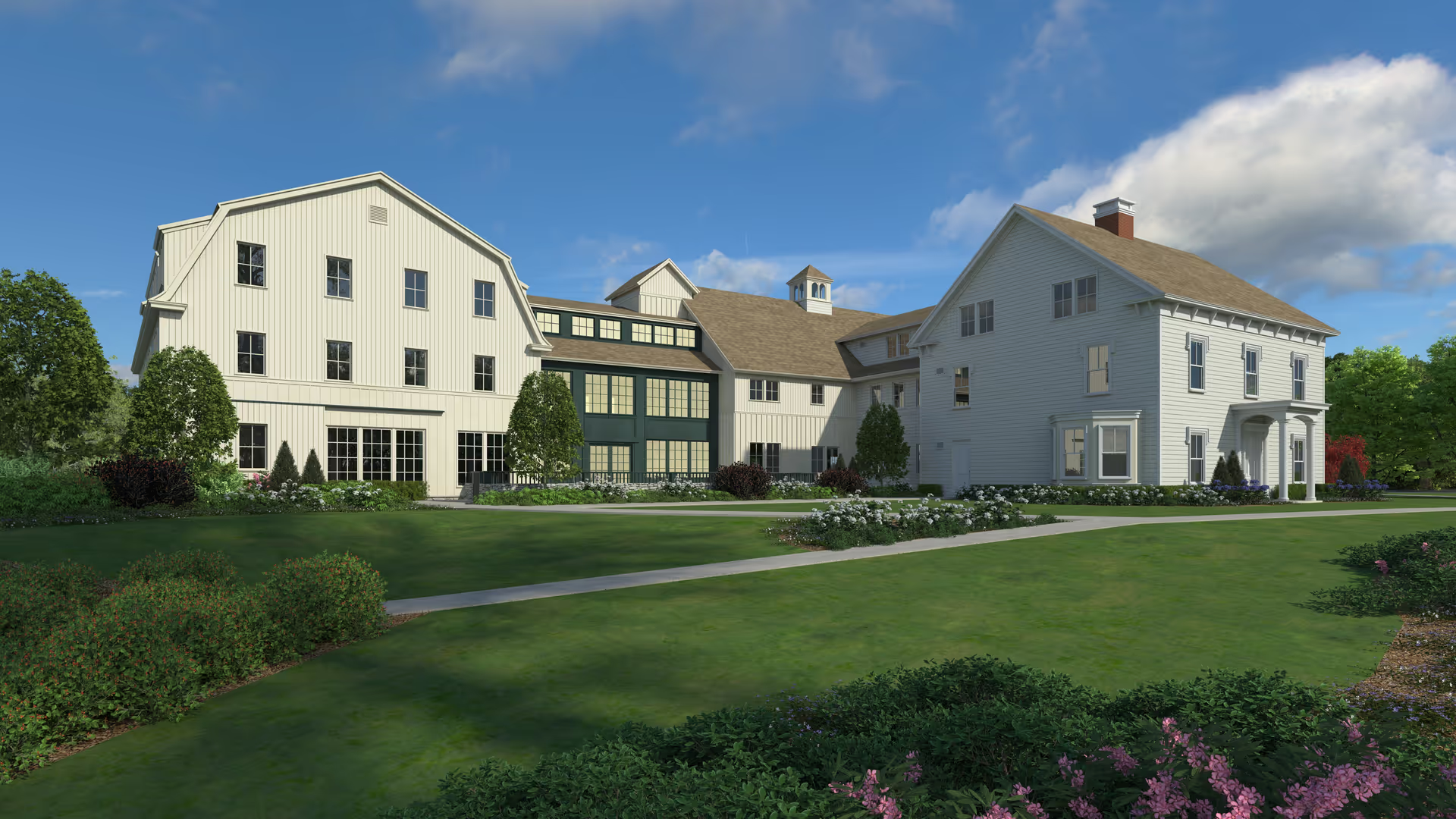
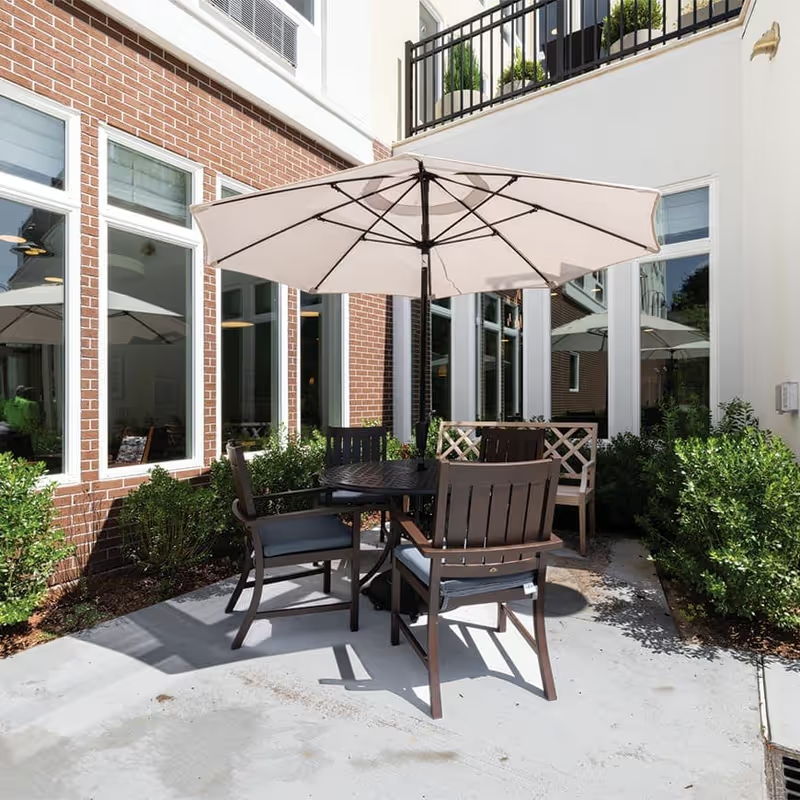
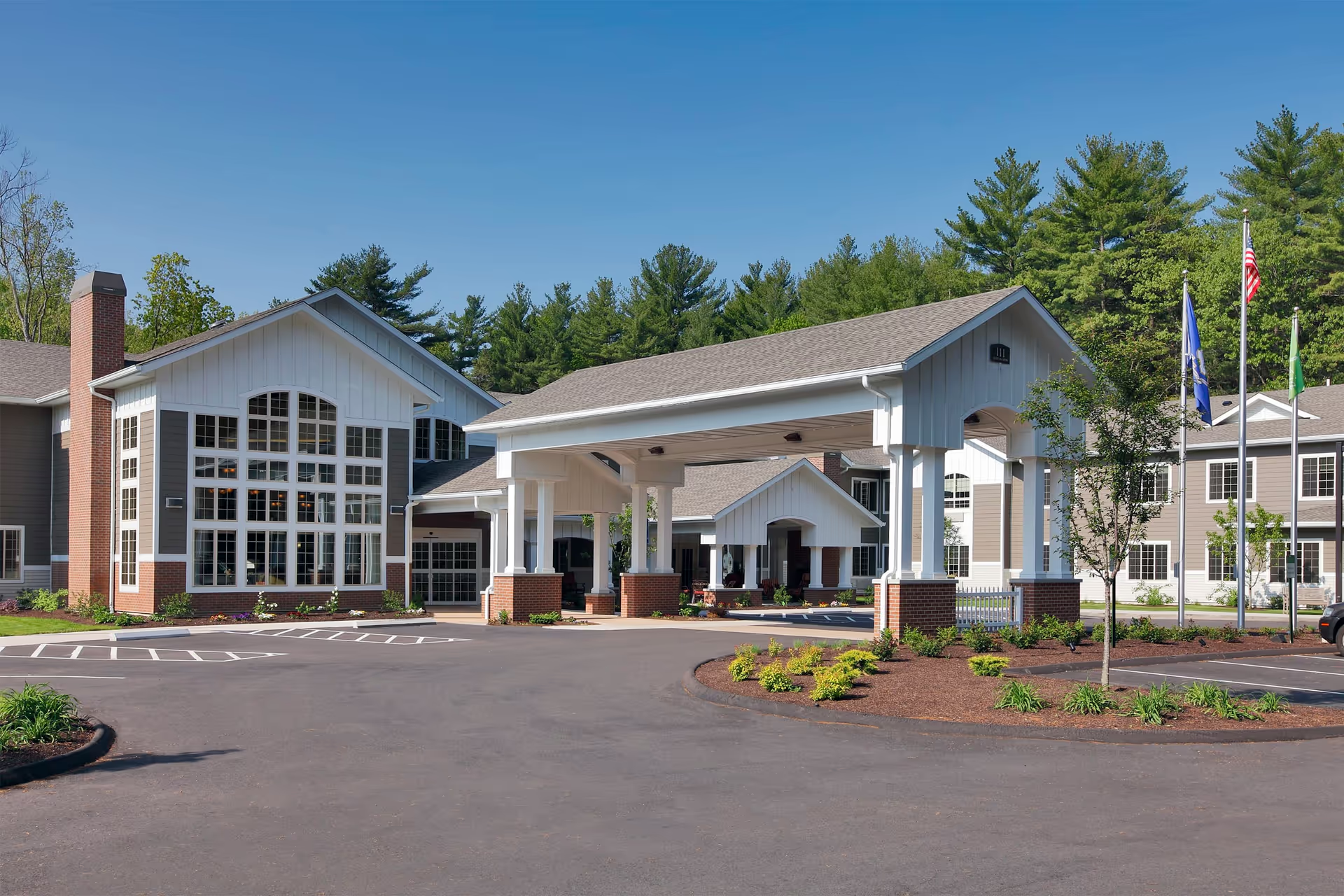
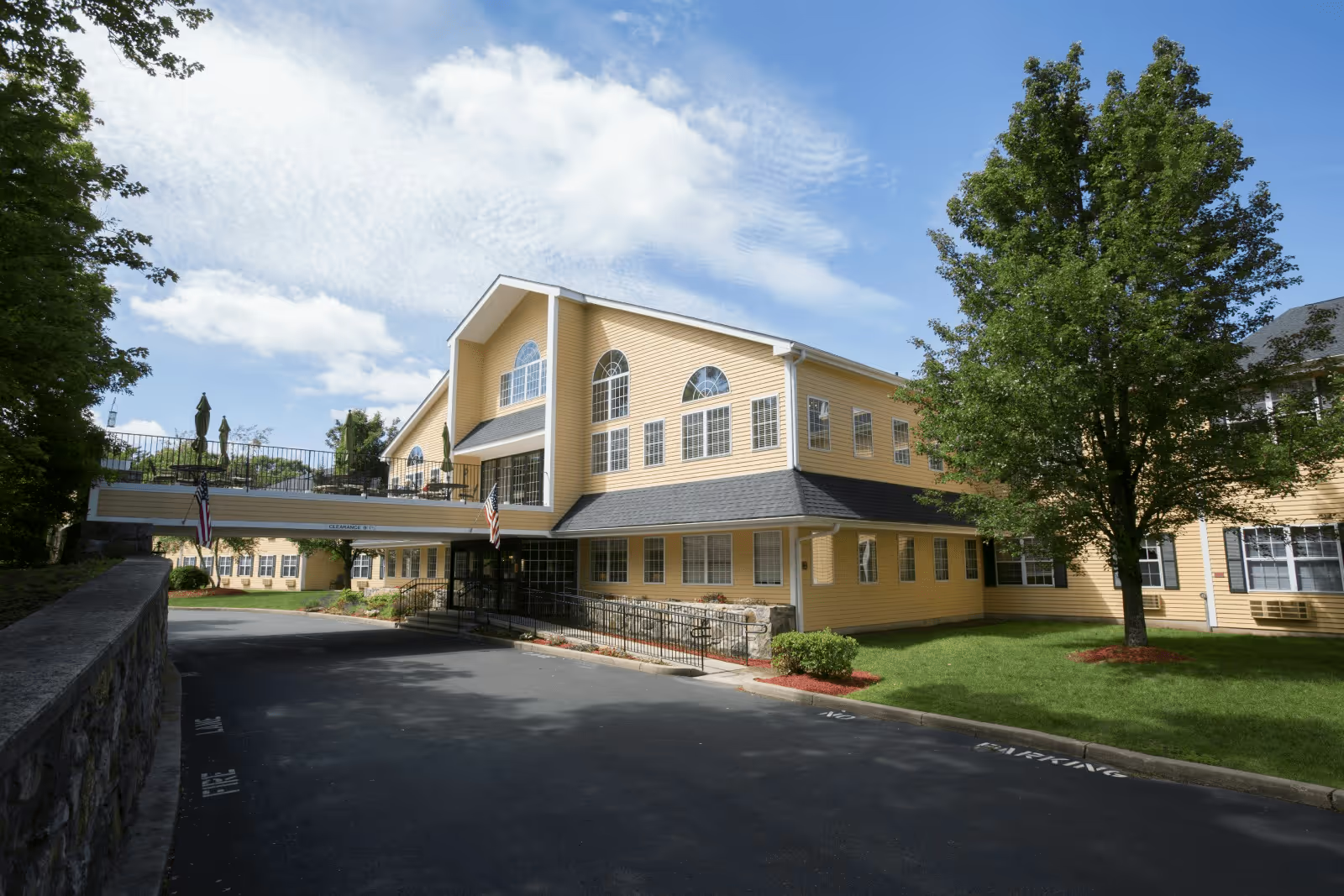
Southington Care Center presents a mix of clear facility strengths and operational shortcomings. Physically, the building and common areas receive favorable comments: reviewers describe roomy resident rooms, numerous communal spaces, and a recently updated recreation room outfitted with comfortable seating, a large television, and interactive options such as a Wii console. Snack access and a generally well-maintained appearance are also noted, suggesting the property and amenities are a positive aspect of daily life for residents.
Staff interactions are highlighted as a strength in several accounts. Reviewers describe staff as friendly, often greeting residents by name, and providing attentive caregiving. These impressions point to positive interpersonal rapport between some caregivers and residents. At the same time, multiple operational concerns temper that positive impression. The facility appears to experience inconsistent staffing levels, which reviewers link to slow responses to call lights and irregular personal-care routines such as bathing schedules. These staffing inconsistencies are a recurrent theme and appear to affect day-to-day reliability of basic care tasks.
Dining and direct-care quality show variability in reviewer accounts. Comments include concerns about meal texture and overall food consistency rather than an absence of dining service; this suggests menu execution and meal preparation may be uneven. Activity programming is another area of mixed feedback: while there are on-site entertainment resources, reviewers describe a limited activity schedule concentrated on a small number of choices (for example, bingo). There are also reports that some activities or musical participation have been discouraged or restricted, which may reduce opportunities for resident engagement.
Safety practices and management follow-up emerge as significant points of concern. Reviewers describe restrictions or inconsistencies in the use of bed/chair alarms and other safety-monitoring measures, and they report gaps in how incidents are managed and communicated to families. One review contains an allegation of inadequate post-incident response and family outreach following a resident's death; this is a serious claim that highlights the importance of clear policies on incident response and family communication.
In summary, Southington Care Center appears to offer strong physical amenities and positive interpersonal interactions in many cases, but operational reliability is uneven. Key patterns to evaluate further when considering this facility include staffing stability and ratios, response times to resident calls, consistency of bathing and personal-care routines, meal quality control, diversity and facilitation of activities, safety-monitoring policies (including alarm use), and protocols for incident response and family communication. Prospective residents and families would benefit from asking management for specifics on staffing schedules, activity calendars, sample menus, safety policies, and how the facility communicates with families after significant events.