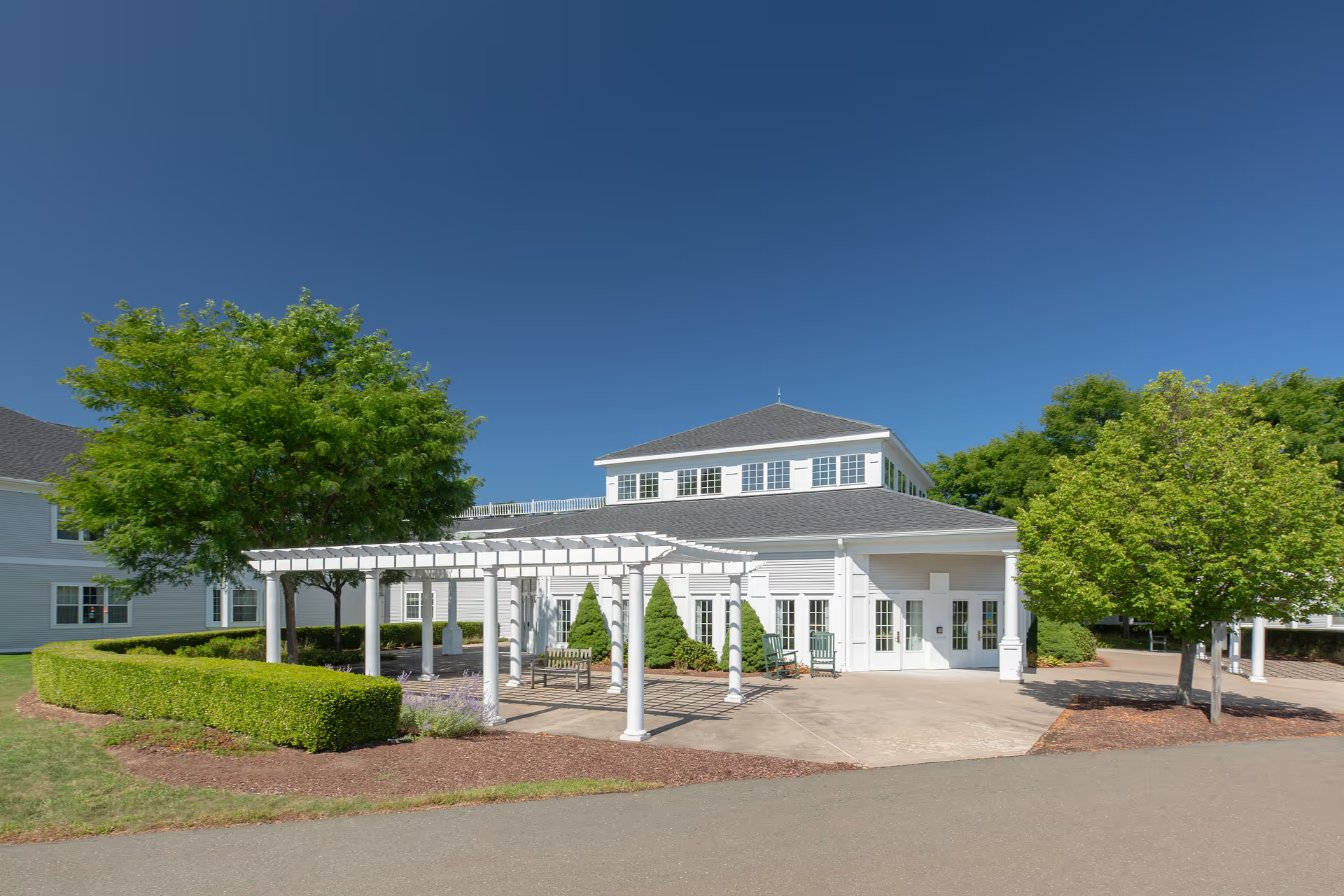
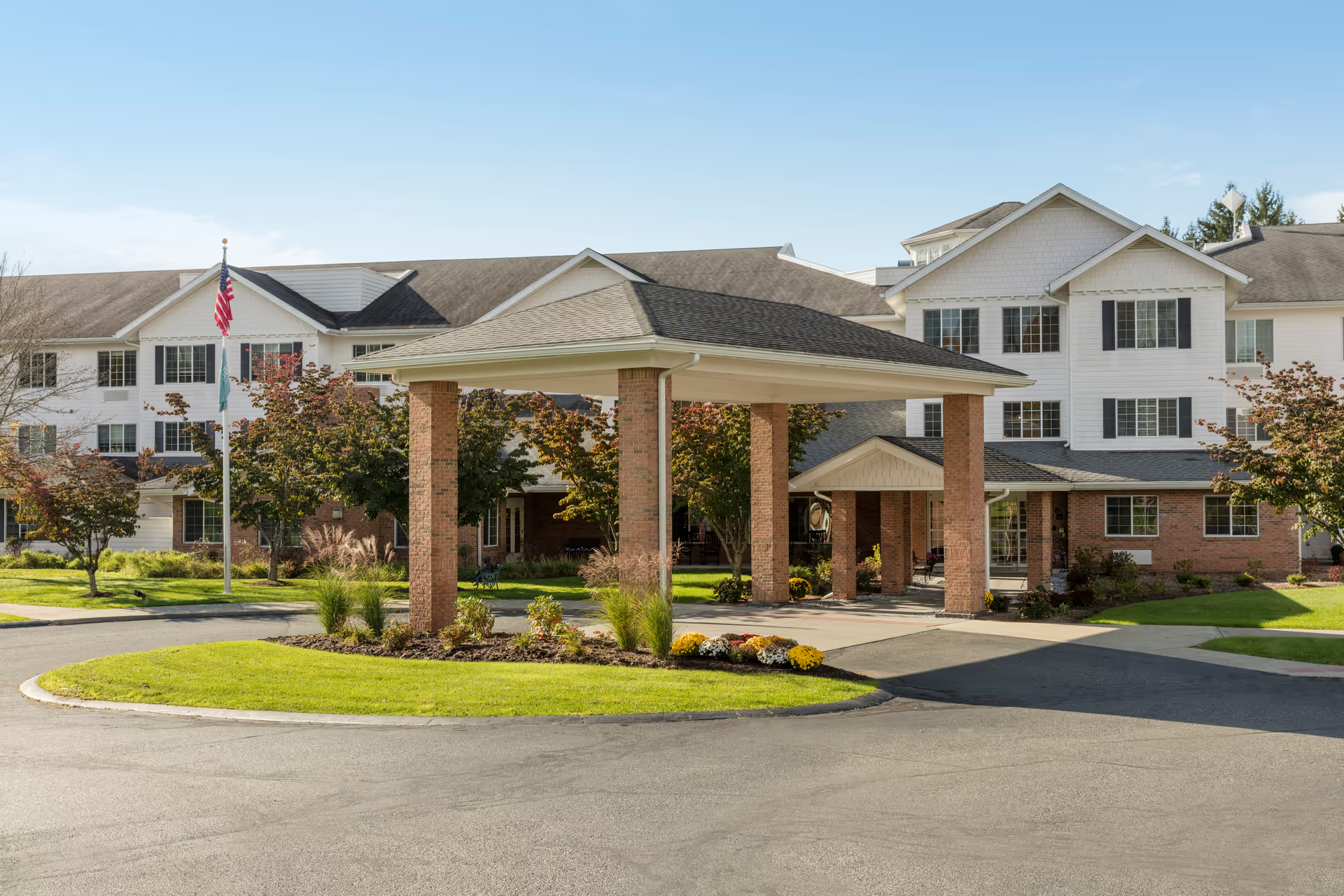
Reviewers describe a facility with sharply mixed performance: several families praised highly attentive, compassionate caregivers and therapy staff who delivered individualized rehabilitation and strong short-term recovery, while other accounts describe operational weaknesses that materially affected day‑to‑day care. The positive accounts emphasize staff who are nurturing and professional, well-run therapy programs (including one-on-one sessions and measurable progress for stroke, dementia, and COVID recovery), comfortable outdoor spaces and gardens, thoughtful roommate pairing, and an overall clean, aroma-controlled environment. Families who experienced these aspects highlighted good safety practices, early illness detection, and flexibility for family visits.
Conversely, a recurrent pattern of staffing instability appears to undercut care continuity for other residents. Review comments indicate inconsistent staffing levels, frequent reliance on per-diem staff unfamiliar with facility routines, and long nurse shifts—factors that reviewers associate with slow responses to call bells, delays in attending to bathroom and transfer needs, and occasional safety concerns such as falls or fractures. Several notes indicate gaps in medication access and pharmacy coordination, and some families described limited therapy frequency or discontinuation of planned sessions, which affected mobility-focused goals.
Communication and operational management are additional mixed areas. Positive experiences include individualized communication and one-on-one therapy coordination, but negative accounts cite inadequate documentation, poor handoffs, ignored doorbells or call systems, broken amenities (for example, long-running TV outages), and maintenance or equipment upkeep deficits. Dining quality and dietary management are inconsistent across reviews; some families praised meals, while others described unappetizing food, high‑carbohydrate routines that were poorly adjusted for diabetes, and weight loss concerns.
Overall impression: Woodlake at Tolland demonstrates the capacity for high‑quality, compassionate care and effective rehabilitation when staffing and operational systems align, but there are recurring, facility‑level weaknesses—particularly around staffing consistency, responsiveness to assistance requests, medication/pharmacy coordination, therapy scheduling, documentation, and maintenance—that can adversely affect resident experience. Prospective residents and families should consider an in‑person visit focused on current staffing levels, medication-management processes, typical therapy frequency, response times to call systems, room placement relative to infectious‑care units, and dietary accommodations before making a placement decision.