Reviews of Regal Heights Healthcare & Rehabilitation Center present a strongly mixed picture. Many accounts praise the facility’s rehabilitation capabilities and certain direct‑care staff, while other accounts describe operational breakdowns that materially affect resident experience. Prospective residents and families will see evidence of high‑quality therapy services and amenities alongside recurring concerns about basic care processes.
Care quality and clinical services: The facility receives consistent positive feedback for its therapy programs — physical therapy, occupational therapy, and speech therapy — and for outcomes achieved in short‑term rehabilitation. Reviewers describe state‑of‑the‑art equipment and daily therapy availability that support recovery. At the same time, there are recurring accounts of inconsistent nursing care quality, safety‑related concerns (including falls and reports of unsafe discharges), and gaps in medication and clinical‑incident oversight. These contrasting patterns suggest that strong therapy services may coexist with variability in routine nursing and clinical supervision.
Staff and responsiveness: Many families characterize aides and some nursing staff as compassionate, patient, and engaged — with individual employees who go “above and beyond.” However, an opposing set of reports highlights chronic understaffing, long response times to call bells, and concerns about timeliness of personal‑care tasks (for example, bathing and toileting assistance). Reviewers also raise concerns about staff conduct and communication tone in interactions with residents and families. A limited but serious subset of comments includes allegations of theft, mishandling of finances, and other misconduct; these allegations warrant direct verification with the facility and regulators.
Dining and dietary management: Feedback on meals is mixed. Some reviewers appreciate meal adjustments to boost intake and find the food adequate for recovery, while others report inconsistent meal delivery, missed diet specifications (for example, therapeutic diet not followed), and variable food quality. Families with specific dietary needs — diabetic or renal diets — may want to confirm protocols and monitoring before placement.
Activities and social programming: Activity programming is a clear strength in many accounts. The facility is described as offering bingo, movie nights, church services, crafts, sing‑alongs, and opportunities for outdoor walks. Several reviewers note active encouragement of socialization and a regular events schedule, which supports quality of life for interested residents.
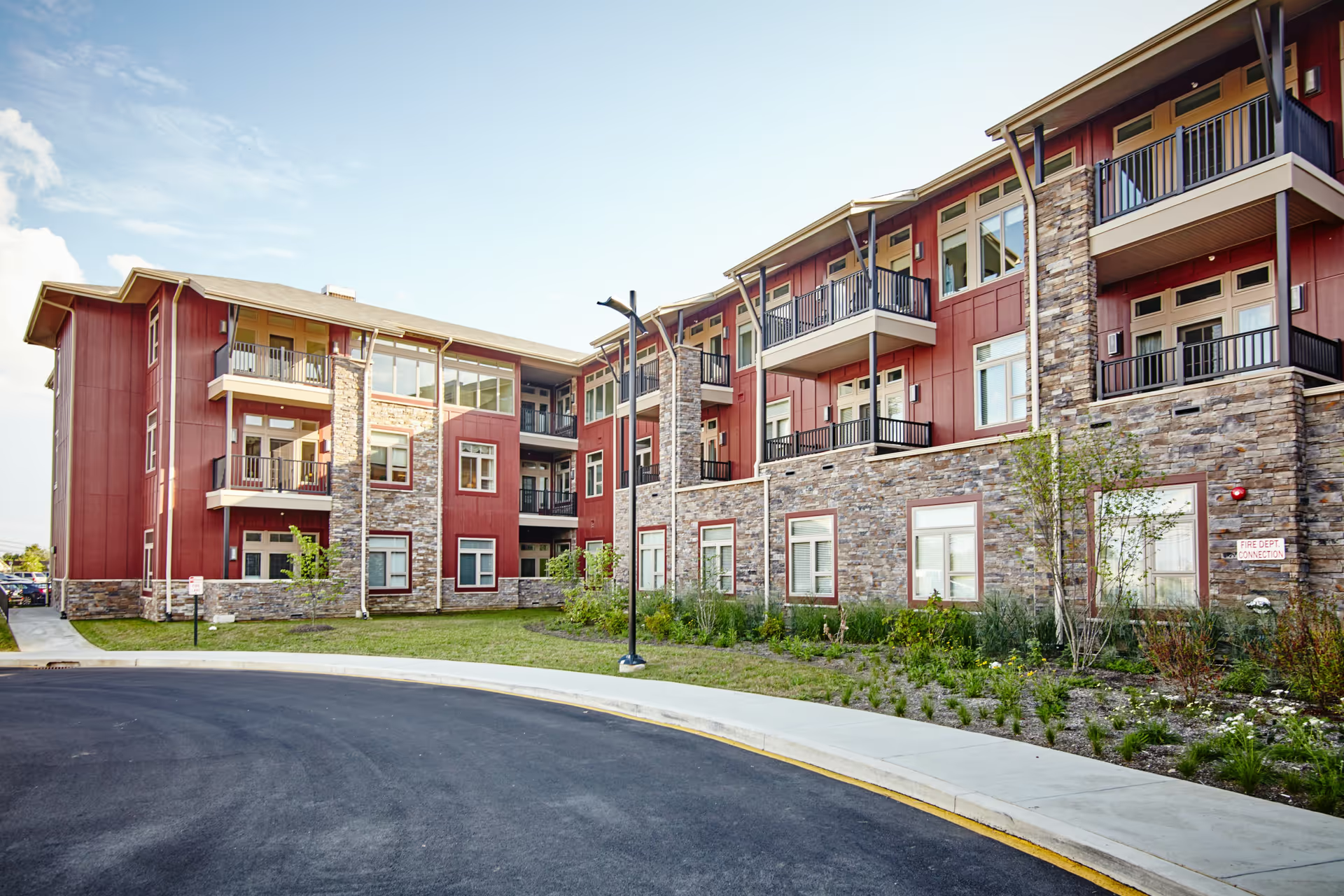
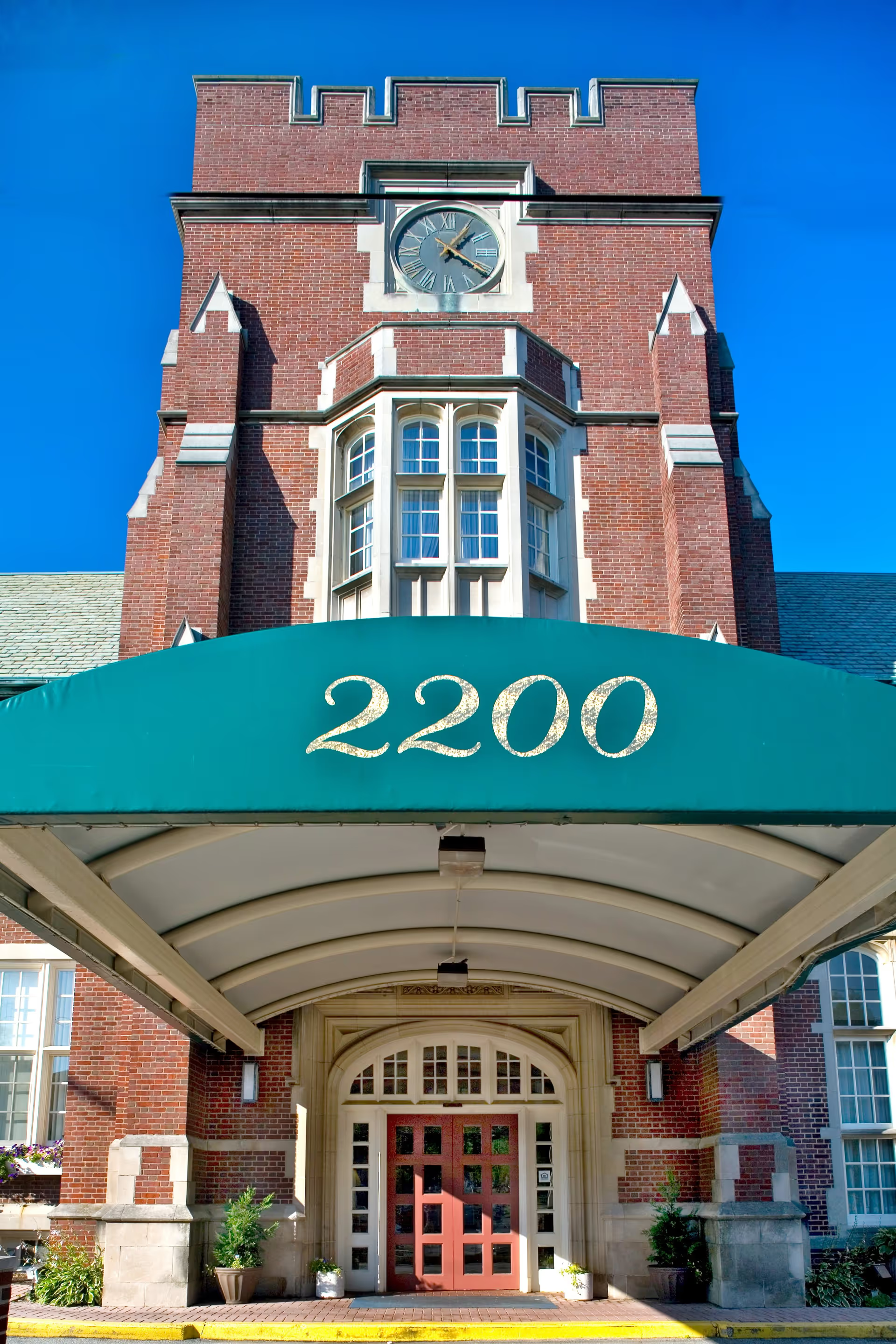
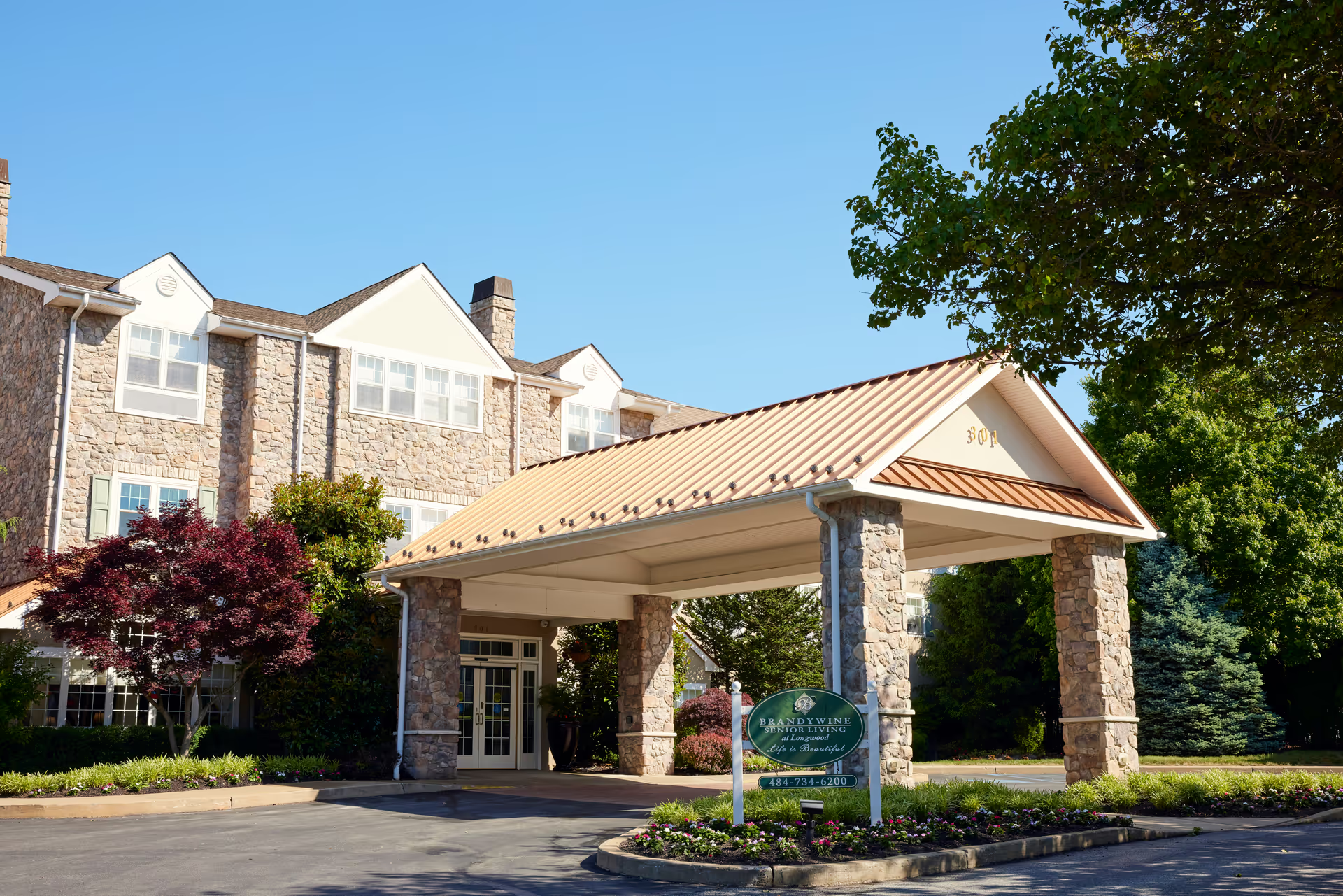
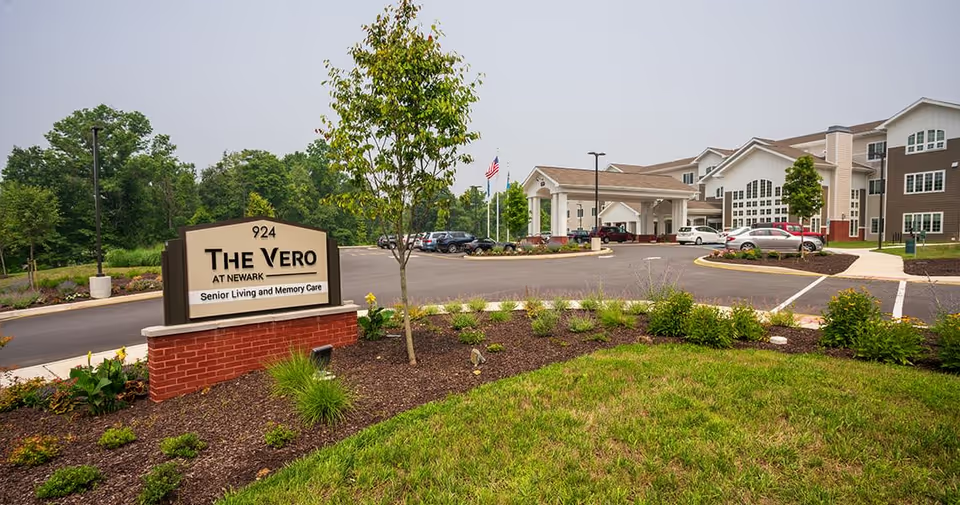
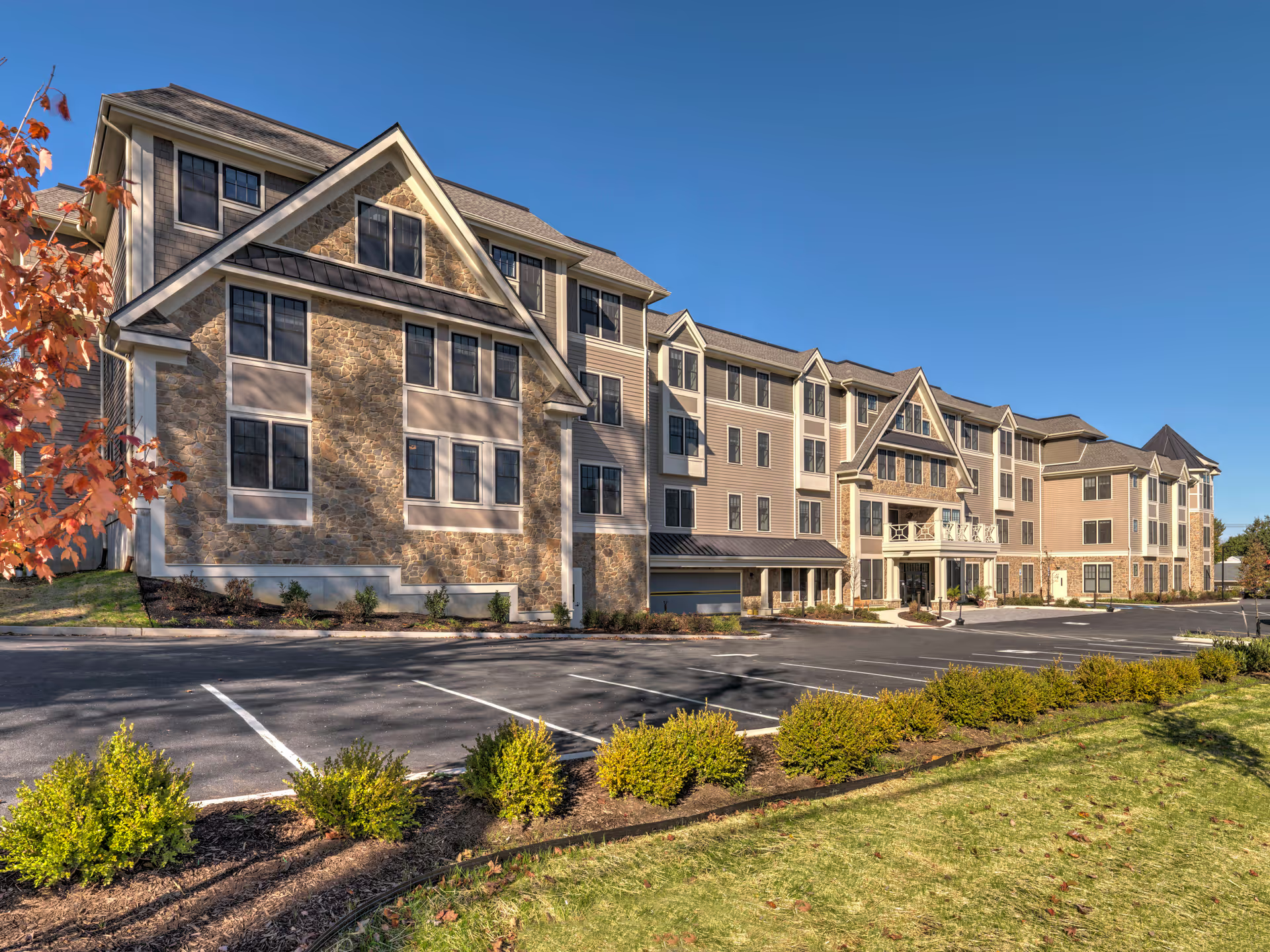
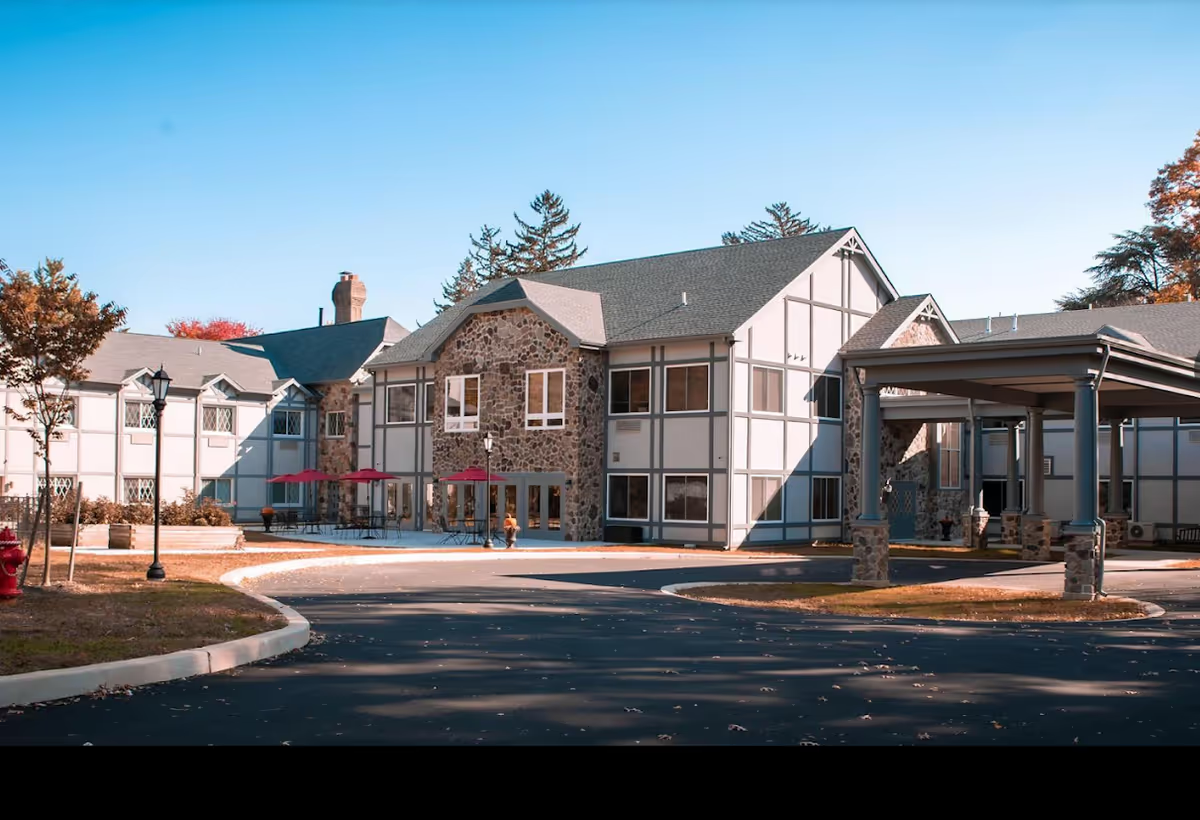
Facilities and housekeeping: The exterior, grounds, and renovated public areas receive frequent praise for their appearance and welcoming atmosphere. By contrast, multiple reports raise interior cleanliness, odor, and pest‑control concerns in certain units or rooms, along with inconsistent housekeeping practices. Laundry handling and personal‑property management are recurring operational pain points — including missing, damaged, or improperly laundered items — and families should confirm the facility’s policies and safeguards for valuables and clothing.
Management and administration: Reviewer experiences with administration range from positive (helpful, communicative admissions and planning staff) to critical (condescending or unresponsive administrators, poor family notification practices, and weak follow‑through). Several accounts describe dissatisfaction with how clinical incidents and family concerns were managed. Given the mixture of experiences, families should seek clarity about escalation pathways, point persons for concerns, and recent regulatory or inspection findings.
Notable patterns and recommendations: The overall pattern is one of polarization — robust rehabilitative care and meaningful activities for some residents alongside operational and oversight weaknesses that have caused significant distress for other families. Specific, recurrent operational themes include inconsistent nursing care, staffing shortages, incontinence‑care and bathing routine gaps, interior sanitation and pest‑control issues, inconsistent dietary adherence, laundry/property management failures, privacy concerns, and serious allegations involving theft or financial mishandling. Prospective residents and their families would be well served to tour the facility, observe staffing and cleanliness on the units, ask for recent inspection and infection‑control records, confirm diet and laundry protocols, and identify primary contacts for care coordination and incident escalation before making placement decisions.