Encore at Wilmington elicits strongly mixed feedback. A substantial body of commentary highlights strengths: many families and residents describe warm, compassionate staff, an experienced caregiving team, and an active, well-staffed rehabilitation program that emphasizes daily therapy and functional recovery. Reviewers frequently praise the social life and activities offering—intellectual, physical, and recreational programs—and note a welcoming, family-like atmosphere in common areas. The community’s apartment-style units, one-floor living in some areas, open-campus setting, and prompt maintenance response are also recurring positives.
Care quality and staff performance present a divided picture. Positive accounts emphasize attentive aides, personalized care plans, coordinated therapy, and staff who know residents by name. At the same time, other accounts identify inconsistent staff professionalism and responsiveness, as well as gaps in clinical documentation and family communication. Several reviews raise clinical-safety concerns tied to medication handling and incident response; a few describe serious clinical outcomes that prompted hospitalization and end-of-life concerns. These contrasting impressions suggest variability in day-to-day clinical oversight and handoffs.
Dining and activities are frequently noted as strengths, with multiple comments praising the cuisine and a robust calendar of events. However, there are also specific complaints about inconsistent meal quality and occasional delays in meal service. Prospective residents should ask about current dining-management practices and how menu choices and timing are monitored for residents with dietary restrictions.
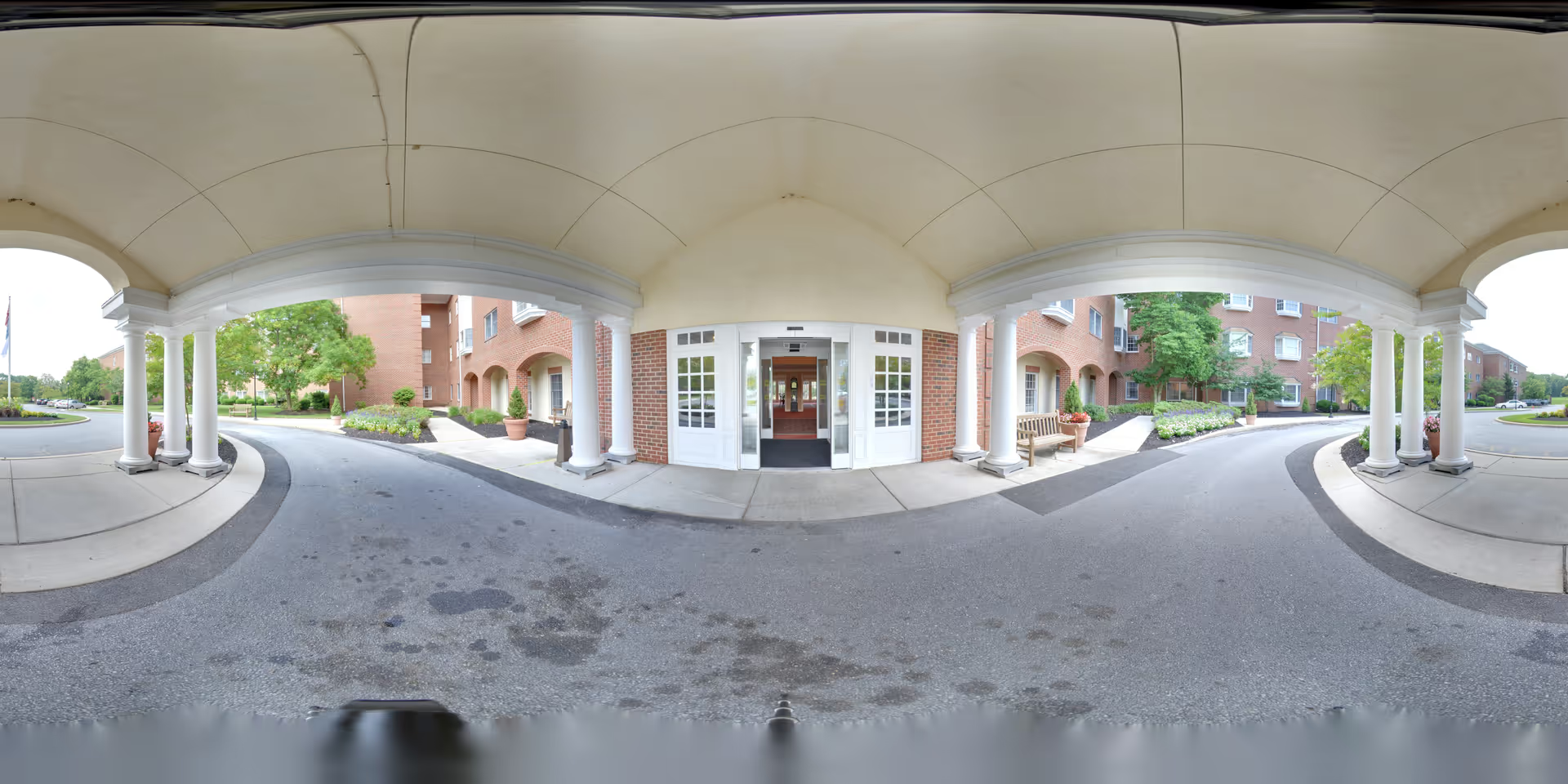
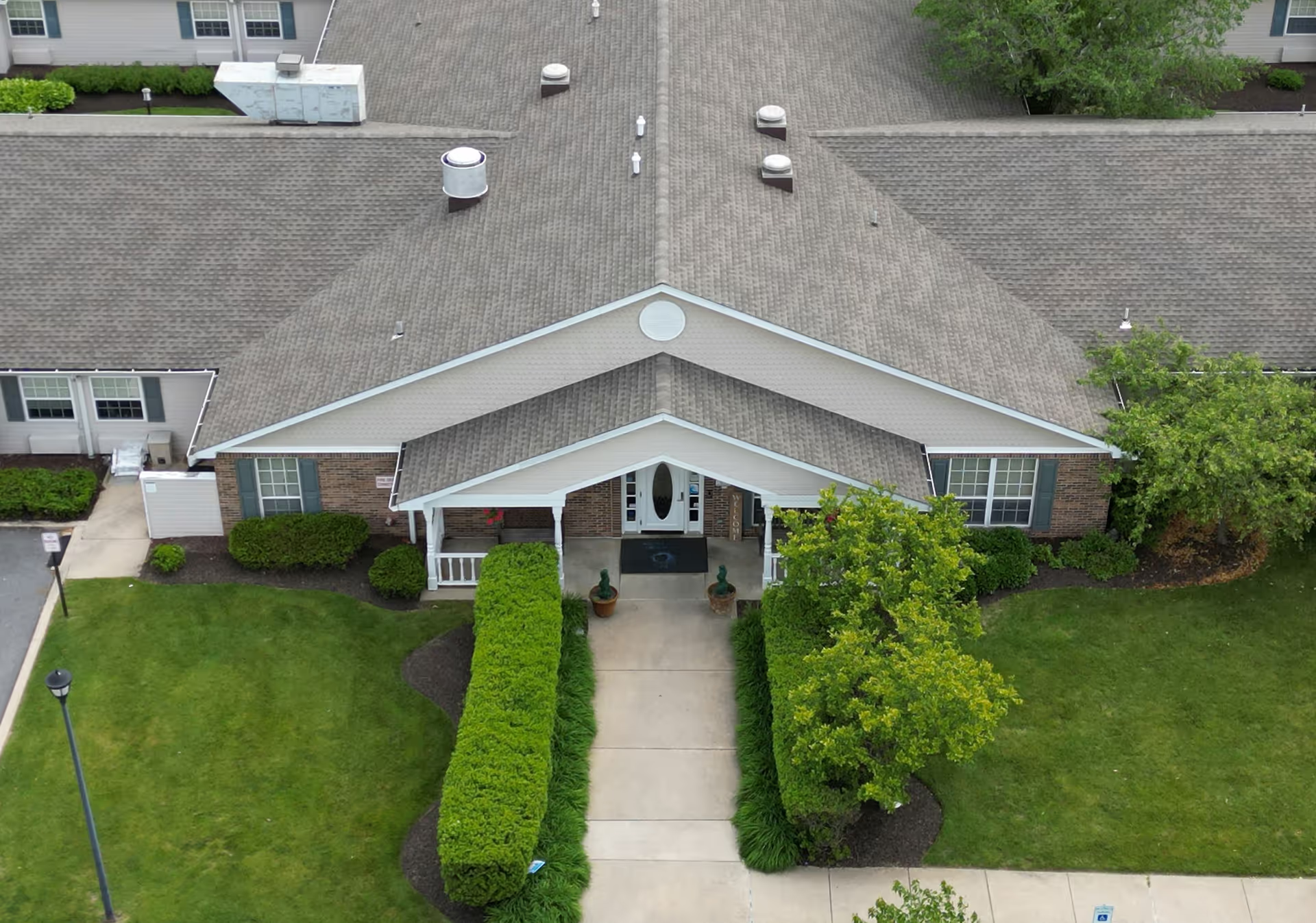
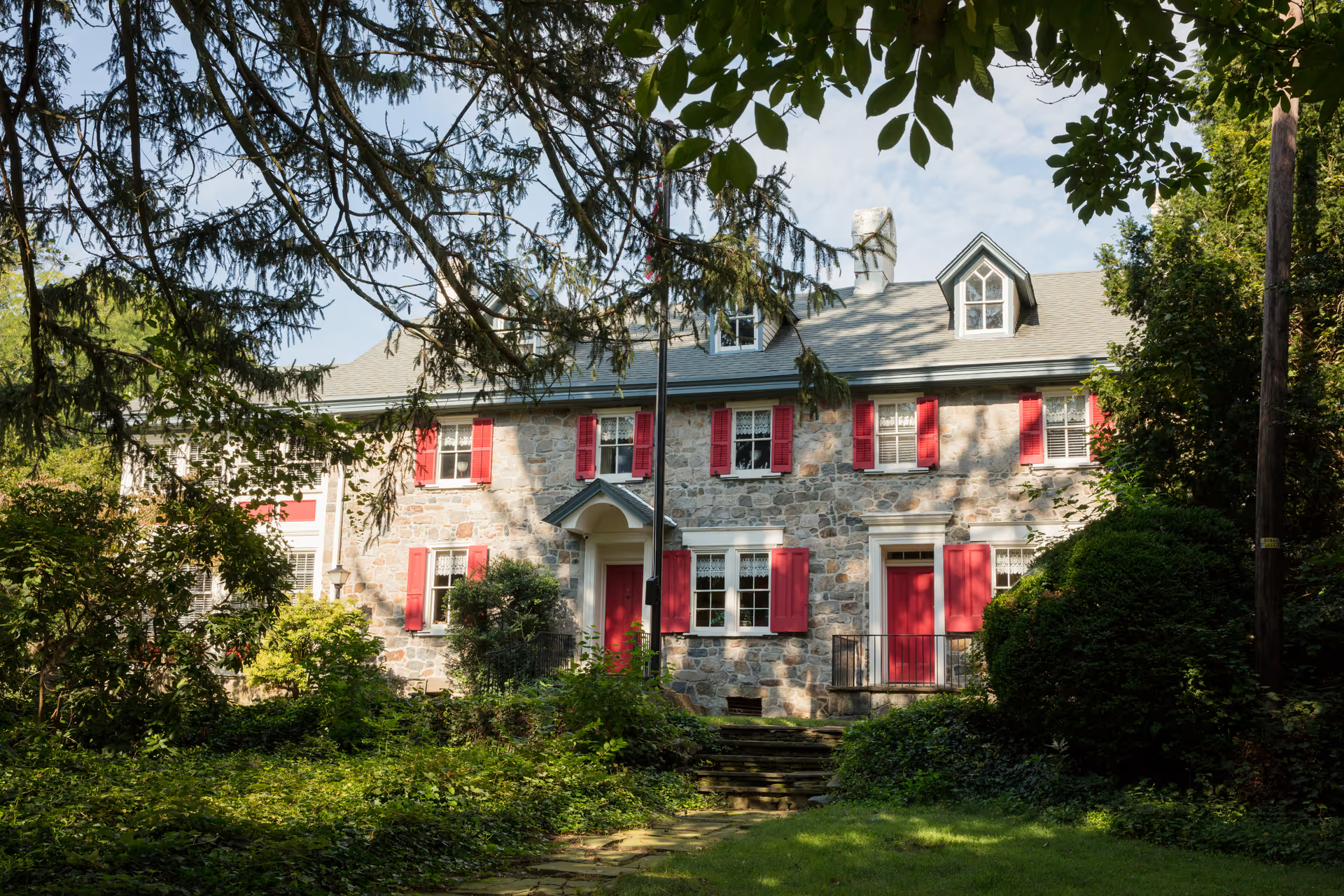
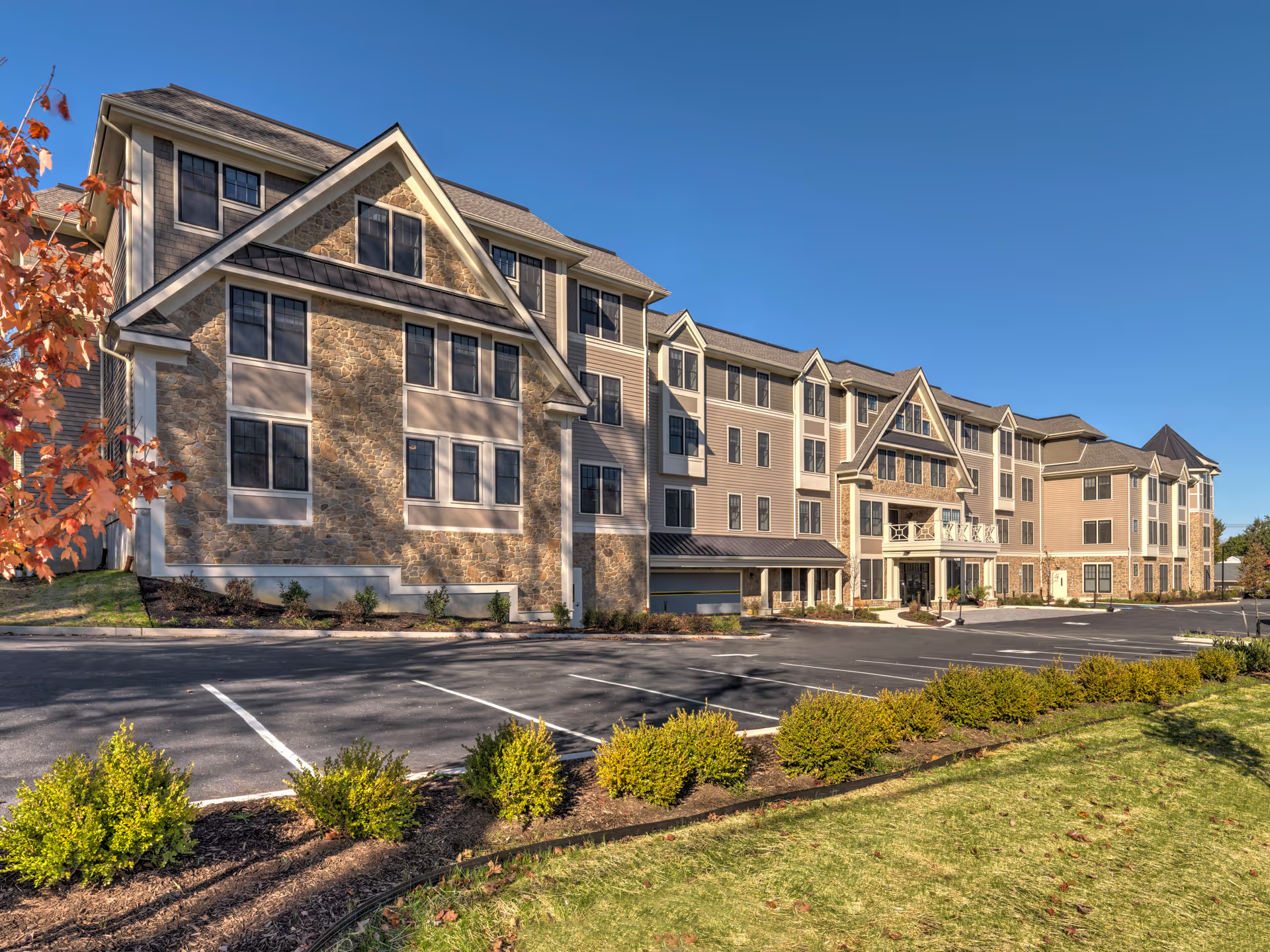
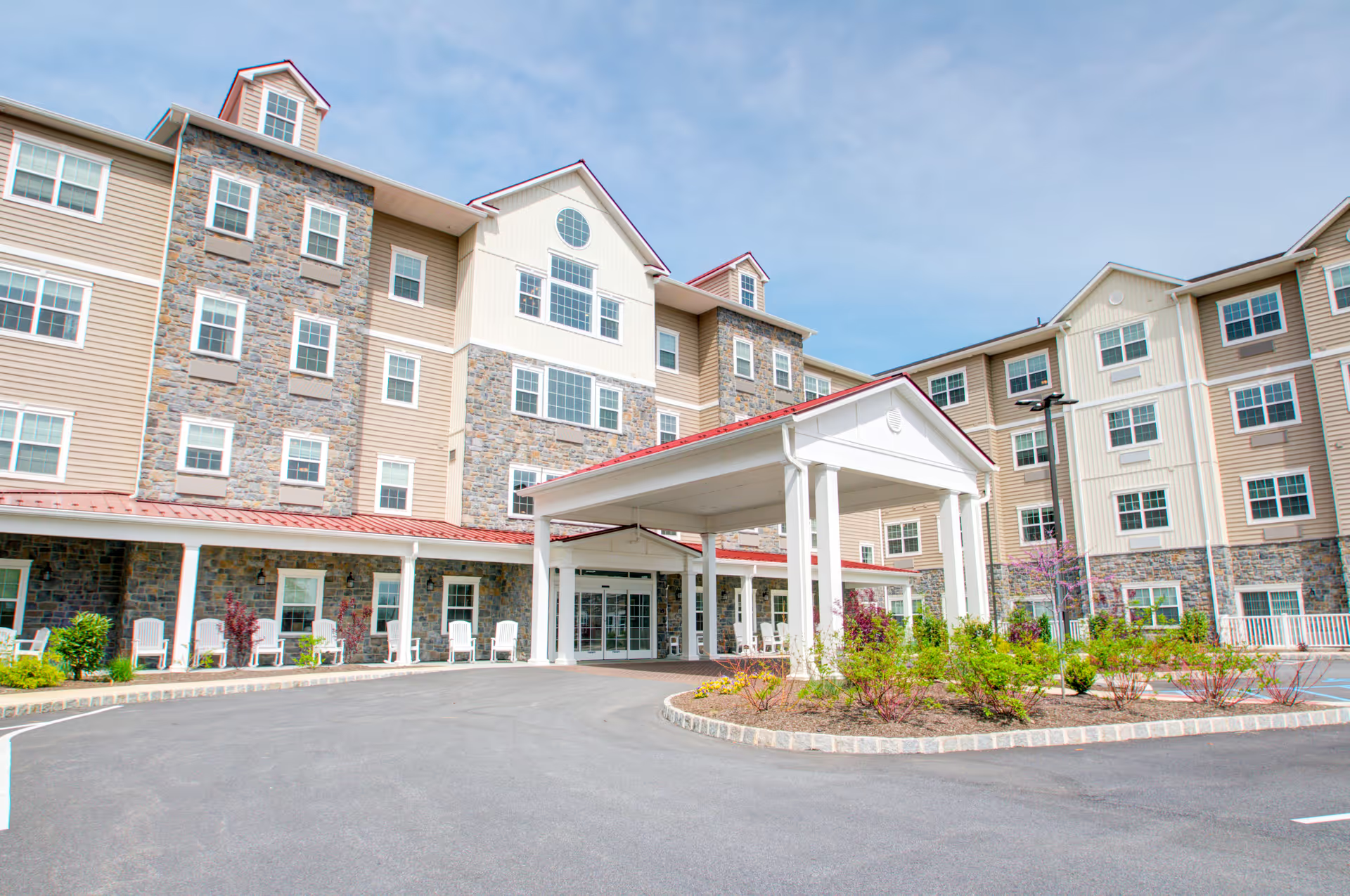
Facility condition and safety show mixed signals. Many reviewers describe a clean, bright facility with engaging common spaces and a pleasant neighborhood location. Conversely, some note physical-safety and accessibility gaps—examples include missing ramps or railings and unit-level maintenance problems such as HVAC or plumbing issues. There are also mentions of cottages lacking alarm or monitoring systems. Management has indicated renovation plans under new ownership, which may address some infrastructure items, but condition appears uneven across the campus.
Administrative themes include both effective admissions/transition support and problematic operational areas. Several reviewers commend smooth move-in processes, helpful front-desk staff, and outreach from marketing and admissions. Opposing comments cite management turnover, billing disputes, and concerns about unit-access controls and property handling; there are allegations of unauthorized entry and mishandling of resident property that warrant caution. These administrative weaknesses—alongside inconsistent documentation such as care plans and sign-out paperwork—point to opportunities for improved policy and oversight.
What to look for during a visit: confirm current staffing ratios and turnover; review medication-safety protocols and incident-response procedures; request examples of documented care plans and family-communication practices; inspect fall-prevention features and accessibility for the specific unit; ask about security measures for resident units and property; and sample dining service at meal times. Overall, Encore at Wilmington demonstrates notable strengths in person-centered caregiving, therapy, and social programming, but the mixed operational reports indicate the value of targeted questions and recent verification of corrective actions before placement.