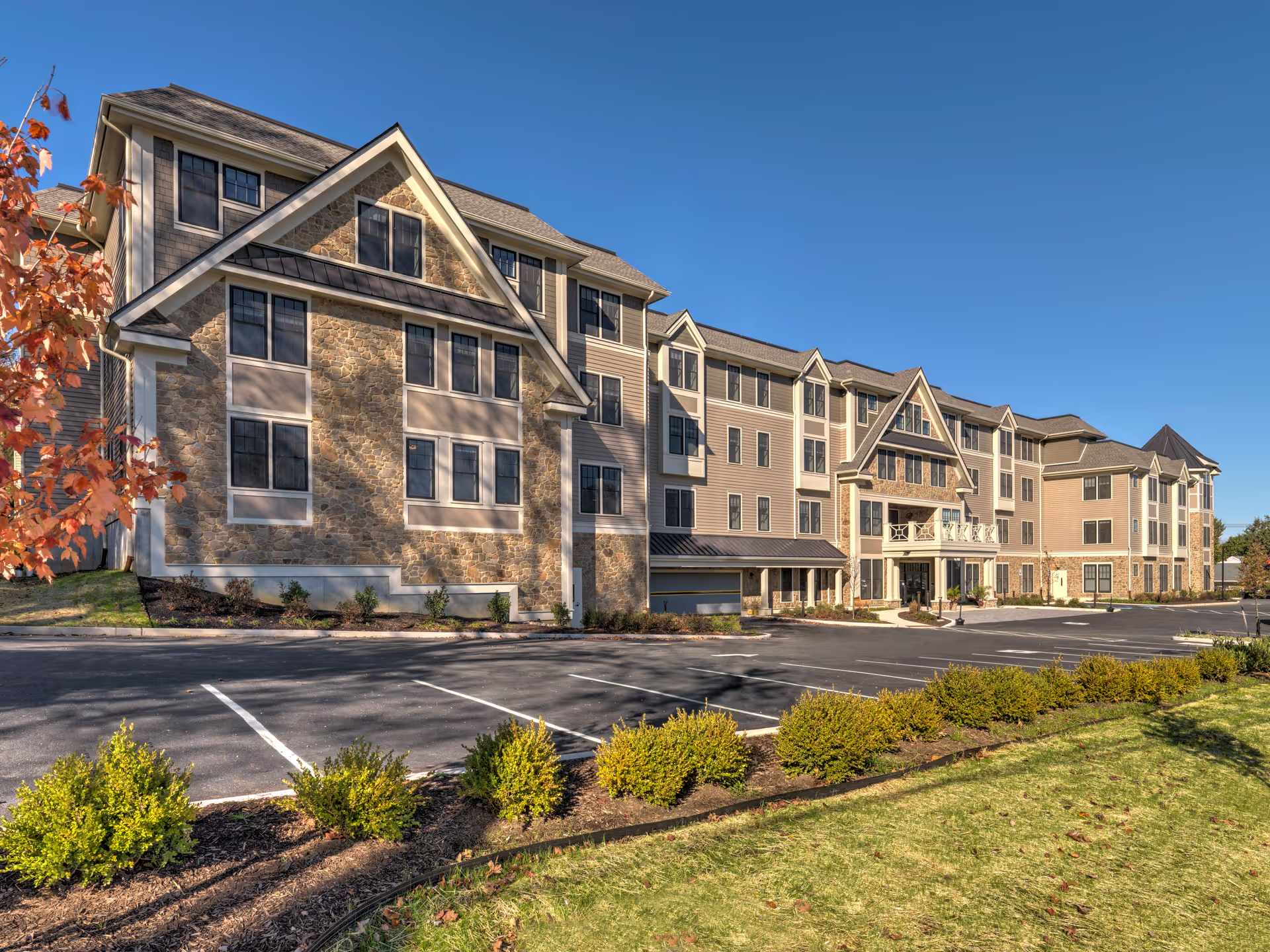
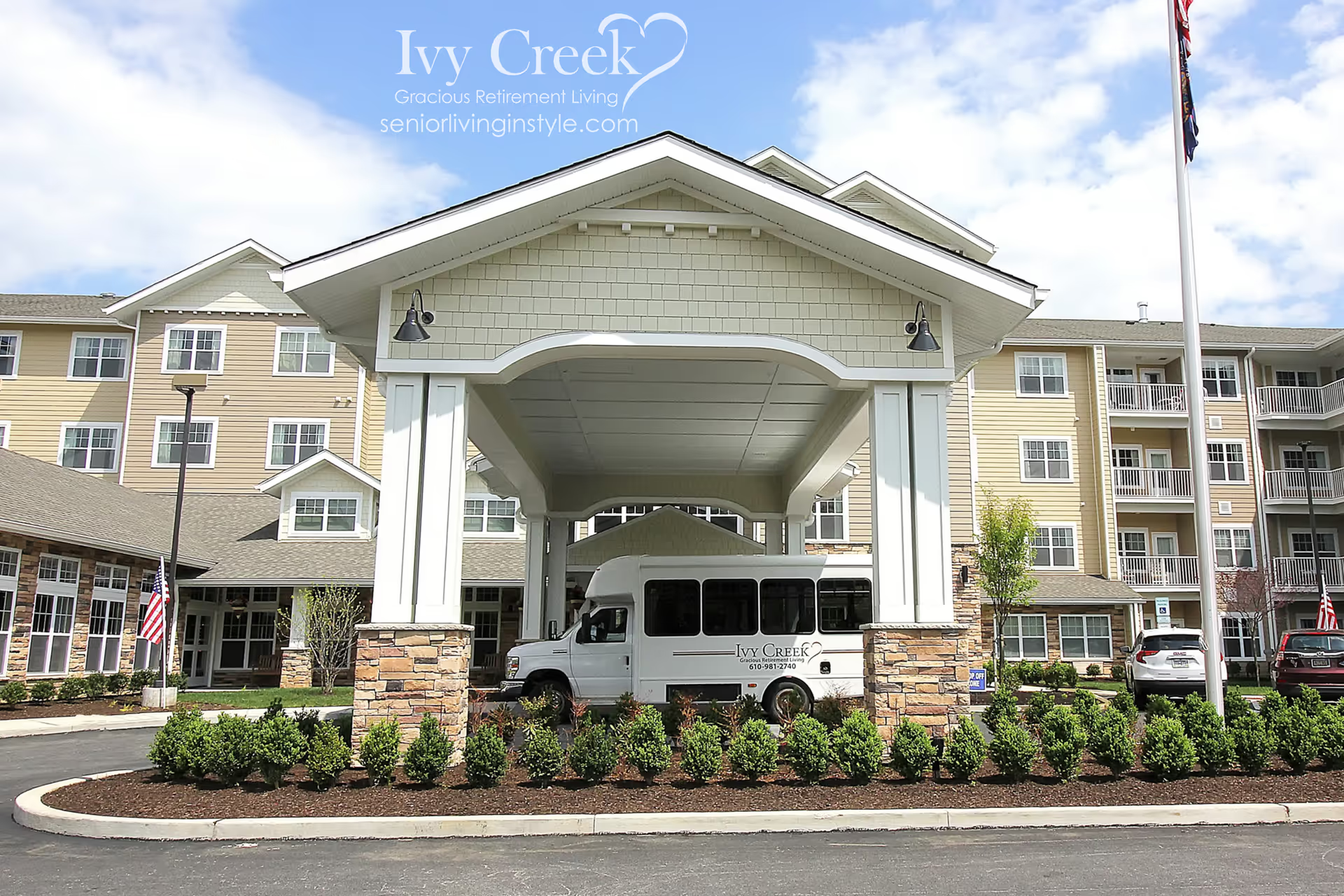
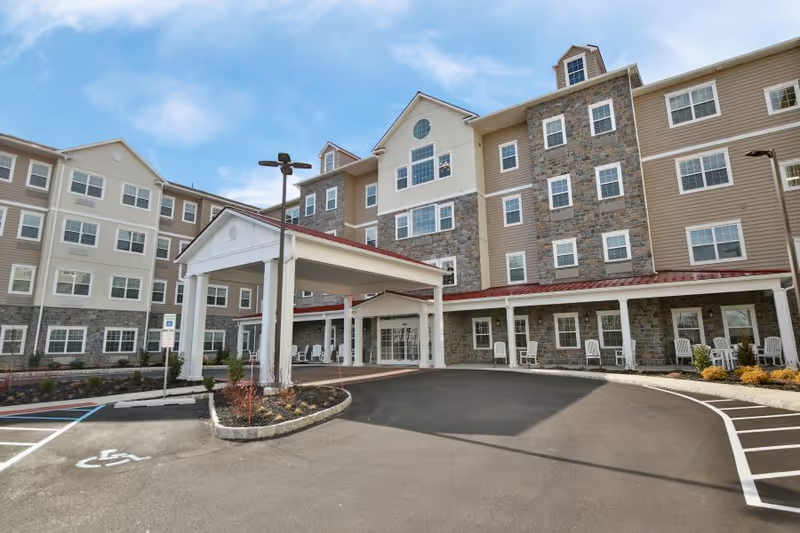
Foulk Living is described across reviews as a staff-driven, small-to-midsize senior community that offers a broad continuum of care—from independent cottages through assisted living and skilled nursing, including a memory-care unit. The dominant theme in the feedback is strong interpersonal care: nurses, aides, therapists, activities personnel, and several administrators are repeatedly characterized as compassionate, attentive, and engaged. Rehabilitation services and therapy teams receive frequent praise for restoring function during short-term stays, and clinical coordination is aided by in-house providers and an involved Director of Nursing in many instances. The facility's small, personal feel, attractive grounds, pet-friendly policies, and renovated communal spaces are commonly cited as advantages for socialization and quality of life.
Dining and activities are important strengths but also sources of variability. Many families and residents applaud the quantity and variety of programs—bingo, exercise classes, arts and outings—and note an active social calendar and transportation services. At the same time, activity scheduling can be uneven (with fewer evening options noted) and some reviewers would like expanded programming. The dining experience is described positively by numerous residents (well-presented meals, flexible dining hours), yet other accounts describe inconsistent meal temperature, repetitive menus, and occasional shortages or service lapses. Overall, potential residents should expect an active social program but also should confirm current menu rotation and meal-service reliability during a tour.
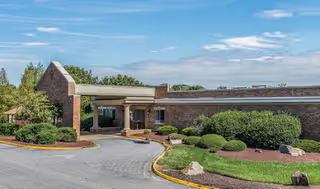
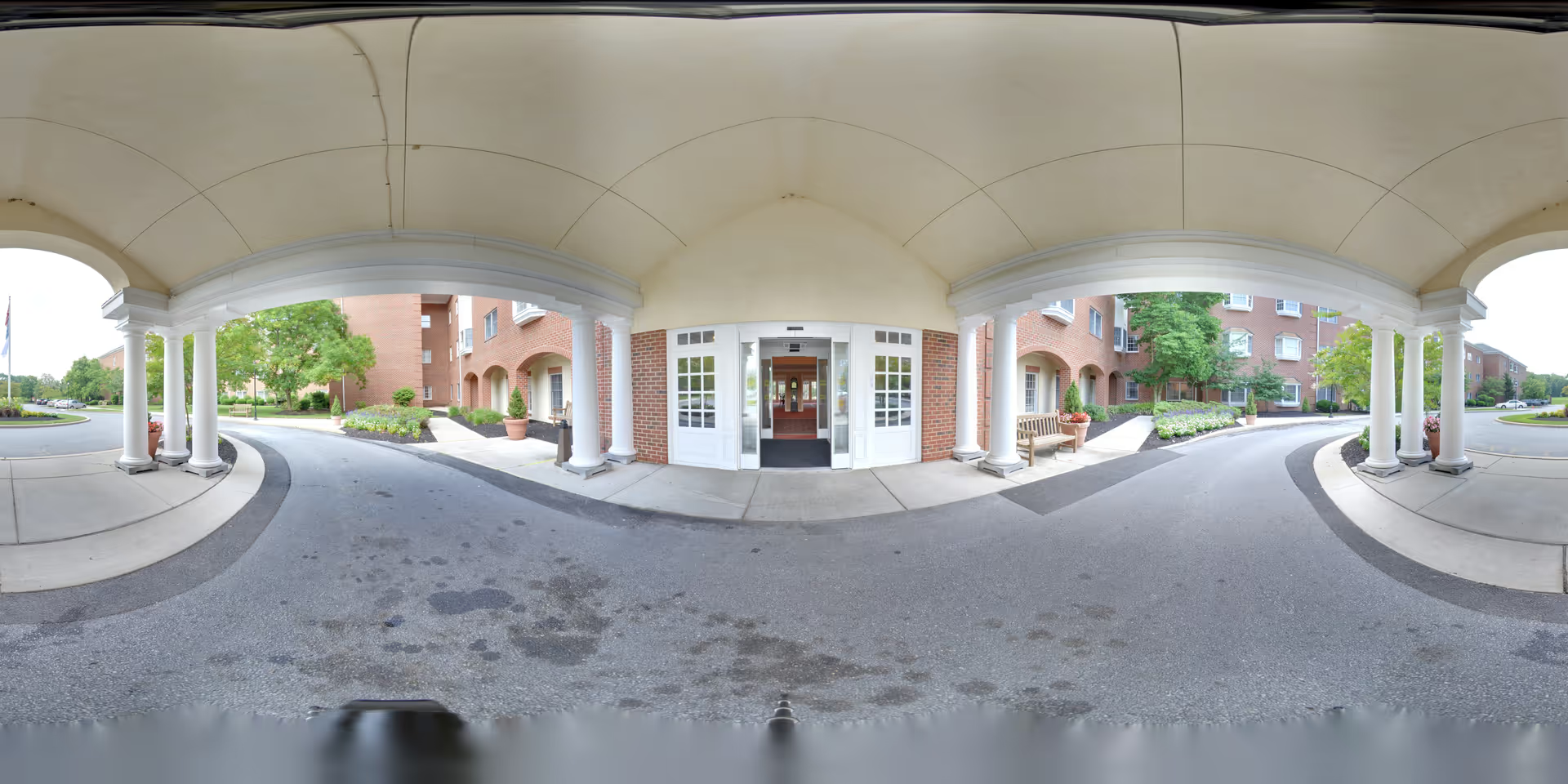
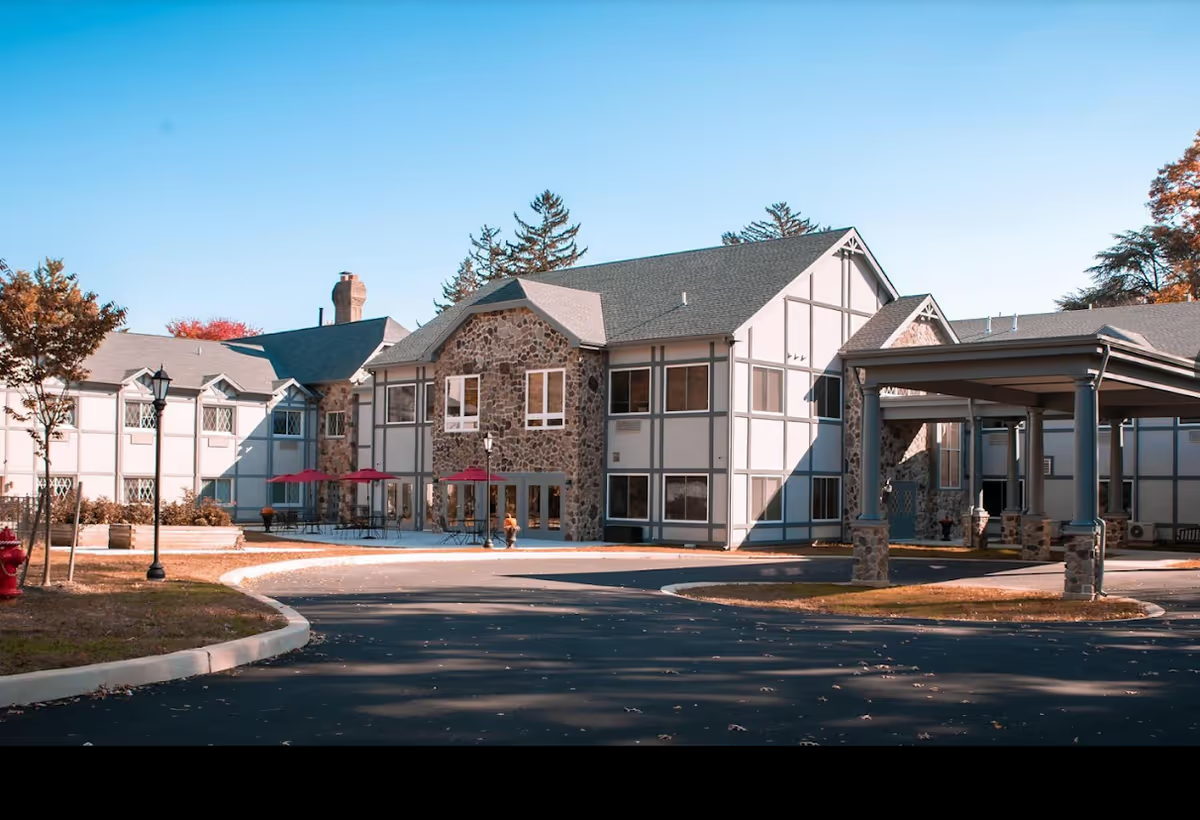
Facility condition and maintenance show a mixed picture. Several areas have been renovated and many common spaces and rooms are described as clean, bright, and freshly updated. Outdoor spaces, gardens, and a screened-in patio receive consistent praise. Conversely, recurring remarks point to localized maintenance shortfalls—threadbare furniture in places, malfunctioning automatic doors, porch repairs, and delayed completion of tasks. These issues tend to be described as intermittent rather than systemic, but they indicate that some parts of the campus may still be mid-renovation or require ongoing attention.
Operational and management themes merit careful consideration. While many reviewers praise individual leaders and note tangible improvements under new management, there are also repeated concerns about administrative responsiveness, phone-system reliability, and communication with families—especially during clinical incidents or transitions. Staffing variability and turnover are reported in some units, which can affect continuity of caregivers and timeliness of routine services (housekeeping, laundry). A subset of reviewers raised clinical concerns including medication-management and incident response; these comments suggest the value of clarifying clinical protocols, medication oversight, and escalation pathways during any pre-admission discussions. Additionally, families should be aware of potential financial and placement-process delays such as Medicaid eligibility or waitlist issues in certain cases.
In summary, Foulk Living presents as a community with strong relational care strengths: engaged nurses and therapy teams, active programming, and a family-like atmosphere in many units. The primary operational trade-offs identified across feedback are variability in meal service and facility upkeep, intermittent administrative and communications responsiveness, and occasional staffing or therapy-availability inconsistencies. Prospective residents and families would benefit from an in-person tour that focuses on current staffing levels for the intended unit, recent renovation completion, meal-sampling, specifics of medication-management and clinical escalation procedures, and clarification of financial/eligibility timelines before making a placement decision.