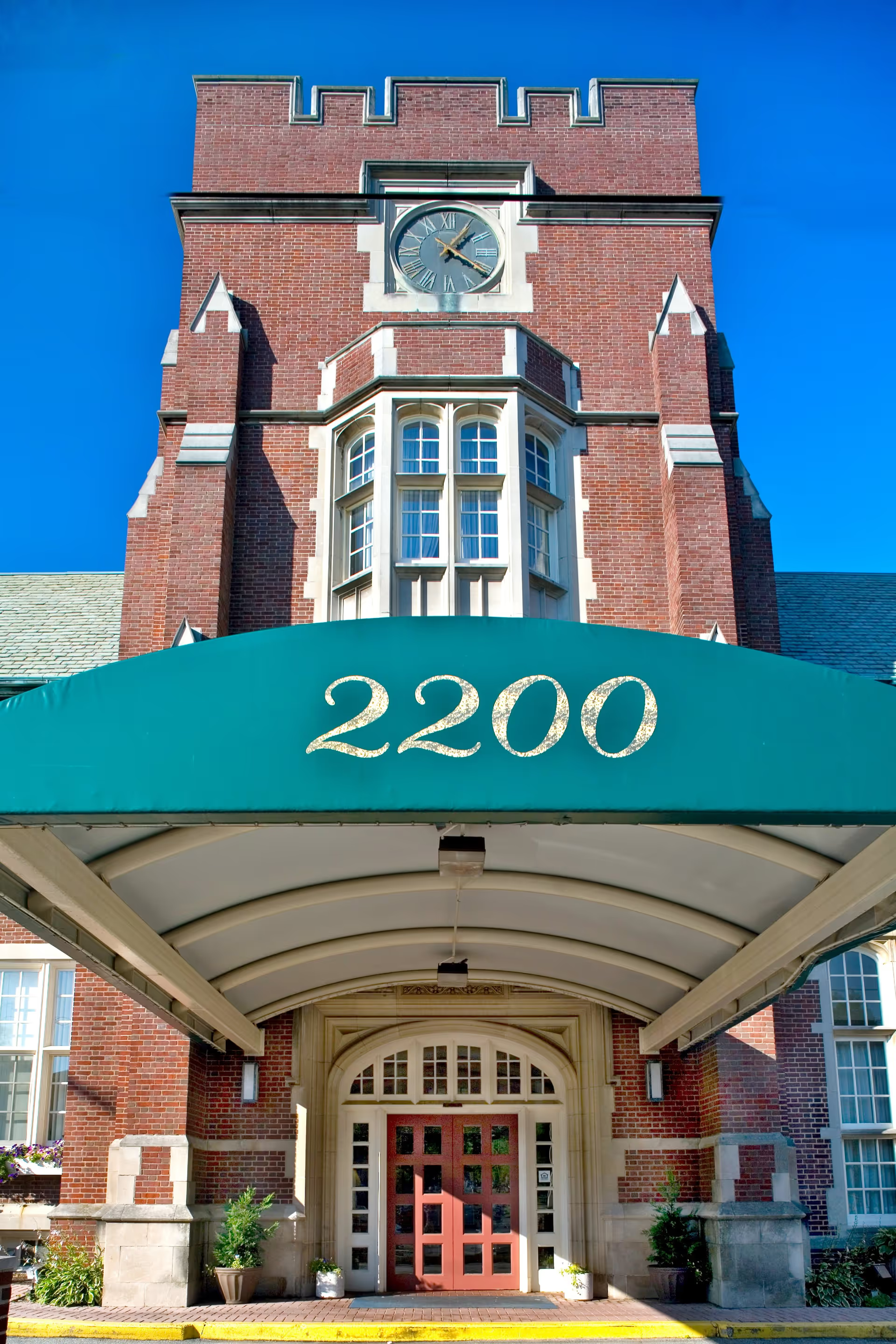
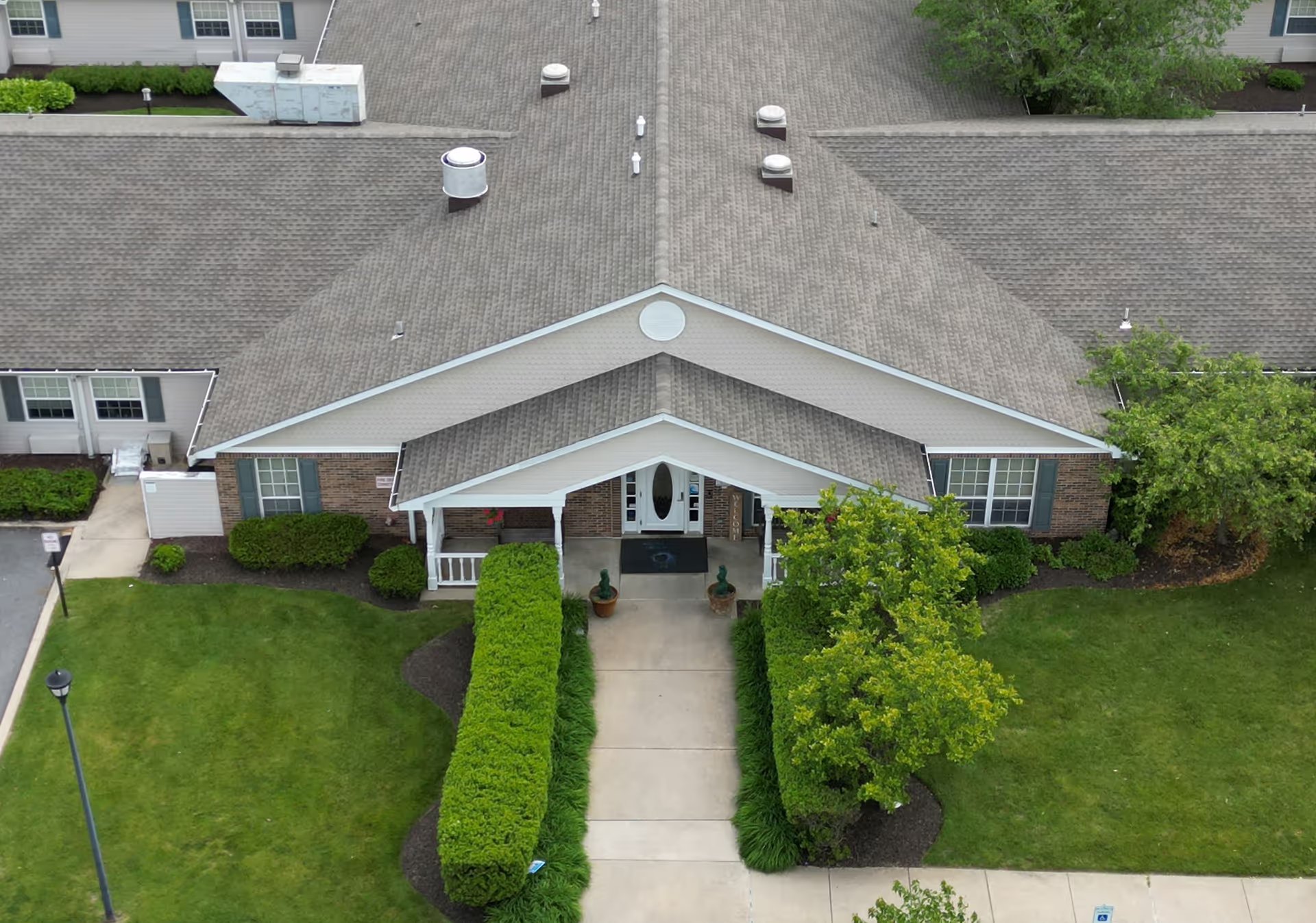
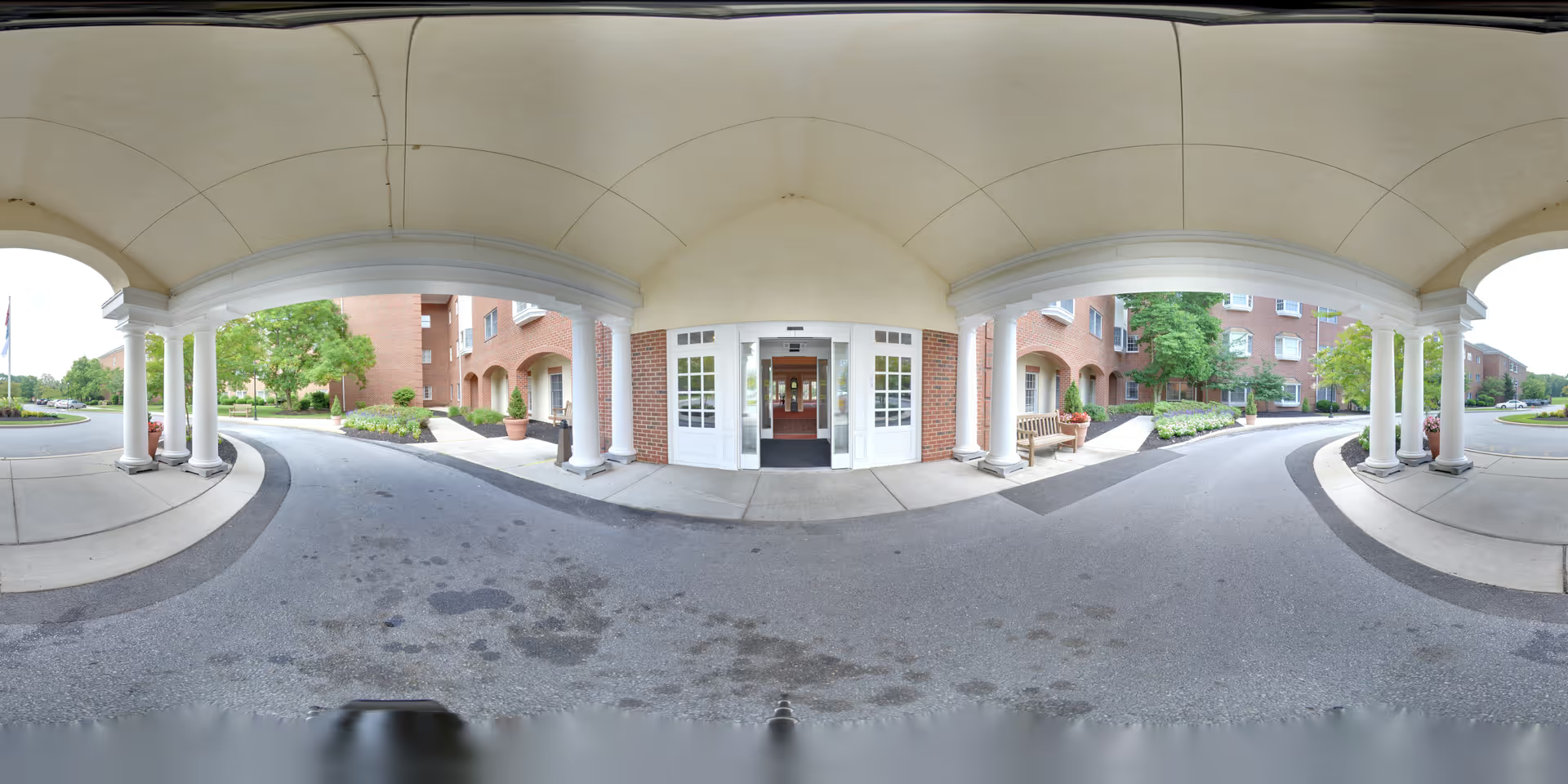
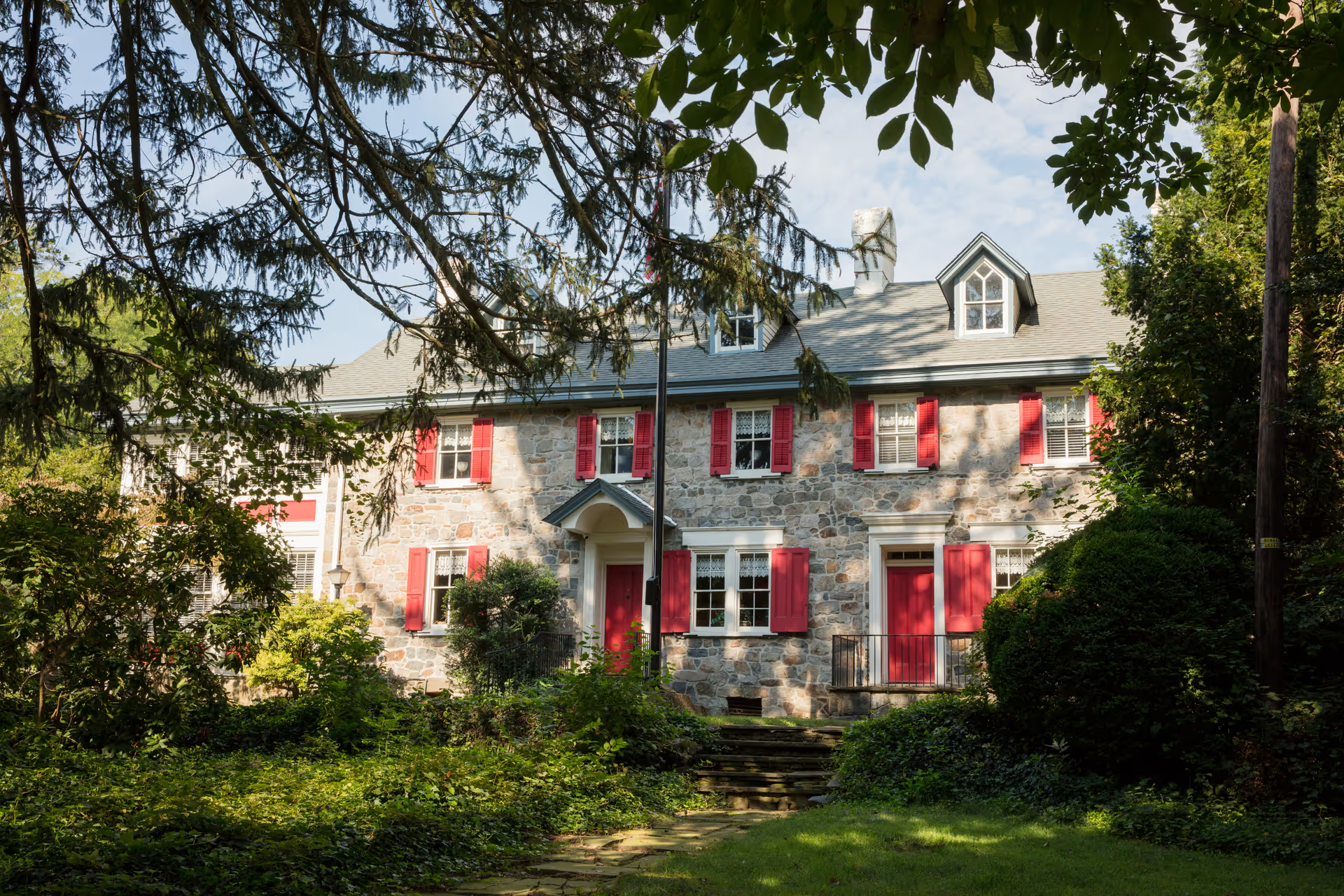
Kentmere Rehabilitation and Healthcare Center elicits a mixed picture. Many families and residents describe a facility with compassionate caregivers, a strong rehabilitation program, and an engaging activity schedule in a bright, well-appointed building. Positive comments commonly reference attentive CNAs and nurses, effective PT/OT services that support recovery, sunny private rooms and outdoor spaces, a welcoming community atmosphere, and accessible grounds near restaurants and cultural venues.
Care quality assessments vary. Numerous accounts praise hands-on caregiving, therapy progress, and supportive hospice services; these suggest the facility can deliver solid rehabilitative and palliative care when staffing and clinical oversight are functioning as intended. However, there are also recurring operational concerns: inconsistent staffing coverage, delays in responding to resident calls and alarms, gaps in personal-care assistance (including bathing and toileting support), and uneven medication/clinical management. Reviewers have raised issues that align with weaknesses in fall prevention and monitoring, and some described mobility-related complications and pressure-injury prevention shortcomings.
Staffing and supervision present a split impression. On the positive side, many reviewers highlighted caring, personable staff and visible, approachable leadership that addresses concerns quickly. Several comments mentioned improved leadership and better communication after management changes. Conversely, other accounts describe role-mix problems (for example, nurses working as nursing assistants), limited staff availability on certain shifts, and examples of staff conduct or hallway distractions that undermine timely care. Dementia care and unit placement also appear inconsistent; some families found the memory-care program well run, while others experienced inappropriate placement or insufficient supervision for residents with cognitive impairment.
Dining and activities are generally seen as strengths, with multiple mentions of good meals and meaningful social opportunities. At the same time, there are operational gaps related to diet accommodations and service consistency: occasional wrong diets being served or difficulty meeting special dietary needs were noted. The activity program—music, games, therapeutic tasks, and outings—receives frequent praise for contributing to resident engagement and mood.
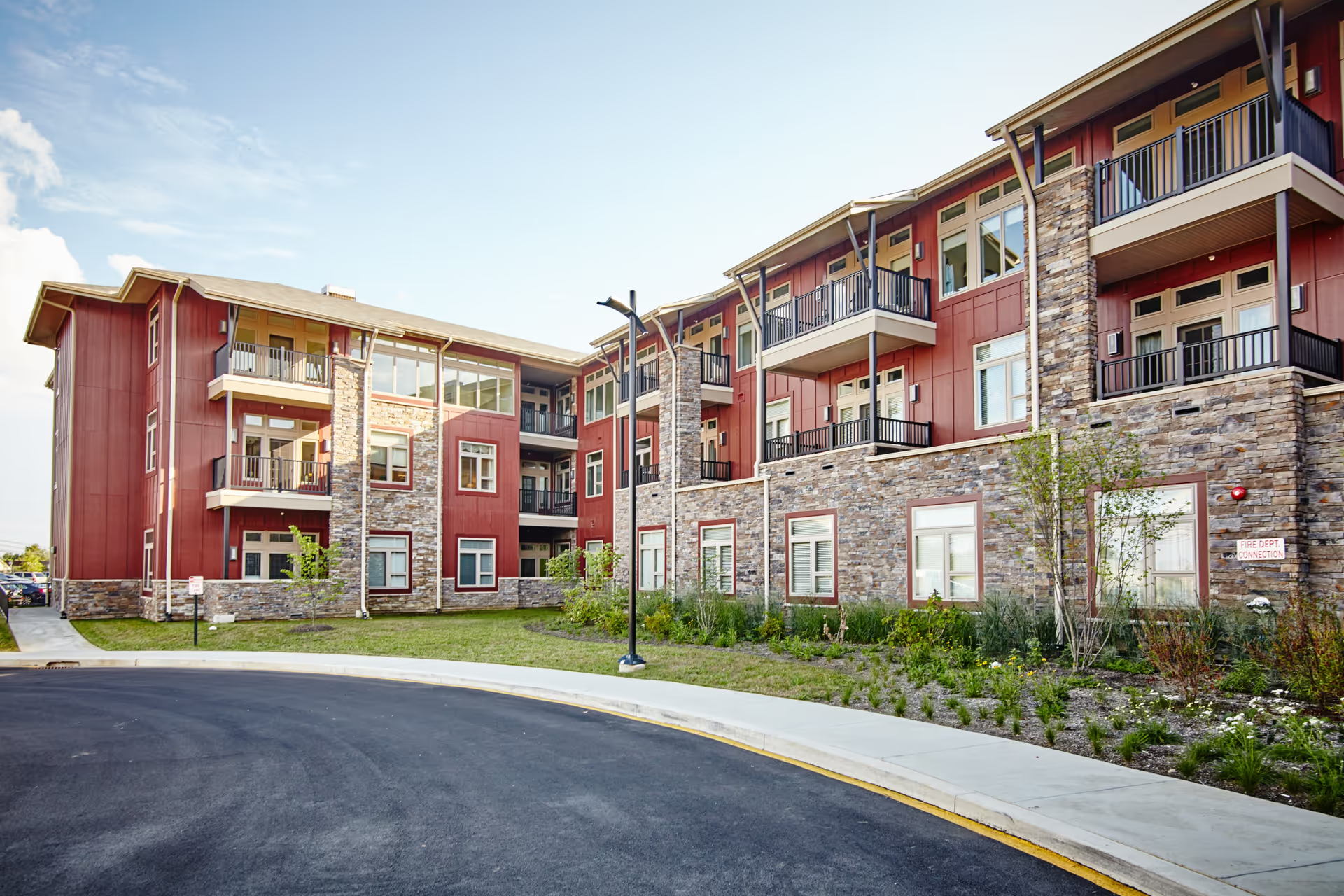
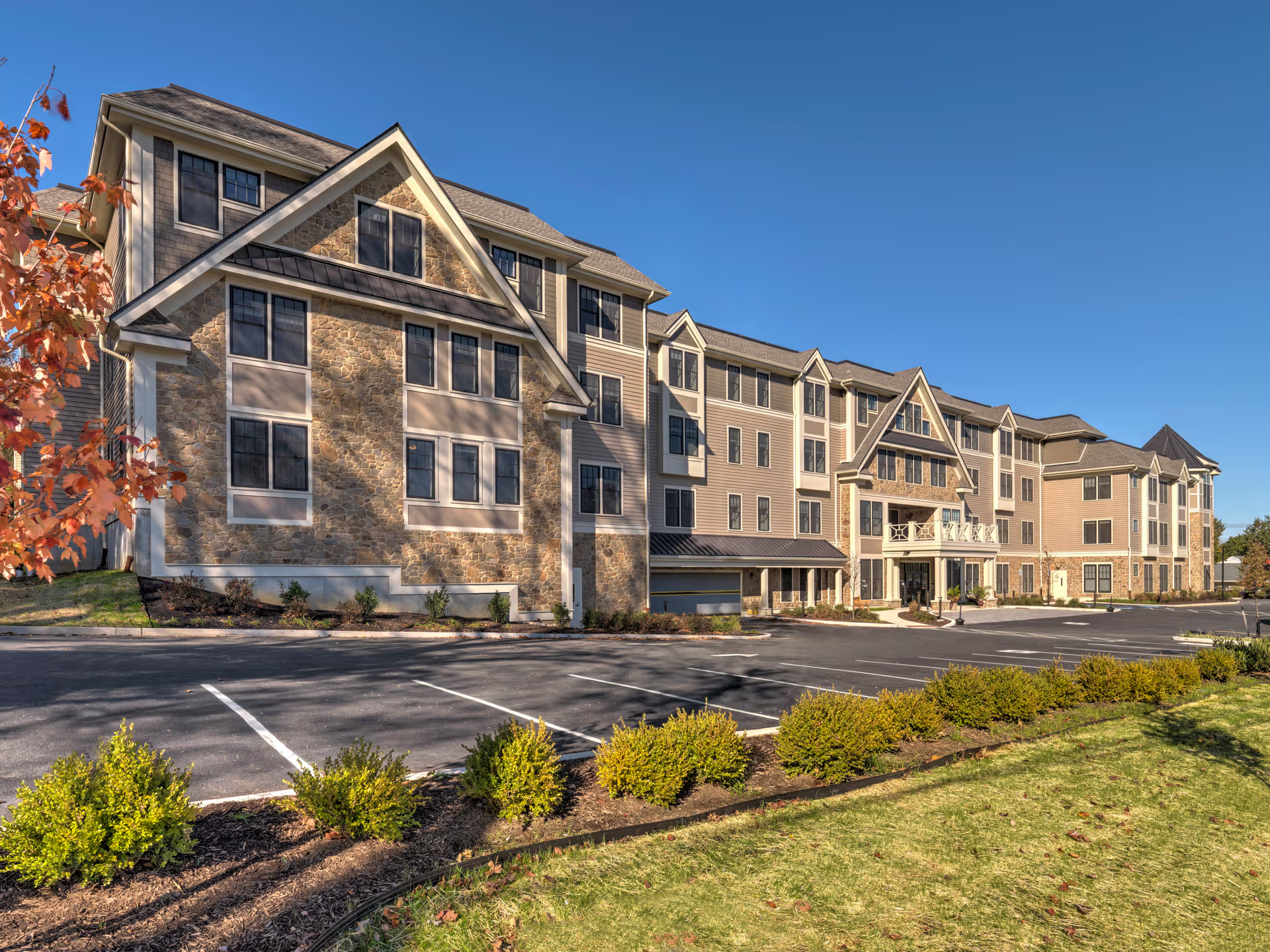
Facility condition comments are mixed. Many reviewers describe clean, bright rooms and a pleasant environment; others cite variability in housekeeping, episodic odor concerns, and pest-control issues that require attention. The building’s layout and proximity to neighborhood amenities are appreciated, and several mentions of wheelchair-friendly access indicate reasonable physical accessibility. Maintenance responsiveness appears uneven across reports.
Management and communication show improvement in some accounts and shortcomings in others. Some families praised a responsive admissions director and visible management who resolve issues; others described dismissive nursing leadership, difficulty obtaining timely information, and limited visiting or informational access. Prospective families should weigh these variability signals when evaluating the facility.
Recommendations for prospective residents and families: tour the memory-care unit to confirm appropriate placement and supervision, ask for current staffing ratios and on-shift skill mix, review fall-prevention and monitoring protocols, inquire about pest-control and sanitation practices, confirm procedures for diet accommodations and medication administration, and request examples of family communication procedures and escalation pathways. An in-person visit during different shifts can help assess consistency of care, staffing responsiveness, and overall cleanliness.