The reviews for Regency Healthcare & Rehab Center are polarized: a number of families and former residents describe positive clinical outcomes, attentive caregivers, and an active social program, while other accounts raise operational and conduct-related concerns. Overall, the facility appears capable of delivering effective short-term rehabilitation and supportive long-term care for some residents, but experiences appear inconsistent across shifts, units, or time periods.
Care quality and clinical oversight: Many comments highlight strong therapy and rehabilitation services, with therapists who helped residents regain independence and clinicians who administered medications on time. At the same time, there are recurring concerns about the nature of clinical attention — specifically, perceptions that care can be medication-focused rather than holistic, and gaps in assistance with feeding, clothing, and other activities of daily living. End-of-life and comfort-care experiences were described positively by some and unsatisfactory by others, indicating variability in the facility’s palliative and comfort-care delivery.
Staff and communication: Numerous reviewers praise compassionate, professional aides and responsive administrative staff, and several accounts note effective family communication facilitated by nursing leadership. Opposing reports describe rude or insensitive interactions, poor bedside manner, and difficulty reaching staff or receiving courteous phone responses. These contrasting perspectives suggest inconsistent staff training, supervisory oversight, or turnover that affects resident experience.
Dining and activities: Activity programming is consistently identified as a strength; bingo, Pokeno and other social events were repeatedly mentioned as engaging and beneficial for resident quality of life. Dining feedback is mixed — some reviewers called meals excellent, while others described the food as unsatisfactory. This points to uneven dining quality or variations by menu cycle or shift.
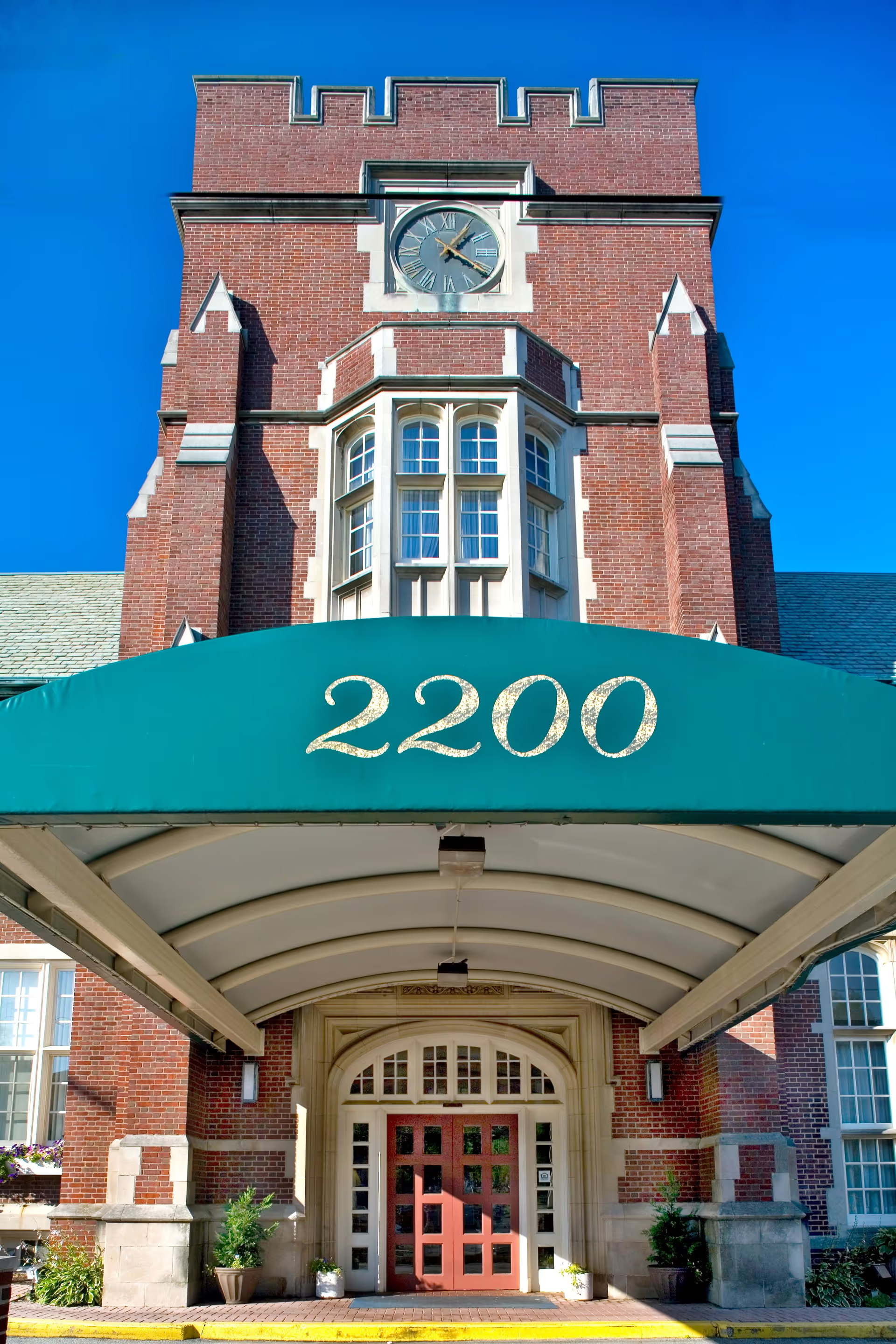
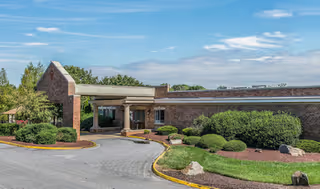
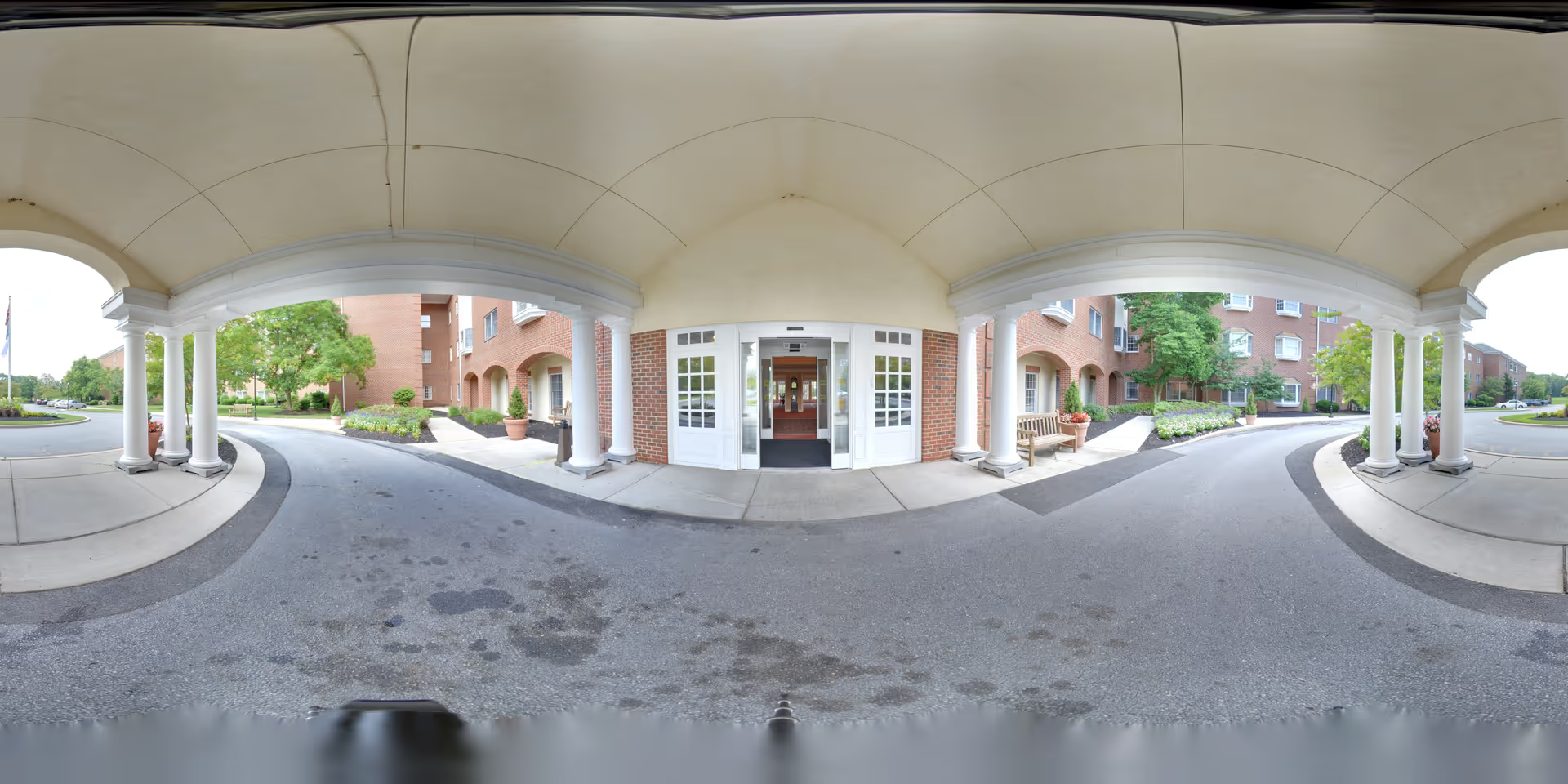
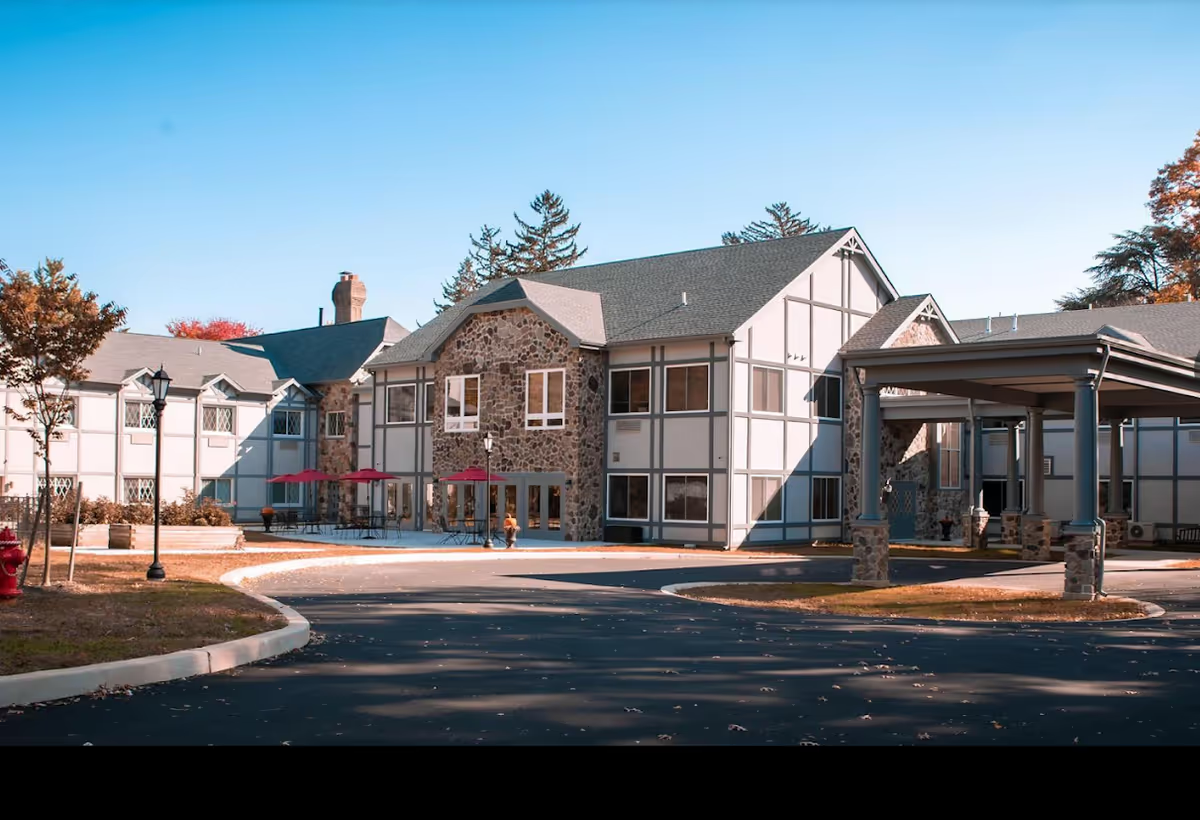
Facilities and cleanliness: Several reviewers describe the building as clean, well-maintained and welcoming, while others reported sanitation concerns, odors in certain areas, and sections of the facility that appear in need of renovation. The physical environment therefore appears variable, with some units or common areas better kept than others.
Management and operational patterns: A consistent theme among negative reviews is understaffing or inconsistent staffing levels, which reviewers connect to delayed assistance and weaker oversight. Additional operational concerns include perceived punitive management practices, inconsistent discharge and transition planning for some families, and serious allegations of staff misconduct including theft. Prospective families should treat these as important topics to address with leadership.
Recommendations for prospective residents and families: given the mixed feedback, an on-site visit and targeted questions are advisable. Ask about current staffing ratios by shift, training and supervision practices, procedures for personal‑care assistance, medication administration protocols, theft-prevention and property-tracking measures, dining menus and accommodations, recent renovation plans, and how complaints or incidents are investigated and communicated to families. Checking recent inspection reports and speaking directly with the administrator or director of nursing about specific concerns noted above can help clarify whether the aspects of care and operations most important to you are being reliably met.