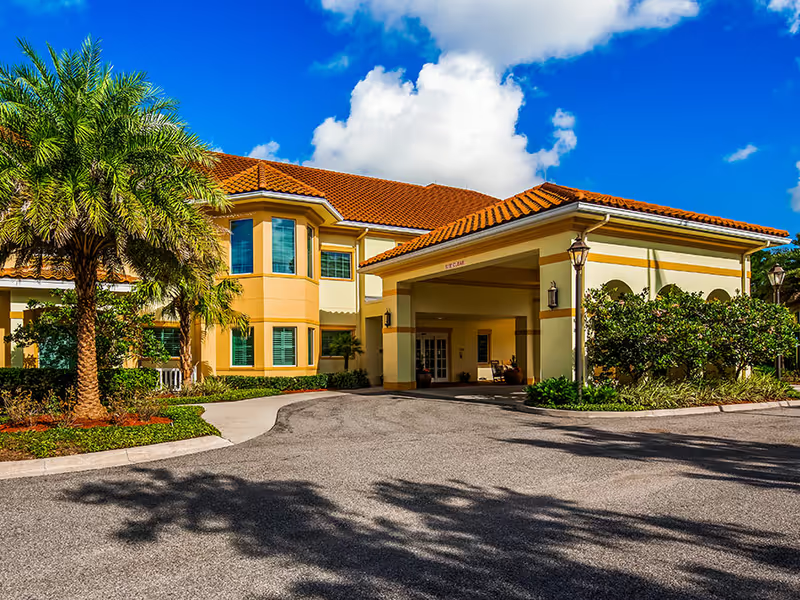
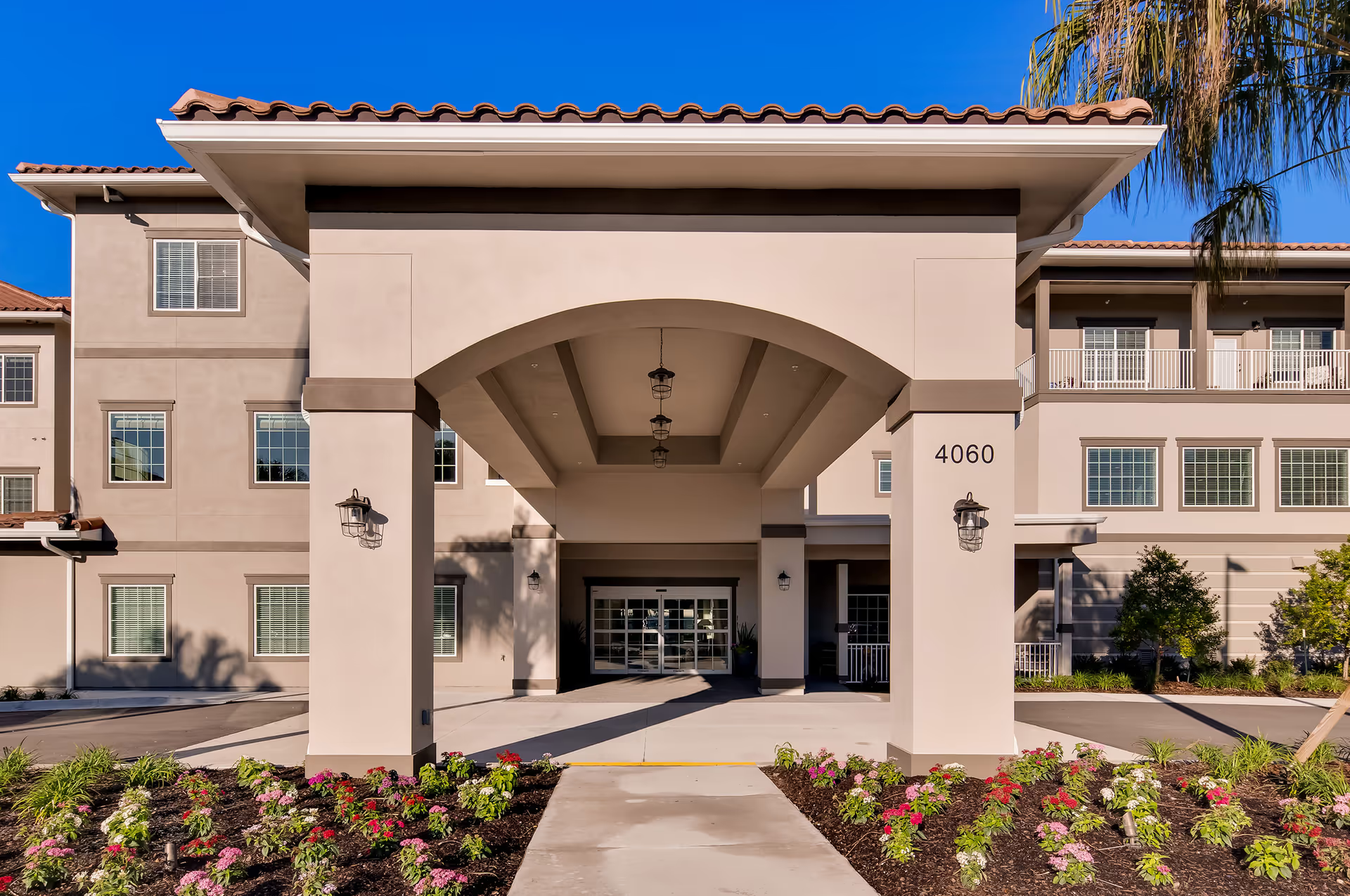
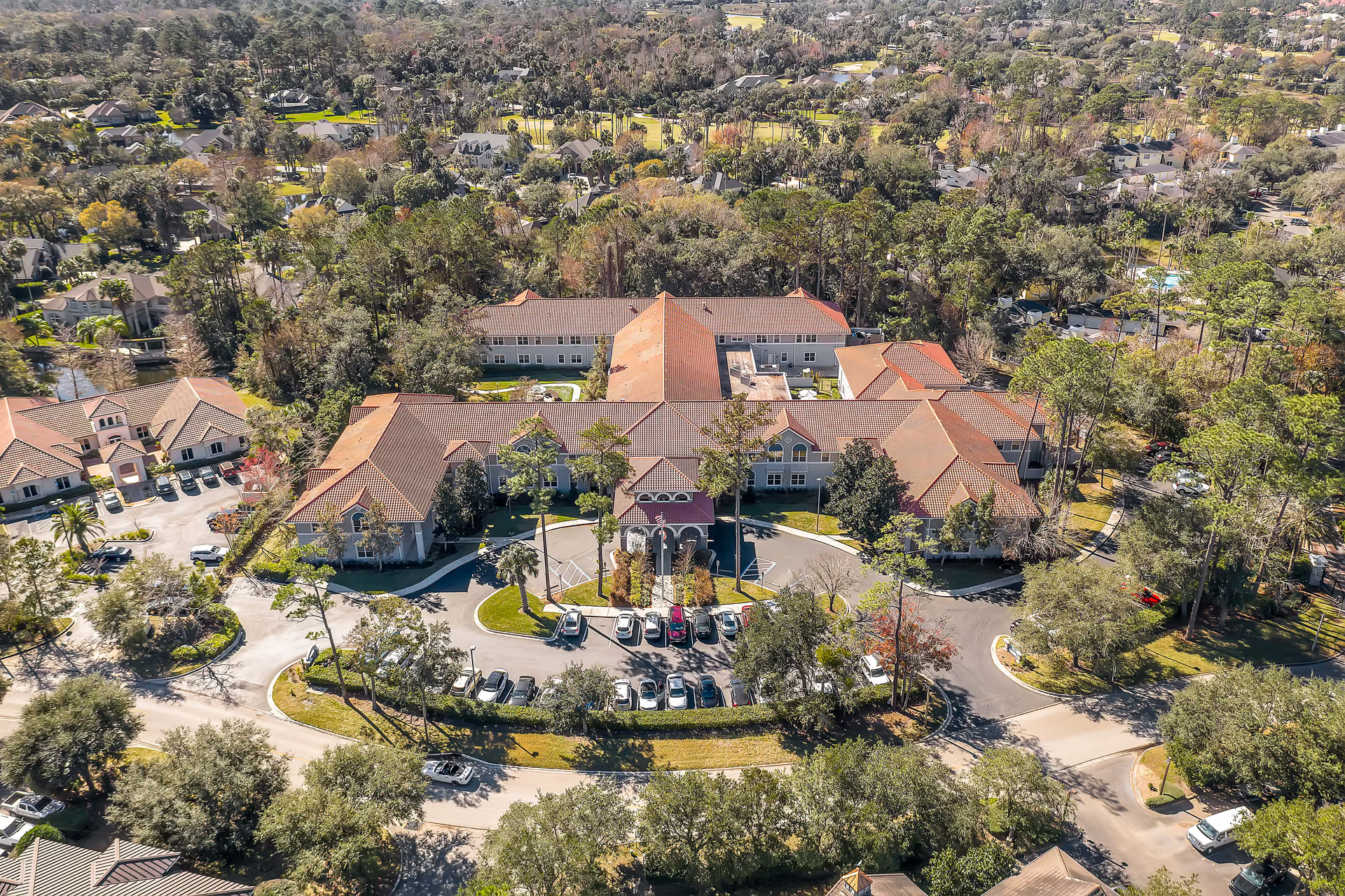
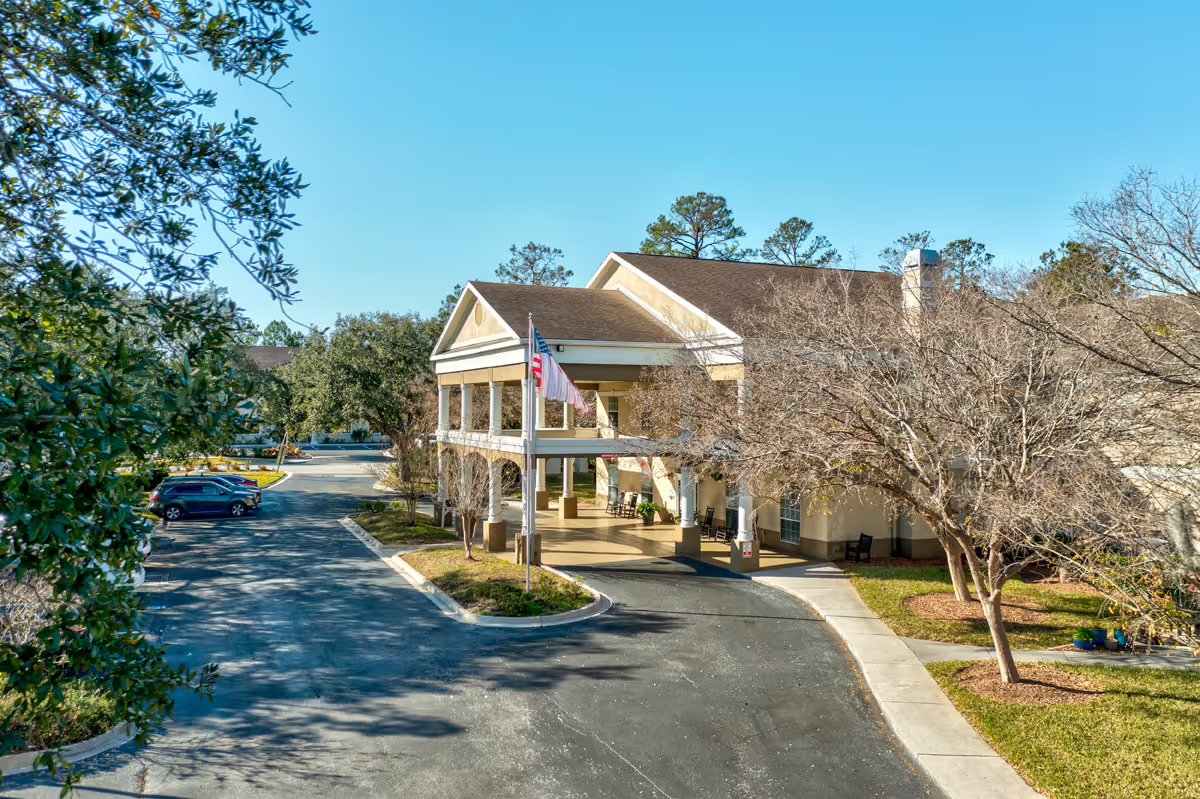
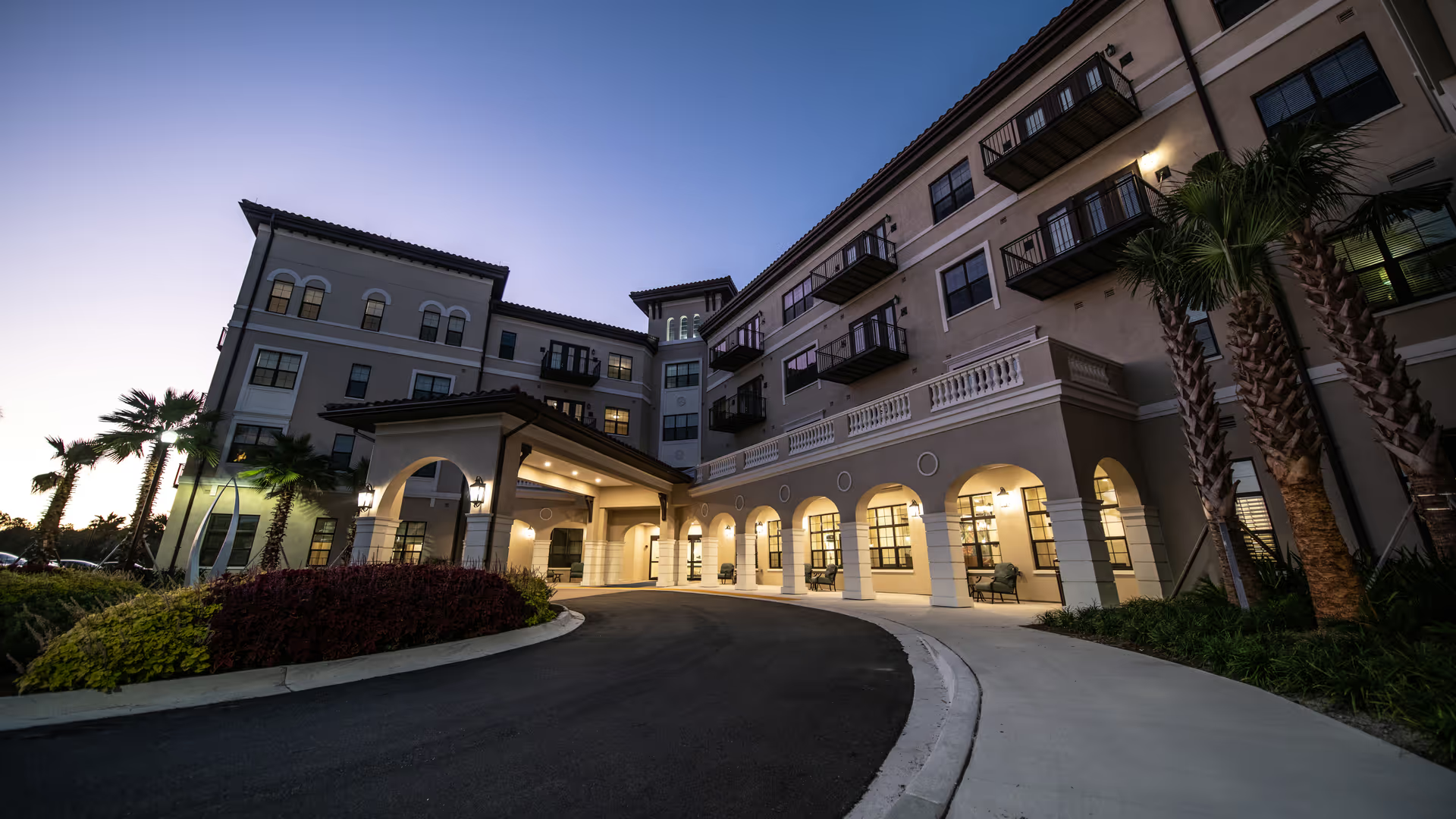
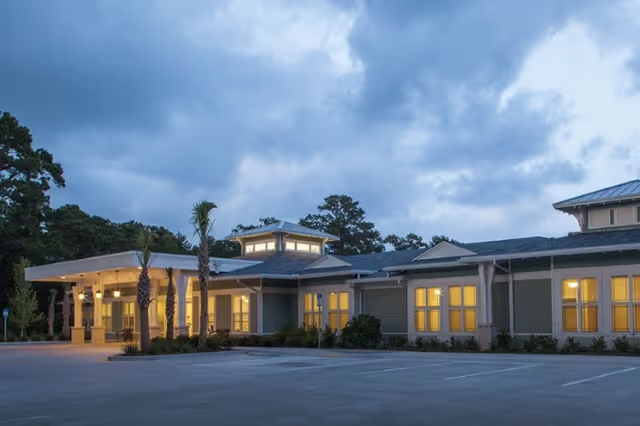
The reviewer summaries describe a facility with a strong physical environment and many relational strengths alongside recurring operational weaknesses. The building, grounds and common spaces are consistently praised — reviewers describe a clean, well‑decorated facility with amenities such as a salon, theater, screened porches, gardens and regular community events. Many families and residents note warm, attentive caregivers, friendly front‑desk staff, and an overall social, family‑like atmosphere that provides comfort and engagement when staffing and processes are functioning well.
Care quality is mixed in these summaries. Positive accounts emphasize compassionate CNAs, engaged memory‑care teams, responsive nursing leadership and individualized attention that deliver peace of mind. Conversely, a set of serious clinical concerns appears across multiple summaries, including significant weight loss, dehydration, serious wound/tissue problems and multiple emergency visits in some cases. Those accounts suggest gaps in continuous clinical oversight, assessment, documentation and timely intervention. Because these are significant outcomes, prospective families should ask specific questions about clinical protocols, monitoring of weight/hydration and wound prevention, and escalation pathways to higher levels of care.
Staffing and staff stability are prominent themes. Reviewers praise individual staff members and occasional strong executive presence, but many also describe inconsistent staffing levels, long wait times for assistance, lack of RN coverage around the clock, and frequent turnover among nursing and leadership positions. These staffing patterns are linked in the summaries to delays in medication administration, variable activity delivery, housekeeping inconsistencies and episodic disorganization during admissions or after incidents.
Dining and activities show divergence between reviewers. Several accounts describe nutritious, varied, even gourmet meals and a robust calendar of activities, music and off‑campus excursions. Others describe small meal portions, frozen or inconsistent food quality, limited menu choices in some units, and minimal engagement from the activities team. This variability suggests that dining satisfaction and program engagement may depend heavily on staffing, kitchen workflows and leadership consistency on particular shifts.
Operational and management patterns include disorganized move‑in coordination in some experiences, inconsistent housekeeping/laundry practices, and uneven communication with families after clinical events. Positive admissions experiences are also described — professional move‑in teams and structured introductions — but the presence of both well‑executed and poorly executed admissions processes points to variability in training and cross‑shift coordination. Weekend services and some ancillary functions (trash service, weekend nursing) are noted as limited.
Notable patterns: the facility elicits polarized impressions — several reviewers describe an excellent, loving, well‑run community; others recount serious lapses that had negative clinical consequences. Common clustering of concerns points to systemic issues: staffing levels, clinical oversight during off hours, medication‑administration controls, and consistency of housekeeping and dining services. When the organization is functioning with stable leadership and adequate staffing, reviewers describe high satisfaction; when turnover or short staffing occurs, operational weaknesses become more apparent.
For families touring the site, the salient questions are operational and measurable: current staffing ratios by shift and unit, RN coverage policy and on‑call arrangements, medication‑management procedures and error‑tracking, policies for monitoring weight/hydration and skin integrity, weekend service availability, housekeeping and laundry protocols, and the facility's incident‑notification and family‑communication process. Asking for recent survey/inspection documentation and references from families whose loved ones share similar care needs (assisted living versus memory care) can help assess whether the facility's strengths align with an individual resident's clinical and social requirements.