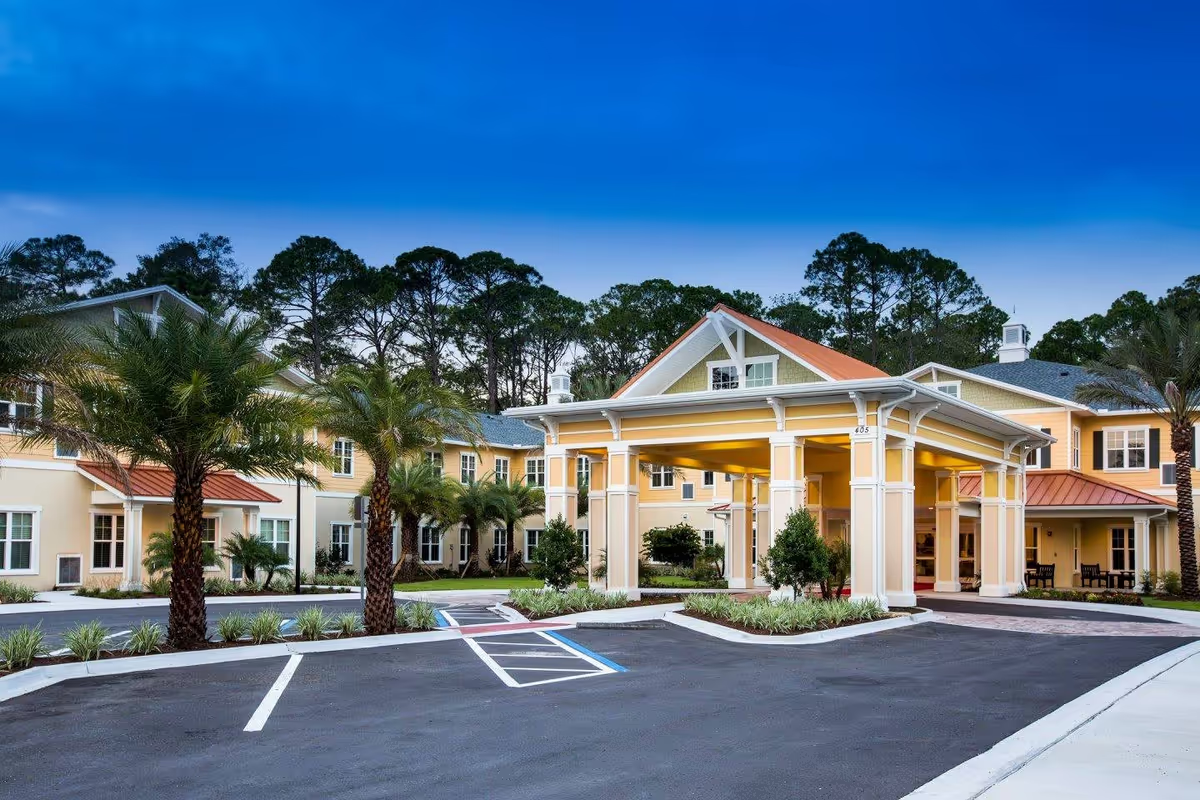
The reviews present a mixed picture across The Gables of Jacksonville and its prior HarborChase identity. Some reviewers explicitly refer to a change in ownership or administration, so experiences may reflect different operating periods; the feedback should not be read as a uniform snapshot of current practices. Many families and visitors describe a warm, residential atmosphere, while other accounts raise concerns about staffing, responsiveness, and consistency of care.
Care and staff experiences vary. Positive accounts describe compassionate caregivers, nurses and managers who know residents personally, and staff who help with transitions, coordinate medical services, and keep families informed. Some families say their relatives became more engaged and comfortable after moving in. Other accounts describe delayed responses, inconsistent assistance with daily personal care, and concerns about medication administration or clinical coverage. Staffing levels and retention recur as areas of concern. One family also described difficulty obtaining a clear placement decision, while other accounts praised staff communication and quick follow-up, indicating uneven experiences.
Dining is a notable strength in many accounts: meals are praised as enjoyable, and the restaurant-style setting is part of the community’s appeal. However, other residents and families describe food quality as having declined or being inconsistent, including concerns about temperature, portions, and nutritional balance. Activities are also frequently praised, with accounts of themed events, varied programming, and opportunities for residents to socialize. A smaller number of comments say there may be limited activities or facilities such as a gym, library, or computer room.
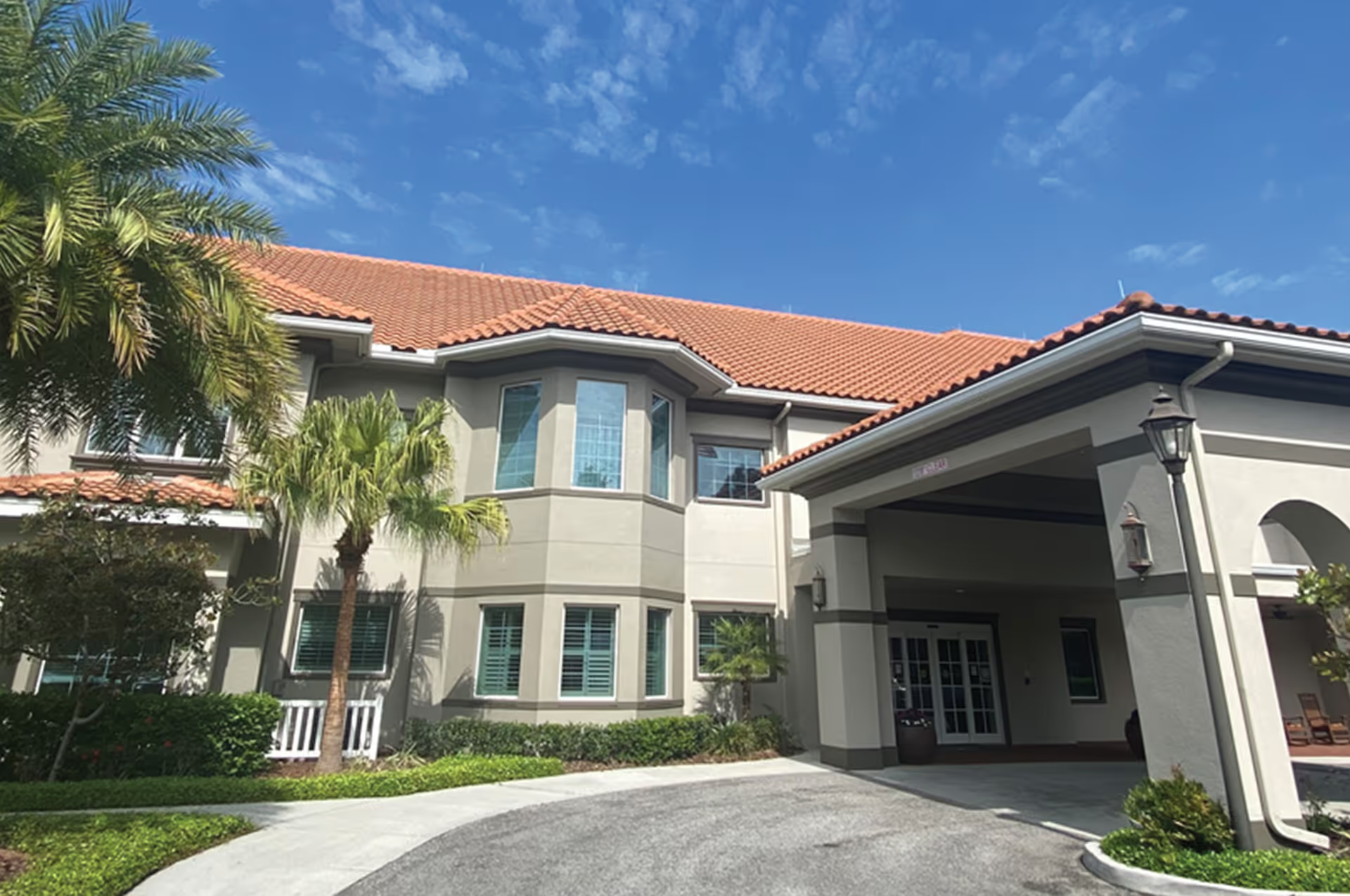
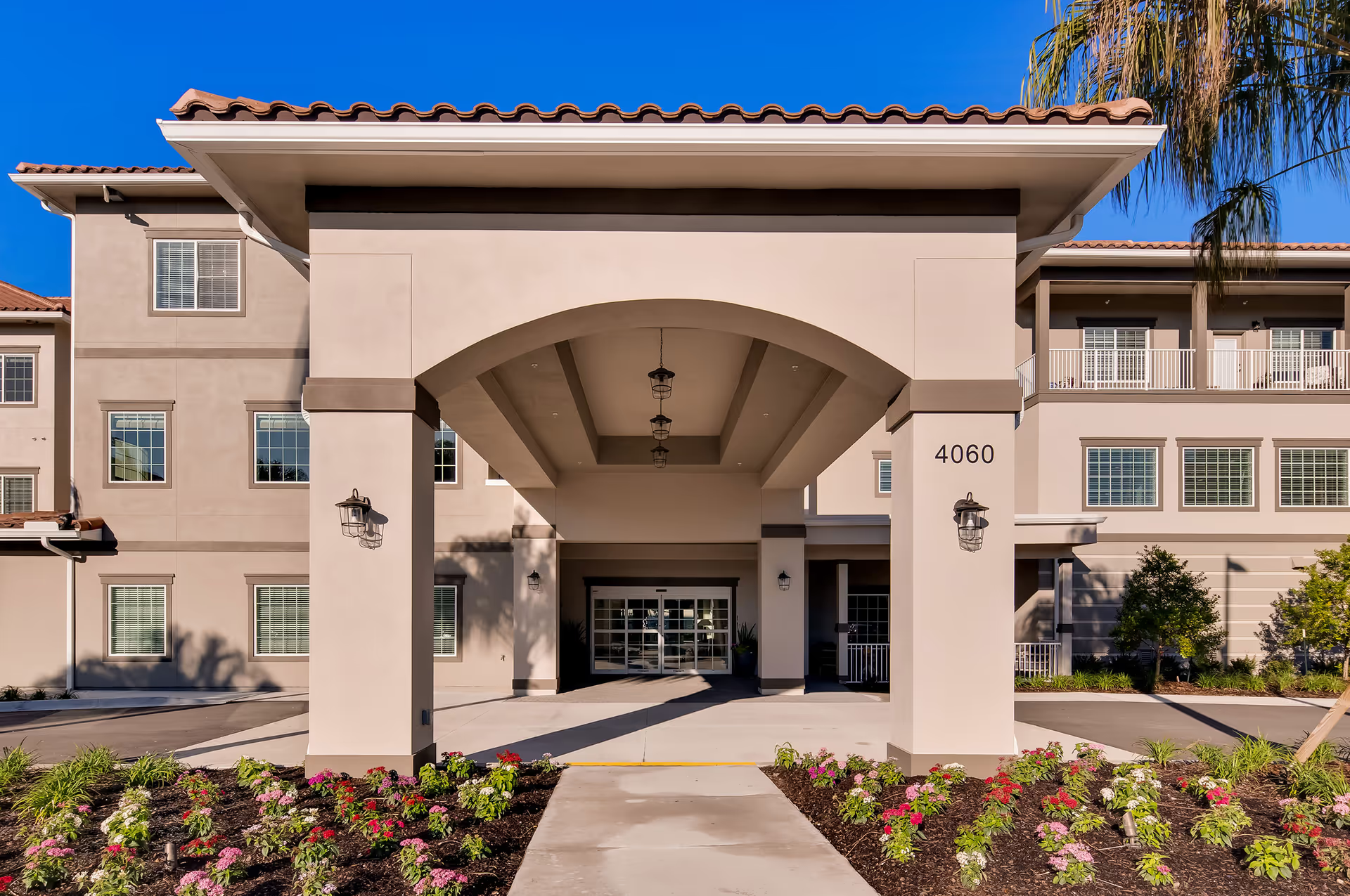
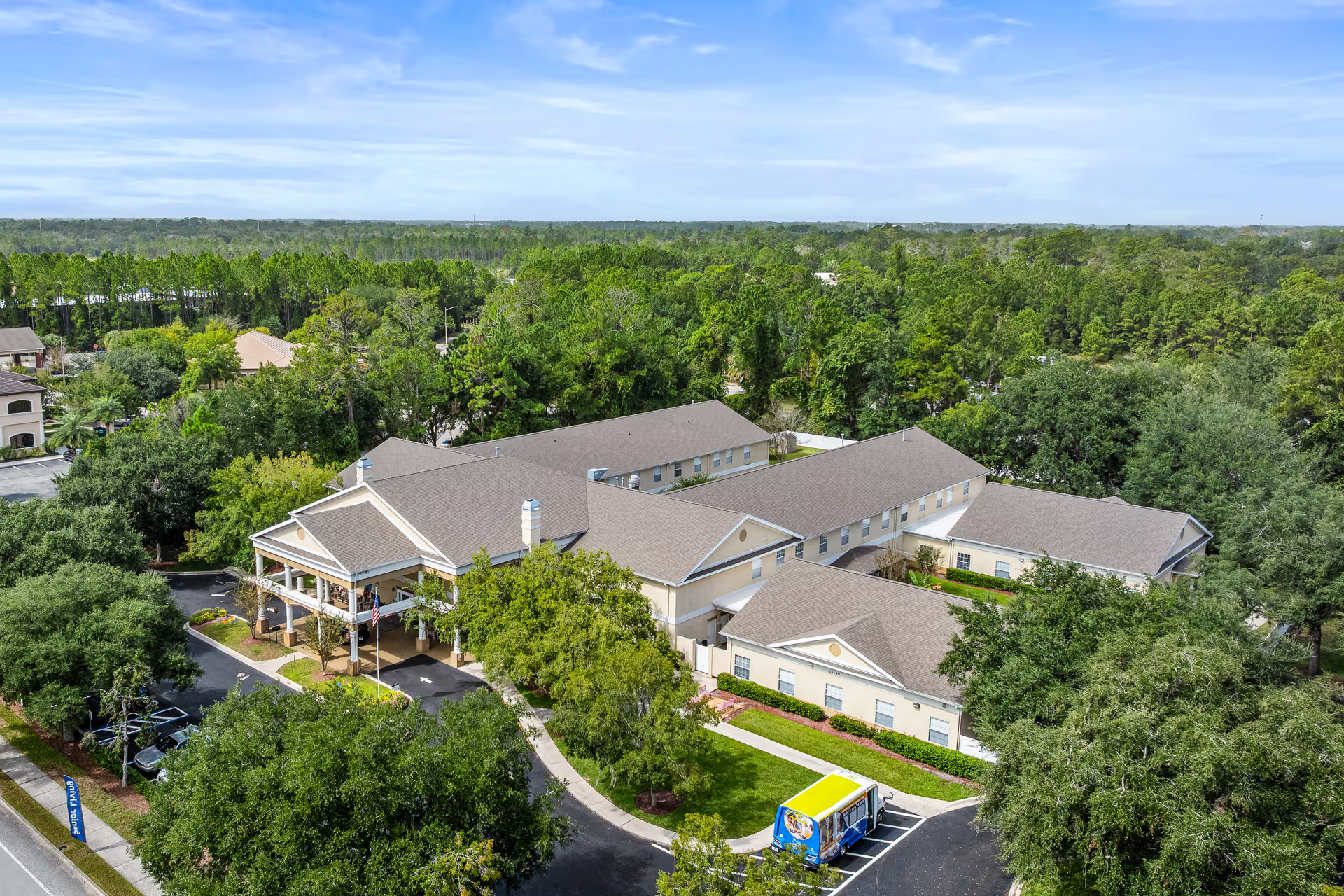
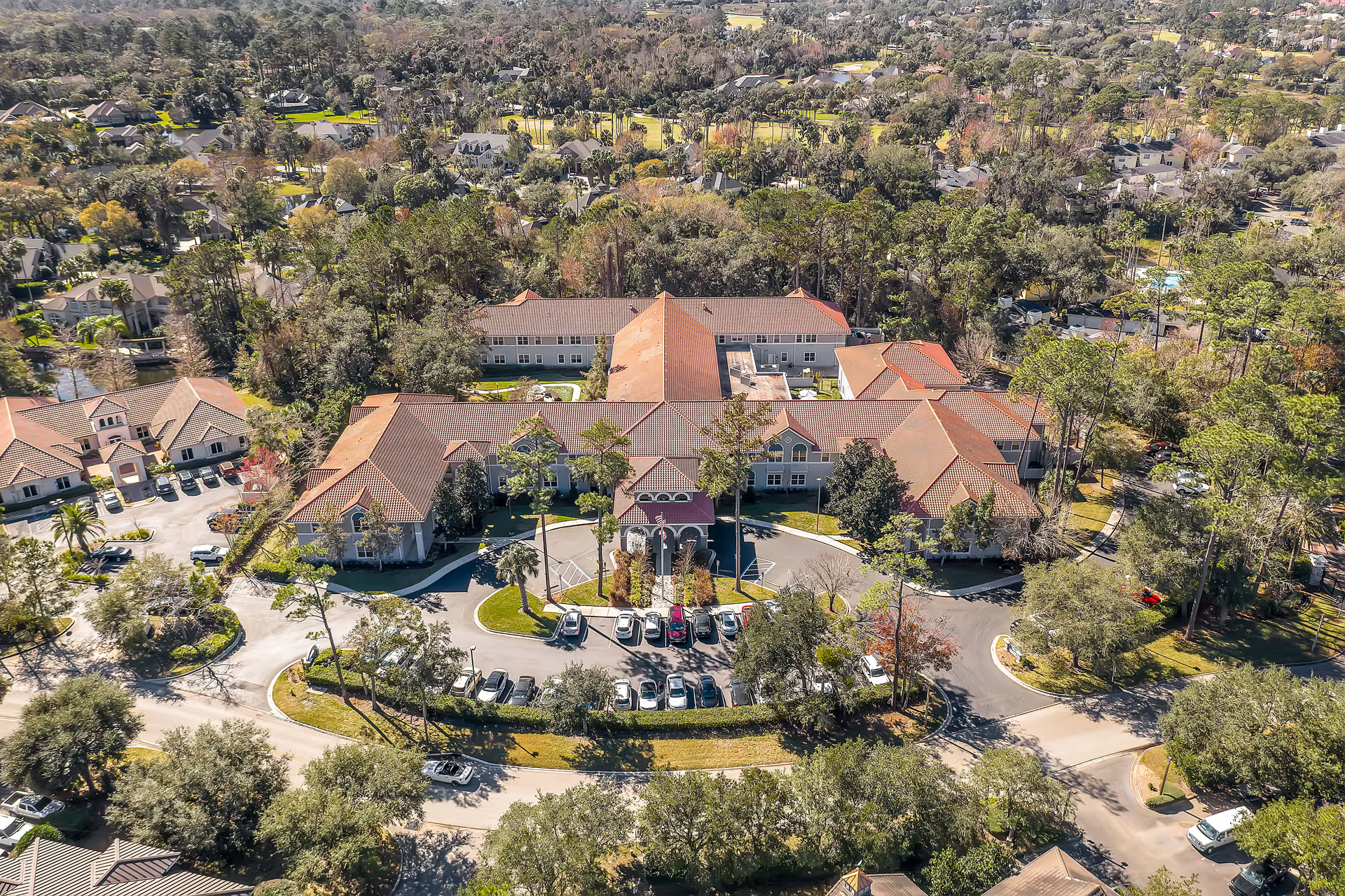
Visitors commonly describe the building and common areas as bright, attractive, recently renovated, and home-like, with a boutique or bed-and-breakfast feel. Room size and layout are less consistently received: some reviewers found accommodations comfortable, while others considered rooms small or storage limited. Memory-care areas drew mixed impressions, including concerns about open layouts, noise, and lighting. Maintenance feedback is also mixed, with positive comments about cleanliness and upkeep alongside individual concerns about room-level heating and cooling, plumbing, and environmental conditions.
Management and leadership receive substantial praise for approachability, hands-on attention, and efforts to address concerns. At the same time, some accounts describe administrative confusion, inconsistent follow-through, and questions about billing or rate changes. One older family account raised concerns about notification and consent during an infection-control event; a separate family questioned whether support and communication met the needs of a resident with advanced dementia near the end of life. Overall, prospective residents and families may find a friendly, engaging community with appealing dining and common spaces, but should assess staffing and nursing coverage, memory-care suitability, room dimensions, current meal standards, and written billing and care-plan procedures directly.