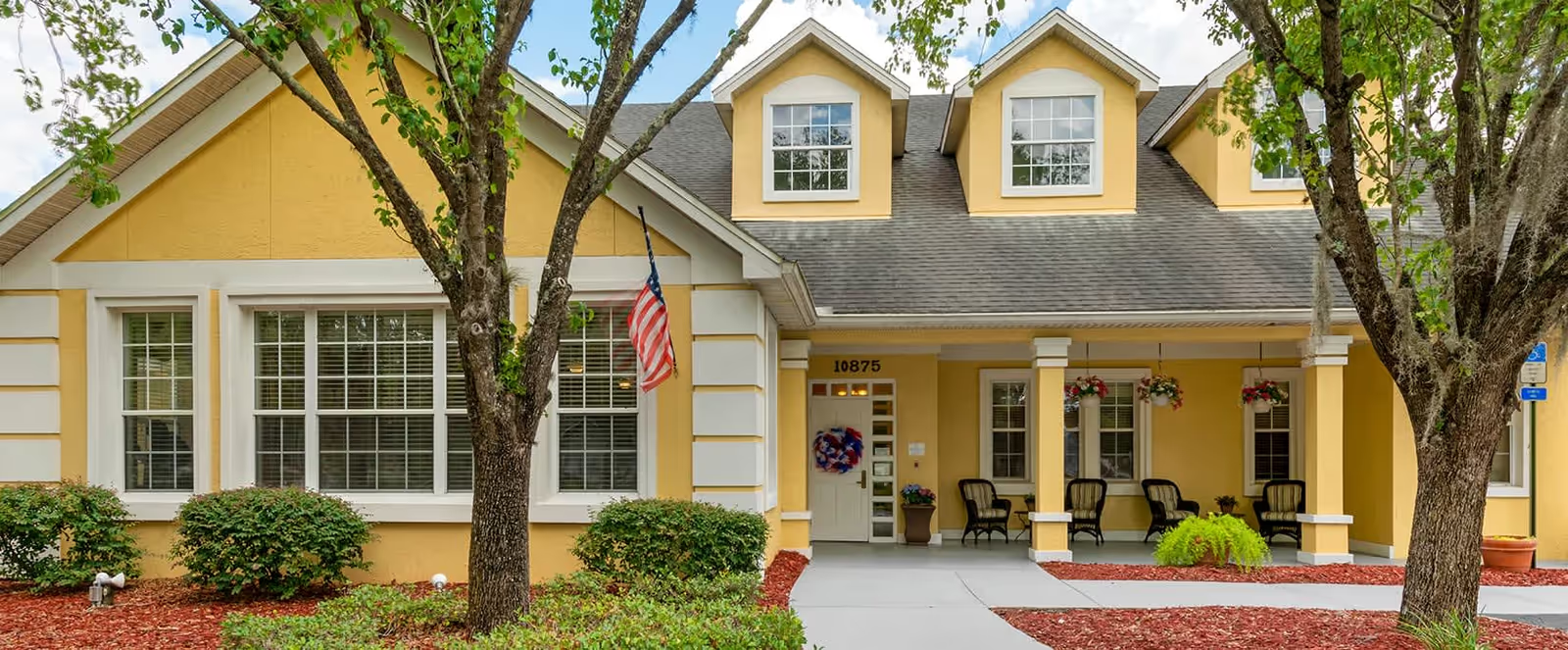
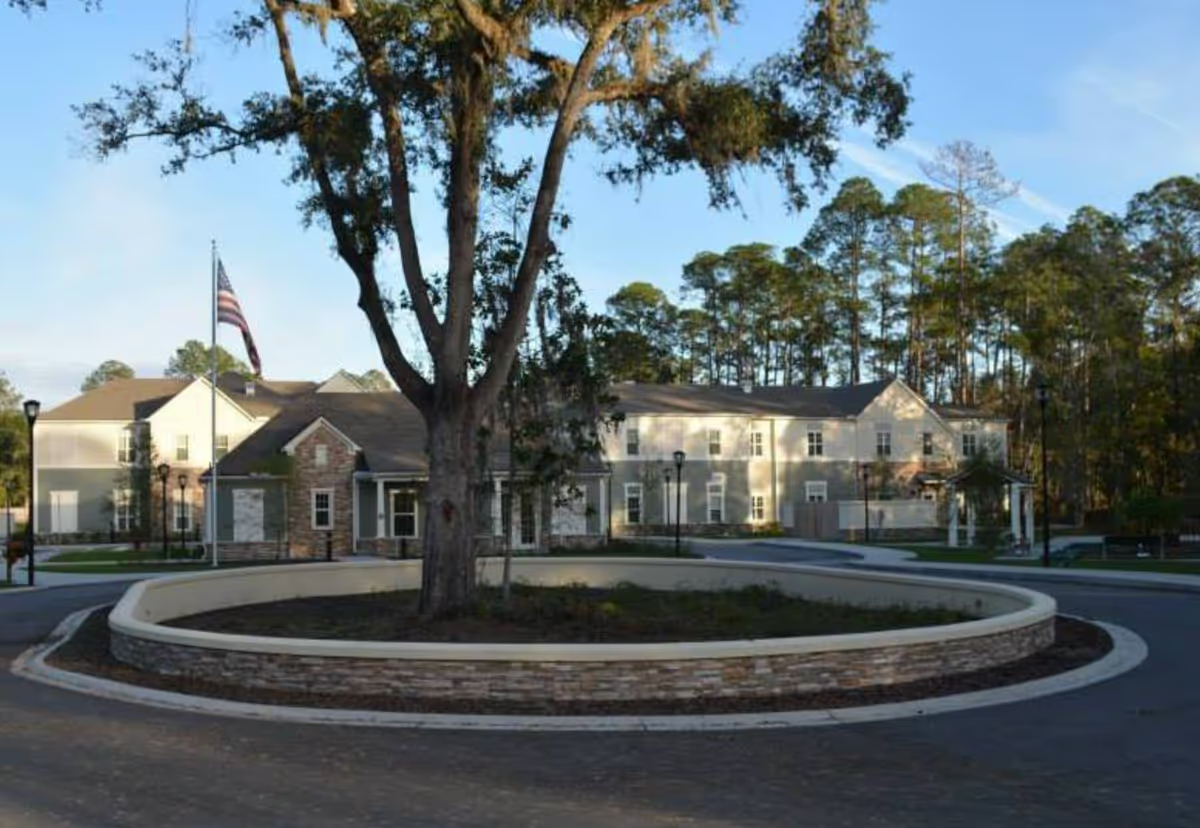
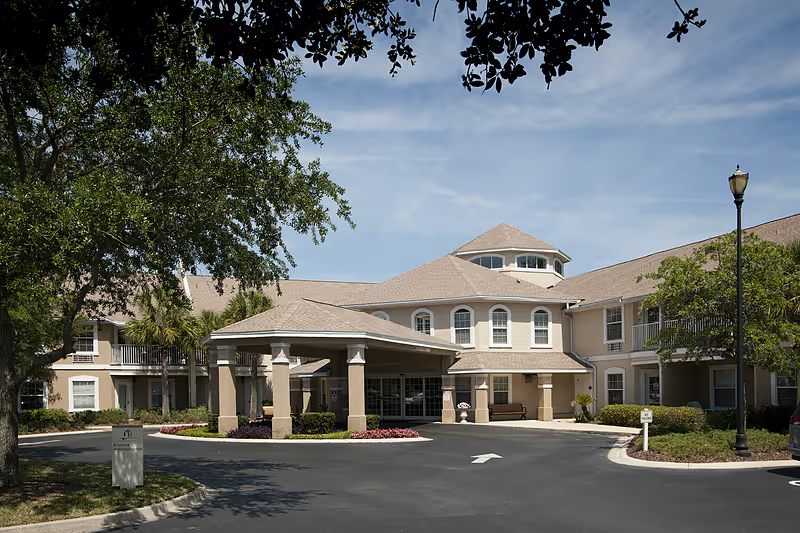
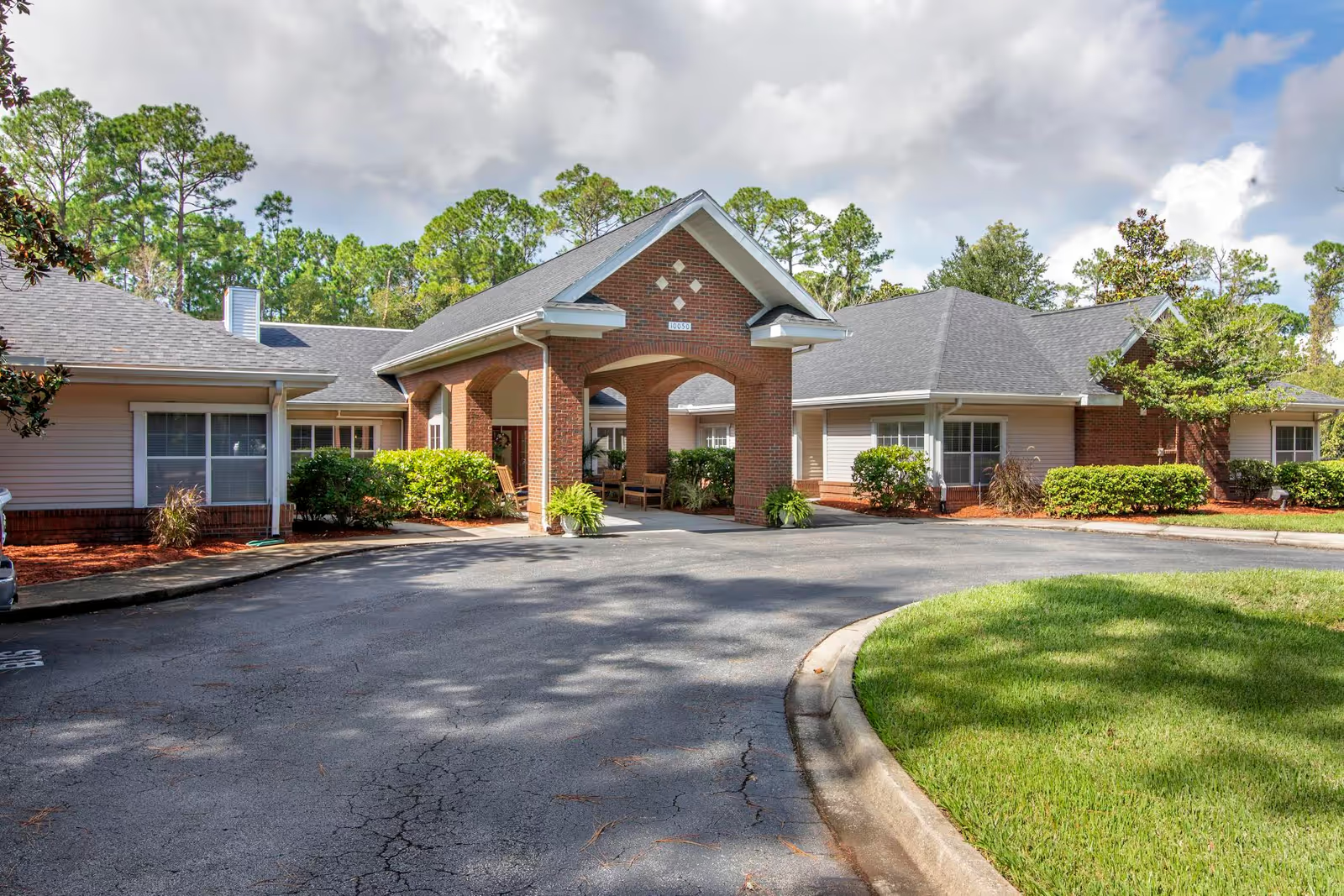
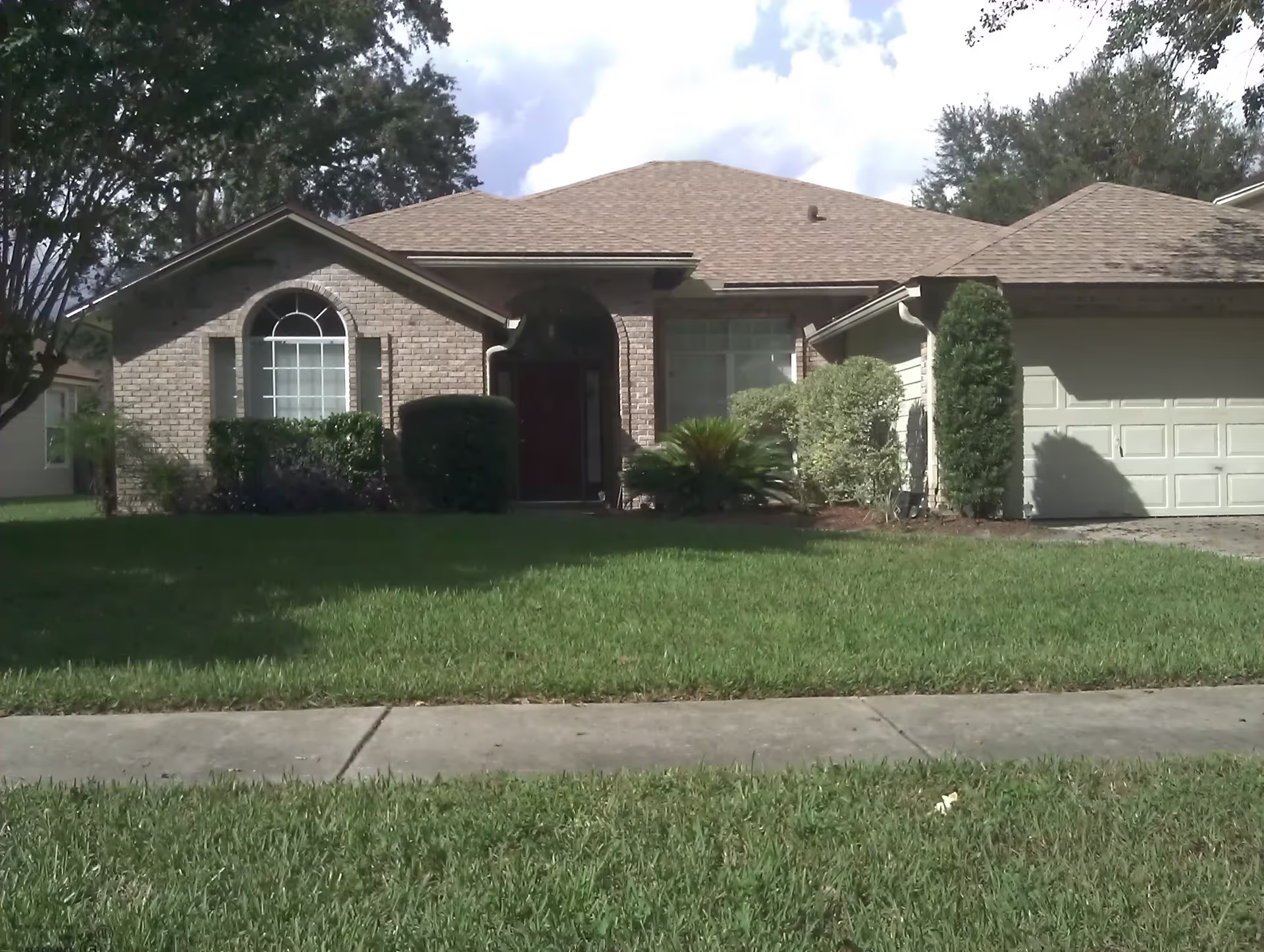
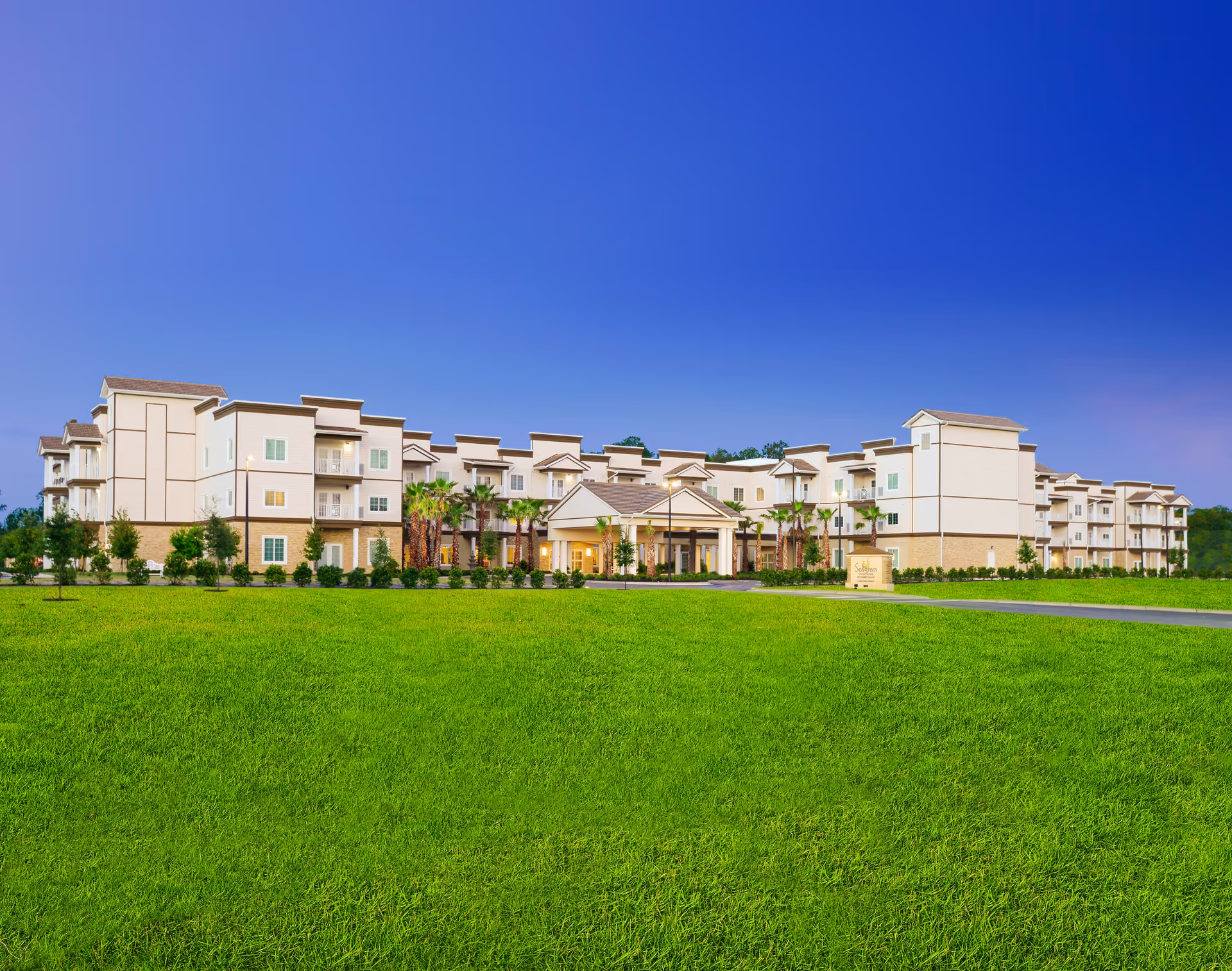
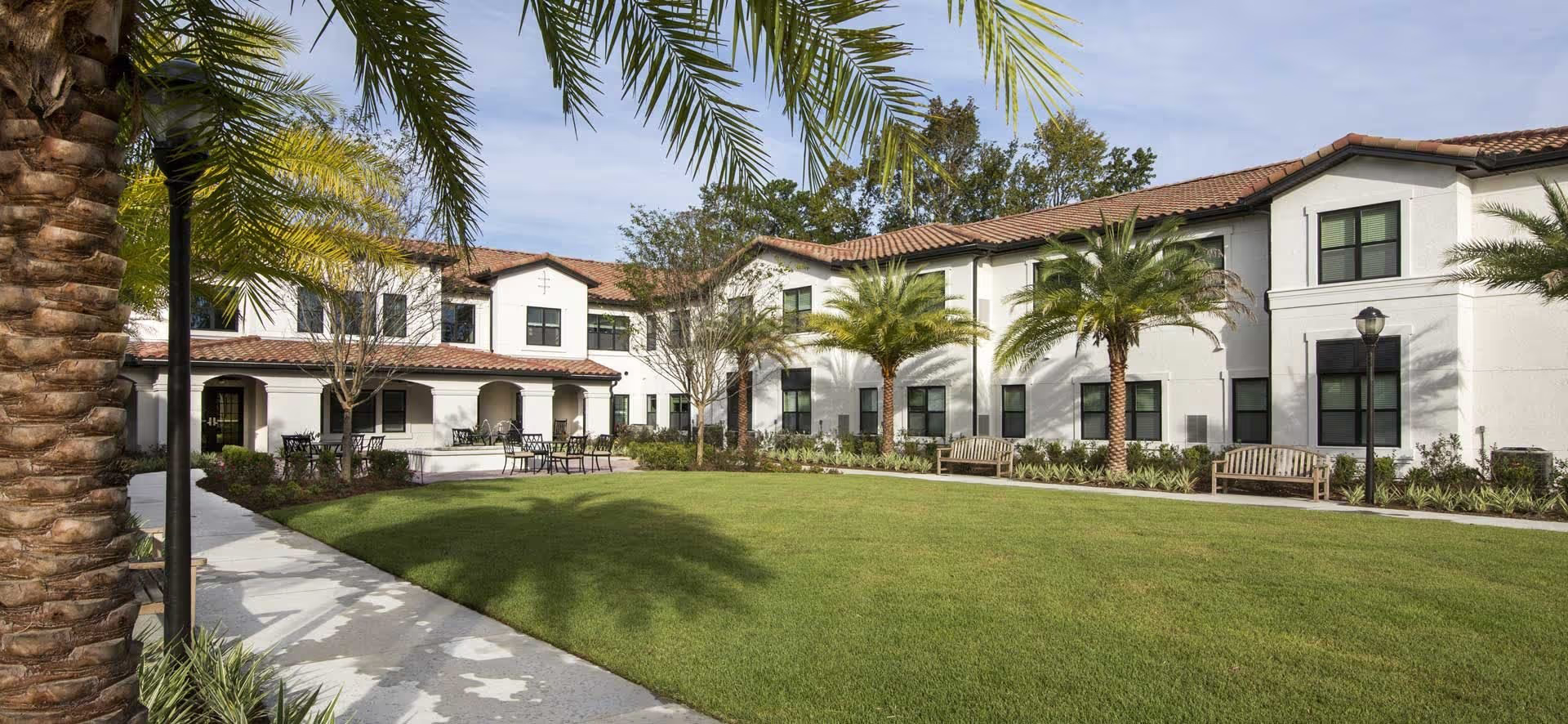
Westminster Woods on Julington Creek presents as a large, well‑established retirement community with clear strengths in campus environment, programming and clinical resources. Reviewers consistently praise the property’s waterfront setting, mature trees, trails and wildlife, which support an outdoor, active lifestyle. The community offers a broad range of housing options — from garden apartments and villas to newer river-facing homes and high-rise units — and provides a full continuum of care that includes independent living, assisted living, memory care, skilled nursing and an on-site Rapid Recovery/rehab unit.
Staff and clinical services are a frequent highlight. Many descriptions emphasize compassionate, professional caregivers, well‑trained therapy teams, and responsive maintenance and support staff. The on-site therapy and medical resources receive particular positive attention for recovery care and continuity back to independent settings. For families seeking strong rehabilitation services and a comprehensive clinical footprint, this is commonly cited as a strength.
Dining and activity programming are prominent features. The community runs multiple dining venues with chef-prepared meals, varied entrée choices, snacks and river‑view dining rooms. At the same time, there is a pattern of mixed feedback: many residents enjoy the food and dining experience, while others describe variability in food quality and interruptions or inconsistencies in meal service. Westminster Woods supports an active social calendar — fitness classes, arts and crafts, woodworking, music, trips and resident‑led clubs — and many reviewers highlight the social opportunities and strong sense of community.
Operationally, two recurring areas of concern emerge. First, staffing consistency is uneven: several comments indicate understaffing or staffing shortages that affect responsiveness, particularly during peak periods and overnight. Second, clinical communication and medication management occasionally show gaps; examples include failures in communicating medication changes and in follow‑up after clinical events. Relatedly, some reviewers raised sanitation and food‑service process concerns that prospective families should clarify with administration.
Facility age and campus scale create both benefits and tradeoffs. The expansive, park-like setting is a major draw, yet the spread‑out layout and a number of older buildings mean accessibility and modernization vary by building. Newer construction and ongoing renewal are in evidence, but prospective residents should inspect specific units and common‑area kitchens and serving areas to confirm condition and layout preferences. Cost is also a recurring theme: entrance fees and monthly charges are higher than some alternatives, and desirable unit types can have long wait times.
In summary, Westminster Woods on Julington Creek offers a strong combination of setting, programming and clinical resources that many residents and families find highly satisfying, particularly those valuing active, social living and robust rehab services. At the same time, consistent due diligence is warranted: ask about current staffing ratios and contingency plans, medication‑administration and family‑notification protocols, kitchen and food‑safety processes, memory‑care wandering protocols, unit availability and the specifics of fees and contract terms. Visiting at different times of day, viewing both newer and older units, and talking with current residents and families will help prospective residents balance the community’s substantial strengths against the operational issues others have raised.