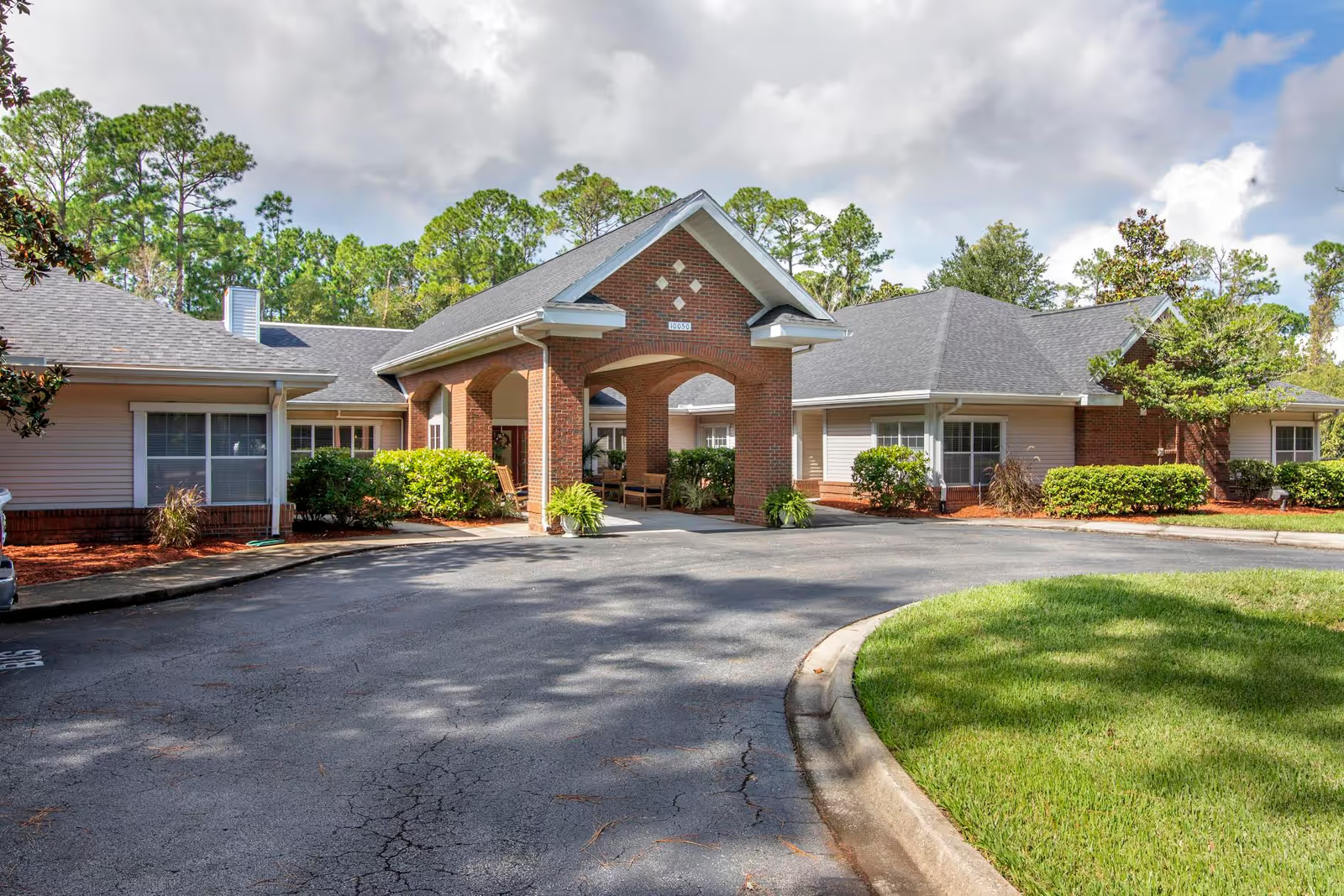
The reviews describe a facility with strongly polarized experiences: many families praise the caregiving and therapy teams, while others raise significant operational concerns. Strengths repeatedly cited include compassionate CNAs and nurses, an effective physical-therapy/rehabilitation program, and attentive front-desk and admissions staff. Several reviewers highlighted timely, knowledgeable wound and therapy clinicians, proactive discharge coordination, and supportive end-of-life services. When staffing and leadership are functioning well, families report a clean, welcoming environment, active programming, and clinical teams that facilitate recovery and safe transitions home.
At the same time, a broad set of operational weaknesses appears repeatedly. Medication administration and timing are frequently characterized as inconsistent, and reviewers point to staffing shortages and high turnover as underlying contributors. Those constraints are associated with delays in toileting and transfers, gaps in monitoring for residents with complex chronic conditions, and missed or late medications. Hand-off and documentation practices are also described as inconsistent, which reviewers link to uneven clinical follow-up and safety concerns.
Dining and housekeeping emerge as mixed areas. Some accounts describe clean, updated spaces and acceptable meals, while others indicate variable food quality, late meal service, challenges complying with therapeutic diets (for example diabetes), and sanitation concerns in particular units. Facility maintenance and equipment availability are also uneven in reviewers’ experiences: cited issues include limited bariatric accommodations, damaged mobility equipment, and intermittent environmental maintenance needs.
Communication and leadership responsiveness show wide variation. Positive accounts reference open-door administrators and prompt resolution of issues; negative accounts describe phone-system failures, difficulty reaching social workers, and unprofessional or unresponsive management. Staffing models include use of agency nurses, which some families find collaborative and helpful and others find indicative of chronic understaffing. Reviewers raised serious concerns about staff conduct in isolated instances, including an allegation of staff misconduct; such claims are singular but warrant formal inquiry when encountered.
Taken together, the pattern is one of inconsistent performance—strong therapy and many individual caregivers are offset by systemic operational shortfalls in staffing, medication management, communication, and unit-level sanitation. Prospective families should expect variability across shifts and units, and consider on-site assessment focused on staffing ratios, medication administration protocols, clinical monitoring for complex conditions, dietary accommodations, infection- and pest-control measures, visitation policies, and documentation/hand-off procedures. Verifying current leadership initiatives and recent inspection or corrective-action history may clarify whether operational issues have been addressed since earlier reports.