Overall impression: Apollo Health and Rehabilitation Center elicits widely divergent experiences. Many accounts describe strong clinical rehabilitation services, attentive therapists, and individual staff members who provide compassionate support; other accounts describe operational and care-delivery weaknesses that materially affect resident experience. Prospective residents and families should weigh the facility’s demonstrated clinical strengths against patterns of variability in day-to-day operations.
Care and staff: The facility receives frequent praise for its rehabilitation capabilities, including a large therapy gym, skilled physical and occupational therapists, and measurable recovery outcomes for many patients. Wound care expertise and successful post-surgical rehabilitation were highlighted in multiple accounts, and several individual nurses, CNAs, and concierge staff were described as highly supportive and effective advocates. At the same time, reviews point to inconsistent nursing and aide performance across shifts: delayed medication administration, missed or delayed initiation of clinical orders, slow call-button responses, and irregular bathing/incontinence-care routines. Infection-control and PPE practices were also described inconsistently, indicating variable adherence to protocols.
Dining and activities: Opinions about dining and meal service are mixed. Some families appreciated three daily meals, a pleasant dining area, and adequate diet-specific meals; others cited bland or under-portioned meals, cold food, and failures to deliver special-diet requests. Activities programming and outings received generally positive feedback for variety and engagement, though some noted limited non-bingo options depending on the time and unit.
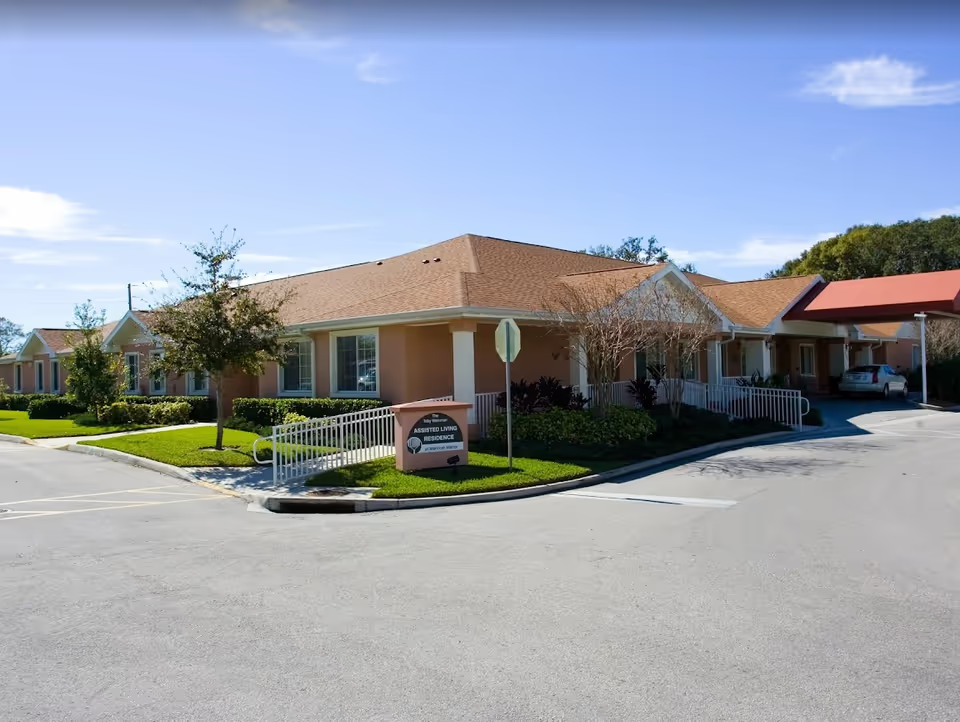
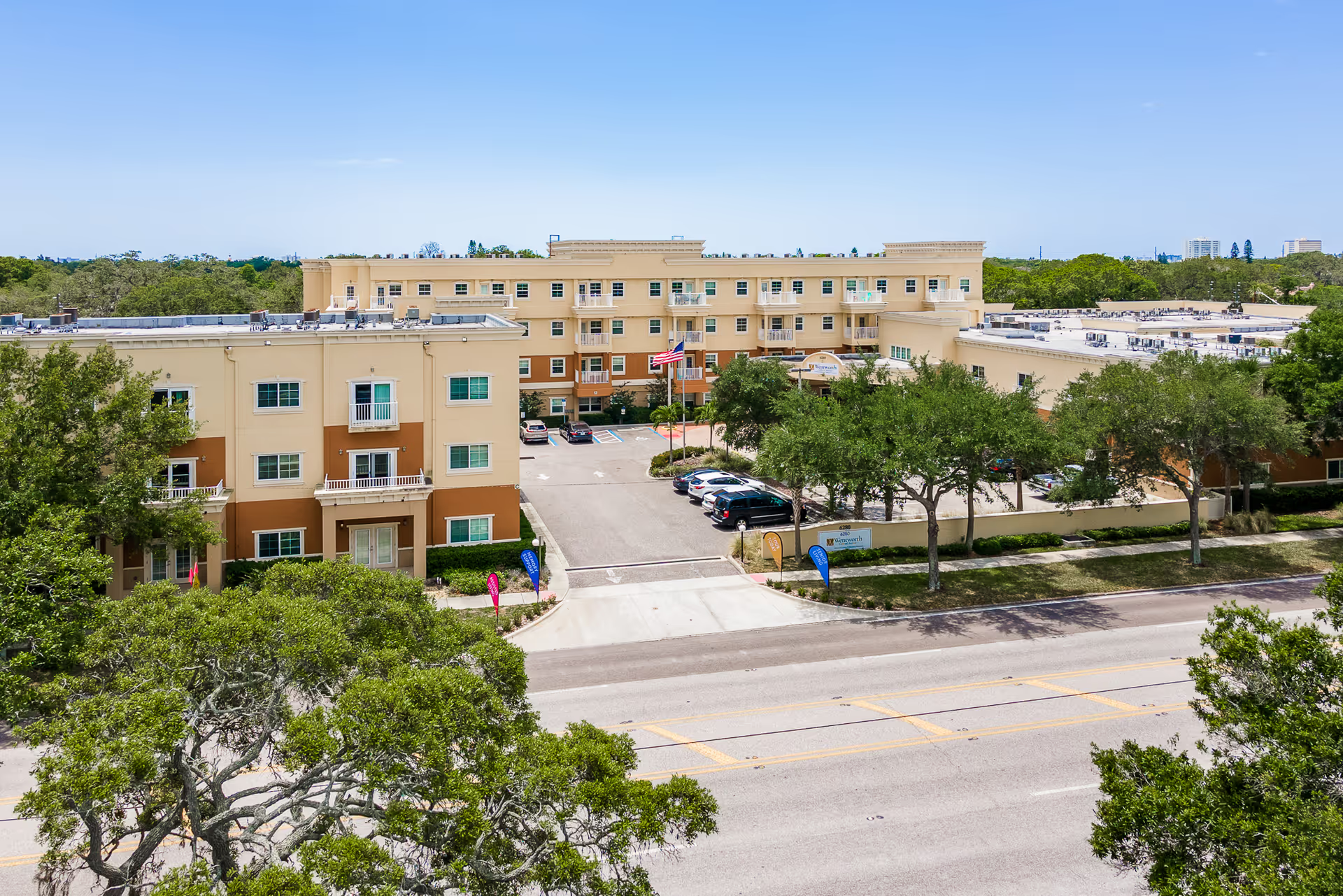
Facilities and environment: The facility’s physical plant shows strengths and weaknesses. Many reviewers noted renovated, clean, and modernized areas, comfortable rooms (including single-room options), and attractive outdoor spaces such as patios and walking paths. Conversely, there are recurring sanitation and pest-control concerns, intermittent maintenance problems (for example, leaks and plumbing issues), and variability in cleanliness in some rooms and under furniture. Room configuration (semi-private rooms) and locked-unit policies also affected perceptions of privacy for certain visitors and residents.
Management and operations: Administrative responsiveness and leadership were described as excellent by several families — with specific staff members named for advocacy and problem resolution — but other accounts describe inconsistent management follow-through, poor communication about transfers and discharges, billing or transportation disputes, and lapses in discharge planning coordination. There are isolated allegations of theft and billing irregularities that warrant review and clarification. Overall, leadership performance appears uneven, with resolution effectiveness varying by individual and by incident.
Notable patterns and recommendations: The most consistent strengths are the therapy program, certain clinical specialists (wound care), and individual staff who provide strong advocacy and bedside care. The most consistent operational concerns relate to staffing consistency, responsiveness to resident needs (especially at night), meal-service reliability, sanitation/pest control, and family communication. Families considering Apollo should request specific information on staffing levels and shift coverage, inquire about current infection-control practices, confirm procedures for diet accommodations and medication administration, ask how belongings are secured, and meet directly with therapy and nursing leadership during a tour. If serious discrepancies are observed during a stay, document them and escalate promptly through facility leadership and applicable oversight channels.