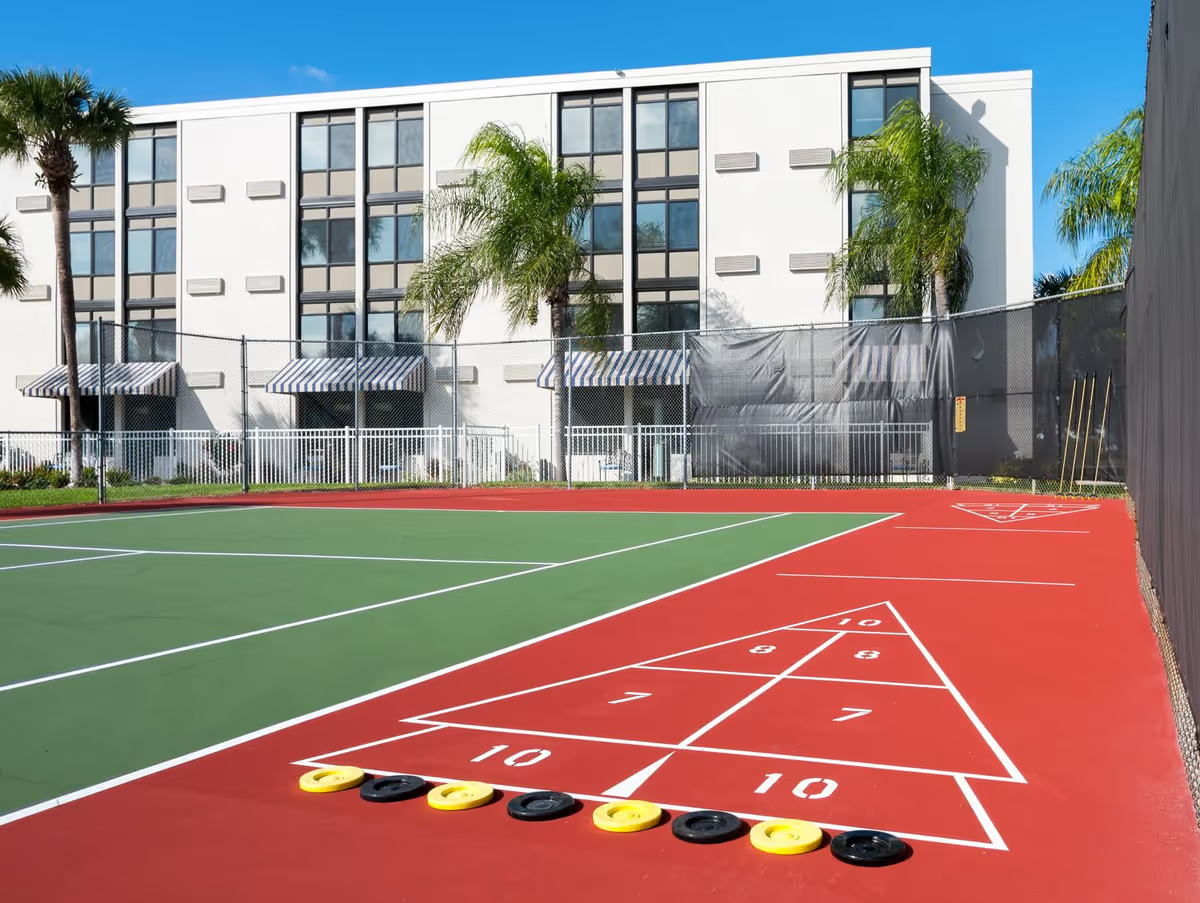
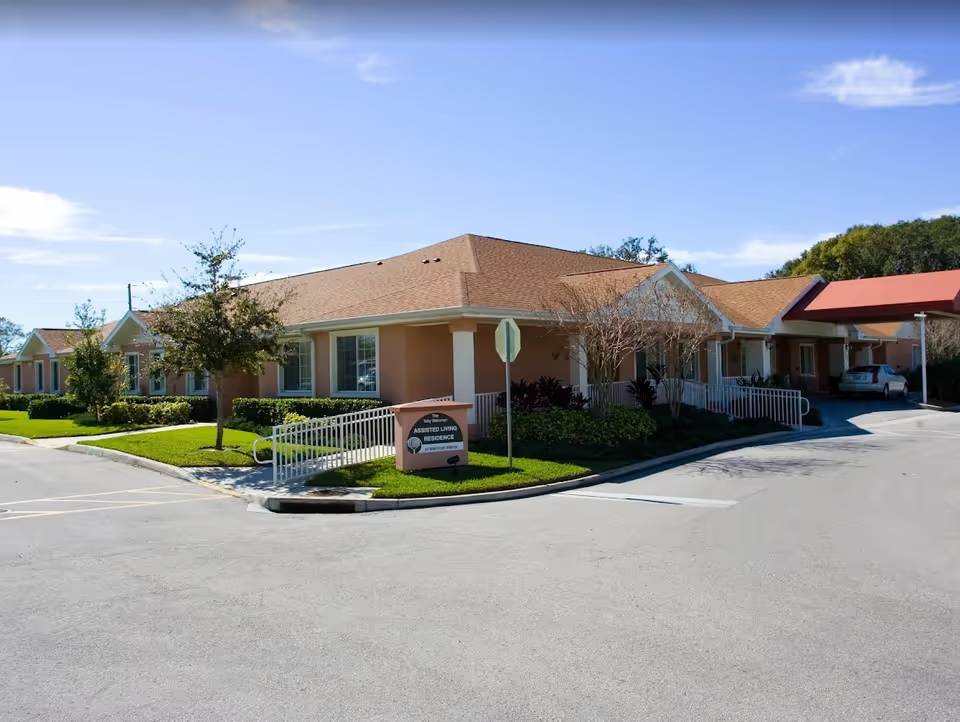
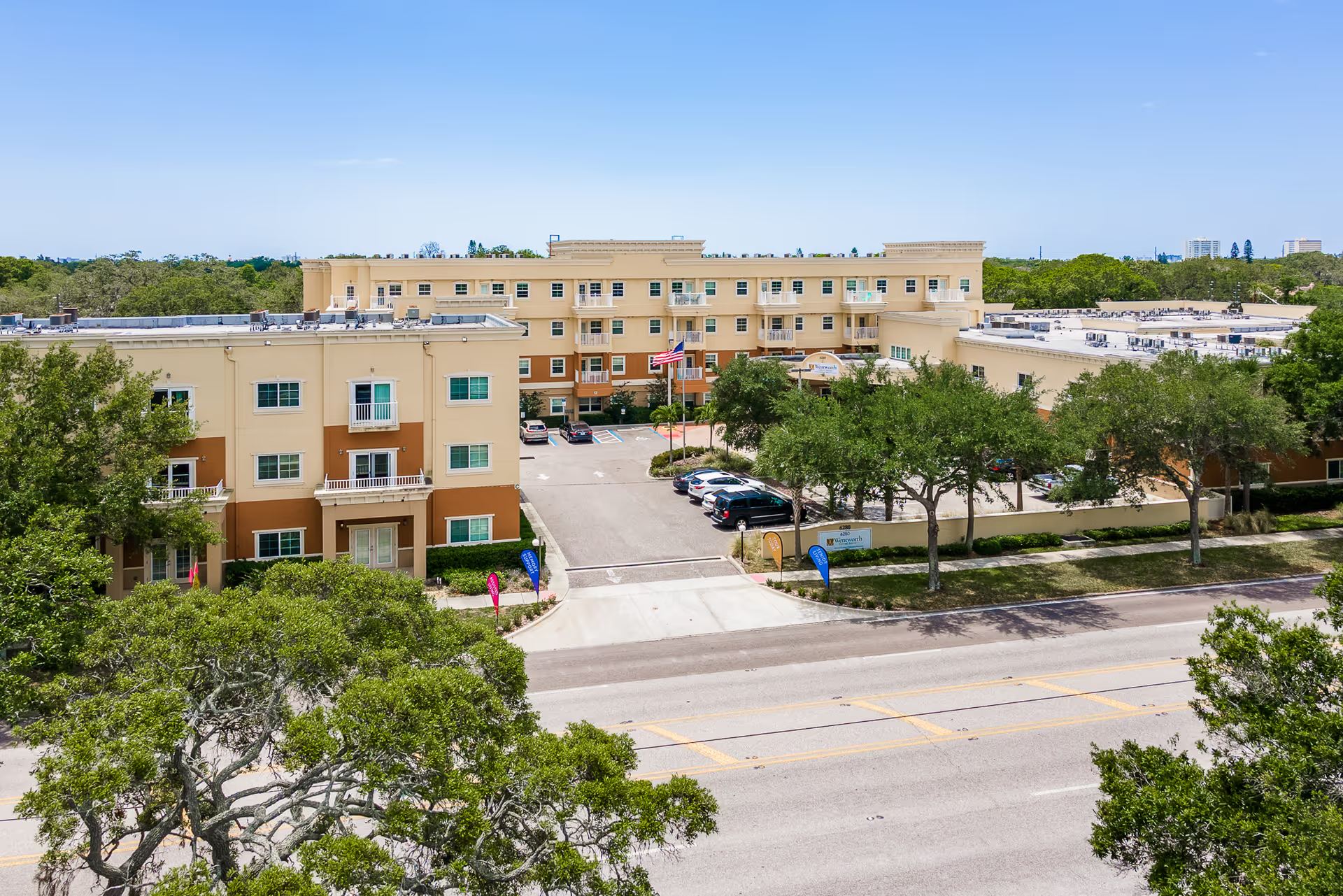
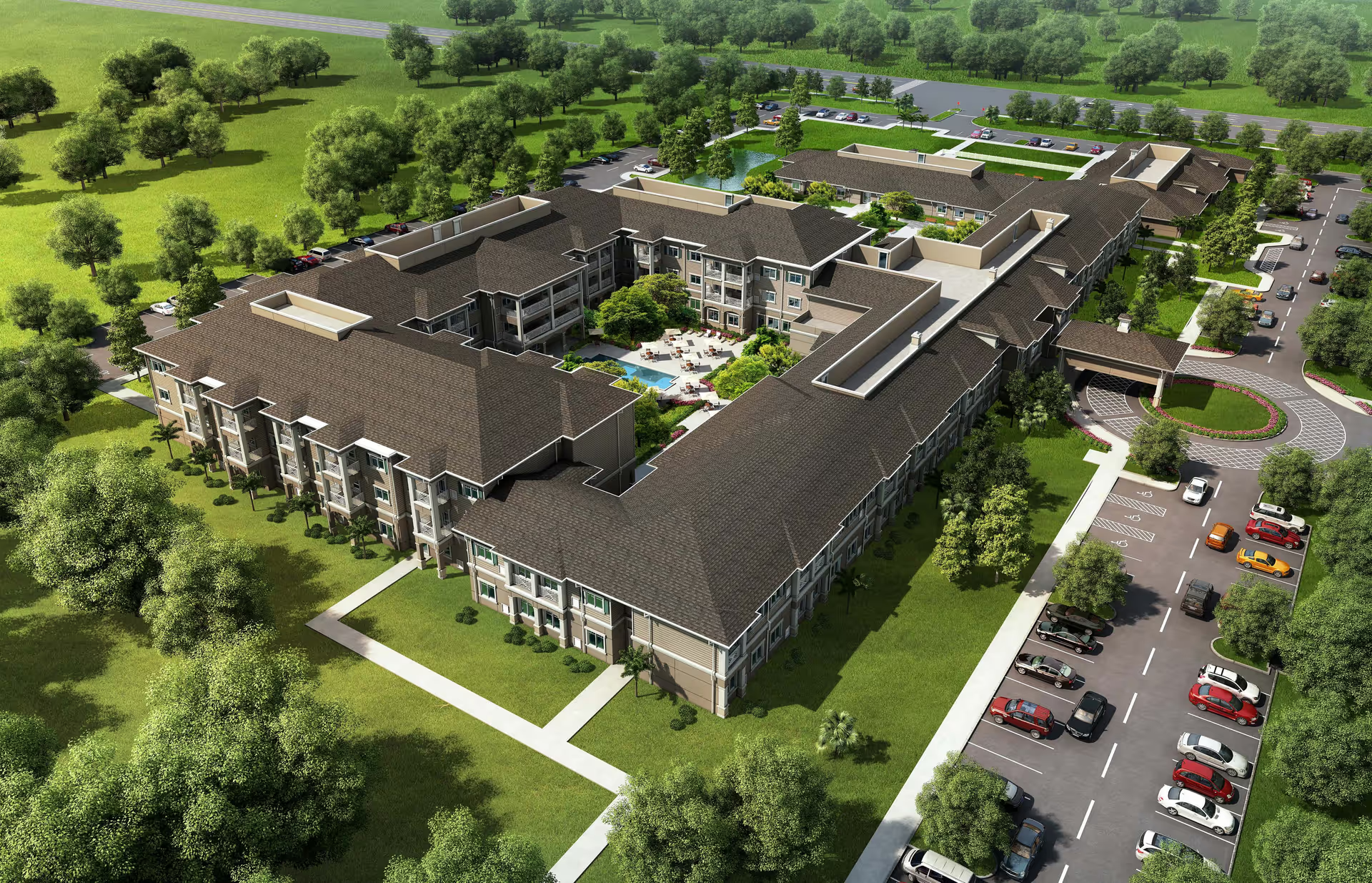
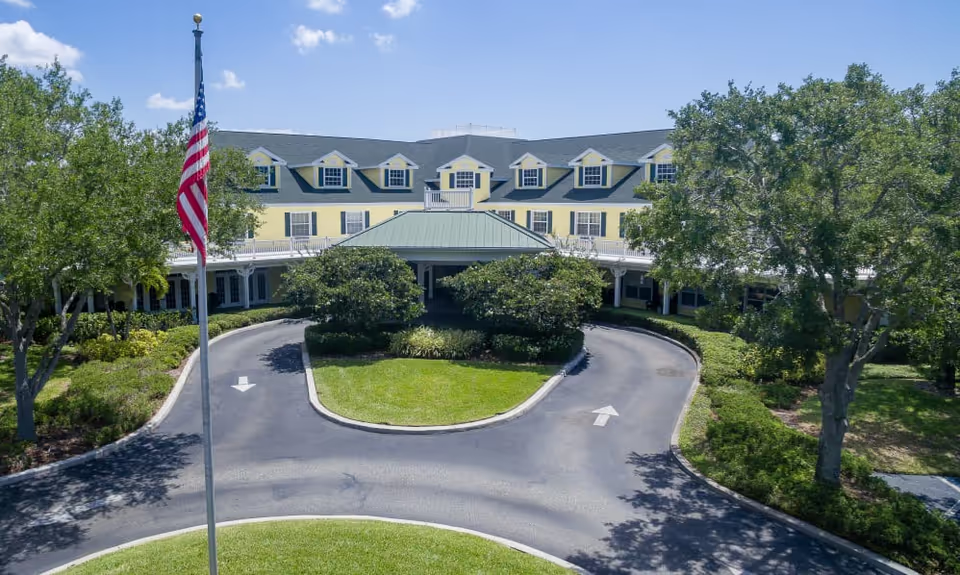
The reviews present a polarized picture of Bay Pointe Nursing Pavilion: many families and patients praise the facility for strong rehabilitation services, a welcoming admissions process, and compassionate clinical staff, while others raise substantive operational and care-quality concerns. Notable strengths include a well-regarded admissions team (frequently named in reviews), a robust physical and occupational therapy program, and instances of attentive nursing and medical staff who support recovery and discharge readiness. Reviewers also highlight engaging social activities (bingo, card games, socials), a pleasant physical environment in parts of the building (well-lit rooms, outdoor seating), and generally good family communication and visitation flexibility.
Care quality and staffing are mixed. Several reviews describe excellent individualized care, effective therapy, and prompt coordination; however, a recurring theme is inconsistency across shifts and departments. Patterns include slow call-light responses, perceived understaffing—especially on weekends—delays in scheduled care tasks, and variability in caregiver conduct and responsiveness. These patterns translate into concerns about timely assistance with personal care, missed or delayed treatments, and uneven supervision during off-peak hours.
Cleanliness and infection-control practices are another area of divergence. Some reviewers commend housekeeping and maintenance responsiveness, but others report sanitation issues and odor concerns in particular rooms or corridors, as well as inconsistent adherence to PPE and hygiene procedures. These inconsistencies suggest that housekeeping and infection-prevention protocols are not uniformly enforced throughout the facility.
Dining and activities also receive mixed feedback. Several families praise nutritious meal options and positive dining experiences, while others report cold meals or variability in food quality. Recreational programming is generally seen as a strength where present, with frequent group activities and social events noted; yet some residents and families describe periods of limited engagement and feelings of loneliness when programming is inconsistent.
Communications and administrative practices show both strengths and gaps. The admissions and outreach teams are repeatedly singled out for professionalism and ease of transition, contributing to positive initial impressions. At the same time, recurring problems with unanswered phone lines, lack of in-room communication devices, and frustrating front-desk responsiveness undermine family access and coordination. More serious claims include allegations of billing irregularities and unauthorized insurance changes; those accounts have been raised to a level that some reviewers say required external reporting. Management-level coordination, including parking enforcement and central-station conduct, is described as uneven and a source of frustration for some families.
Overall, Bay Pointe demonstrates clear clinical and programmatic strengths—particularly in therapy and in parts of the nursing staff and admissions process—but also displays facility-level inconsistencies that affect cleanliness, responsiveness, communication, and administrative oversight. Prospective residents and families should weigh the facility's strong rehabilitation capabilities and positive staff relationships against evidence of variability in day-to-day operations; asking targeted questions during tours (about staffing patterns, call-response times, infection-control protocols, phone access, and billing practices) and seeking recent family references may help clarify whether the facility's strengths will meet an individual resident's needs.