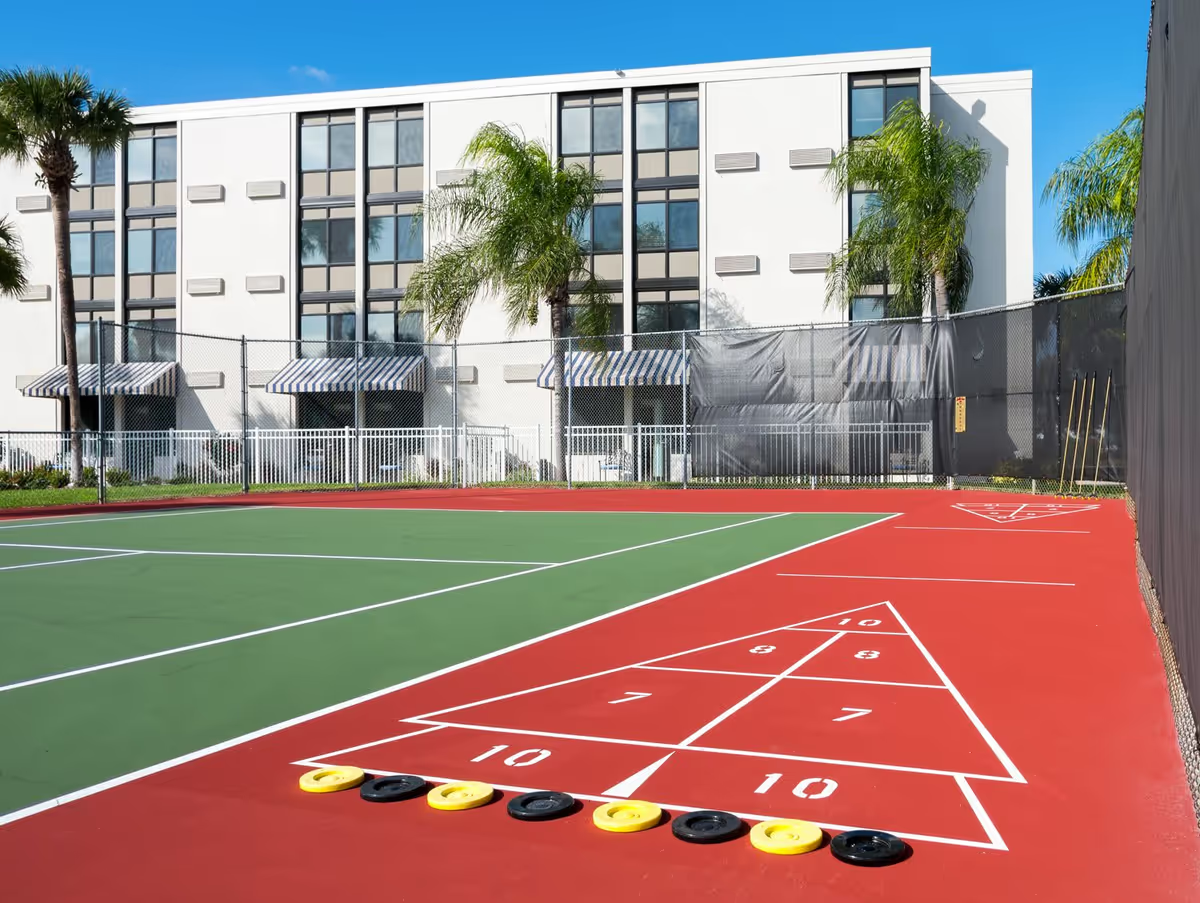
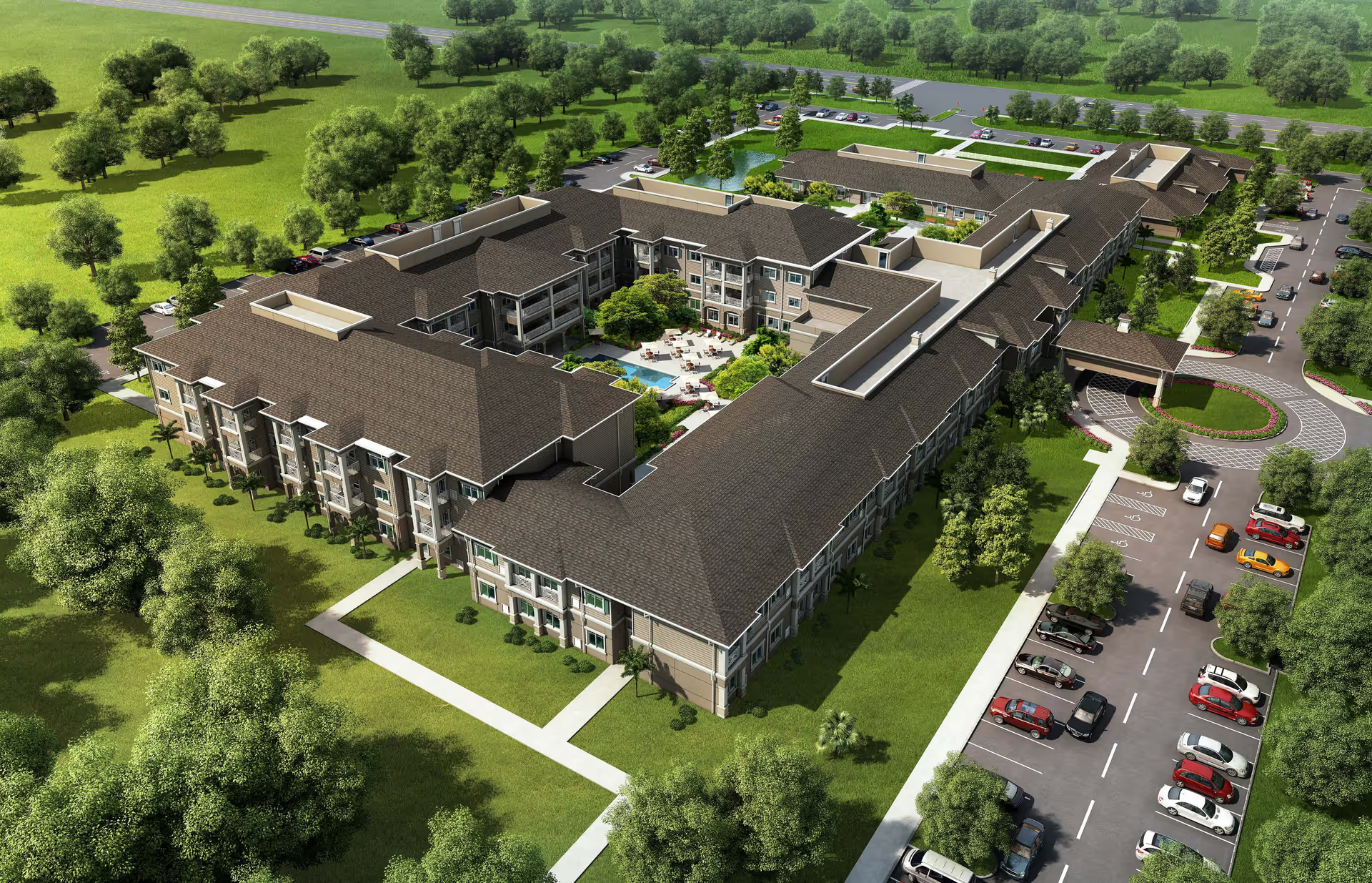
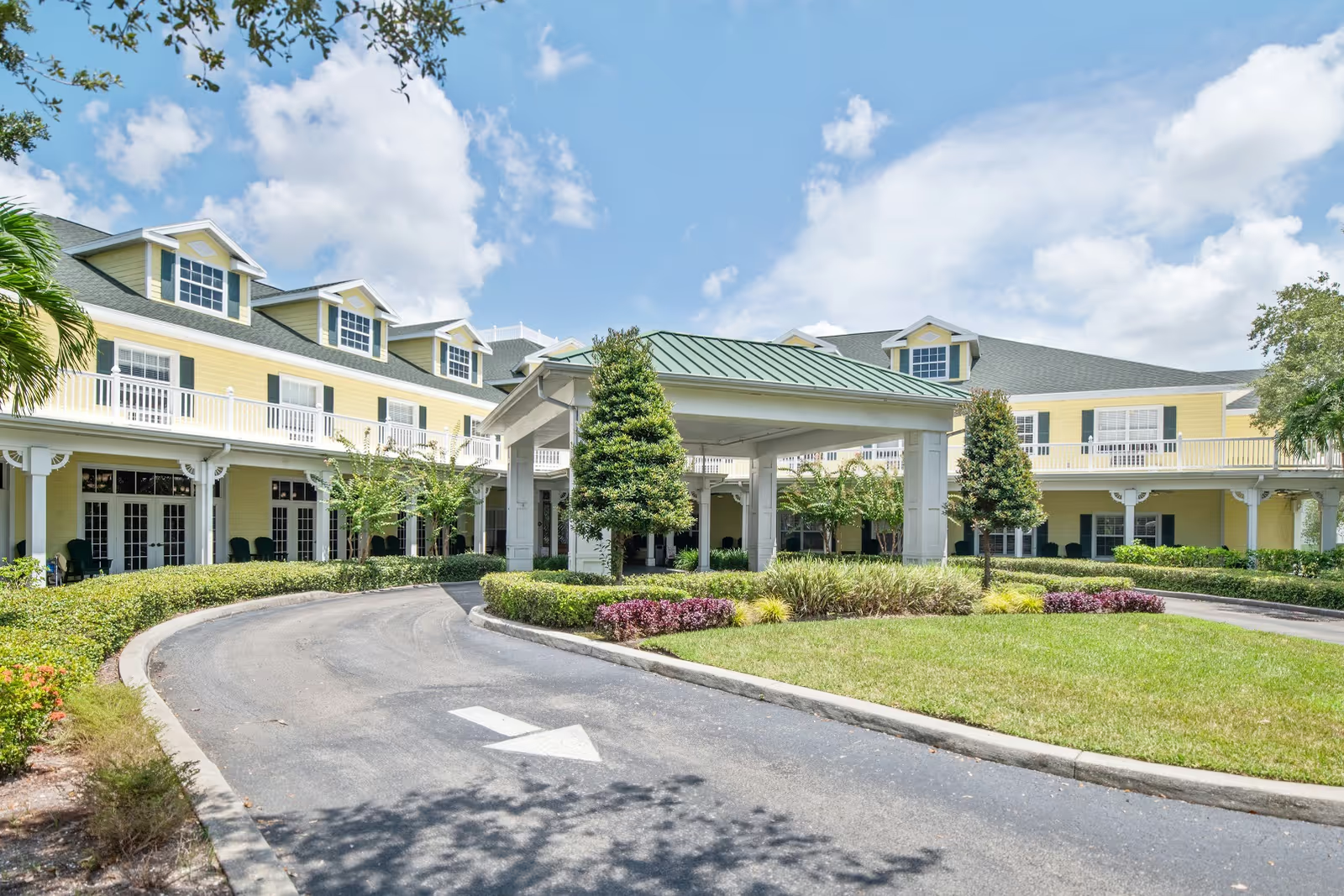
Convivial St. Petersburg is presented consistently as a newly built, not‑for‑profit CCRC located near beaches and cultural destinations. The facility emphasizes a coastal contemporary design, high-quality apartment layouts, and the ability to customize unit finishes. Commonly cited physical features include a top‑floor pool and activity area with views, outdoor dining, multiple on‑site amenities (dining venues, fitness and wellness spaces, auditorium), and an integrated model that includes higher levels of care on campus. Reviewers also highlight proximity to the VA hospital and an attractive, secure campus setting.
Staff and care receive largely positive descriptors: reviewers use terms like knowledgeable, patient, professional, caring, and responsive. Admissions and sales interactions are frequently described as transparent, timely, and personalized, with a smooth application process and refundable deposit structure noted as reassuring. The CCRC model and on‑site higher‑acuity units are cited as providing peace of mind about future care needs and financial security. At the same time, there are indications of inconsistency in clinical care quality; a limited number of comments express concerns about inadequate care or responsiveness in specific situations. Prospective residents and families are advised to verify staffing levels, care protocols, and escalation/communication pathways during their evaluation.
Dining and activities are strong selling points. Dining areas are described as updated, with positive menu impressions and attentive service. The community appears active socially, with frequent events, pre‑move social opportunities, and programming that fosters neighbor connections. These elements contribute to a recurrent theme of community engagement and resident satisfaction with lifestyle offerings.
Operational and transitional considerations emerge as a pattern. While many reviewers emphasize a finished, move‑in ready environment, others reference ongoing construction, renovation of older units, or the timing of community buildout. This creates a risk of variability in resident experience depending on move‑in timing and which portions of the campus are occupied or under renovation. Relatedly, several comments point to decision‑making tensions between families and the facility or to strained relationships during transitions; these suggest the need for clear expectation management and proactive family communication processes.
Overall sentiment skews positive: reviewers frequently state confidence in their decision to join, excitement about the community, and satisfaction with amenities and staff interactions. The main areas for due diligence are verification of consistent clinical-care standards, confirmation of construction or renovation timelines for the specific unit of interest, and clarification of the facility’s family‑communication and decision‑support practices. Visiting finished units, speaking with clinical leadership about staffing and care protocols, and asking for scheduled timelines for any ongoing work will help prospective residents and families align expectations with the on‑site realities.