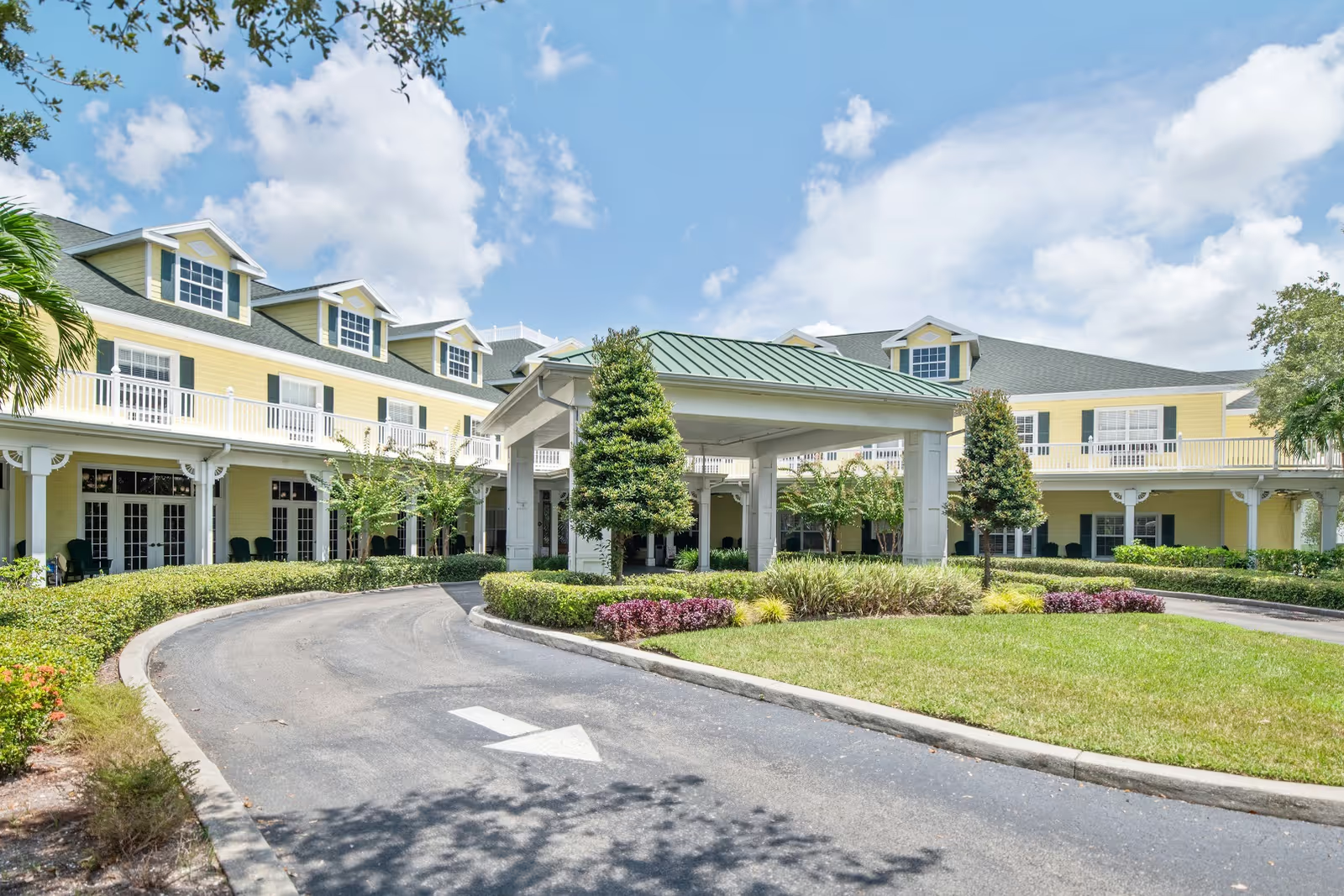
Reviewers describe a facility with clear strengths in rehabilitation, hospitality, and facility upkeep. Many families and former employees praised compassionate, attentive nursing and caregiving staff, a skilled PT/OT team, effective social‑services coordination, and an accommodating kitchen that provides varied menus including kosher options. The physical environment is frequently described as clean, well maintained, and secure; infection‑control measures such as visitor screening and rapid testing during the pandemic were noted positively. Admissions and discharge processes were often characterized as smooth, and rehabilitation‑to‑home transitions and therapy outcomes received multiple commendations.
Clinical performance shows a mixed pattern. While rehabilitation services and therapy outcomes are often described as excellent, several reviewers reported deficiencies in medication management, pain control, and timely clinical response. These concerns include delayed supervisor response, hospital transfers for clinical issues, and wound‑care or pressure‑injury concerns; taken together they point to gaps in clinical‑incident response and monitoring rather than universal failure. Prospective families should ask specifically about on‑shift clinical coverage, escalation protocols, and medication‑administration safeguards.
Staff culture is generally described as warm and family‑oriented, with many accounts of staff going above and beyond. At the same time, reviewers describe variability by unit and shift: some units and front‑line staff are described as unprofessional or dismissive, and there are reports of understaffing that can exacerbate response delays. These patterns suggest that unit‑level leadership and staffing consistency are important determinants of a resident’s day‑to‑day experience.
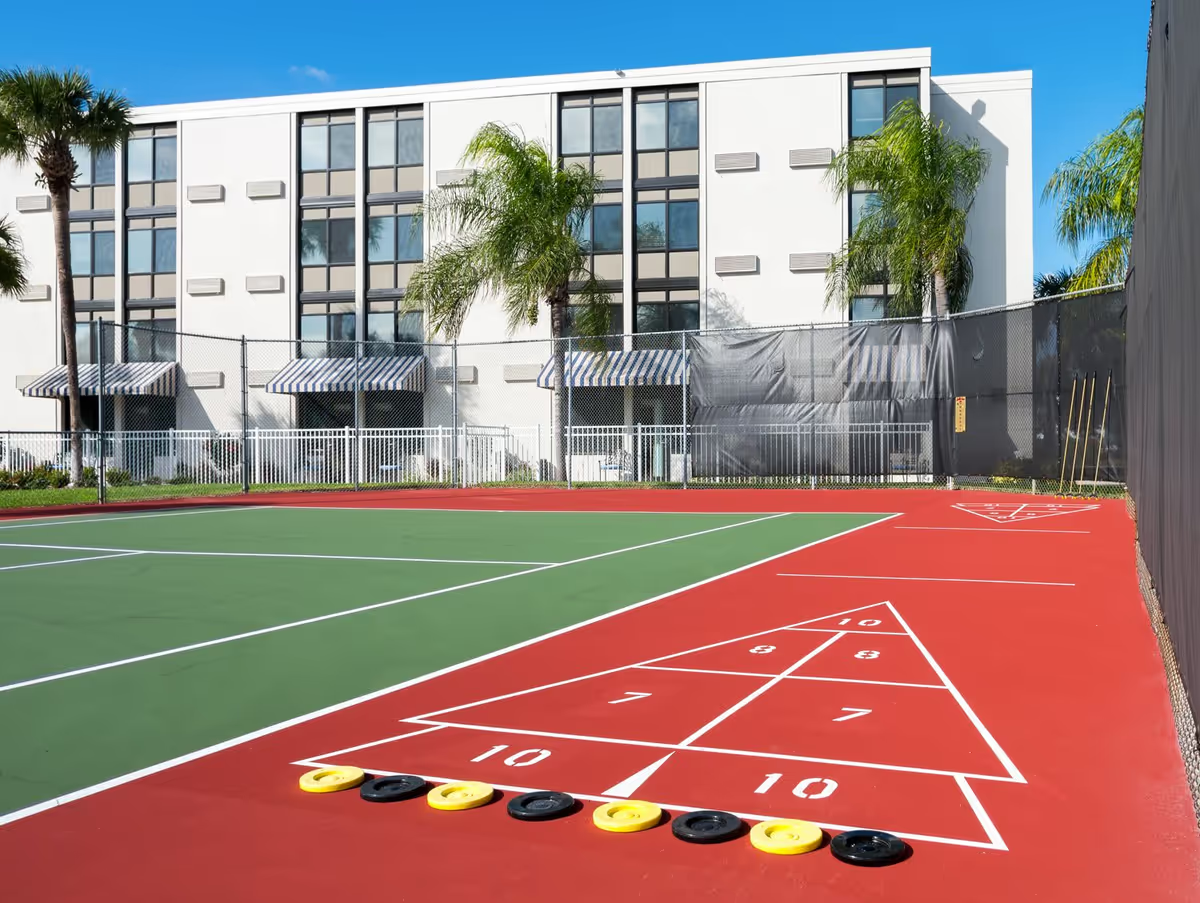
Dining and activities are overall strengths for short‑stay and rehab residents. The kitchen is viewed as accommodating and the activities department is praised for engaging programming. However, a subset of comments indicates limited stimulation for some long‑term residents, suggesting program variability between rehab and long‑term care populations.
Operationally, the facility is commended for housekeeping, security, and the general environment, but reviewers flagged recurring administrative issues: communication breakdowns between nursing and management, equipment and supply coordination problems (for example mobility aids and shower/commode equipment), and billing or financial‑accountability concerns — including a serious allegation related to post‑death financial handling. These are facility‑level governance and process issues that warrant direct inquiry by families.
In summary, The Marion and Bernard L. Samson Nursing Center demonstrates strong capabilities as a rehabilitation facility with a clean environment, skilled therapy teams, and many compassionate staff. Families considering short‑term rehab placement are likely to find high value here. For long‑term placement, reviewers indicate more variability: investigate unit‑level staffing, activity offerings, clinical escalation procedures, medication‑management safeguards, and billing/accountability practices during visits and intake conversations to clarify how the facility addresses the operational weaknesses noted by others.