Peninsula Health Center presents a mixed profile in family and resident feedback. Strengths cluster around clinical rehabilitation, some aspects of nursing care, and interpersonal supports: many families praised the facility’s physical-therapy department for frequent, intensive sessions and measurable progress toward discharge. Reviewers also cited 24-hour on-site medical coverage, in-house physicians, proactive social-work coordination, and chaplain/visitor supports as contributors to residents’ wellbeing. Numerous individual staff members in nursing, admissions, business office, and activities receive positive mention for being caring, communicative, and effective in their roles.
Care quality signals are uneven. On the positive side, several accounts describe compassionate nursing and CNA attention, reliable medication timing by certain staff, and successful therapy outcomes that enabled return home. At the same time, a pattern of operational weaknesses appears repeatedly: families describe slow call-response times, inconsistent bathing and personal-care routines, and concerns about medication-management and documentation practices. There are also multiple accounts that point to gaps in safe transfer practices and delayed escalation of clinical issues; these are important operational areas to review during a family tour.
Dining and activities receive mixed feedback. Many reviewers praised an improved and varied dining program, friendly kitchen staff, and engaging activities including outdoor time and chapel services. Others noted inconsistent meal temperature and occasional poor meal quality. The therapy and activities teams are frequently highlighted as assets, with some families crediting them for swift functional gains and improved morale.
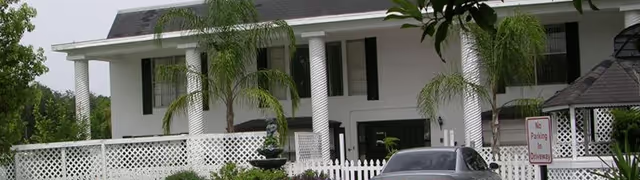
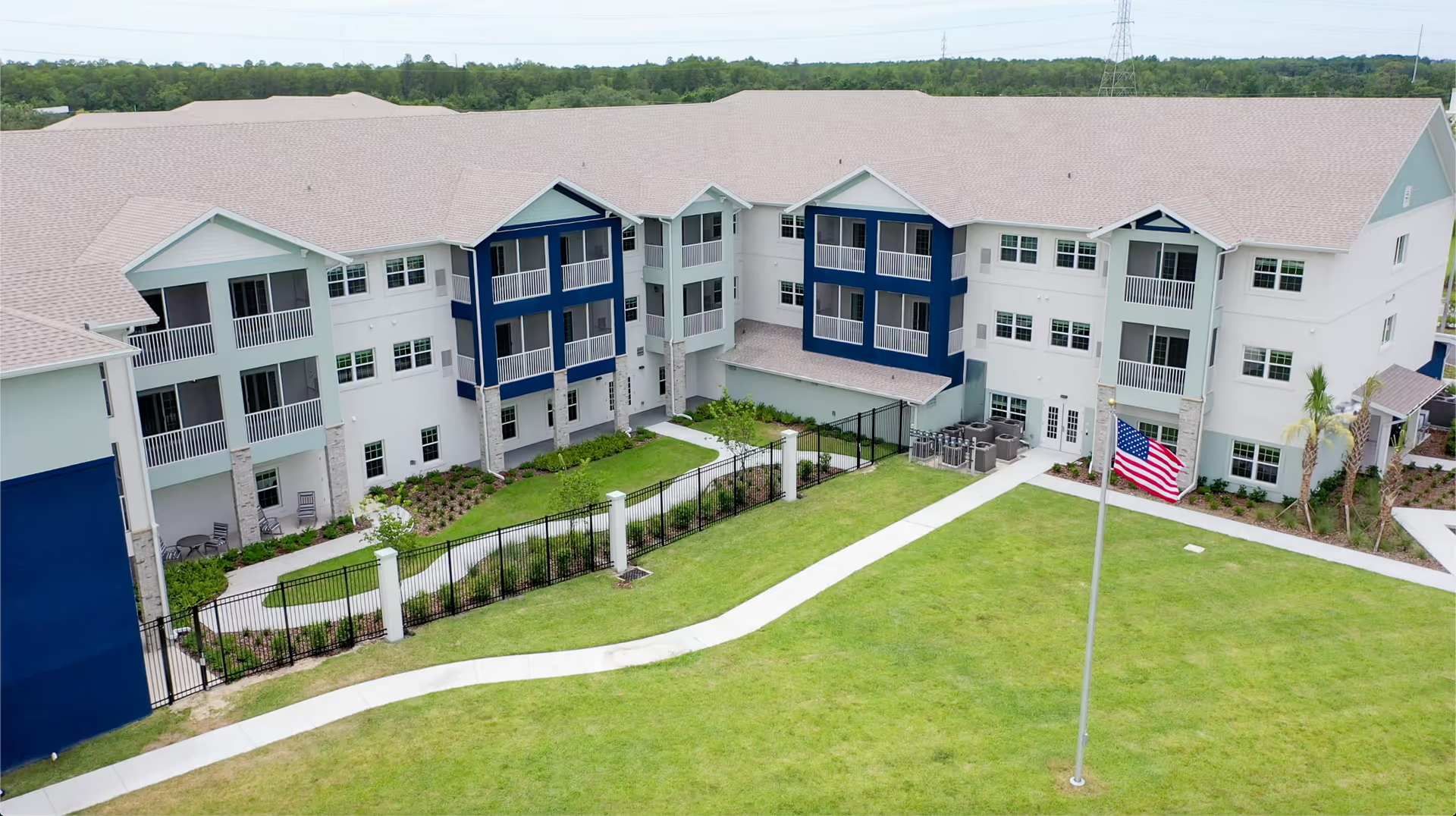
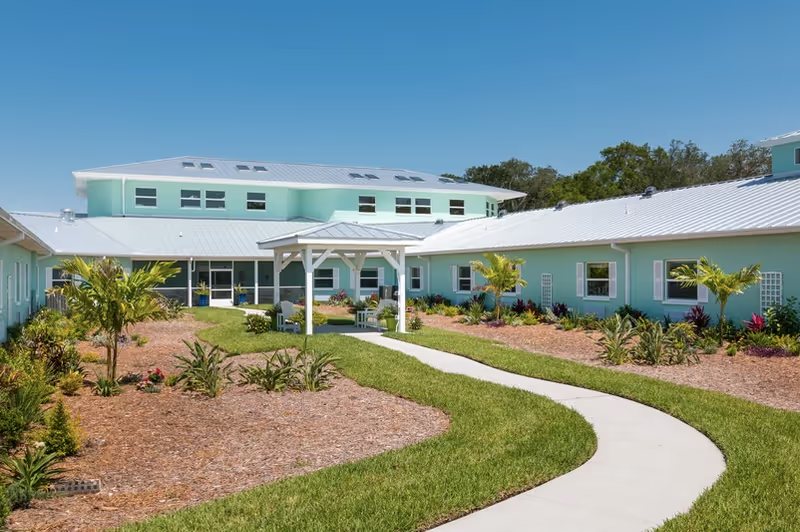
Facility condition and housekeeping are described inconsistently. Several visitors described well-maintained rooms, a pleasant courtyard, and clean common areas; however, other reports identify sanitation variability across units, localized cleanliness issues, and exterior maintenance needs. These contrasts suggest condition and housekeeping performance may vary by wing or shift, so prospective families should assess the specific unit they would use and ask about routine cleaning audits.
Management and administration show both engaged and deficient elements. Multiple reviewers named administrators, unit managers, and business-office staff who were responsive and supportive. Conversely, there are numerous accounts of inconsistent leadership follow-through, poor communication around incidents, delayed or problematic payroll and billing interactions, and insufficient security over resident belongings. Of particular note are references to allegations of staff theft and a regulatory fine; these raise governance and oversight questions that families should clarify by reviewing recent inspection and complaint records.
Patterns and practical guidance: experiences at this facility appear highly variable — some families describe an excellent rehabilitation stay and attentive staff, while others identify operational lapses with significant consequences for resident comfort and safety. Prospective residents and families would benefit from an in-person visit to the intended unit, asking for current staffing ratios, medication-administration protocols, incident-reporting procedures, valuables-security practices, and recent state inspection outcomes. Requesting to speak with the therapy director, nursing leadership, and the unit manager during a tour will help clarify whether the facility’s strengths align with the care needs and safety expectations of a particular resident.