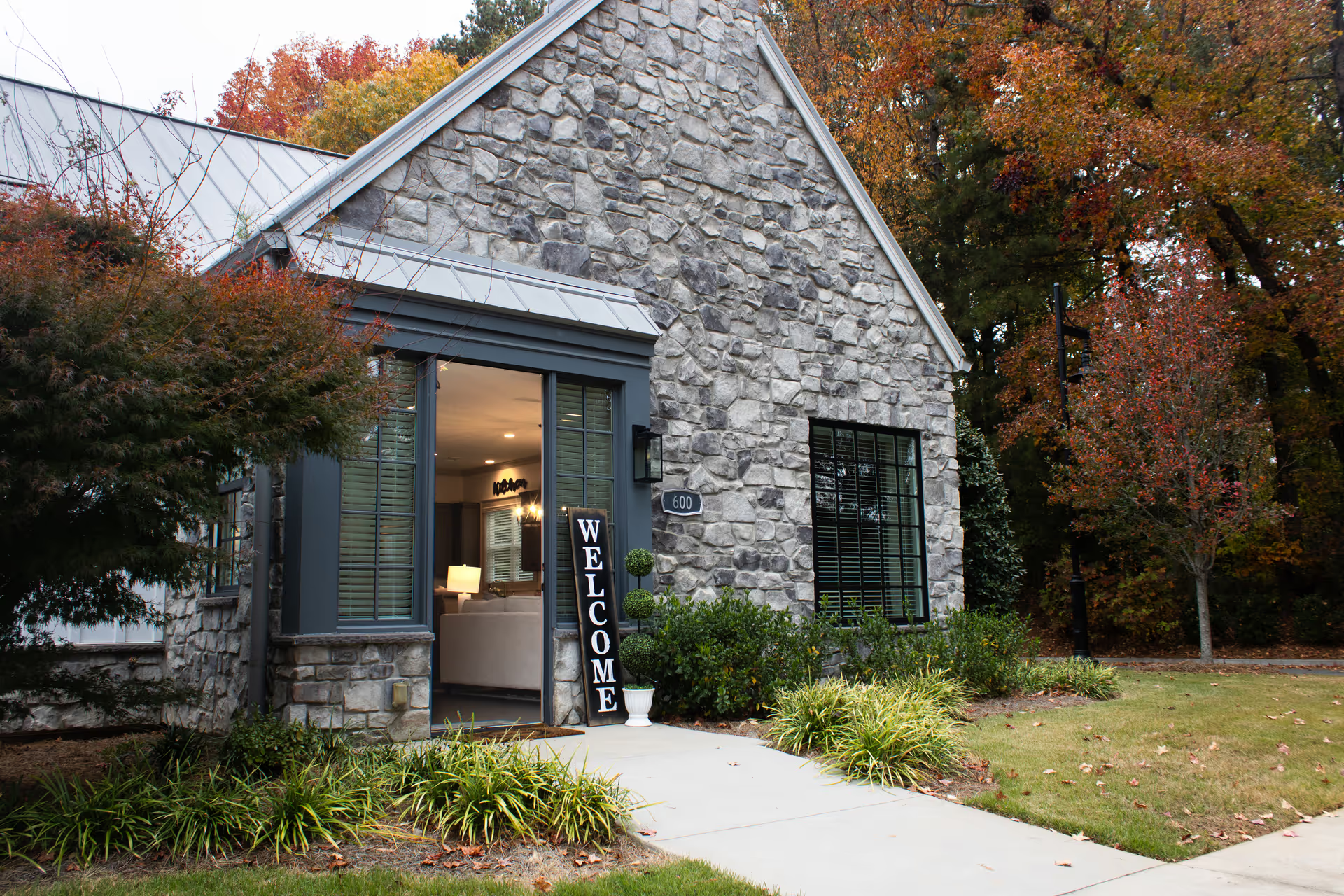
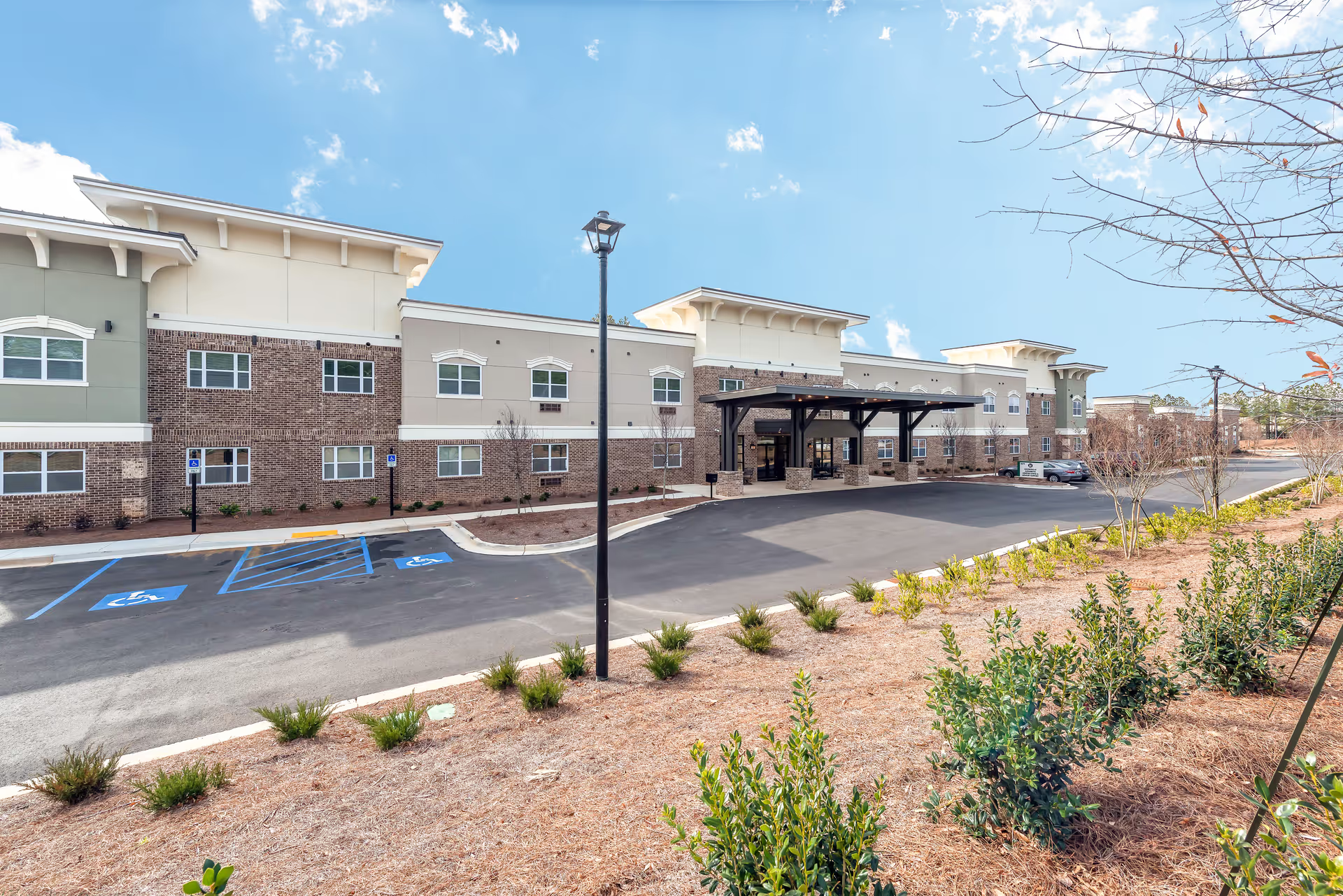
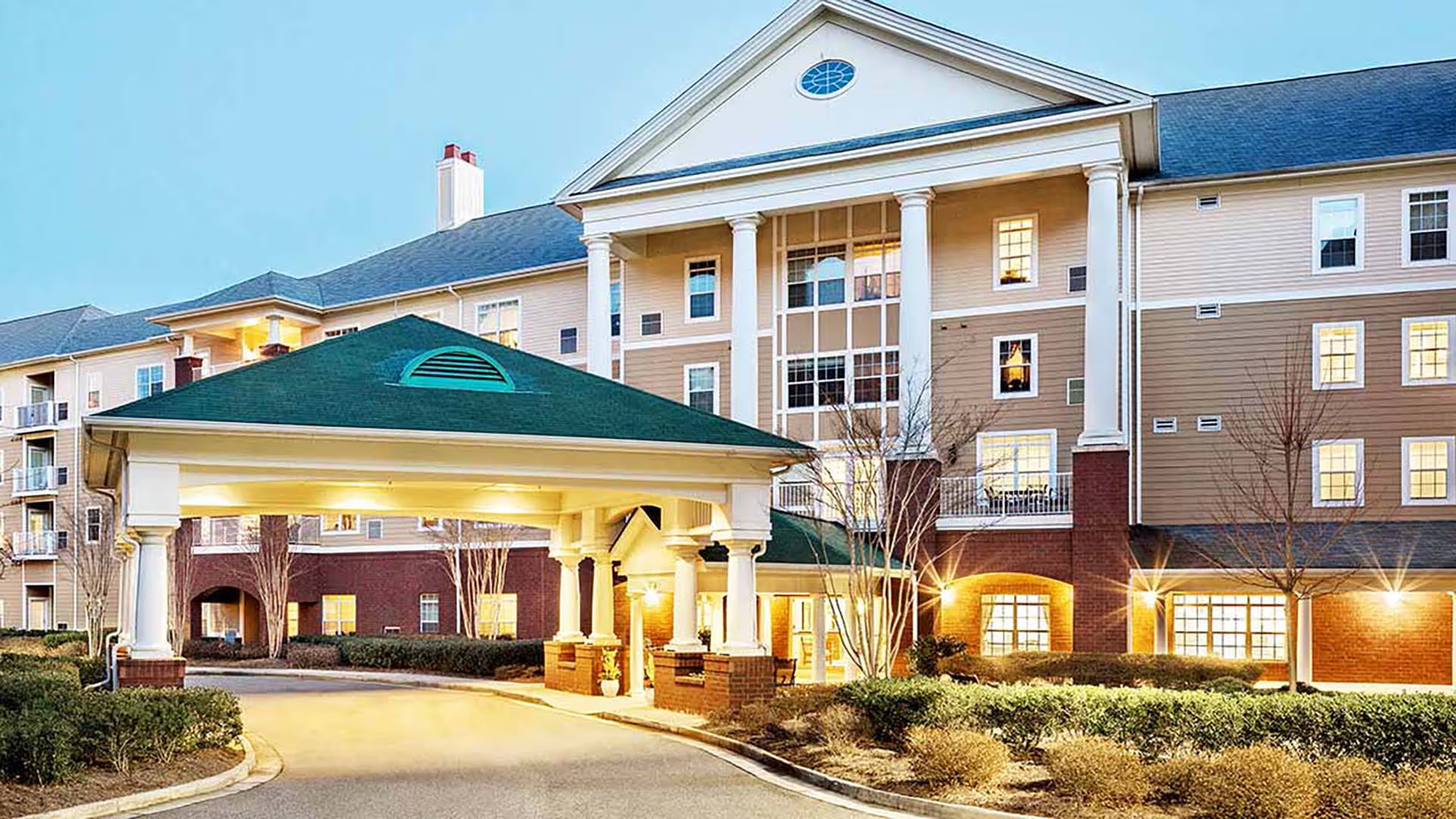
Addington Place of Alpharetta elicits strongly mixed impressions. Many families and residents describe a warm, home-like community with attentive caregivers, a robust activity calendar, and several conveniences such as on-site clinical services and an enclosed courtyard. Memory-care offerings, in particular, receive repeated praise for a family-like approach and individualized attention. When the facility is operating with experienced leadership and retained staff, reviewers describe strong communication with families, prompt emergency response, tasty meals prepared by capable chefs, and an active social environment that promotes resident engagement.
Conversely, a distinct set of operational concerns appears across reviews. The most serious cluster relates to medication-management and clinical documentation: reviewers describe errors, delayed administrations, and gaps in following physician orders and incident reporting. These concerns are best understood as weaknesses in medication administration controls and clinical-process adherence rather than isolated interpersonal issues. They are closely associated with inconsistent staffing levels and frequent turnover, which reviewers link to longer pendant response times, delayed assistance, and variability in care quality.
Staff and management impressions vary substantially. Numerous accounts commend compassionate, skilled caregivers and proactive activity and administrative staff; multiple reviewers name individual leaders positively and describe successful improvements under new management. At the same time, other accounts indicate variable leadership stability, abrupt management changes, and instances of unsatisfactory managerial responses to family concerns. Related themes include uneven staff training, occasional patronizing communication styles toward residents, and workplace stress that can affect continuity of care.
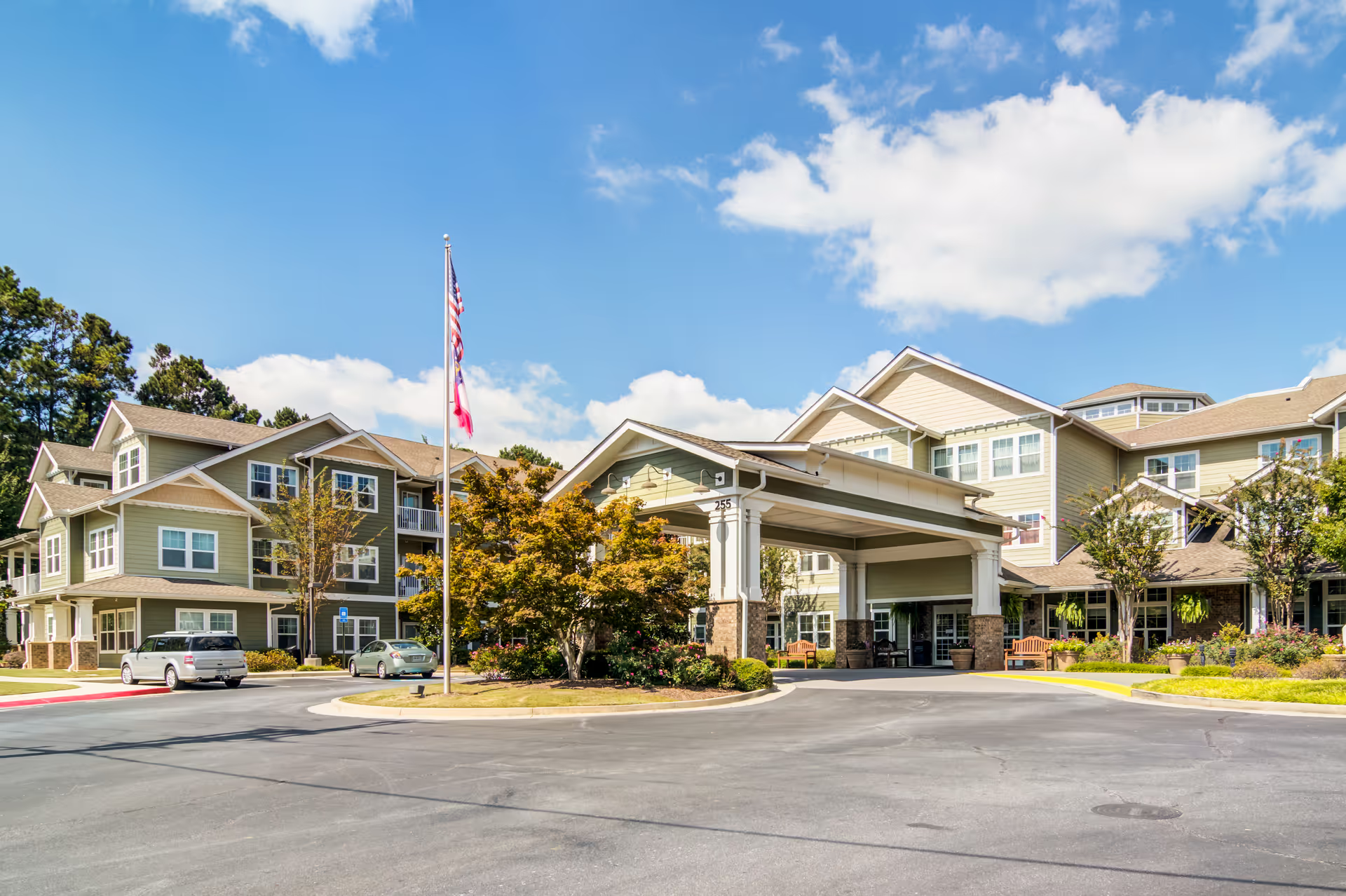
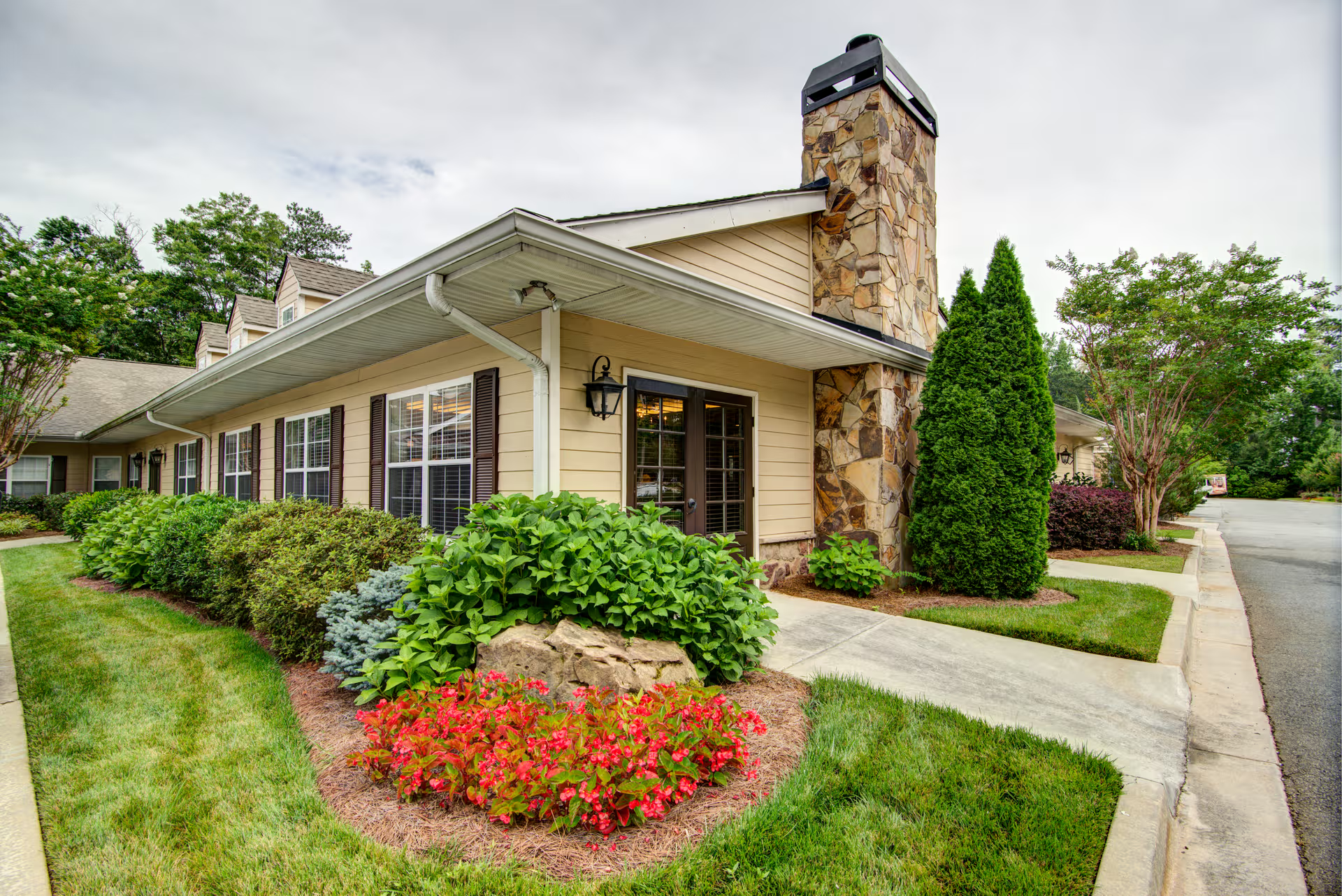
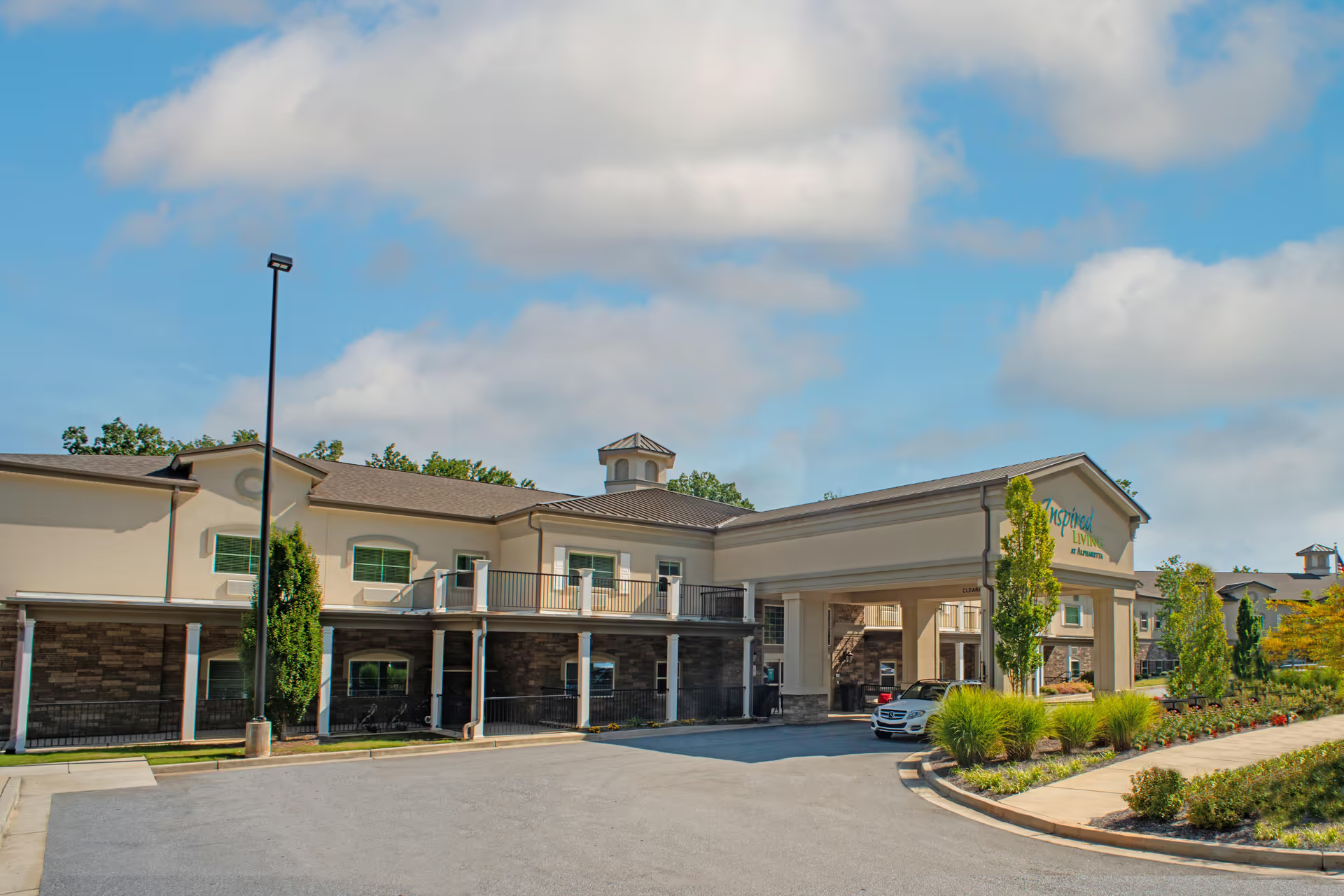
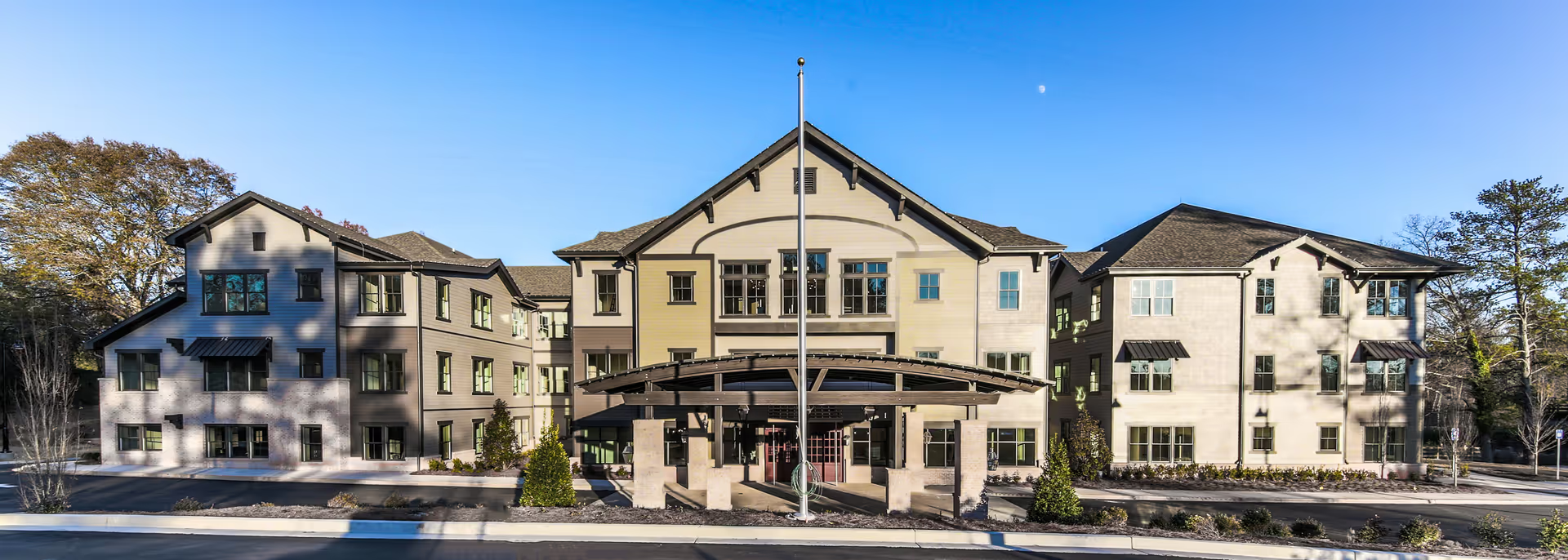
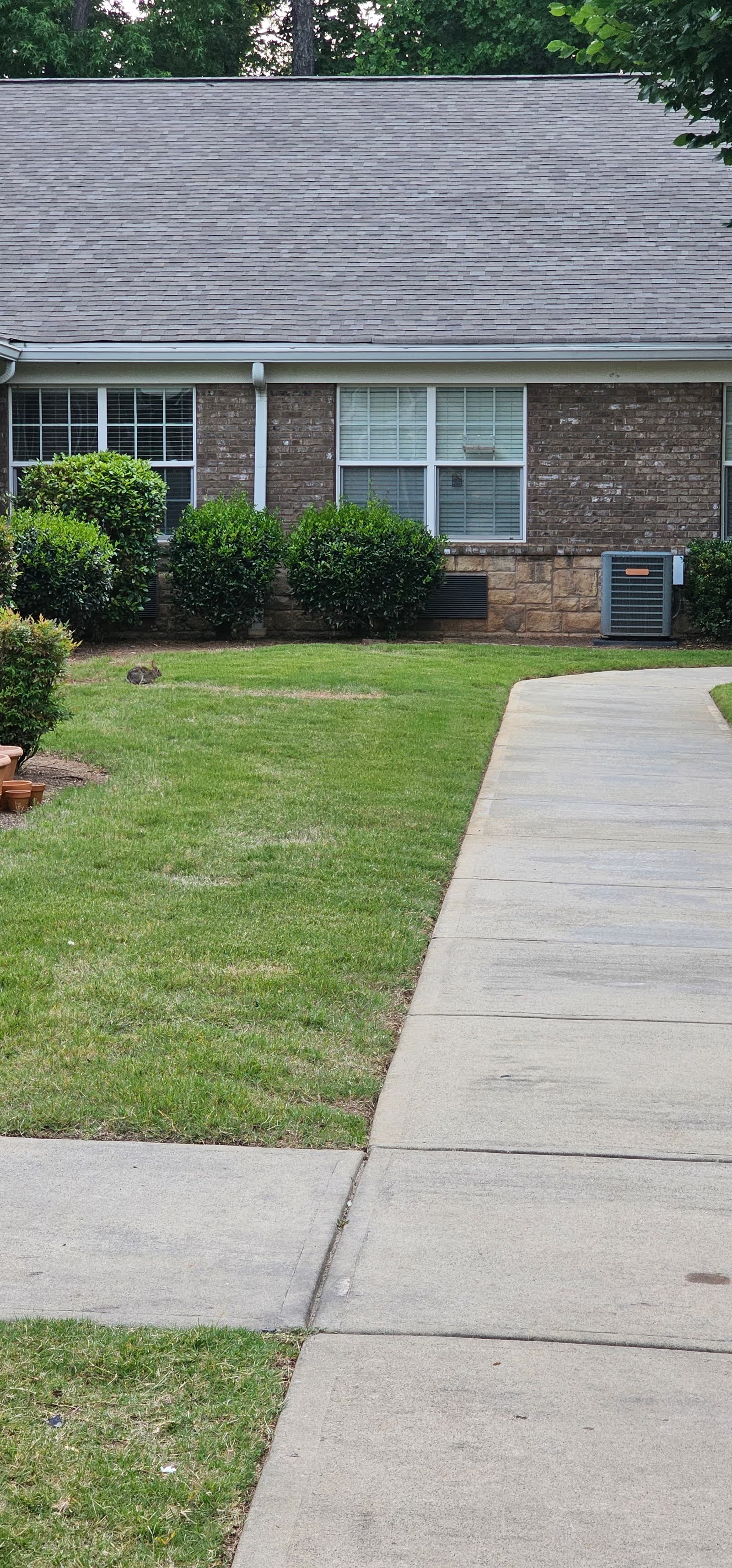
Dining and daily life receive generally favorable remarks for menu variety, social dining, and culinary staff engagement, but there are recurring notes about inconsistent meal temperature and an all-day menu that sometimes requires advance ordering. Facility upkeep is commonly praised—clean, attractive common spaces and a well-kept exterior—yet maintenance follow-through and responsiveness to work orders are cited as inconsistent in some cases.
Practical considerations that prospective residents and families should evaluate include billing and pricing transparency, pet-policy clarity, and evidence of sustainable staffing levels. While many reviewers highly recommend the community—especially for memory-care needs and activity programming—the pattern of operational weaknesses (medication controls, staffing stability, maintenance responsiveness, and management consistency) merits direct inquiry during a tour. Observing medication procedures, mealtime service, staff–resident interactions, and the facility’s incident-reporting practices can help families reconcile the facility’s strong cultural and programmatic assets with the operational risks noted in several accounts.