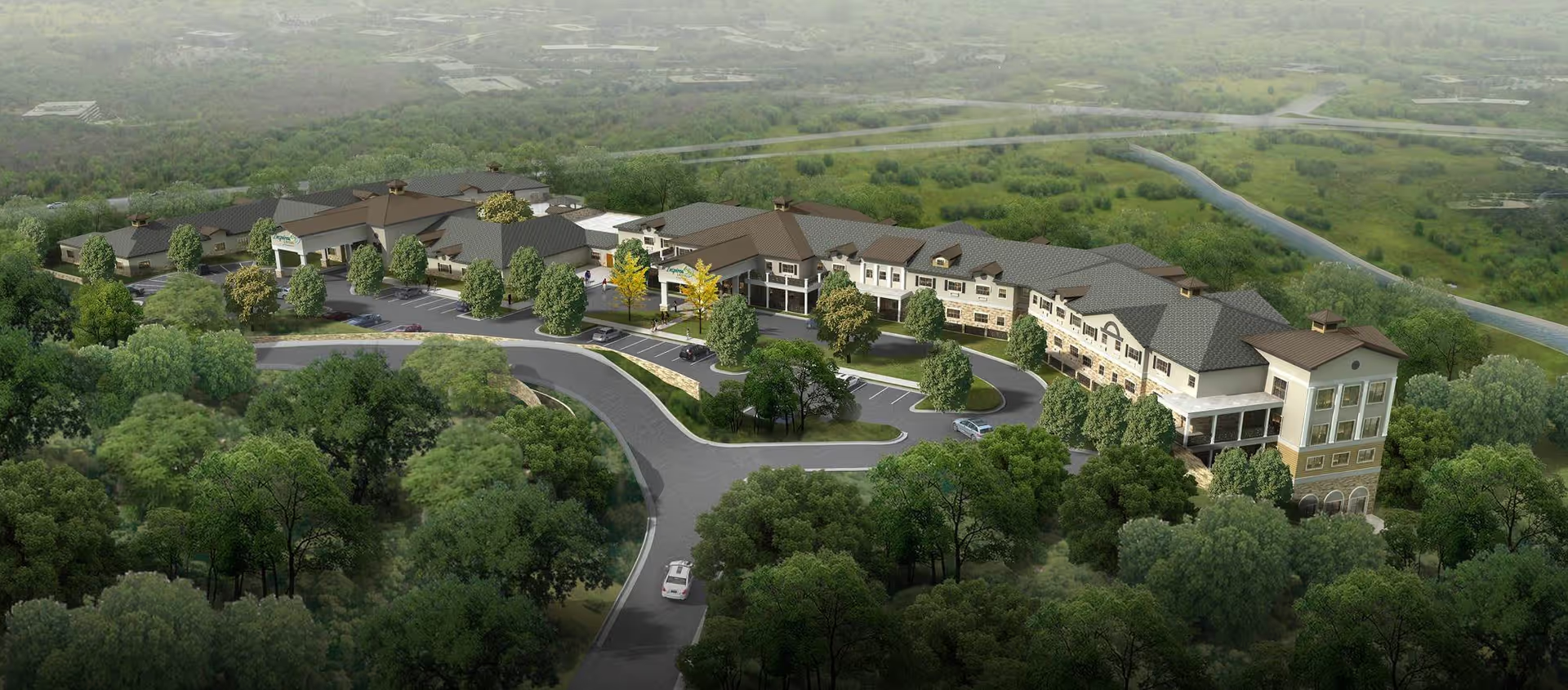
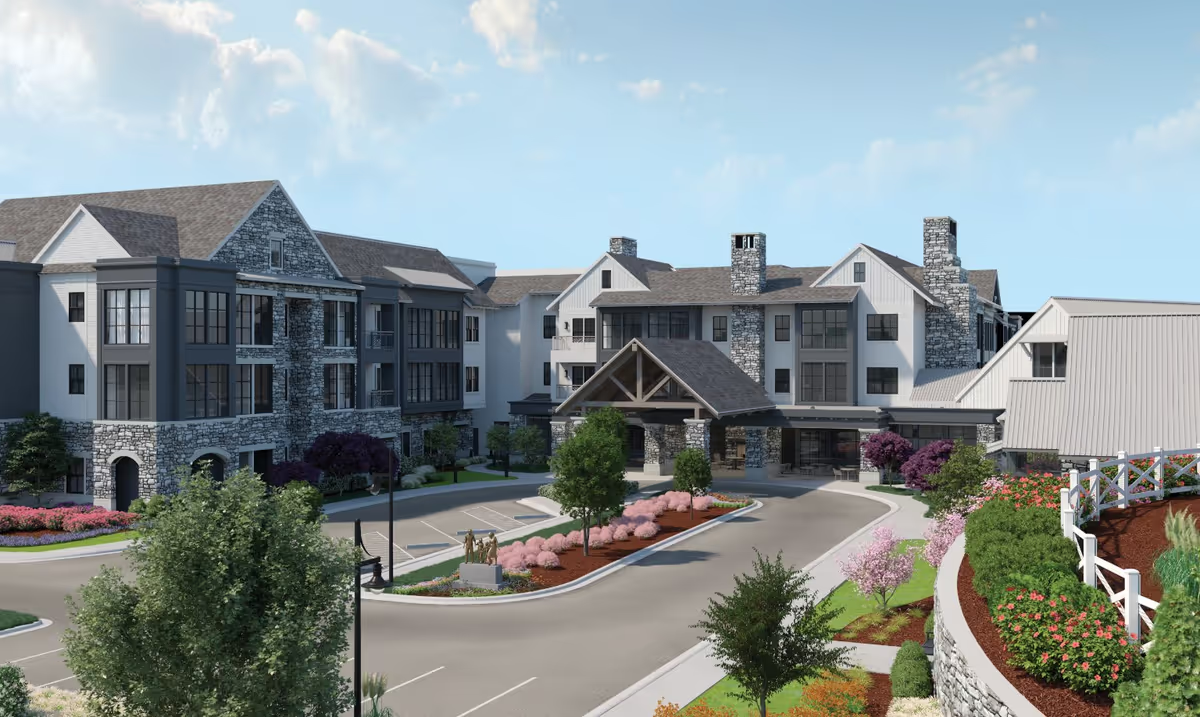
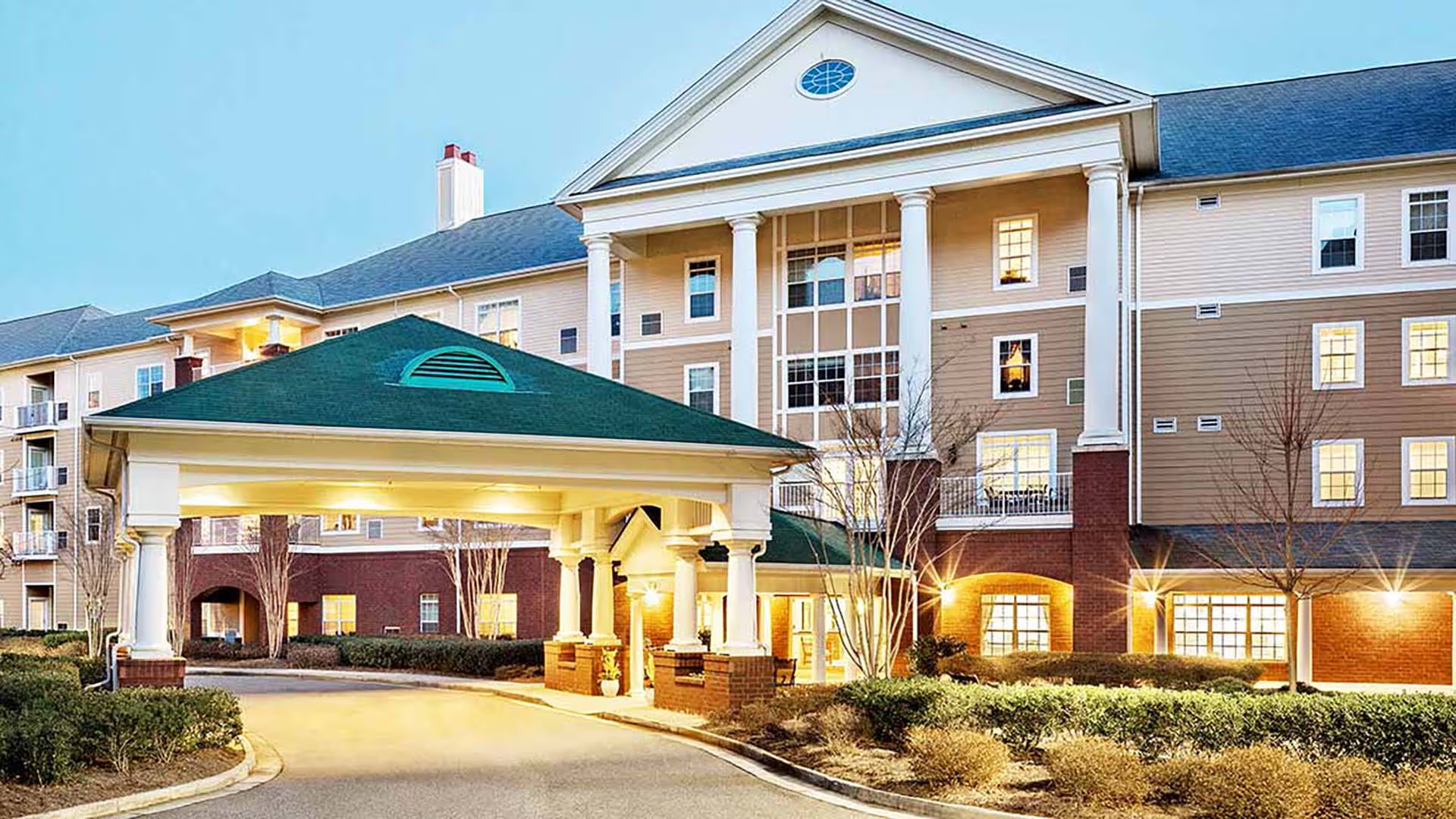
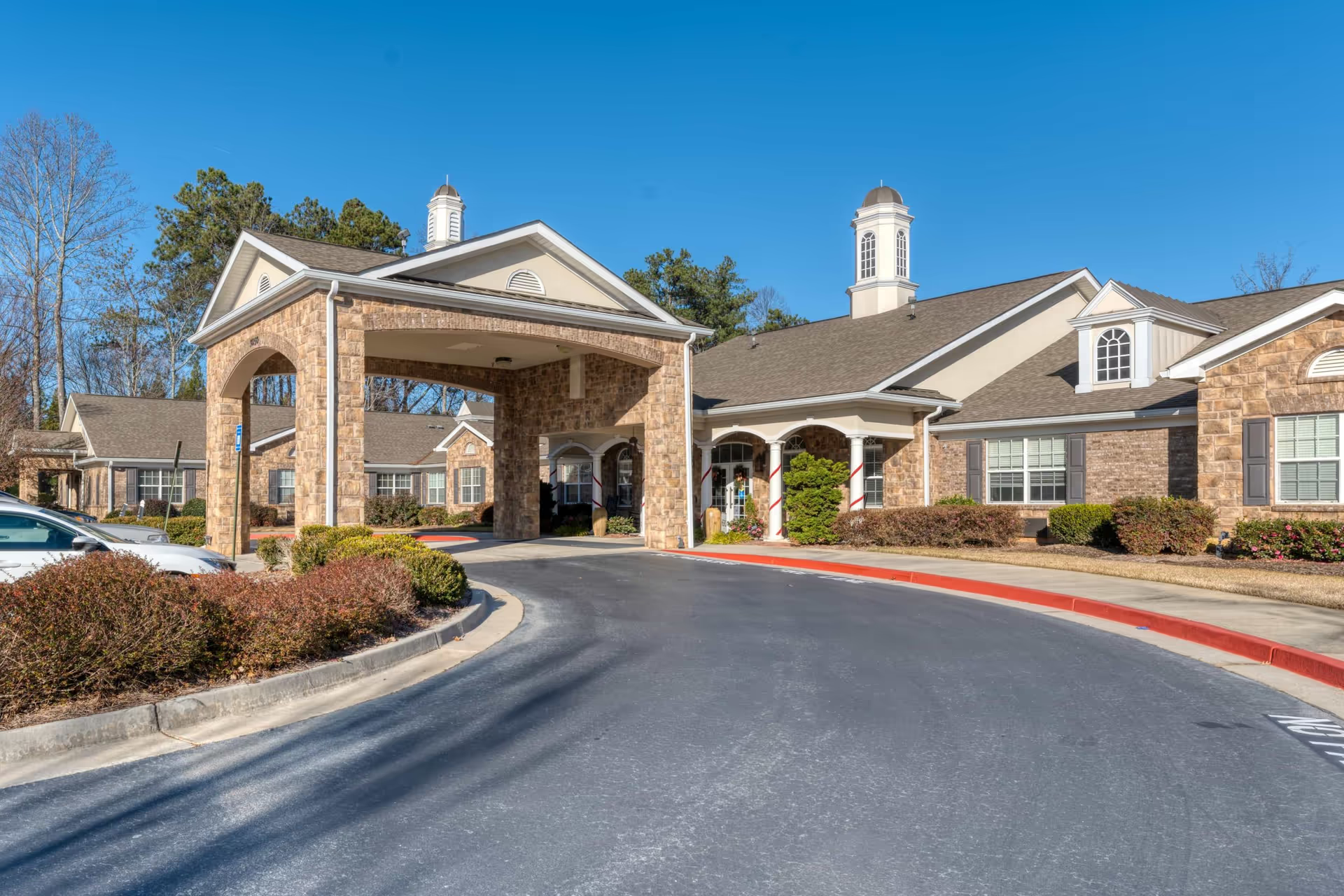
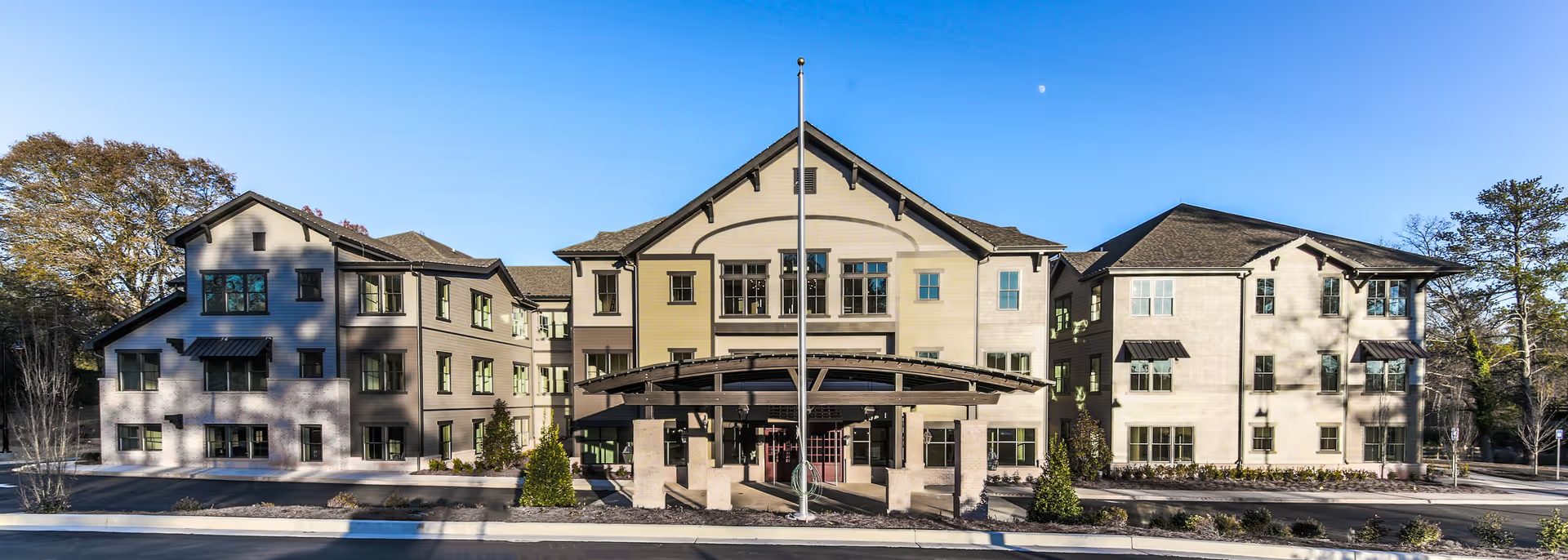
Village Park Alpharetta presents a clear split between strong physical assets and uneven operational performance. Reviewers consistently praise the campus: attractive, modern construction; a variety of housing types (cottages, bungalows, condos) with spacious floor plans, garages and balconies; and multiple on-site amenities such as a theater, salon, gym, and dining venues. Many families and residents describe a warm social environment, active programming, frequent social events, and a community where residents form friendships. Memory care and end-of-life attention receive repeated positive mention, as do instances of highly attentive caregiving staff who create individualized engagement.
At the same time, a pattern of operational weaknesses recurs across the feedback. High turnover in leadership and frontline staff is described repeatedly and is linked to breaks in continuity of care. Several accounts describe chronic understaffing that affects timeliness of personal care and medication administration; reviewers noted inconsistent medication practices and occasions where care needs beyond basic assistance were not reliably met. These staffing challenges appear to produce variable resident experiences: some families report excellent, consistent care, while others describe delays in routine care and inconsistent follow-through.
Dining and service reliability are another area of mixed feedback. The property offers multiple dining options and many reviewers praise the food and dining experience; however, other reviews cite inconsistent food quality, lukewarm meals, cafeteria closures or shortages, and interruptions in meal service. Facility operations and maintenance also show variability: some households report timely maintenance and a pristine campus, while others describe maintenance delays, intermittent outages (hot water, elevators, Wi‑Fi), and a long-term pool closure. Financial and administrative processes are a frequent source of frustration—billing errors, delayed refunds, and unclear extra-fee charges appear as recurring themes.
Communication and management responsiveness are uneven. While some families highlight accessible, long-tenured admissions staff and an executive director who has improved culture and staffing, others describe slow or unresponsive communication, billing follow-through failures, and marketing promises that did not align with the move-in reality. Safety and privacy concerns are present in a subset of accounts, suggesting process gaps around access to apartments and visitor controls. Cost is another consideration: this is positioned as a higher-priced community, and several families felt the perceived value did not match the cost when operational issues occurred.
Overall, Village Park Alpharetta offers a well-appointed campus, robust activity programming, and a number of highly praised caregiving staff and memory-care elements. Prospective residents and families should weigh the strong facility amenities and active community life against documented operational variability—especially leadership and staffing stability, dining consistency, medication and clinical continuity, and financial administration. Visiting during meals, speaking with current residents and families about recent leadership changes, and getting written clarity on billing, staffing ratios, and expected level-of-care capabilities will help determine whether the current operational profile fits a prospective resident’s needs.