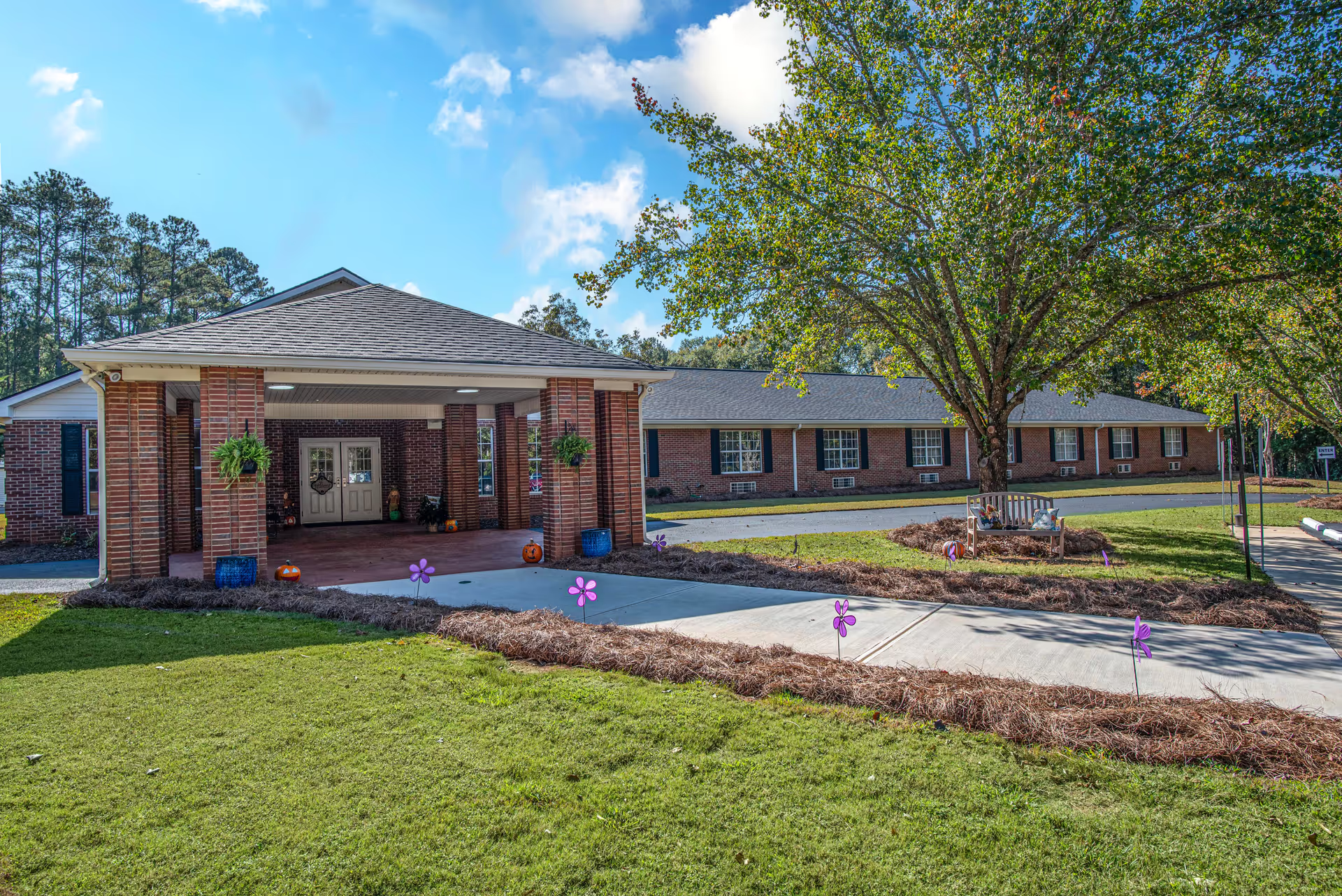
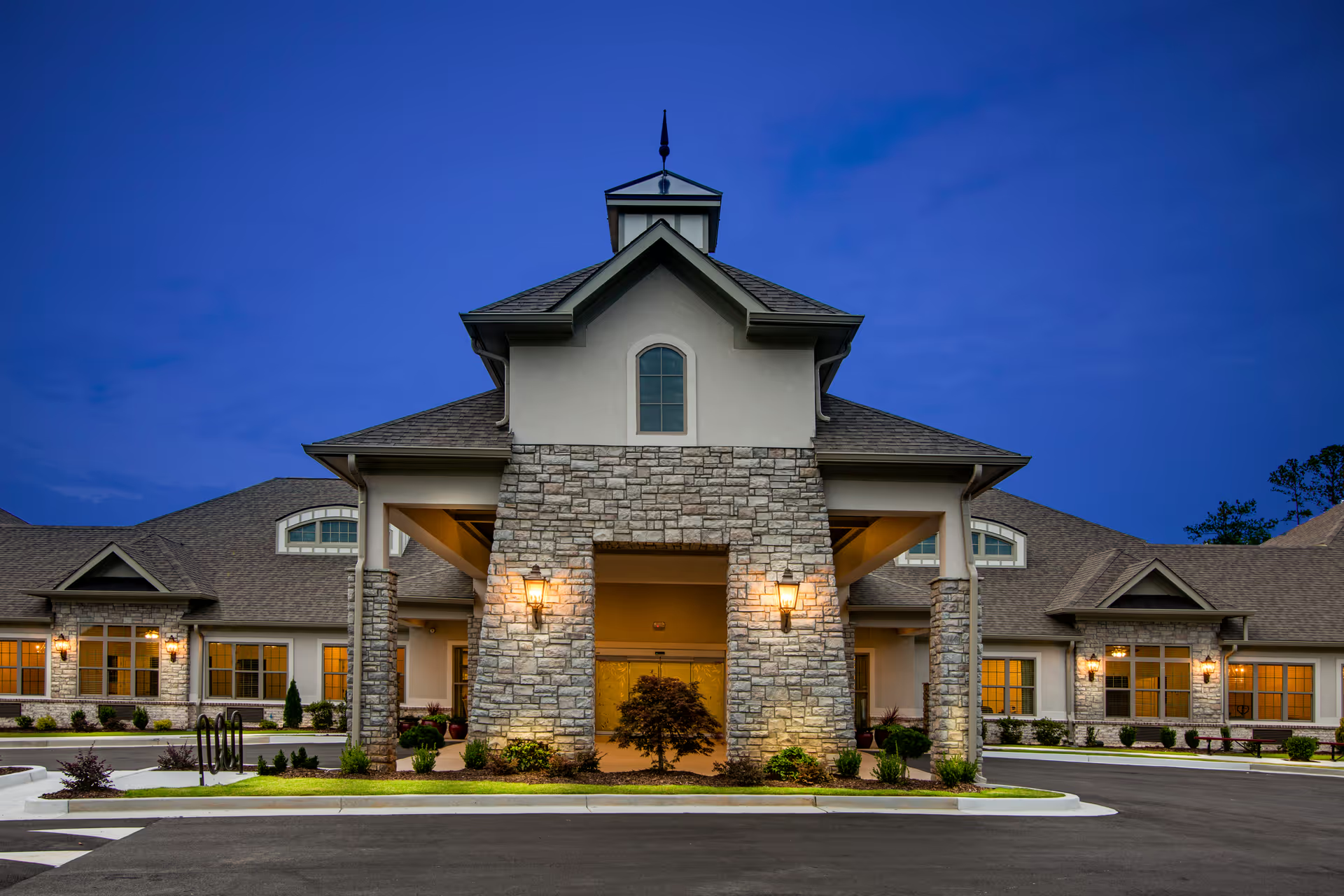
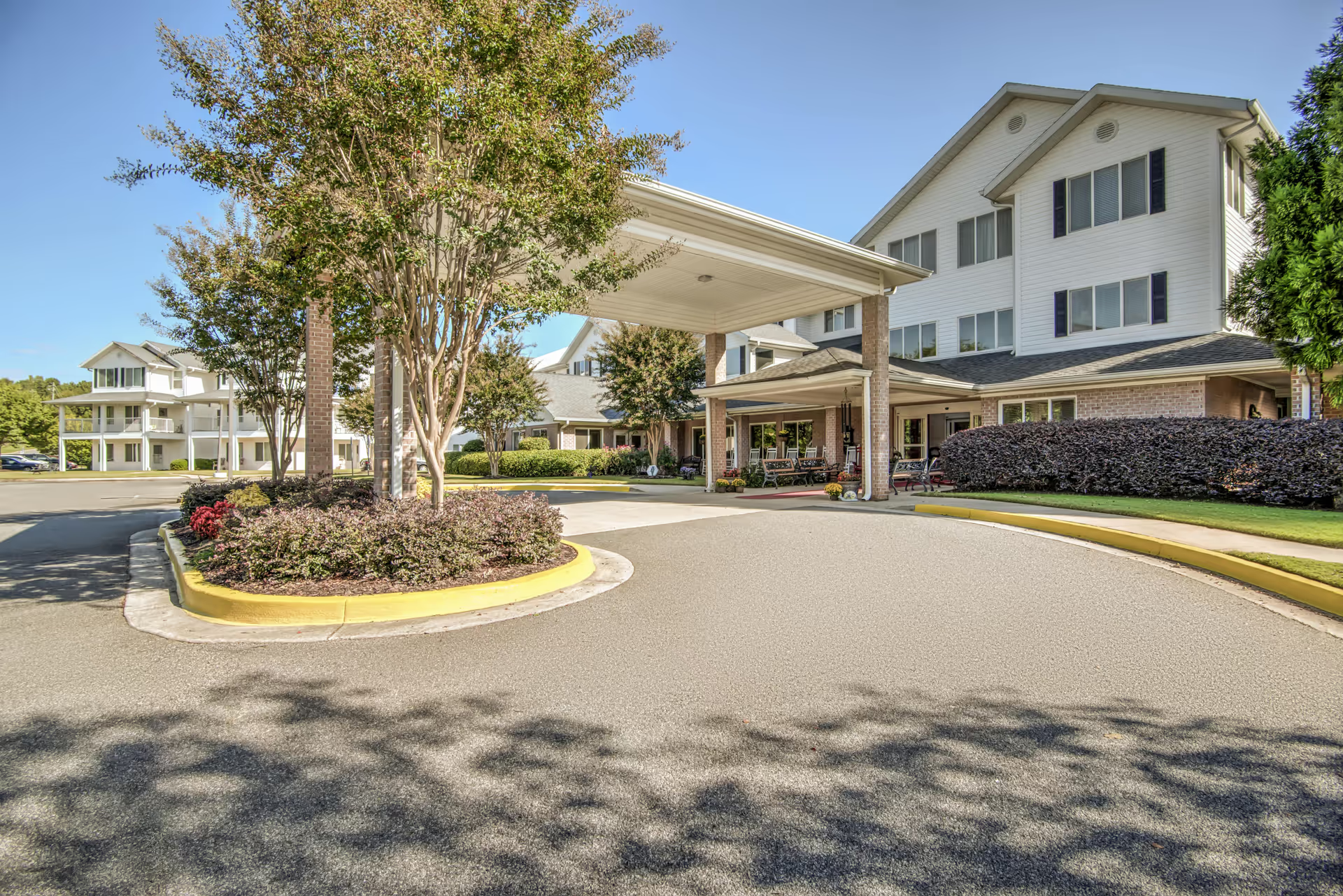
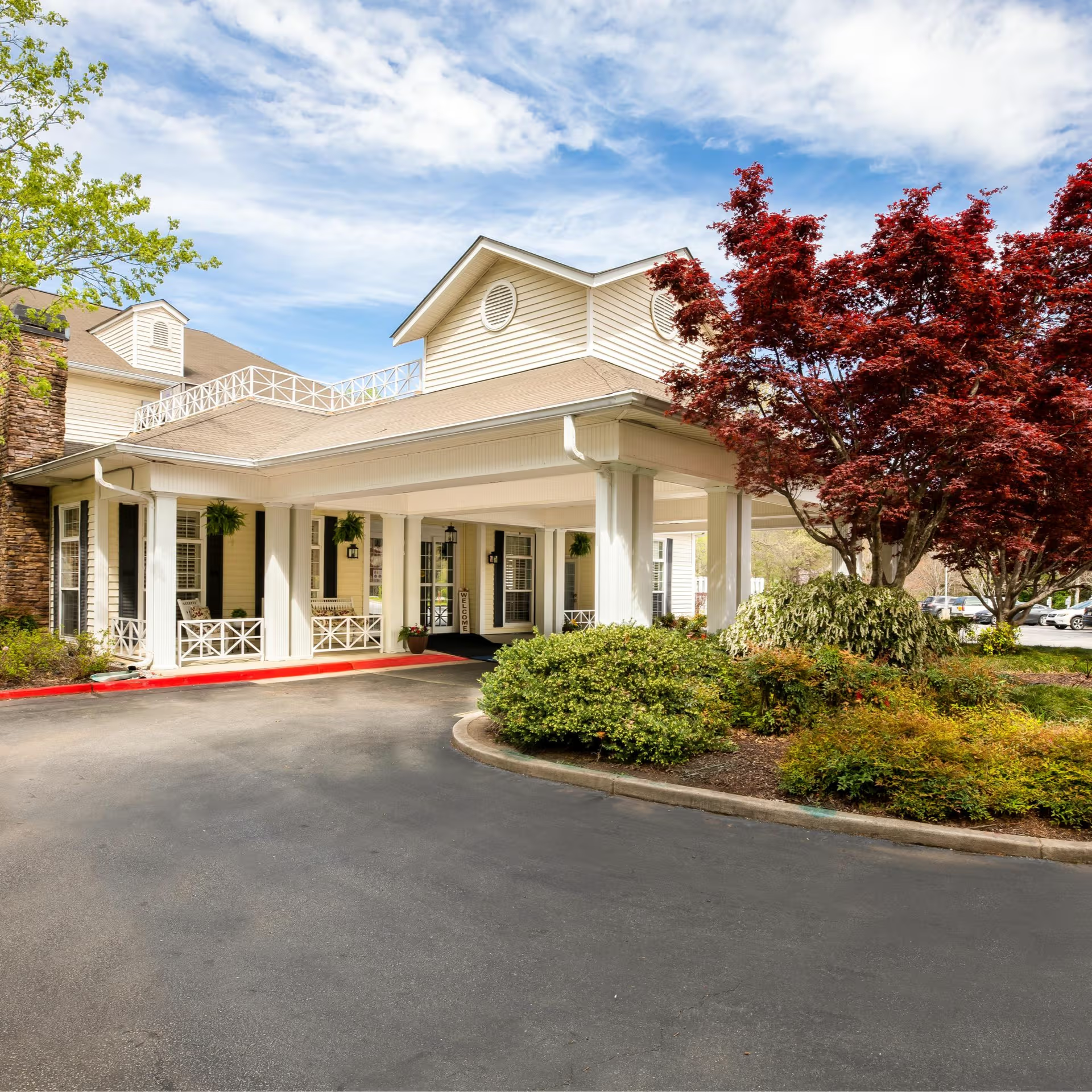
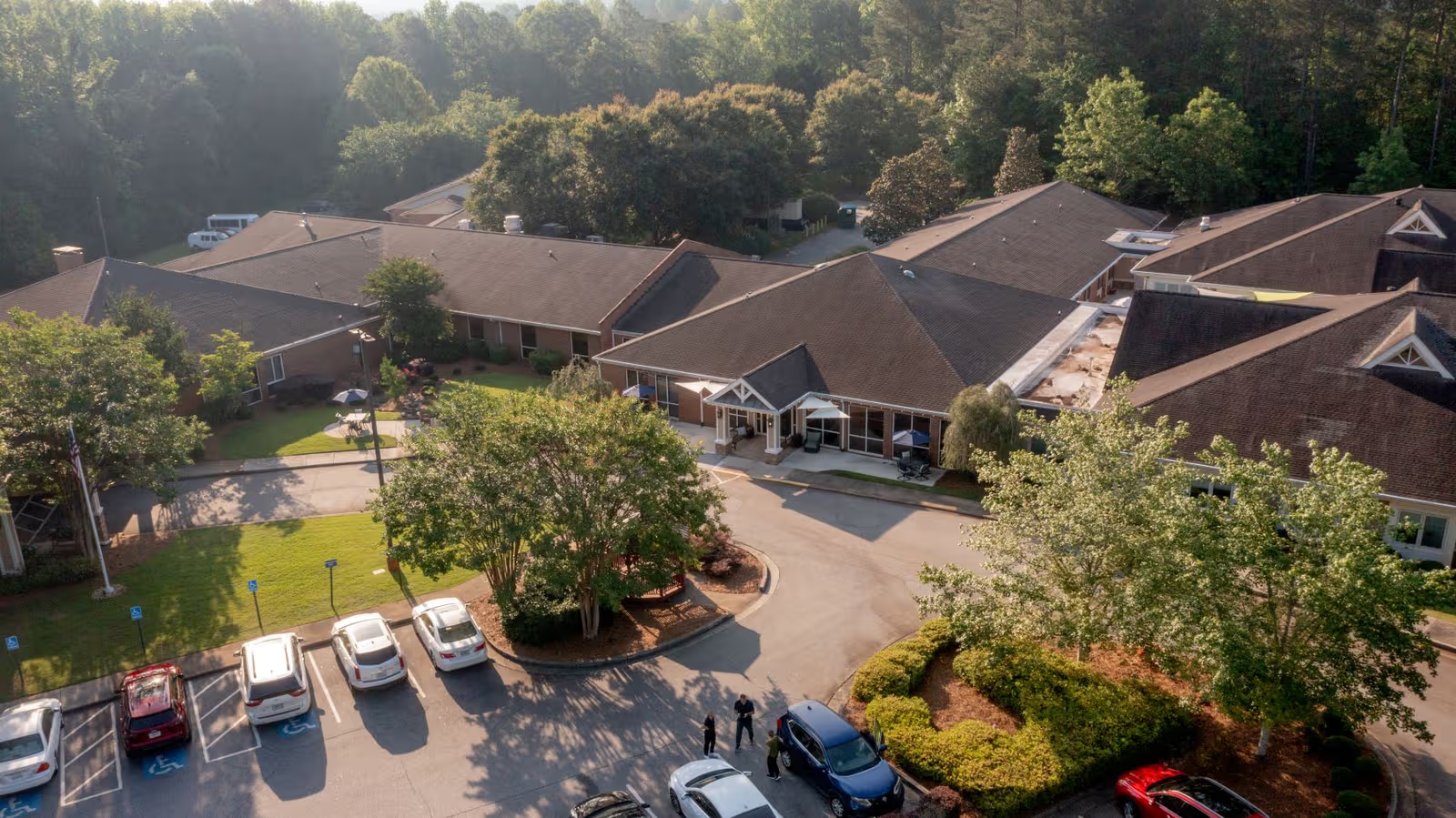
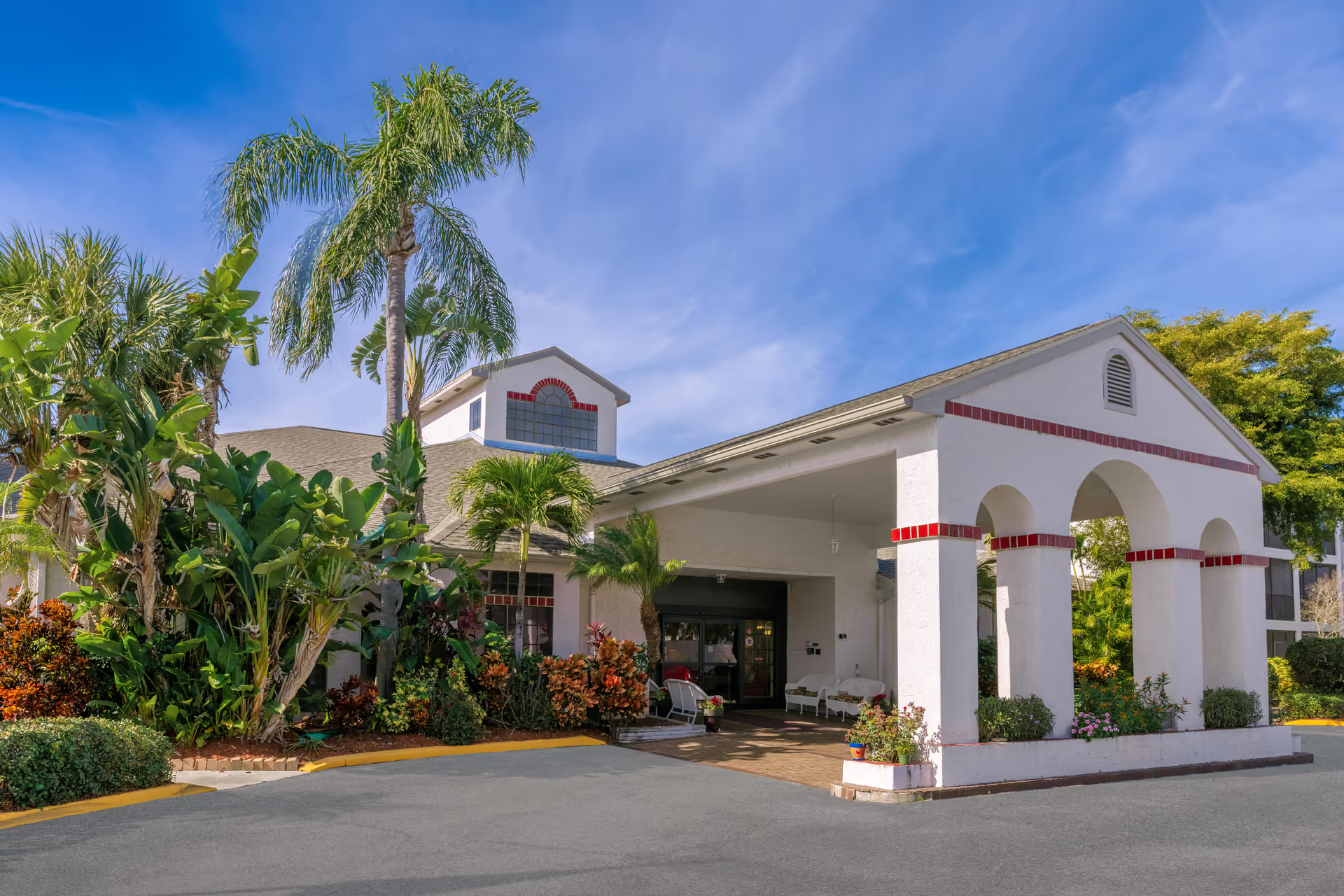
Reviews describe a facility with strong physical plant assets and a robust rehabilitation program but recurring operational challenges that affect ongoing nursing and long-term care. The property itself is consistently described as attractive, clean, and well equipped: reviewers cite spacious private rooms with accessible bathrooms, inviting courtyards, chapel/theater/bistro spaces, and a large therapy gym. The therapy teams (physical, occupational, and speech) receive frequent praise for effectiveness and measurable mobility gains, and the activities program—particularly animal therapy, outdoor outings, and social events—appears to be an active component of resident life.
Care quality presents a mixed picture. Short-term rehab outcomes are commonly positive and driven by capable therapists and a well-resourced rehab department. In contrast, clinical nursing care and hands-on aide support are described as inconsistent. Many accounts point to chronic staffing shortages and stretched CNAs, which reviewers connect to long call-light response times, delays in basic assistance, irregular bathing and toileting support, and inconsistent documentation. Medication administration and reconciliation problems are another recurrent theme: missed or late doses, incomplete medication lists at discharge, and lapses in IV/PICC-line follow-through are described as systemic rather than isolated, and these issues have occasioned rehospitalizations or additional clinical interventions in some accounts.
Staffing and communication dynamics are uneven. Several families and residents praise individual employees—therapists, certain nurses, admissions staff, and activity coordinators are often singled out as compassionate and competent. At the same time, reviewers report variability between shifts (with nights and weekends frequently identified as weaker), low staff morale due to workload, and defensive or unresponsive communication from some front-line and administrative personnel. Family communication problems include difficulty reaching staff by phone, delayed updates after clinical events, and inconsistent coordination with outside physicians or specialists.
Dining and ancillary services are described as generally adequate with variety and flexible dining options, but there are recurring complaints about meal temperature, timing, and accommodation of dietary restrictions. Laundry and belongings management and some aspects of housekeeping are noted inconsistently; while many reviewers find the facility clean, others report lapses in linen changes and personal-item tracking.
Safety and operational risk areas emerge as patterns rather than single incidents. Reviewers raise concerns about emergency escalation, delayed ambulance or 911 contacts, fall-safety practices tied to slow response times, and infection-control coordination in complex cases. Administrative processes—discharge planning, medication handoff, billing, and responsiveness to grievances—are frequently described as needing improvement, which amplifies clinical concerns when continuity of care is essential.
Overall, the pattern in these summaries suggests The Oaks - Athens can provide high-quality short-term rehabilitation and offers an attractive, activity-rich environment. Prospective residents and families should weigh that strength against recurring operational weaknesses in nursing coverage, medication management, responsiveness, and administrative follow-through—especially for individuals with complex medical needs or those requiring reliable around-the-clock nursing support. When considering placement, families may benefit from direct, documented assurances about staffing ratios, medication reconciliation procedures, discharge planning, and escalation protocols, and from planning for added oversight during nights, weekends, and transitions of care.