Overview: The collective reviews present a facility with a substantial range of experiences. Many families and patients praise the staff for compassionate bedside care, and the therapy teams (physical and occupational therapy) are frequently described as skilled and effective at promoting recovery. At the same time, a sizable set of concerns centers on variability in day-to-day care delivery, particularly nursing coverage, responsiveness, and clinical oversight during certain shifts.
Care quality and clinical operations: Therapy and rehabilitation services emerge as a relative strength: reviewers routinely cite effective PT/OT, focused recovery programs, and positive functional outcomes. Nursing and hands‑on caregiver performance is described inconsistently — some accounts highlight attentive, dignified care and strong wound/medical management, while others describe delays in medication administration, missed care tasks (turning/repositioning, assistance with bathroom needs), and errors tied to pharmacy coordination. Infection-control concerns and at least one healthcare-associated infection were specifically mentioned; these should be considered in the context of broader reports about sanitation and clinical-process variability.
Staff and culture: Staff are often characterized as warm, friendly, and personally attentive — front-desk and concierge teams receive repeated praise for their professionalism and helpfulness. Several individual staff members and managers received positive mention, and some families reported measurable improvements after administrative changes. Conversely, reviewers also describe high staff turnover, staffing shortages, and uneven supervisory presence, all of which contribute to inconsistent care across shifts and units. There are also serious personnel-related claims, including allegations of discriminatory employment practices and concerns about financial handling and personal-item security; these are raised as governance and human-resources issues rather than routine operational criticisms.
Dining and activities: Dining impressions are mixed. Some visitors and residents describe appetizing meals and special events (wine-and-cheese, holiday services), while others report cold food, inconsistent meal service, and occasional dietary management errors. Activity programming is similarly variable: several reviews praise engaging, well-planned activities and social opportunities, but others report limited or infrequent programming on certain units and a lack of meaningful engagement for some residents.
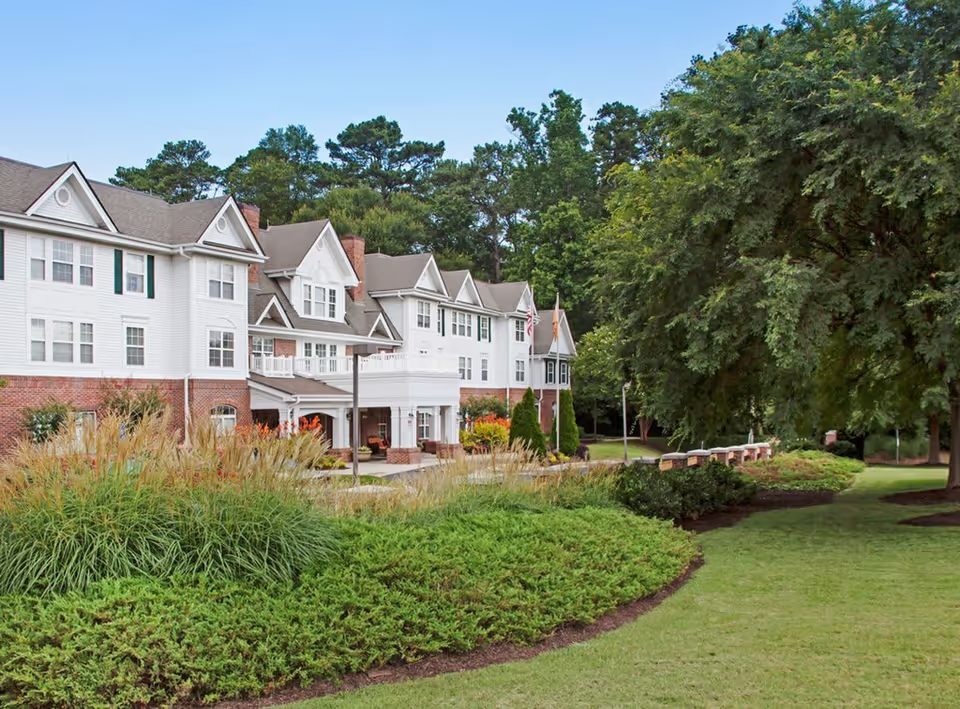
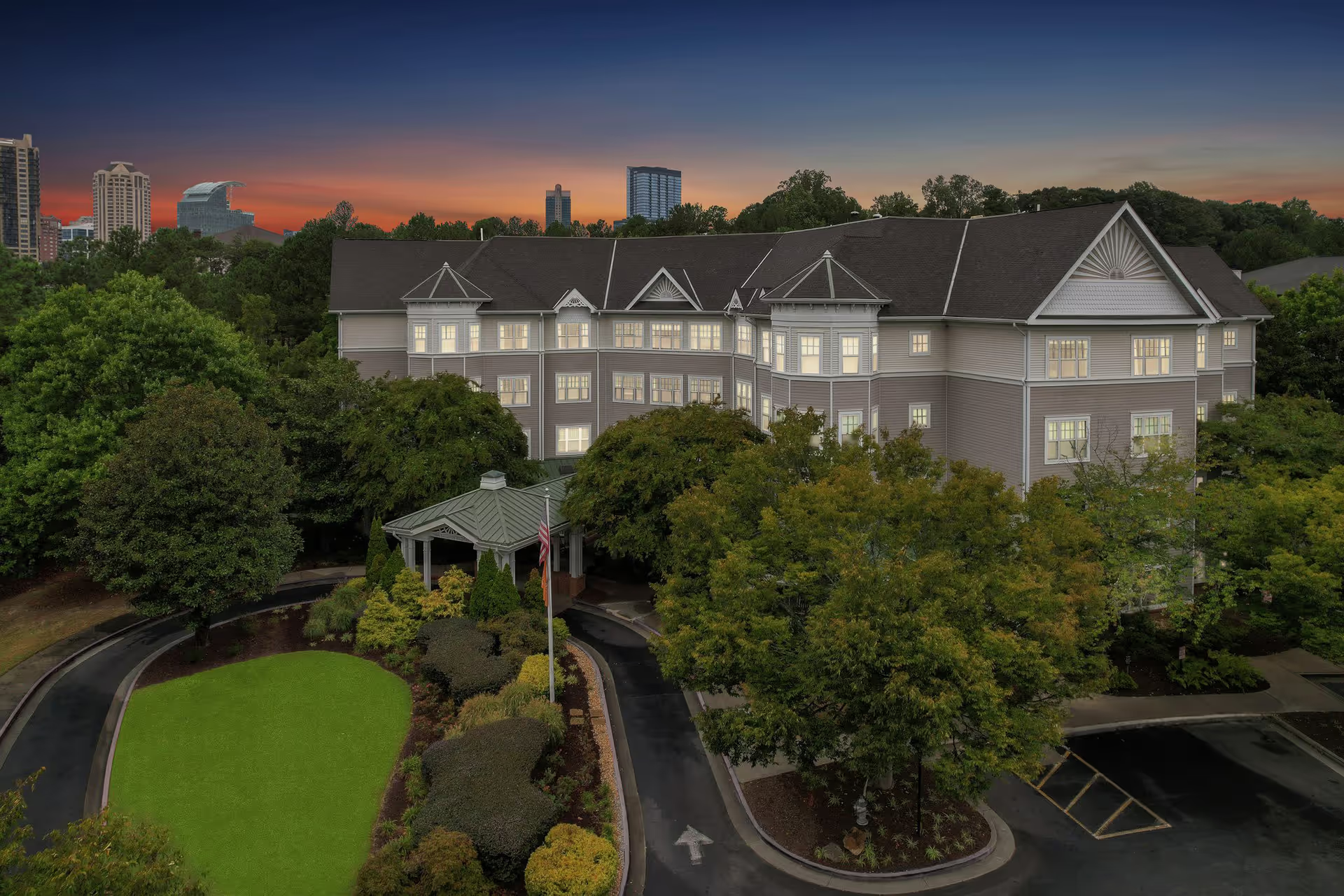
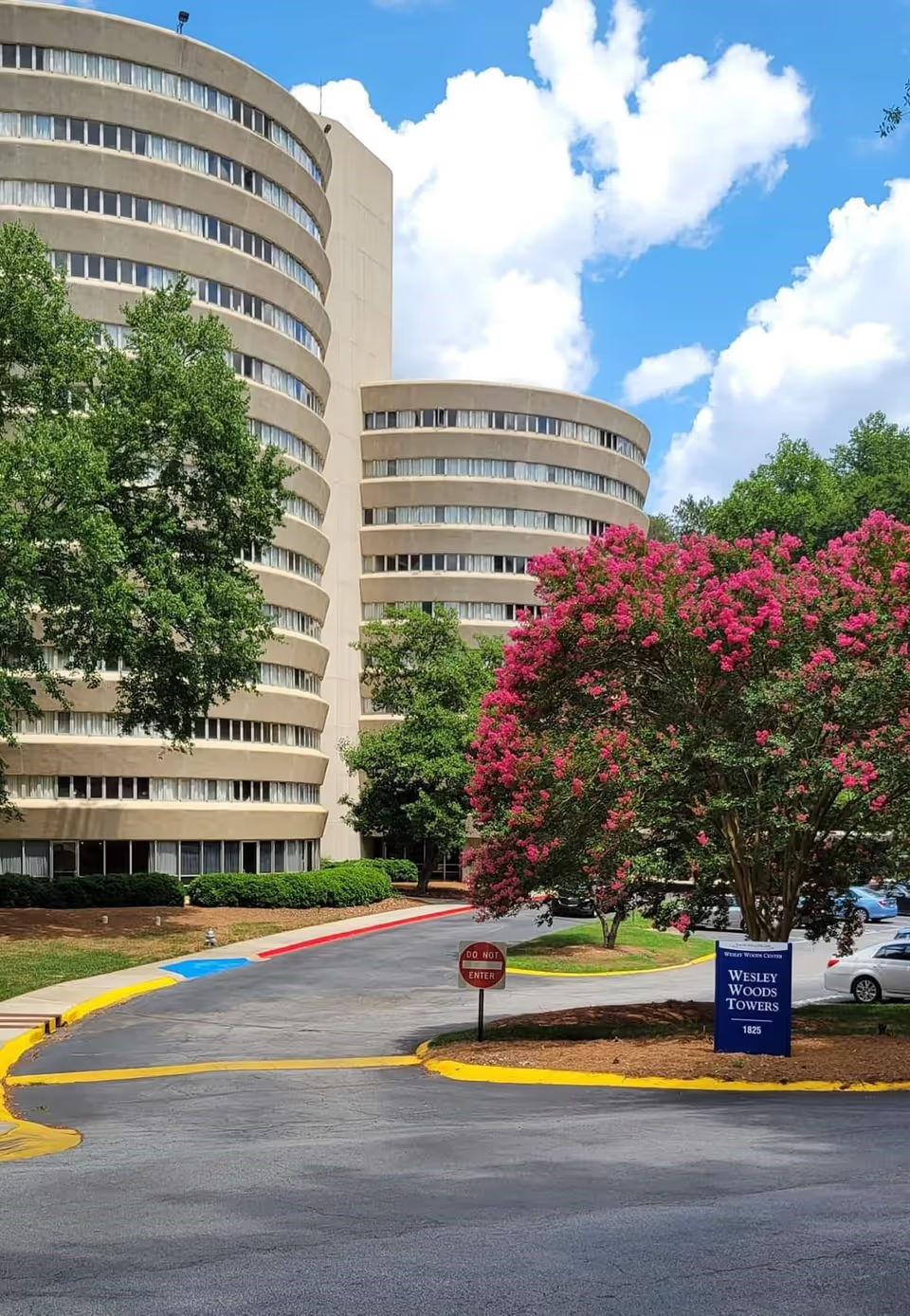
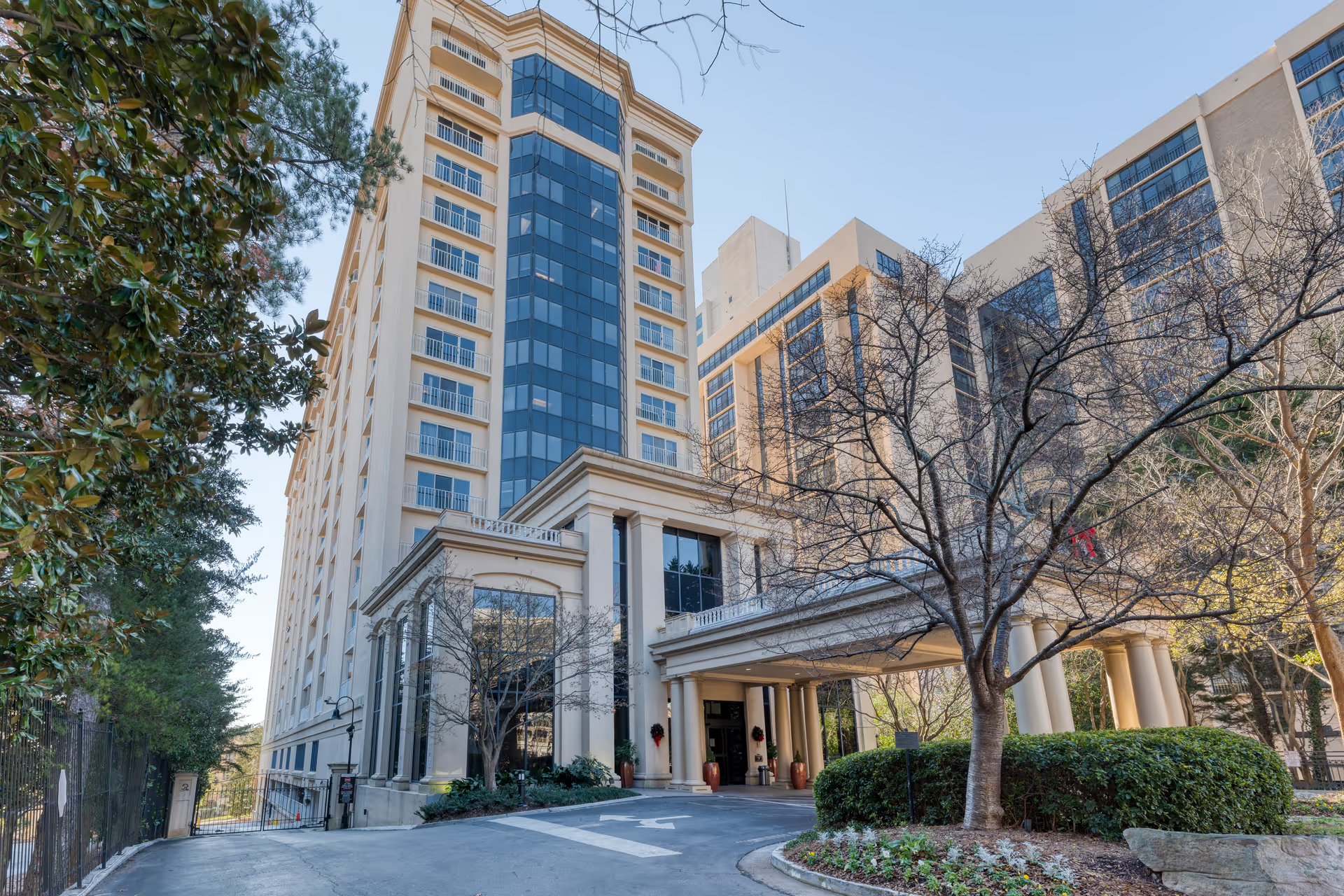
Facilities and environment: The building and public spaces receive a great deal of positive feedback — reviewers commonly note a clean, secure entry, pleasant lobby, and well-maintained common areas. That said, multiple accounts call out older or cramped resident rooms, limited storage/bed placement issues, and localized sanitation or odor concerns. There are also references to pest-control problems and housekeeping inconsistencies in certain areas, indicating variation in environmental standards across the campus.
Management, communication, and transitions: Feedback indicates variability in administrative responsiveness. Some families commend hands-on leadership, timely callbacks, and improved coordination under newer management. Others describe weak family communication, unreturned calls, premature or poorly planned discharges, and social-work coordination gaps. These patterns suggest that outcomes and satisfaction depend heavily on which team members are on duty and the stability of leadership over time.
Notable patterns and considerations for families: The overall picture is mixed: the facility demonstrates clear strengths in rehabilitation, therapy, and the dedication of many frontline staff, along with a generally welcoming physical environment. Offsetting those strengths are systemic issues tied to staffing consistency, clinical oversight, medication and discharge processes, and environmental sanitation in some units. Prospective residents and families should assess care continuity for the specific unit and shift patterns, confirm medication and infection-control practices, and verify social-work/discharge-planning procedures. If possible, arrange a tour that includes the intended unit, ask for examples of recent leadership changes and staffing ratios, and request written plans for clinical oversight, infection control, and property/personal-item security.