Reviews of Reliable Health & Rehab at Lakewood present a mixed picture with clear strengths in rehabilitative services and notable operational weaknesses that families should evaluate in person. The facility is described as a Medicare‑approved rehabilitation and nursing center with an active therapy program; several families praised rehabilitation technicians and the structured therapy environment. The site also offers an established social program, including spiritual groups and organized activities, and many reviewers noted the presence of an assigned primary‑care relationship and on‑site physician visits that support continuity of clinical oversight.
Care quality observations vary. Positive comments highlight compassionate aides and nurses, continuous mentoring of certified nurse aides, and instances of attentive follow-up communication from staff. At the same time, a recurring pattern relates to delayed responses to resident needs, inconsistent night‑shift responsiveness, and concerns about wound management and infection‑prevention practices. These operational gaps are associated with family members describing delays in care, unresolved clinical issues, and, in a few cases, concerns following end‑of‑life care. Prospective families should ask specific questions about nursing ratios, call‑response times, wound‑care protocols, and how clinicians escalate concerns outside regular hours.
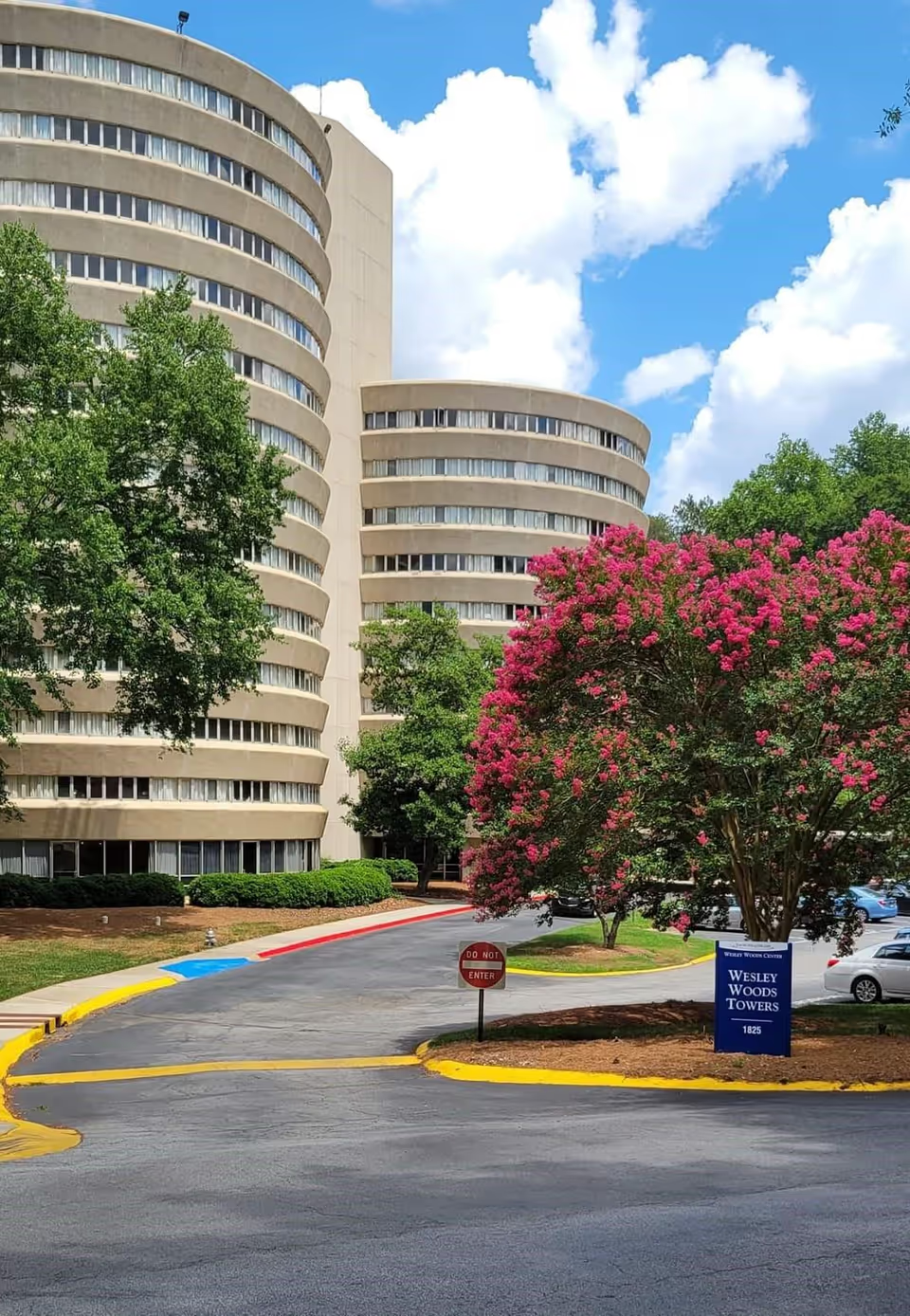
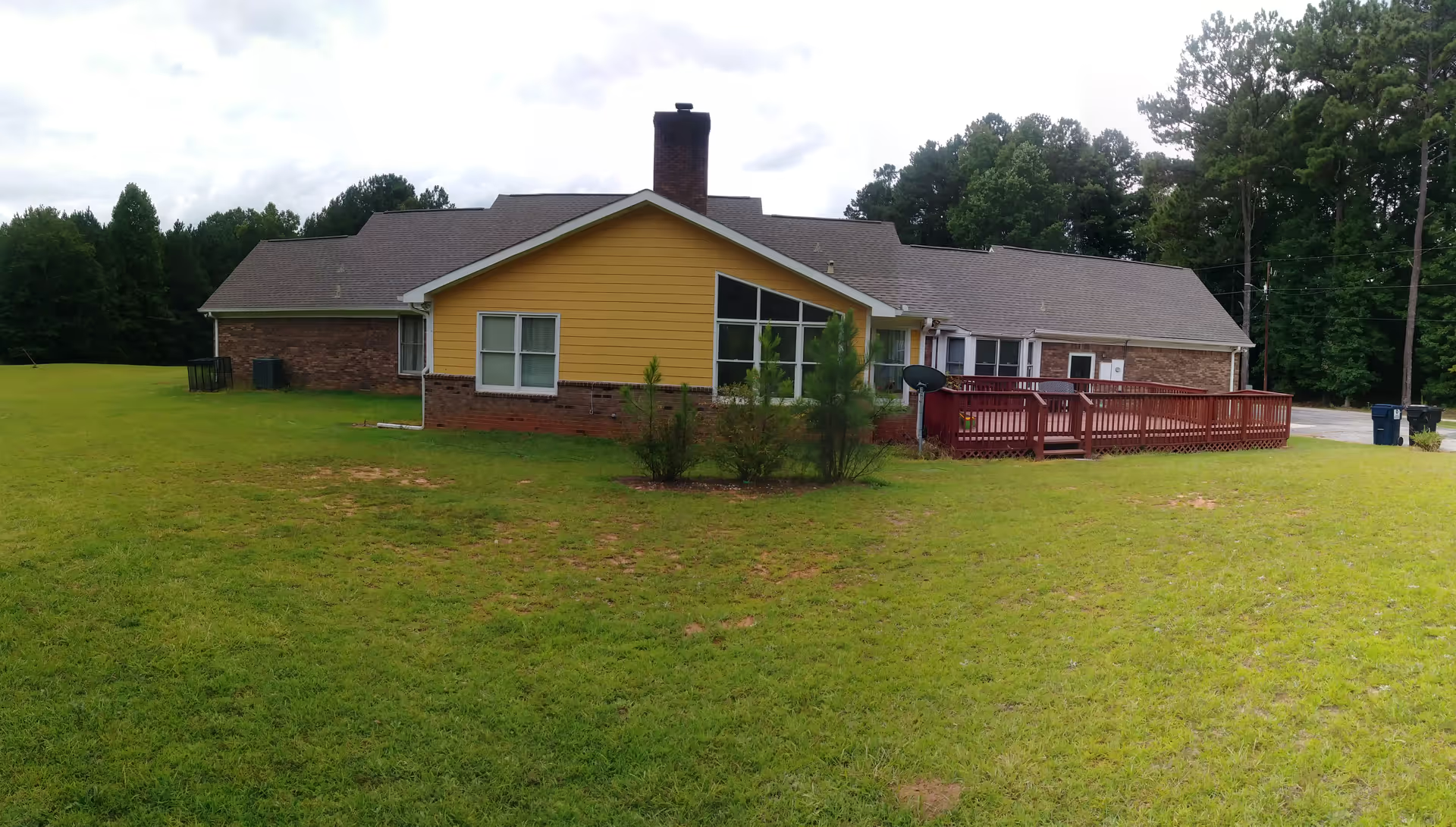
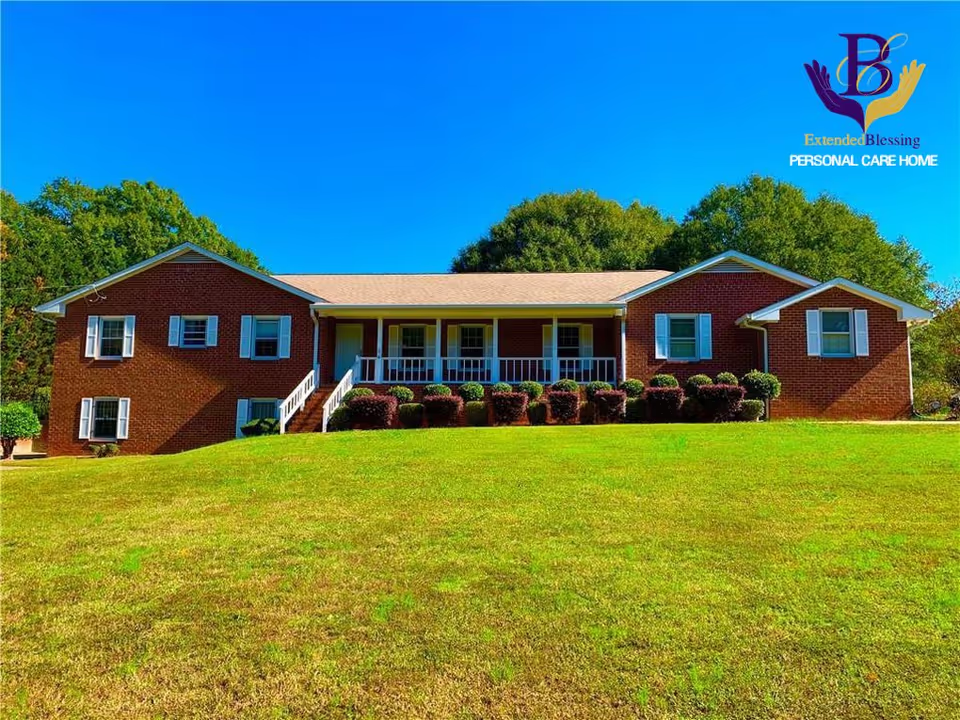
Facility condition and operations are another area of divergence. Several reviewers expressed sanitation and odor concerns in resident areas, along with pest‑control issues and visible maintenance problems consistent with an aging physical plant. Comments referenced infrastructure deficiencies such as ceiling and electrical concerns and small room sizes, suggesting the building would benefit from renovation or focused capital improvements. Conversely, some families felt the environment was comfortable and secure; security and campus access were identified as positives in some accounts.
Management and communication show both strengths and weaknesses. Admissions and care‑coordination staff received specific praise for helpfulness and supportive onboarding, and individual staff members were frequently singled out for compassionate care. However, reviewers also described inconsistent professionalism, interpersonal conflict among staff, and problems with front‑desk telephone responsiveness and family communication. Several families indicated difficulty reaching staff by phone or obtaining timely updates from social-work or management teams.
Dining received relatively few specific comments, and reviewers did not establish a clear pattern of consistent praise or criticism for meals. Activities and social programming were more commonly cited as positive features, with opportunities for socialization and spiritual engagement noted.
Overall, this facility appears to offer a capable rehabilitation program and several committed staff members, but it also shows operational risks tied to staffing consistency, infection‑prevention and wound‑care practices, cleanliness/maintenance, and family communication. A recommended next step for families considering this facility is an in‑person visit during multiple shifts (including nights), review of staffing ratios and clinical protocols, inspection of resident rooms and common areas for maintenance and sanitation, and direct questions of admissions about pest‑control and planned capital improvements. Observing call‑bell response times and speaking with the admissions or care‑coordination team about escalation pathways will help clarify whether the facility’s strengths align with a prospective resident’s needs.