Presbyterian Village presents a mixed but clear pattern: the community offers substantial clinical and amenity strengths alongside notable operational inconsistencies. Many families praise high-quality skilled nursing, rehabilitation programs, and ready access to physicians and therapists; reviewers frequently highlight positive clinical outcomes after rehab, attentive physical and occupational therapy, and involvement by nutrition and medical staff. At the same time, accounts indicate variability in clinical and day-to-day care quality across different units and time periods, leading to markedly different resident experiences.
Staff and caregiving are often described as a key strength. Numerous comments emphasize compassionate, knowledgeable nurses and aides who know residents by name, engage with families, and provide individualized attention. The campus employs a range of clinical resources—skilled nursing, memory care, on‑site physician coverage, nutritionists, and therapy services—which supports residents who need a higher level of care or rehabilitation. However, reviewers also describe uneven staffing levels and training gaps that correlate with delayed assistance for personal care tasks in some cases. These operational inconsistencies have been particularly salient during infection-control events, when staffing pressures and policy changes affected routine services.
Dining and hospitality services are similarly mixed. The community provides multiple dining formats, meal-delivery options, pick‑your‑meal selections, and occasional off-campus meal opportunities; many residents and families praise the food and treat‑cart offerings. Conversely, a number of reviewers noted dry or unappealing meal presentations and variability in dietary accommodation. Housekeeping, landscaping, and campus maintenance receive consistent positive remarks: grounds, walking paths, lakeside features, and outdoor amenities are frequently cited as attractive elements that support an active lifestyle.
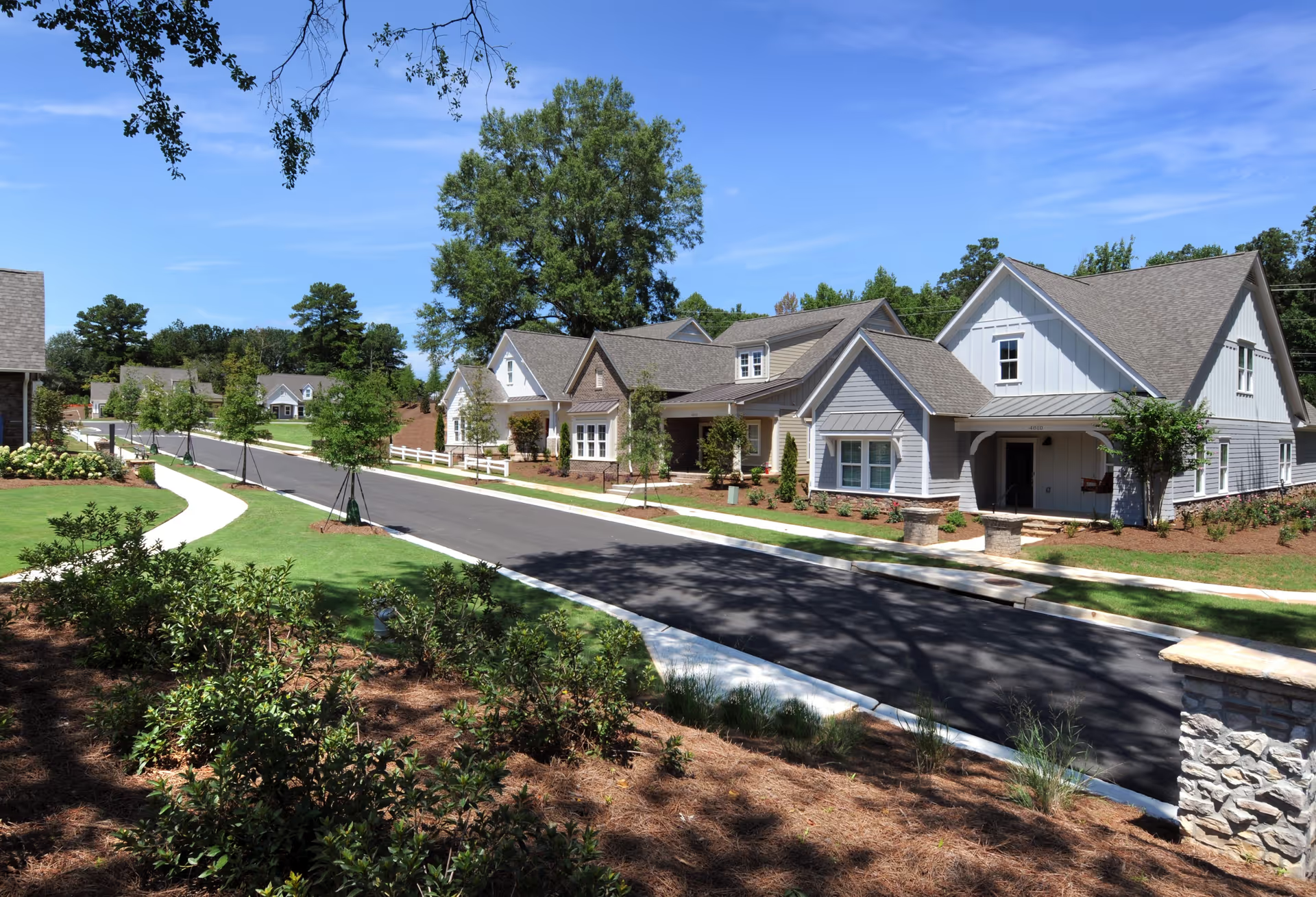
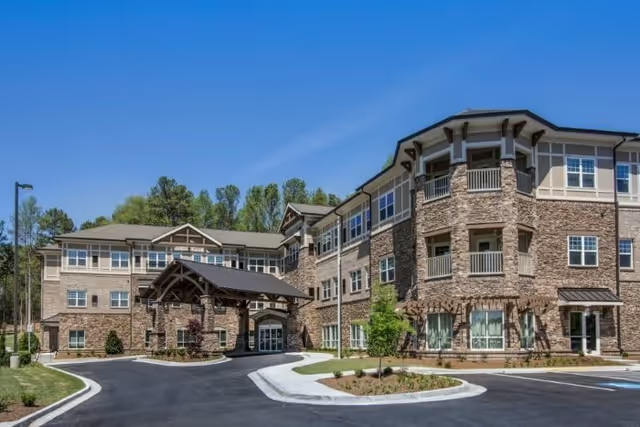
Activities and facilities are strong points. The large, landscaped campus includes walking paths, a lake and gazebo, indoor and outdoor pools, water-exercise programming with small-group staffing, pickleball courts, and a well‑stocked wellness center. Regularly scheduled social, spiritual, and recreational activities are a recurrent theme; many residents describe a warm community atmosphere and vibrant social calendar. Housing options range from cottages and ranch‑style homes to accessible apartments with private baths and roll‑in showers, supporting a continuum of independent and higher-acuity living.
Management and admissions-related issues emerge as a recurrent concern. Several families reported difficulty obtaining clear, timely communication from leadership and admissions, including experiences they described as curt or opaque during inquiries and tours. Tour transparency and admission-process consistency are areas of concern for prospective residents—examples include very brief tours or limited room access during certain periods. Pandemic-era policies amplified tensions: rigid visitation restrictions, limits on outdoor activity and social contact, and mask-use impacts on communication (for residents who rely on lip reading) were cited as factors that reduced meaningful interaction for some individuals.
Notable patterns across reviews point to polarization in resident experience: many long‑term residents and families report exemplary care, strong relationships with staff, and enjoyment of campus life, while other accounts describe sanitation and personal‑care lapses, weight loss, and insufficient grooming assistance that prompted relocations. Cost is another consistent theme—services and private housing options are frequently described as expensive and may be unaffordable for some families. Prospective residents and families should balance the facility’s clear clinical and amenity strengths against reports of operational variability. Visiting in person (when possible), asking for unit-specific staffing and sanitation protocols, clarifying visitation and infection-control policies, and requesting recent tour access to typical resident rooms can help evaluate whether the community’s practices align with a particular resident’s needs and expectations.