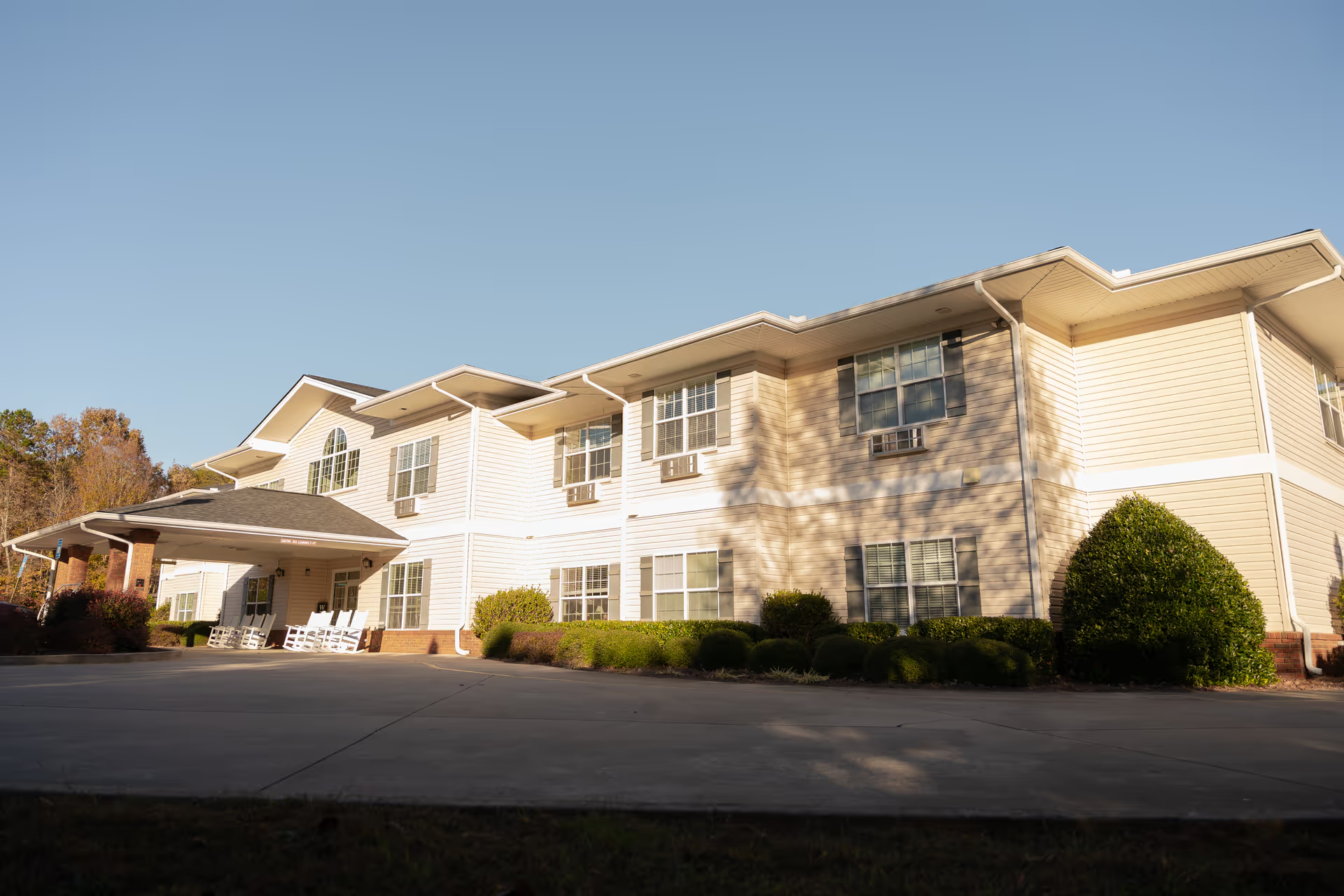
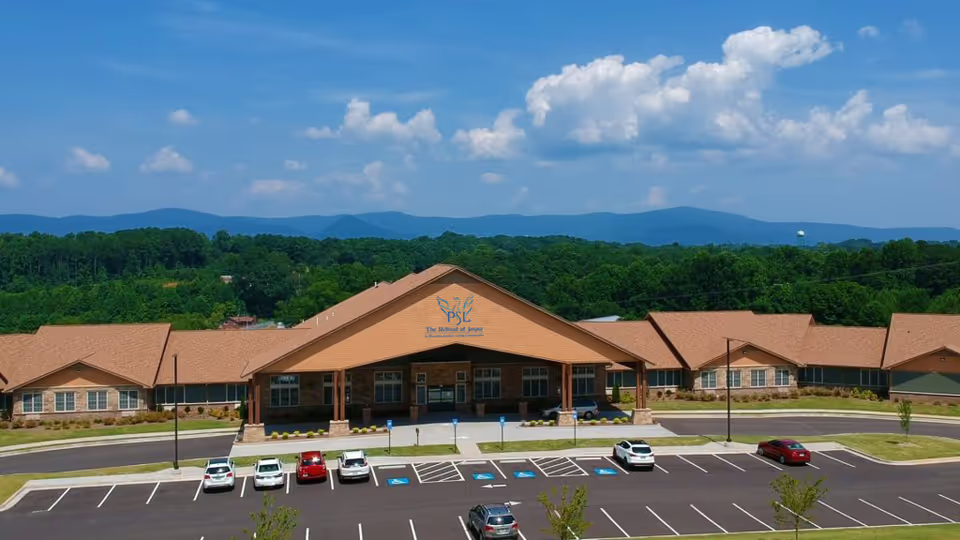
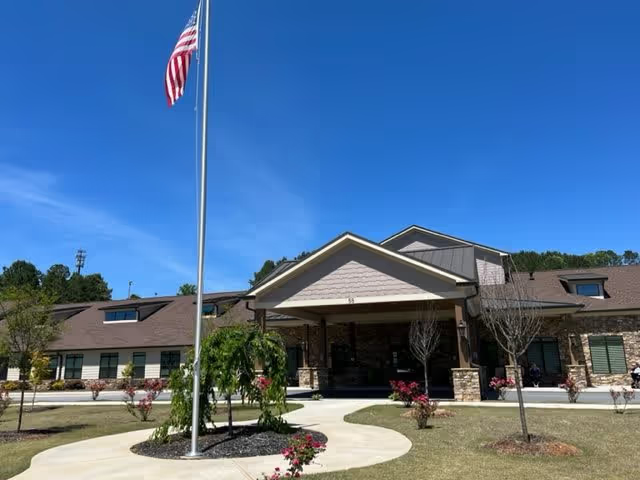
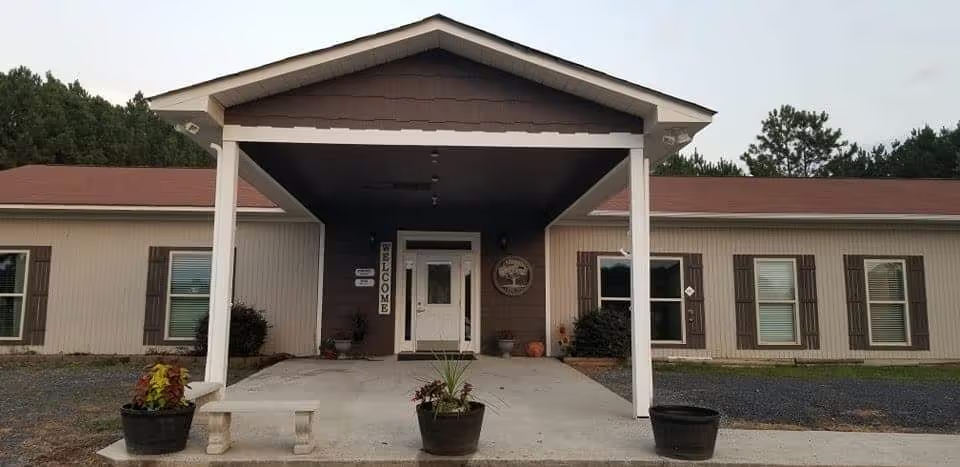
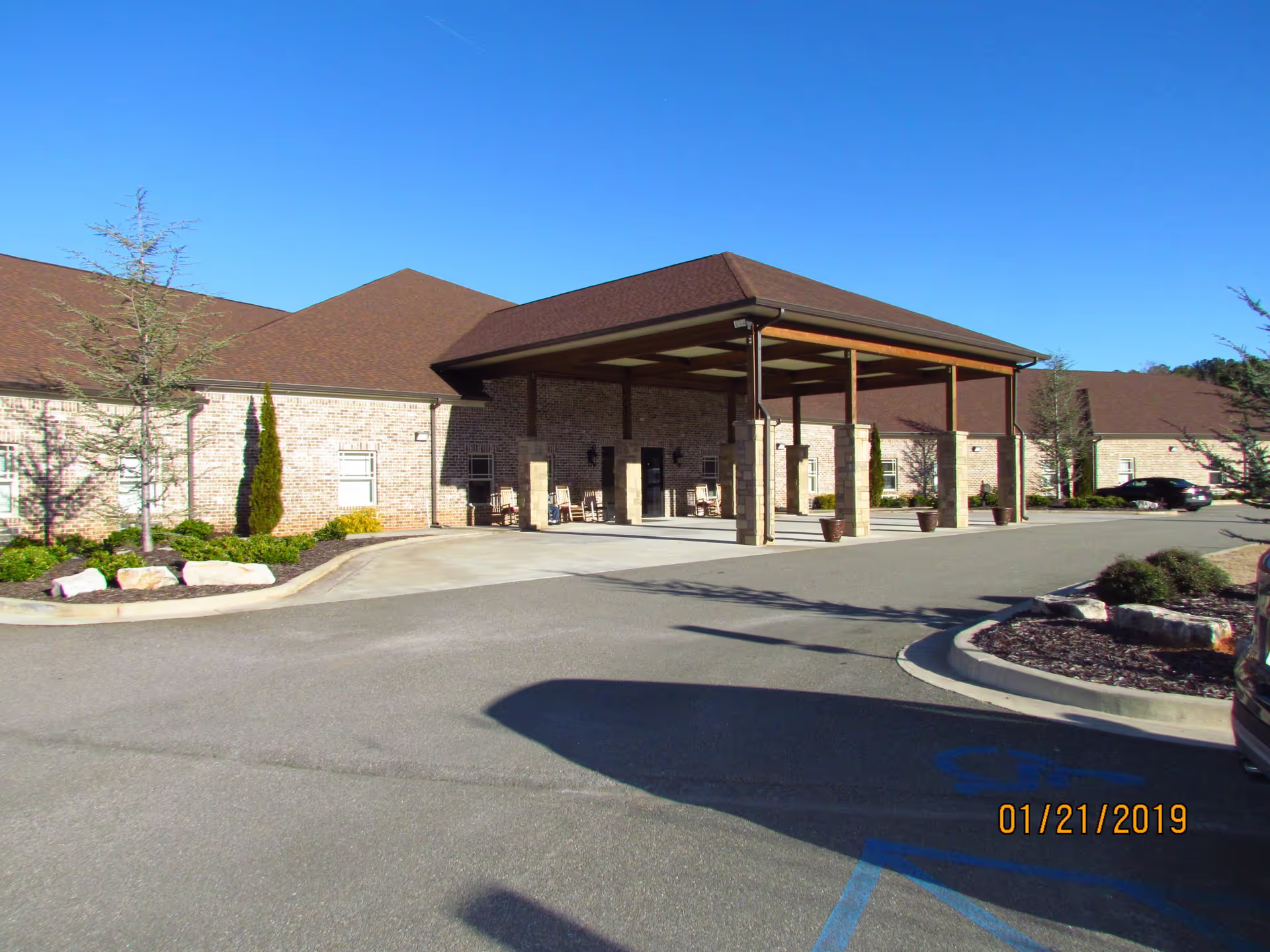
This facility elicits a strongly mixed picture of care: many families describe compassionate, engaged staff and successful short-term rehabilitation stays, while other accounts identify operational weaknesses that have measurable impact on resident experience. Strengths most consistently noted include a welcoming, clean physical environment; an active activities program; staff who demonstrate warmth and personal attention; and administrative staff who can make admissions and financial arrangements relatively straightforward. Several families also praised hospice coordination and the facility’s responsiveness during community needs.
Clinical and rehabilitative care receive both praise and criticism. Positive reports highlight knowledgeable therapists and good rehab outcomes for residents returning home. Conversely, there are repeated concerns about inconsistency in delivering prescribed rehab services — examples include therapy sessions ending earlier than planned and uncertainty over assignment of a dedicated rehab nurse. These patterns suggest variability in therapy scheduling and clinical follow-through rather than a uniformly applied rehab protocol.
Staffing and responsiveness are central themes. Multiple accounts describe attentive, compassionate caregivers and staff who provide dignity-preserving care; however, other reports point to understaffing, high turnover, and low morale that appear to produce delayed responses to calls for assistance, slow completion of personal-care tasks, and occasional communication tone issues during overnight shifts. There are also specific concerns about delays in medication or pain-management administration and about timeliness of transfers or bed assignments; one account linked transfer delays to a decline in a resident’s condition, creating a notable end-of-life care concern for family members.
Dining and amenities are generally acceptable but inconsistent. Many reviewers found meals that met dietary needs and were enjoyable, yet some commented that specific offerings (notably breakfast) were subpar. The building is often described as clean and well-maintained with pleasant common spaces, though isolated maintenance issues (for example, in-room equipment or television problems) were mentioned.
Management impressions are similarly mixed. Several reviewers commended visible, involved leaders and specific staff members for professionalism and advocacy; other reviewers felt care quality declined after management changes and described an attitude that staff are easily replaceable. These contrasting impressions suggest variability across units and shifts, and a leadership style that is experienced differently by different families and staff.
Notable patterns for prospective residents and families: experiences at this facility appear polarized — many report excellent, family-like care and successful rehab outcomes, while others report operational gaps that affected day-to-day comfort and clinical continuity. Key operational risks to explore during a tour or pre-admission conversation include current staffing ratios and turnover, assignment of a dedicated rehab nurse, expected therapy minutes and scheduling consistency, medication and pain-management protocols, call-response times for personal care, and bed-assignment/transfer procedures. Asking for recent staffing data and speaking with both nursing leadership and front-line caregivers can help clarify whether the facility’s current performance aligns with your expectations.