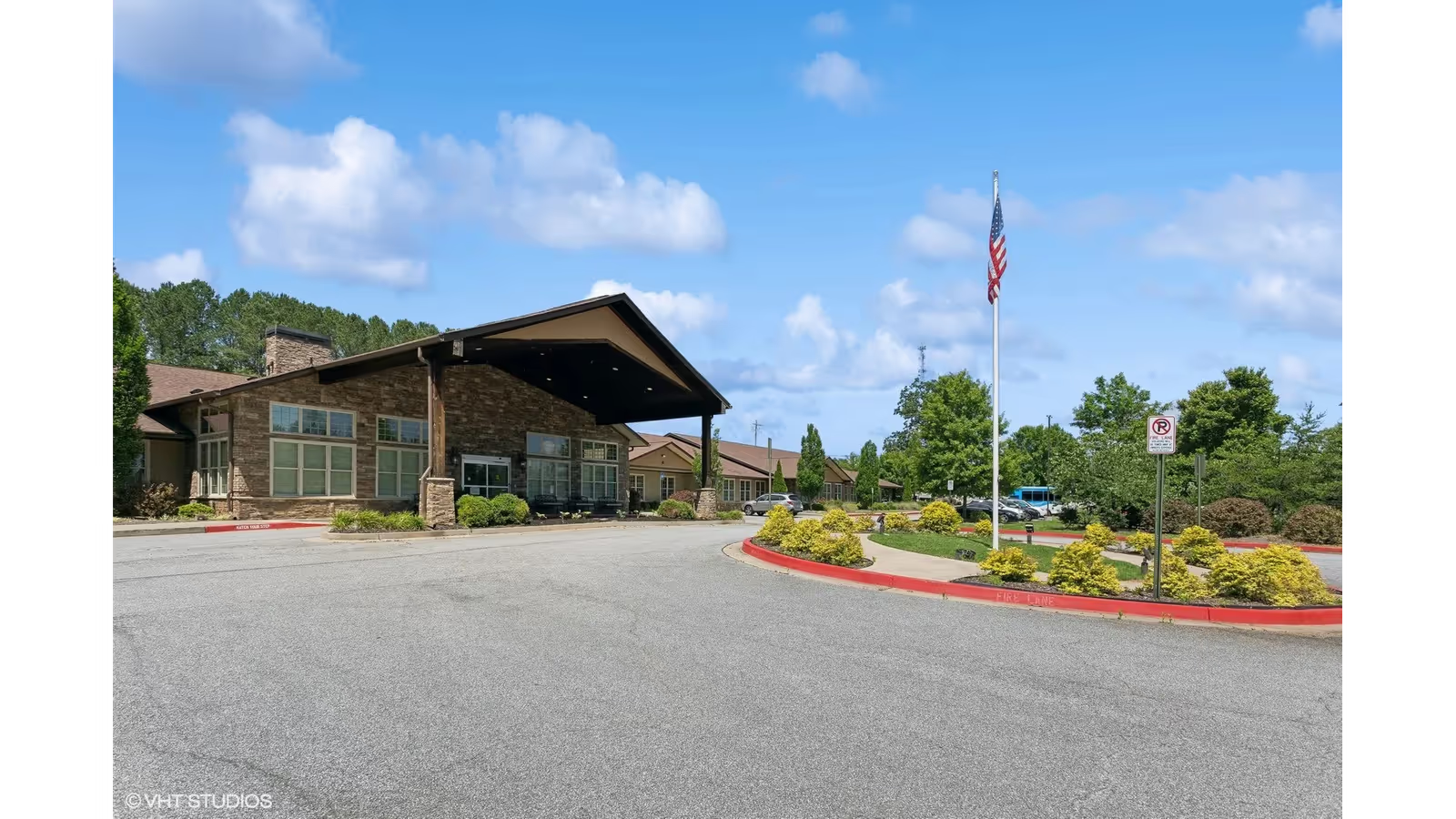
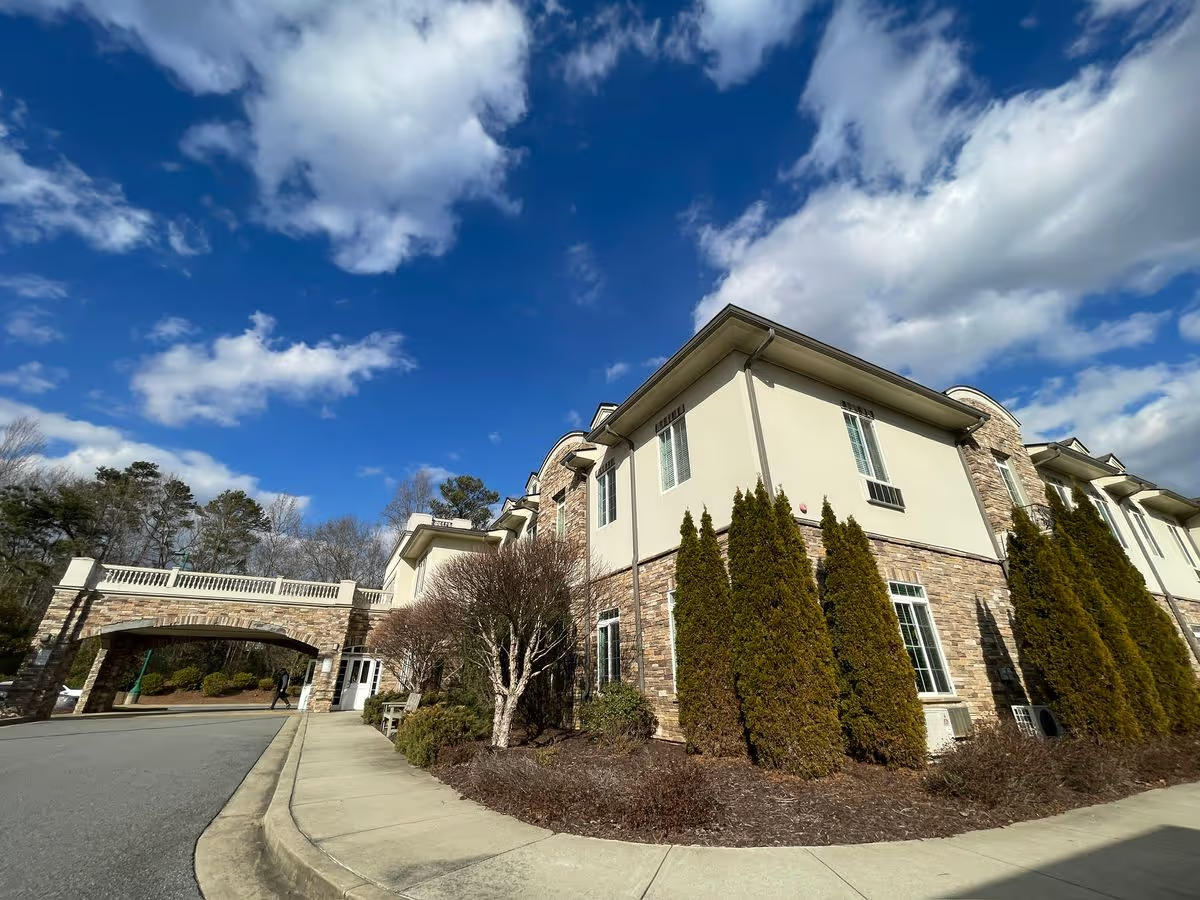
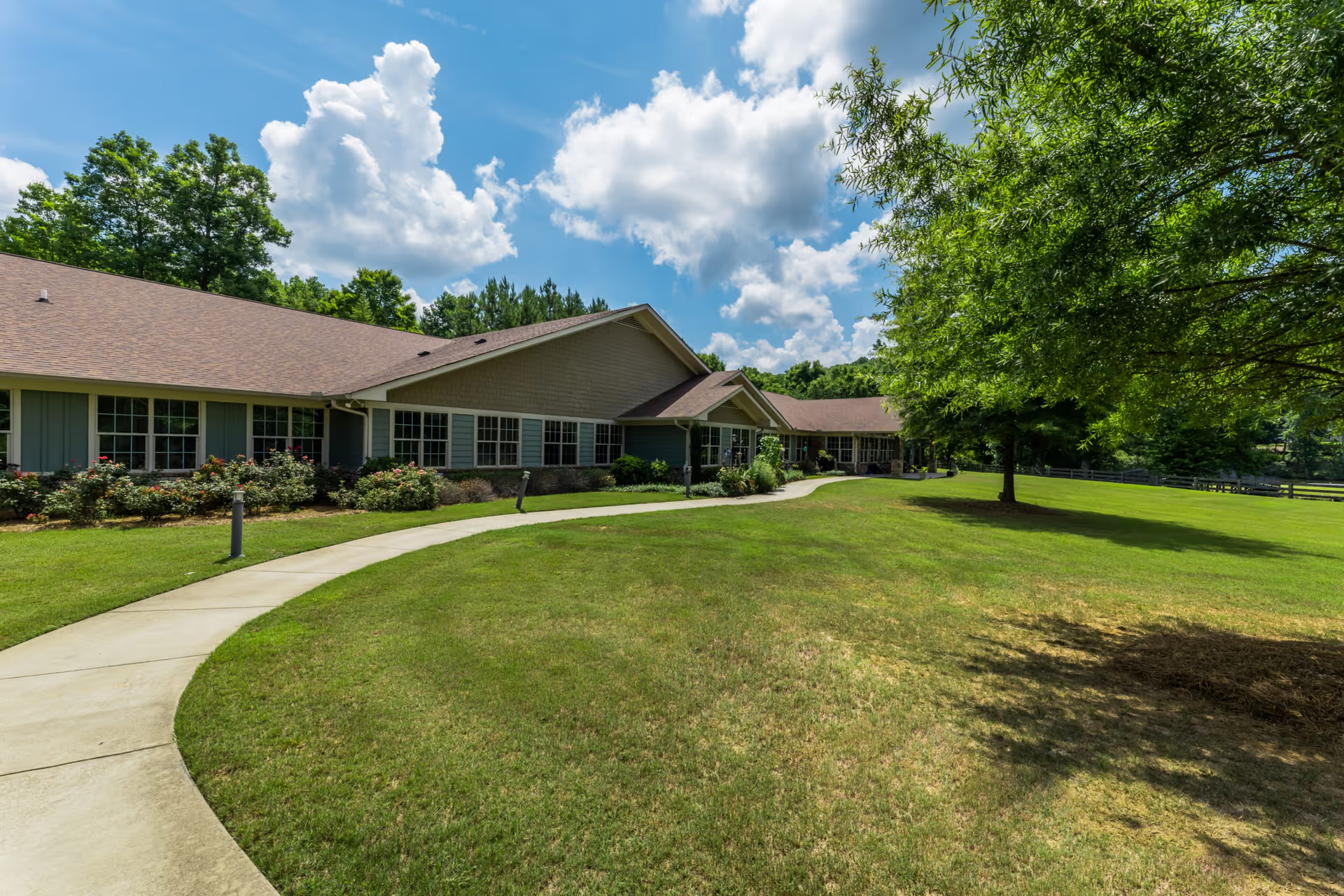
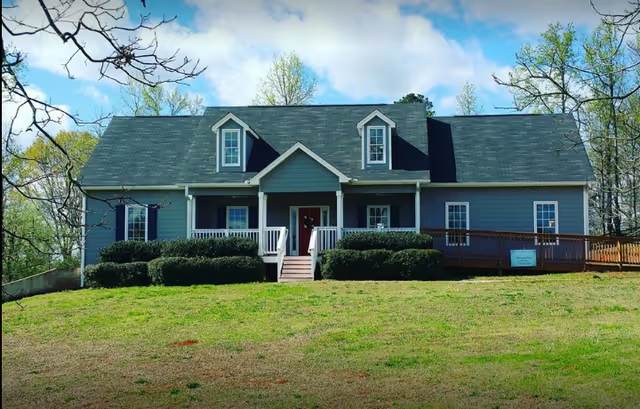
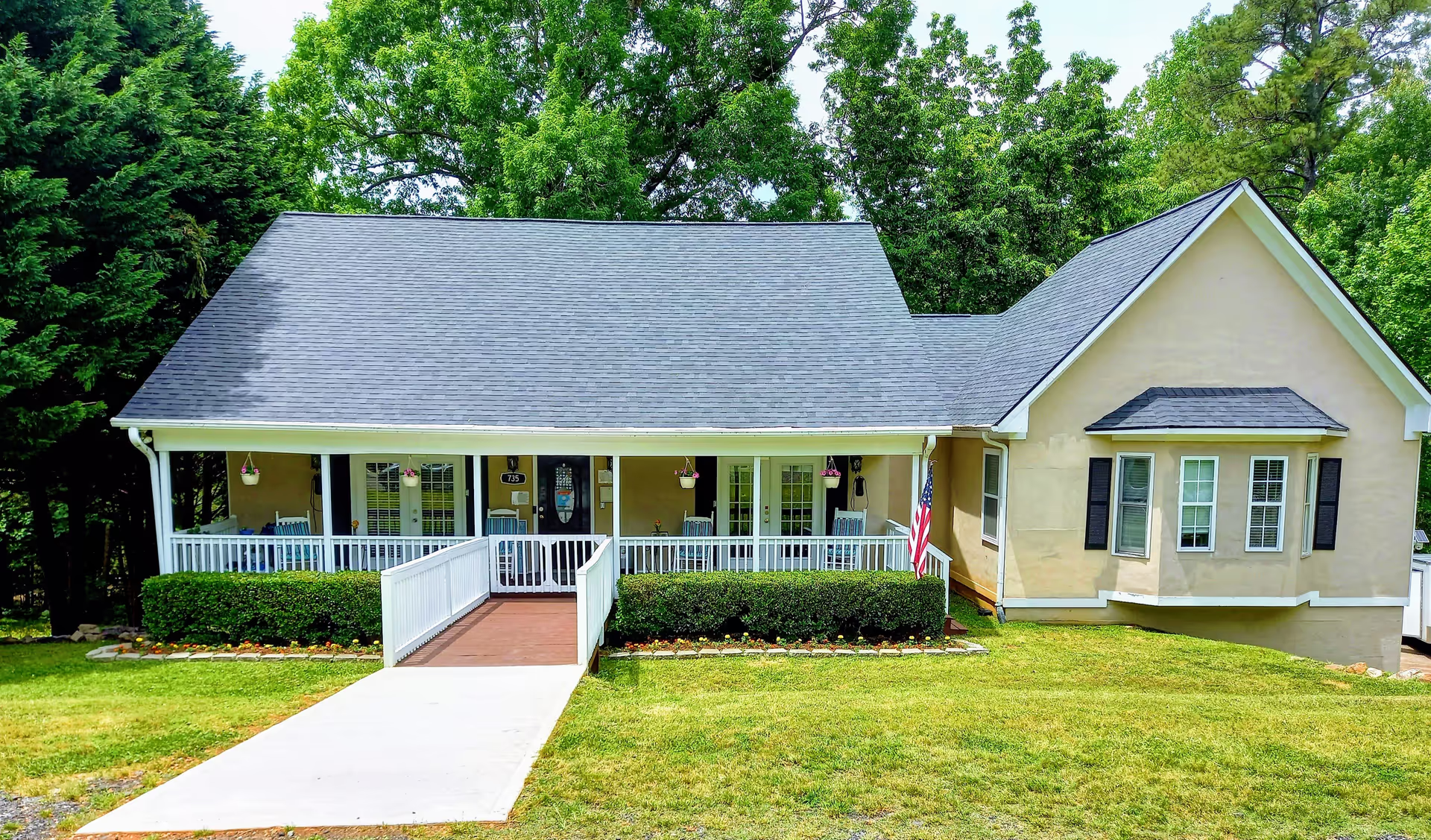
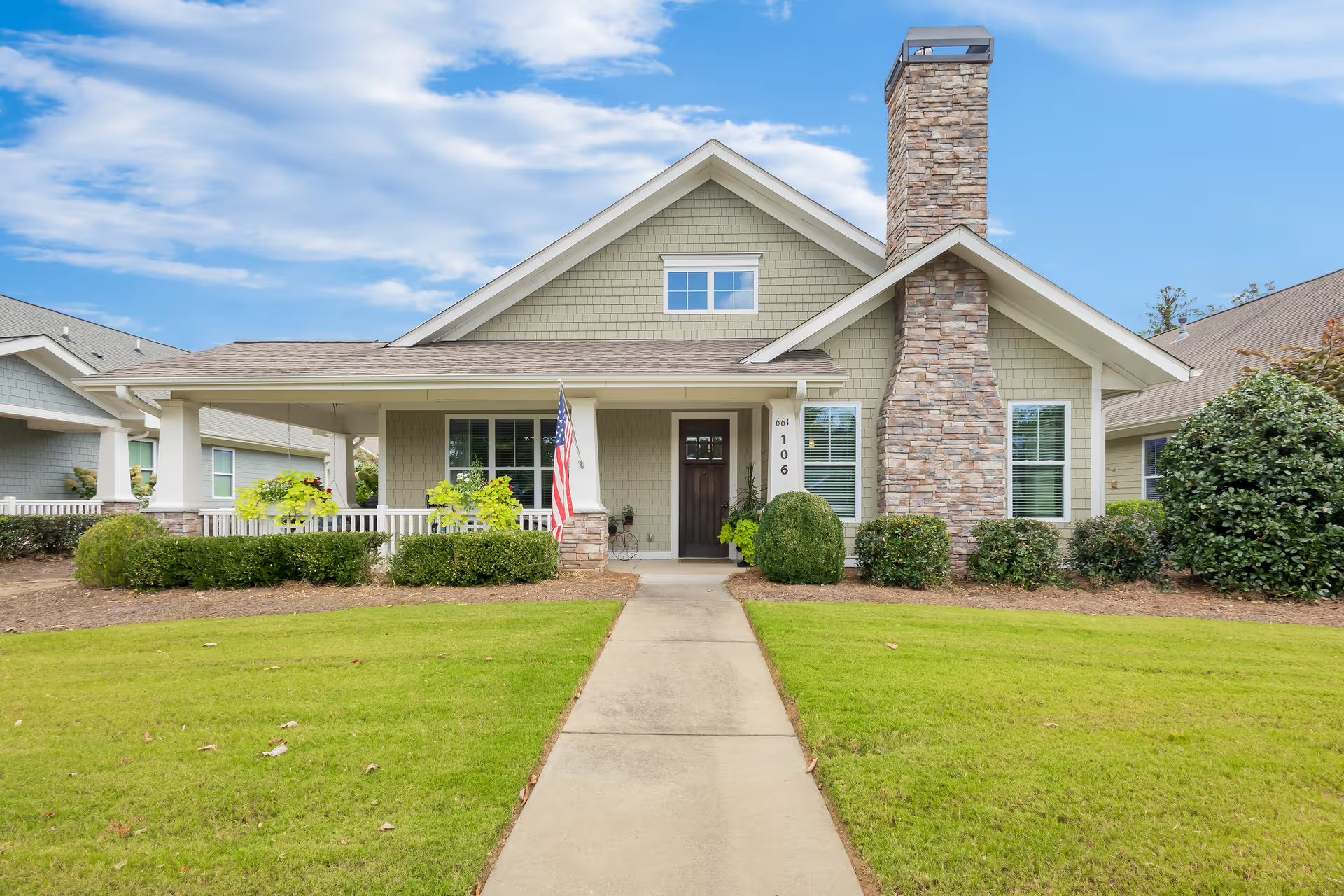
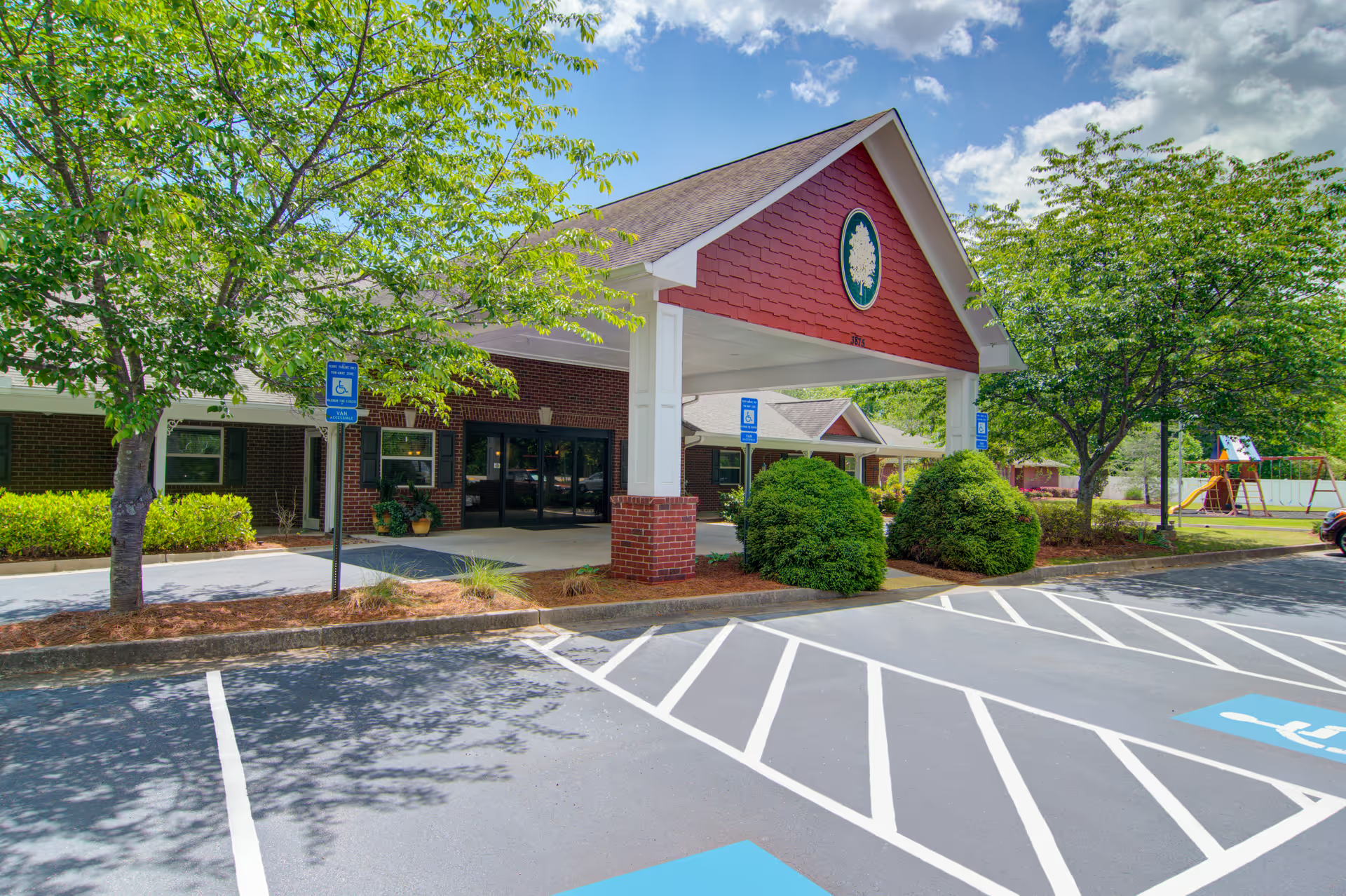
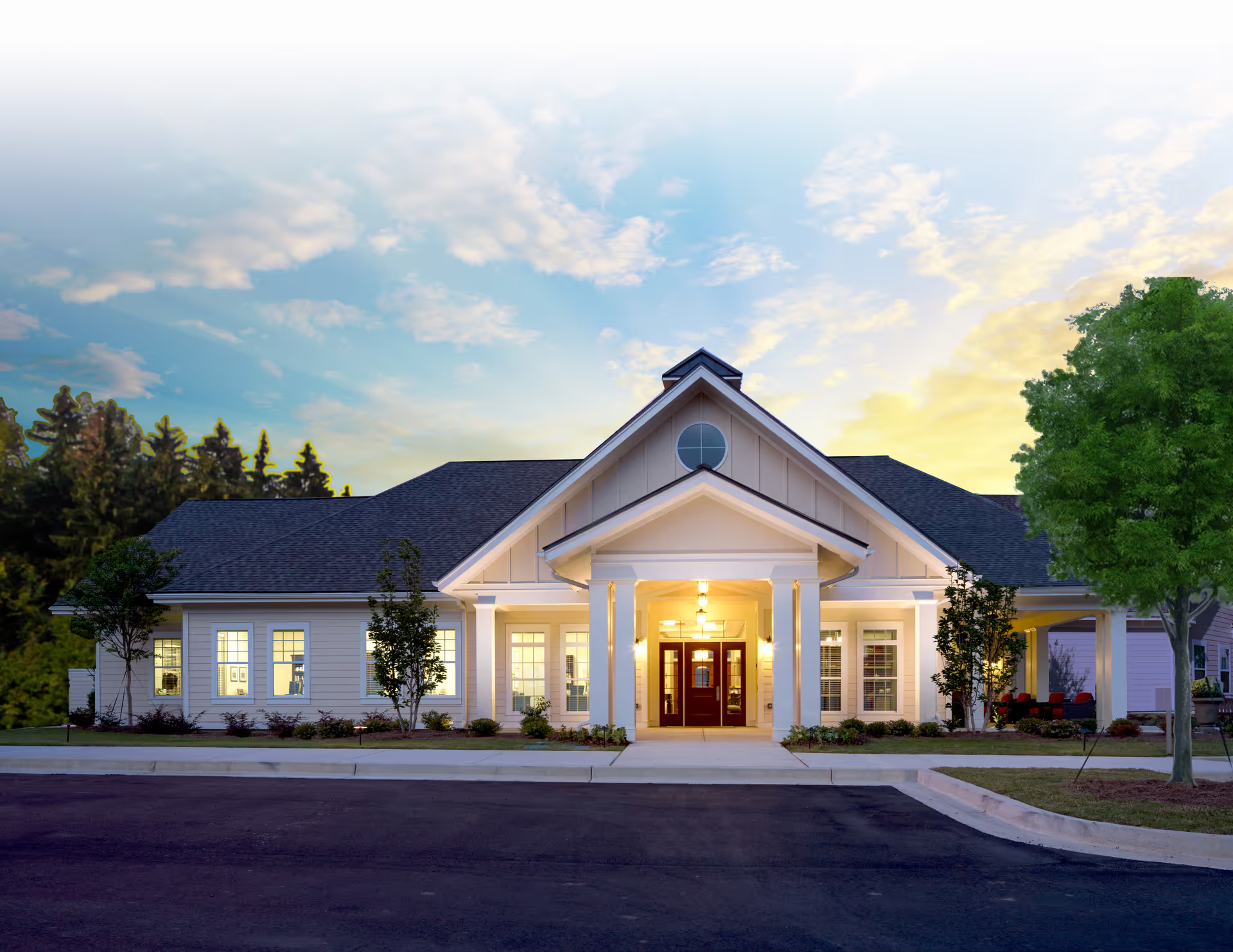
The Phoenix at Union Hill is repeatedly described as a new, attractive community with a lodge-like aesthetic, bright common spaces and scenic outdoor areas. Apartments are generally characterized as spacious and updated, with full-size stainless appliances, in-unit washers and dryers, and weekly housekeeping. The dining program is positioned as restaurant-style with waiter service and multiple dining rooms; many residents and families praise the food and the kitchen’s responsiveness to input, though there are recurring notes about menu limitations and substitutions.
Frontline staff receive consistently positive remarks for being personable, caring and responsive. Reviewers highlight attentive servers, helpful front-desk personnel, and activity/entertainment staff who run a busy calendar of programming (arts and crafts, gardening, outings, movie nights, daily social hours, bingo and other games). The community is often described as social and tight-knit, with family-friendly spaces and a convenient location near medical facilities. The campus also offers transitional care and rehabilitation services, a gym, and plans for additional amenities such as a pool and outdoor courts.
Despite these strengths, multiple operational patterns raise concerns. Leadership turnover and management instability recur across reviews, and staffing levels and scheduling consistency are frequently called into question. Those operational issues appear to affect clinical coordination and daily care processes: reviewers cite delays in therapy initiation, medication-management and billing problems, and inconsistent follow-through on clinical plans. There are also reports that raise questions about placement decisions and the community’s capacity for residents with higher-dependency memory-care needs; families should assess clinical-match and placement protocols closely.
Dining and billing warrant careful review prior to move-in. While many families praise the food, others describe inconsistent meal quality, frequent substitutions, limited menu items, and extra charges that were not always clearly explained. Maintenance and campus readiness are another theme: the building is largely new but several amenities and construction projects are incomplete or caused disruptions. Safety-related operational gaps are described in connection with supervision, fall prevention, and the need for supplemental sitters in some cases.
Communication patterns are mixed. Numerous accounts commend staff for warm, individualized attention and quick responses during admissions or emergencies. Conversely, some families describe inconsistent outreach after hospitalizations or end-of-life transitions and difficulty resolving billing or tenancy disputes; a small number of reviews referenced serious grievances and tenancy decisions that families found contentious. A few reviews also mention regulatory inspection deficiencies.
For prospective residents and families, the facility’s physical environment, active social program and many compassionate staff are clear positives. At the same time, evaluate current leadership stability, staffing ratios, medication and billing controls, and the community’s experience with higher-acuity memory-care needs. Visiting during meal service, meeting clinical staff, and asking for recent inspection and staffing data will help assess whether the operational issues described have been addressed.