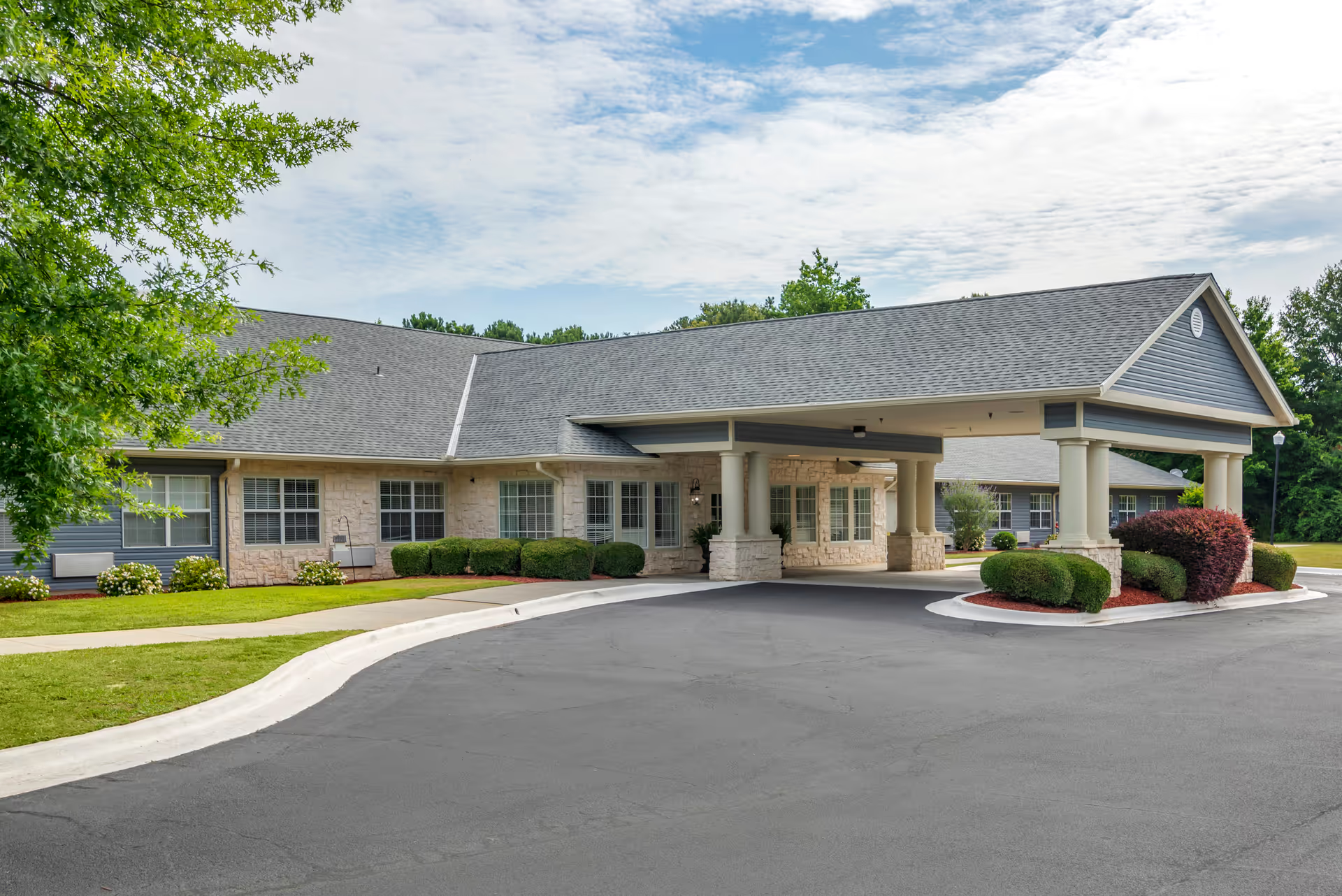
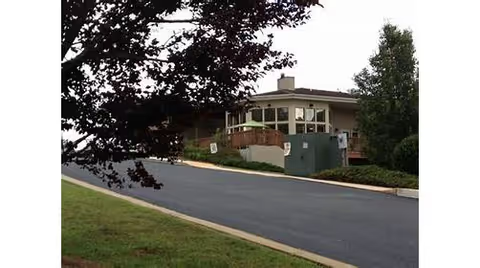
Reviews for Magnolia Manor of Columbus Specialized Memory Care Assisted Living present a mixed picture, with clear strengths alongside recurring operational concerns. Positively, many families describe friendly, caring staff who provide personalized attention and create a family-like atmosphere. The community's small, single-level layout and clean, well-kept common areas are frequently praised, and several reviewers cited an active program of daily activities led by a strong activities director. Some families also noted good value and convenience for in-person visits, and a number of accounts describe effective transition support when residents returned home.
At the same time, there are multiple, substantive concerns that prospective residents and families should investigate. Clinical-care issues include inconsistent medication-management and delays or refusals in administering prescribed medications, gaps in responsiveness from nursing staff, and instances where transfers or mobility assistance appear to have contributed to falls and injury. Reviewers described infection-control lapses that resulted in resident illnesses and hospitalizations; these reports are associated with broader worries about pest-control and sanitation practices and inconsistent room-cleaning and incontinence-care processes.
Dining and therapy-related feedback is inconsistent. Some reviewers praised daily meals and found the food acceptable, while others described carbohydrate-heavy menus and poor adherence to clinically prescribed diets (for example, diets required for dialysis). Therapy and rehabilitation services were described as infrequently provided by some families, even as others experienced helpful therapy or transition support. This suggests variability in how clinical nutrition and therapy services are delivered across residents.
Facilities and maintenance responses are uneven. The building layout and cleanliness of common spaces received positive remarks, but other comments highlight maintenance problems such as plumbing issues and areas needing repair. Pest-control concerns and evidence of inadequate housekeeping or room turnover were mentioned alongside accounts of an otherwise tidy facility—indicating inconsistency in environmental services.
Management and administrative practices are another area of divergence. Several families reported difficulty obtaining timely responses to complaints, unclear billing and pricing communication, and delays in the release of medical records; one review referenced legal involvement over access to records. These items point to gaps in family communication, grievance follow-up, and administrative transparency. Staffing patterns were also a frequent theme—reports of insufficient staff coverage, staff working primarily from desks rather than on care floors, and uneven staff training contribute to perceptions of inconsistent care.
Overall pattern: there is a clear split between families who experienced compassionate, attentive care in a small, well-kept setting and those who encountered serious operational failures affecting clinical care, sanitation, and communication. Prospective residents and their families should schedule an in-person tour, ask specific questions about staffing ratios and training, review infection-control and pest-management protocols, confirm processes for medication administration and clinical-diet adherence, request examples of therapy schedules, and obtain written explanations of billing and medical-record access procedures before making a placement decision.