Overall impression Stewart Community Home is portrayed as a mission-driven, nonprofit residential program with a long community legacy and a focus on serving homeless and disabled populations. Many comments emphasize compassionate, family-like relationships between staff and residents, a clean and homey interior, and an organizational commitment that reviewers associate with positive resident care. Recent leadership changes were noted as moving the facility in a more positive direction.
Care quality and staff Reviewers frequently praised the staff for being caring and attentive, and several comments characterized residents as well looked after. These statements point to strengths in day-to-day assistance and relational care. At the same time, there are discrete concerns about staff conduct and communication tone; some accounts describe confrontational exchanges or forceful handling of resident interactions. Those accounts suggest the need for clearer staff guidance on resident dignity, de-escalation training, and consistent communication standards.
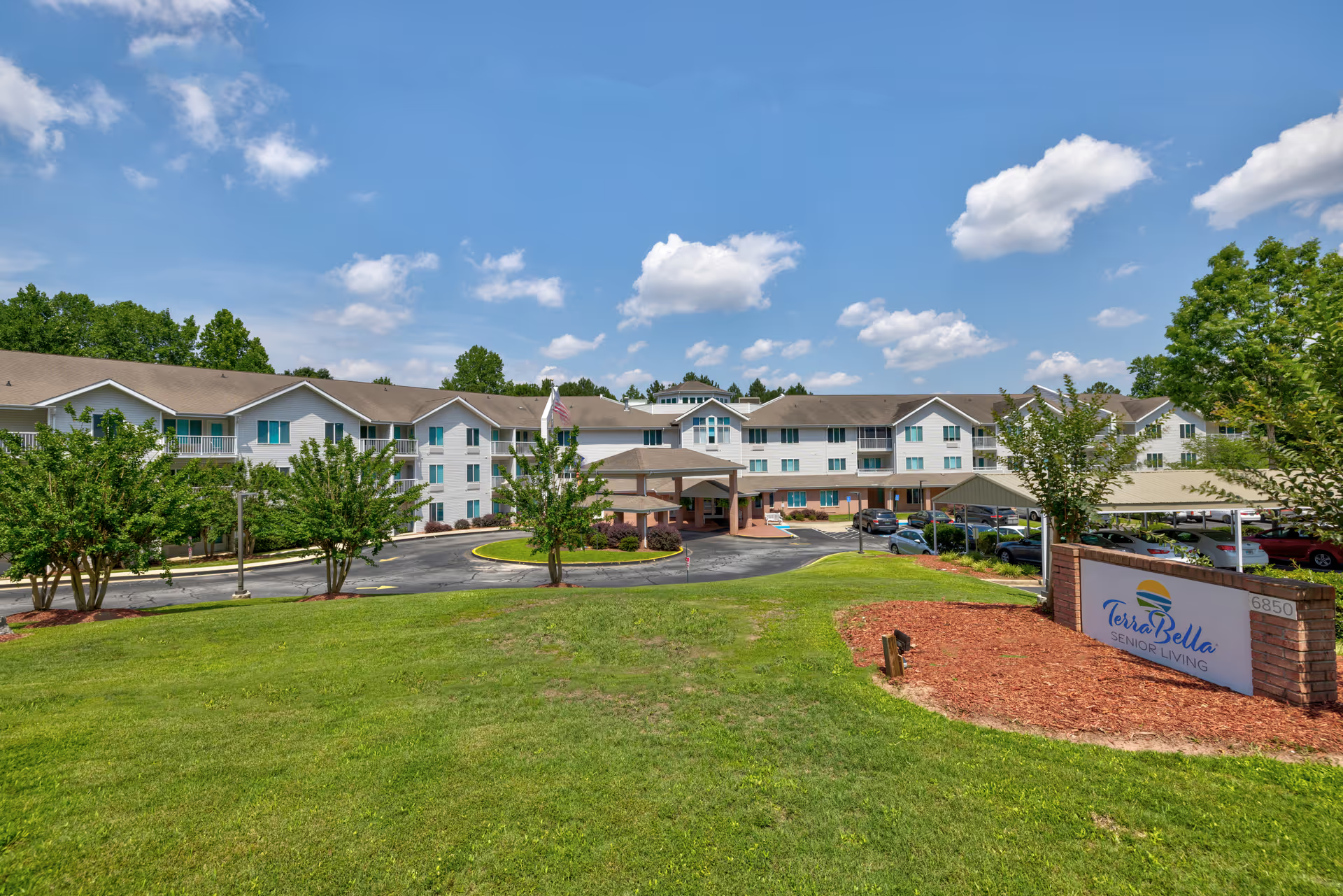
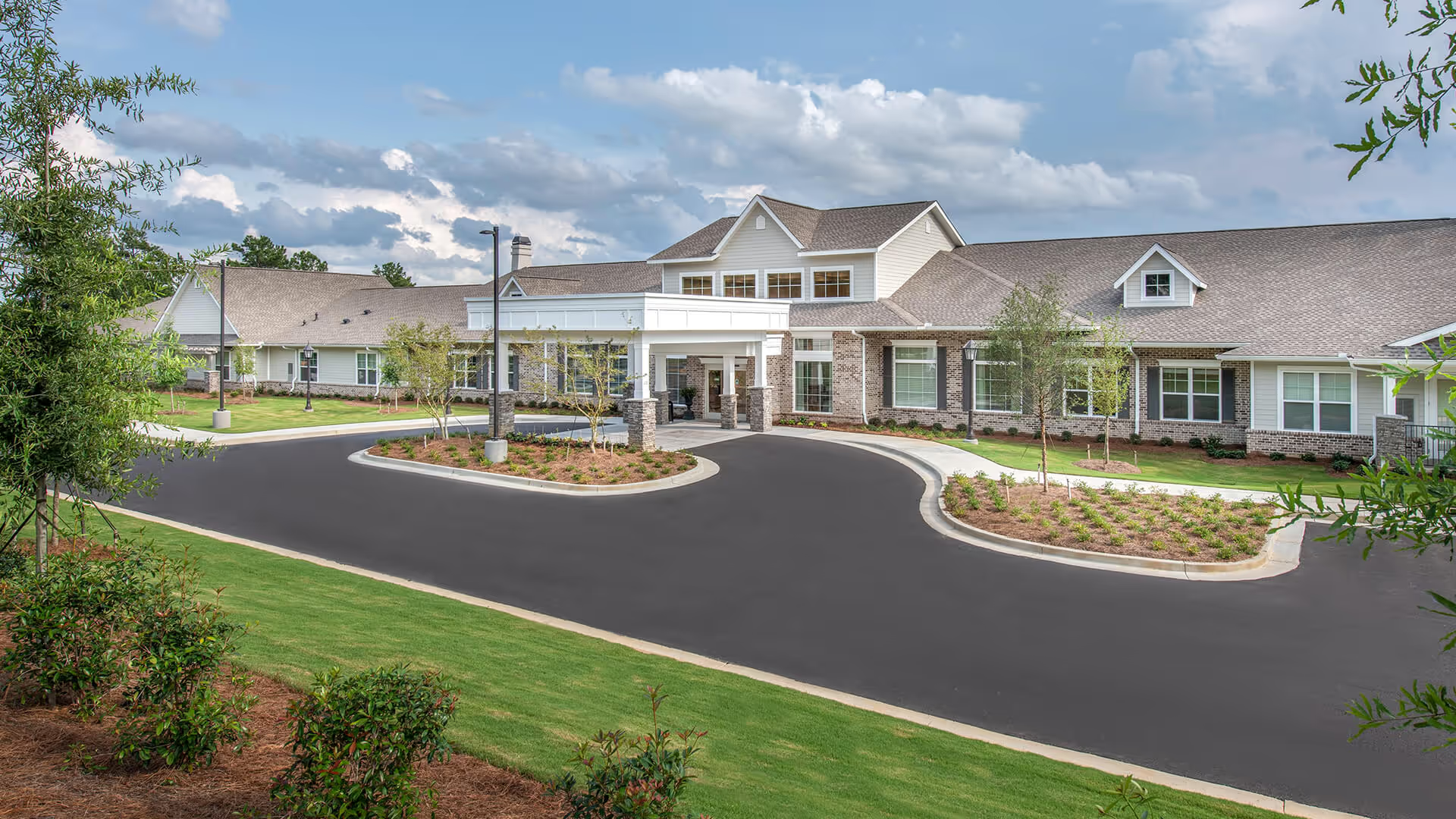
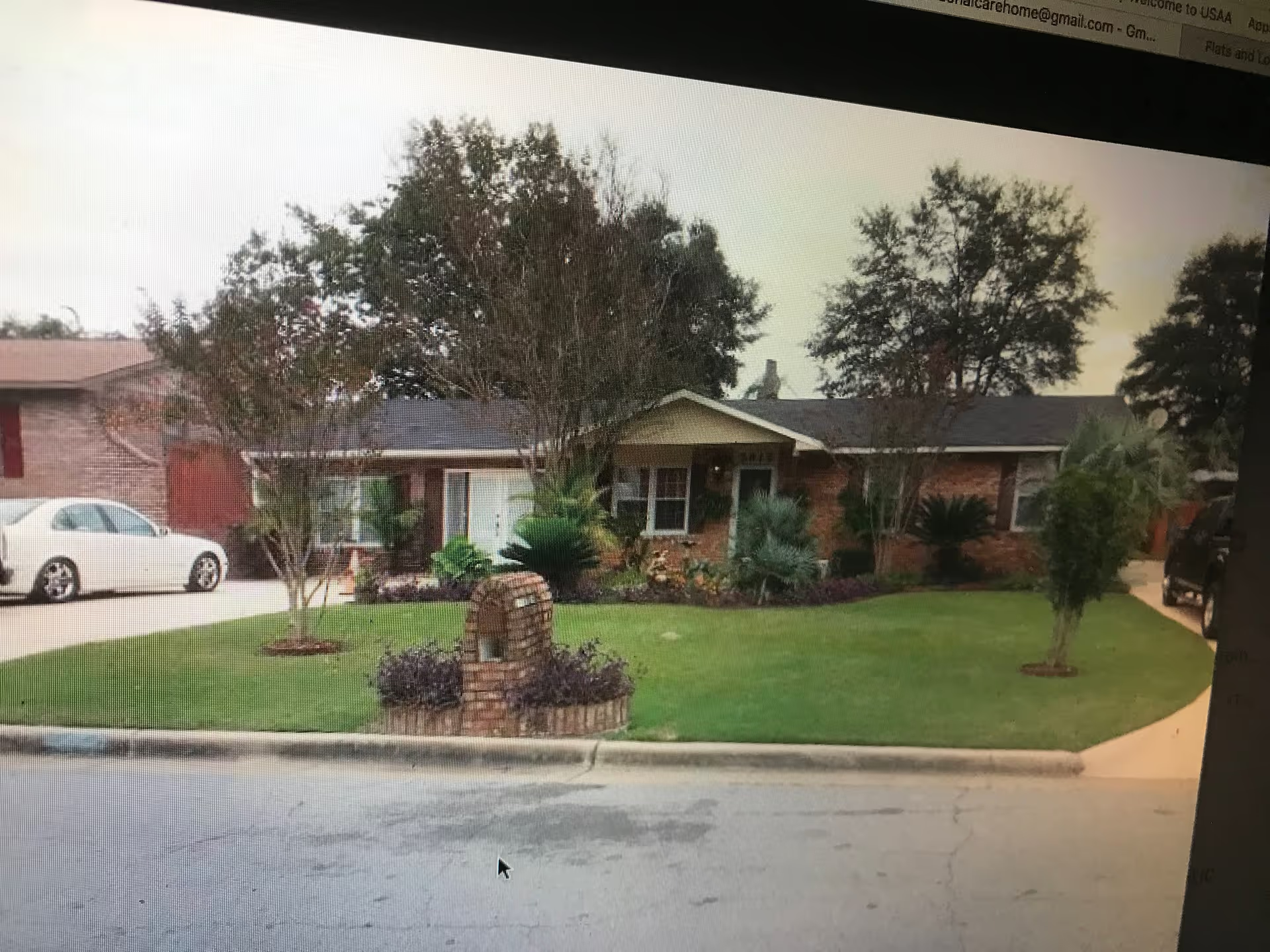
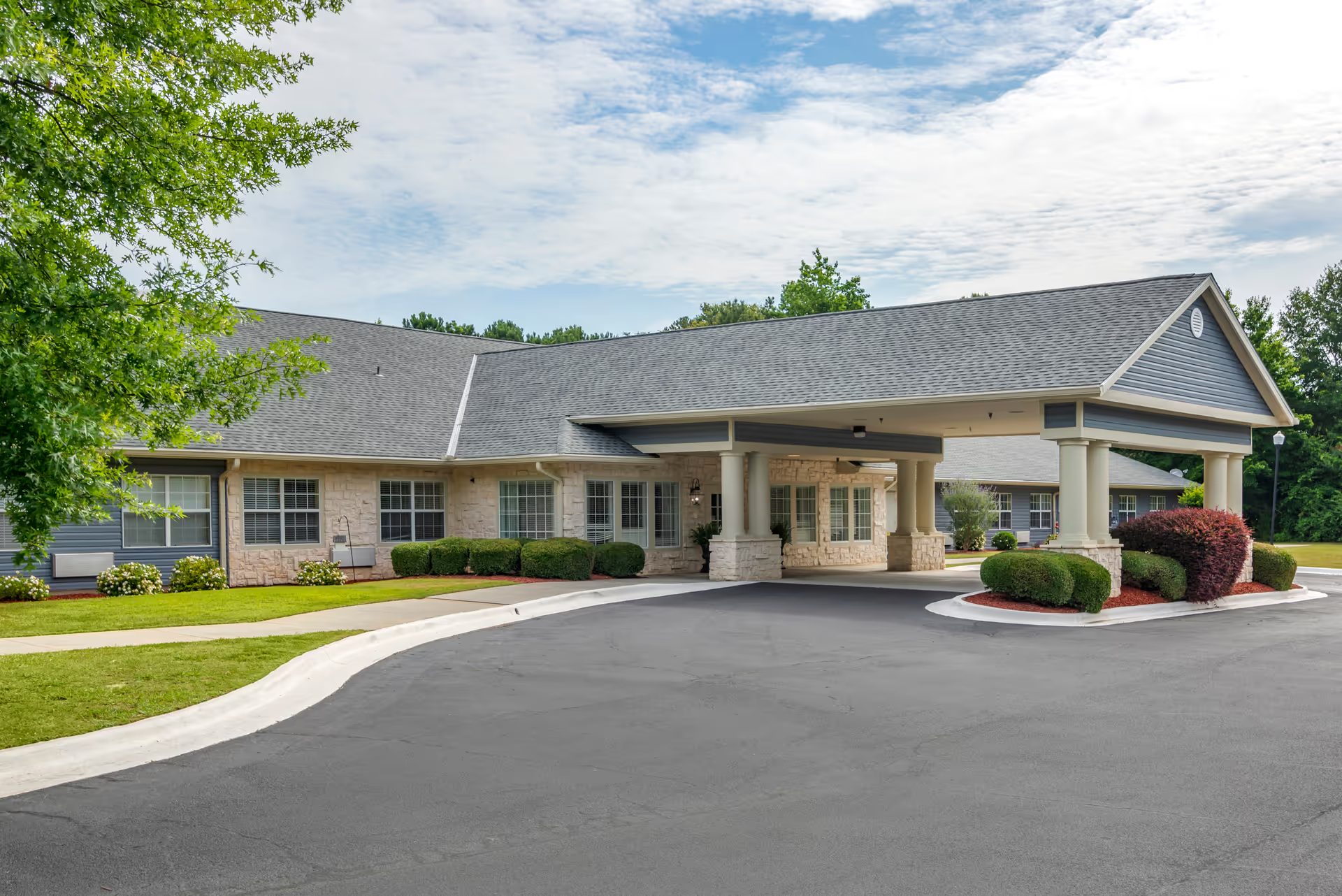
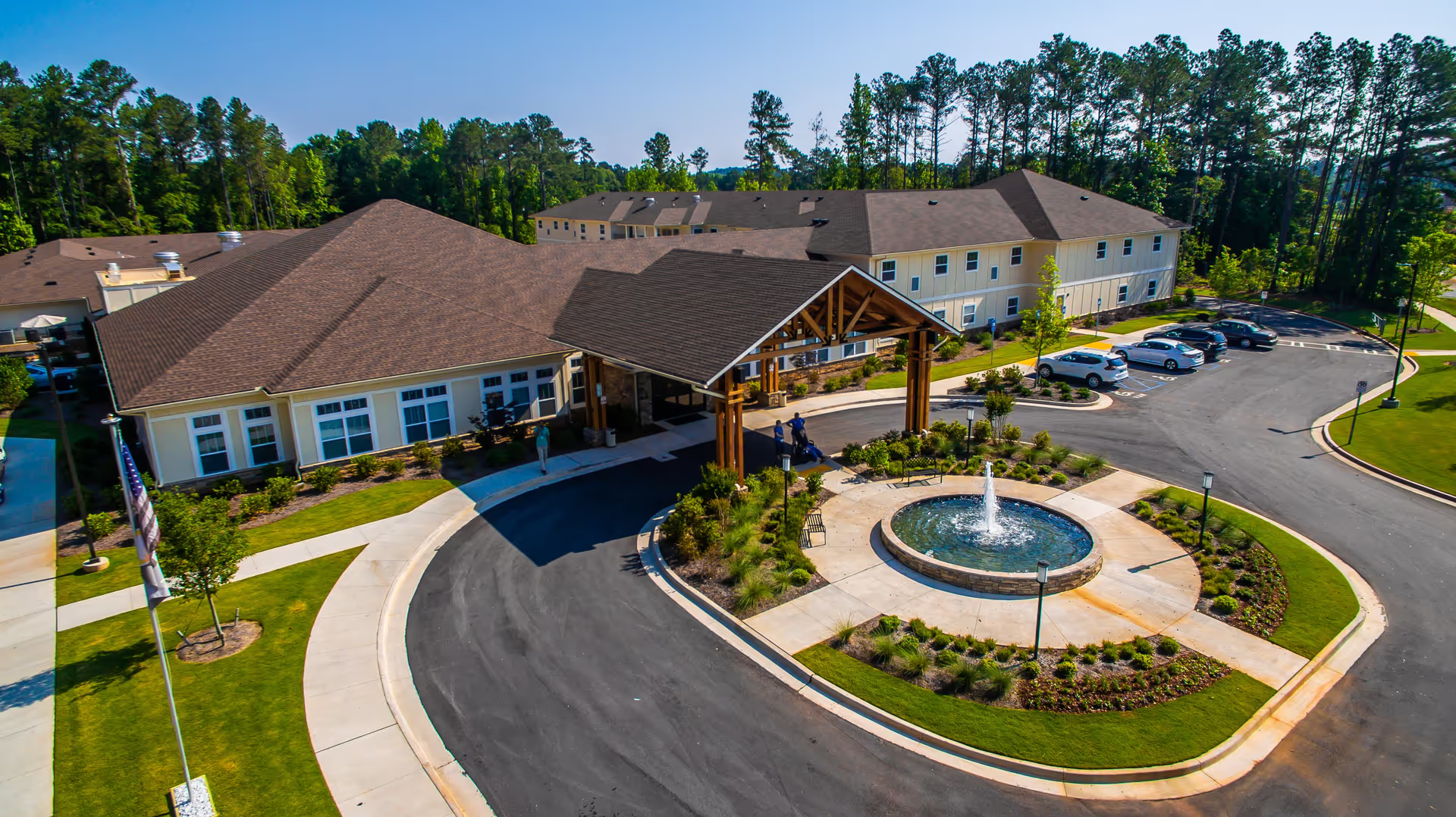
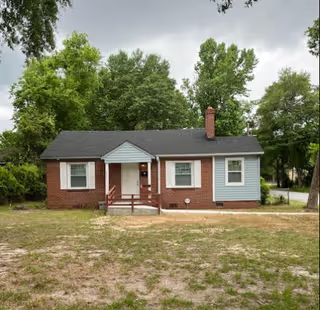
Facilities and resident autonomy The facility is described by many as clean, bright, and warm, contributing to a homelike atmosphere. However, there are also descriptions of an institutional or "jail-like" appearance and restrictive policies that limit residents' ability to leave the property or access outdoor space freely. Questions about vehicle use and restrictions on coming and going indicate that resident autonomy and access policies can be a significant operational characteristic; prospective families should clarify movement and visitation policies during a visit.
Management, finances, and admissions Recent management changes are generally viewed positively, with reviewers expressing optimism about direction under new leadership. As a nonprofit community resource, the facility appears to depend on local financial support and volunteers; this reliance may shape available programming and capital improvements. There is also an indication that admissions criteria—particularly for neurodiverse conditions such as Asperger's—are not fully transparent to outsiders, so inquiries about suitability and intake procedures are advisable.
Dining, activities, and programming There is limited specific information about dining quality, menus, or the scope of activities in the provided comments. Reviewers emphasize community and mutual support among residents, but details about structured activities, therapy programs, or recreational offerings are sparse. Prospective residents and families should request current activity schedules, meal plans, and examples of social or rehabilitative programming during a tour.
Notable patterns and recommendation Strengths center on mission-driven care, a caring staff culture, and a maintained, homelike facility under new leadership. The principal operational concerns are restrictive autonomy policies, an institutional appearance for some observers, occasional issues with staff communication tone, and limited transparency regarding admissions and program details. For decision-making, an in-person visit is recommended; ask for written policies on resident movement and privacy, examples of staff training and conduct policies, clarification of admissions criteria for neurodiverse needs, and current information on dining and activities. If community partnership is important, ask how volunteers and donors are integrated into services and what current needs exist.