Palm Shade Villa Assisted appears to be a small, personally run memory-care–focused residence that many families find reassuring for residents with dementia or Alzheimer’s disease. The facility is frequently described as clean, well maintained, and home-like, with low occupancy that enables individualized attention. Several accounts highlight a family-style atmosphere — holiday and birthday gatherings, warm interactions, and staff who are described as genuinely caring and patient. The presence of an RN and CNAs with 24-hour coverage is noted alongside a secure environment appropriate for memory-care needs.
Care quality is characterized by personalized, patient caregiving and frequent one-on-one engagement. Staff are commonly described as knowledgeable about Alzheimer’s care and attentive to residents’ day-to-day wellbeing. That said, reviewers also describe occasional compatibility issues between particular caregivers and residents, and a small number of accounts indicate concerns about staff communication or conduct. There are also indications that the setting may not be appropriate for residents who require more intensive clinical monitoring or specialized behavioral supports; in those cases families reported needing to arrange alternative care.
Dining and activities are generally viewed positively. The home provides three meals per day plus snacks, and meal quality is often described as acceptable or enjoyable. Activities include casual, home-oriented options such as puzzles, songs, and social events; the facility also offers communal spaces including a library. However, some observers perceived a lack of structured cognitive-stimulation programming for residents who require more formal therapeutic activities.
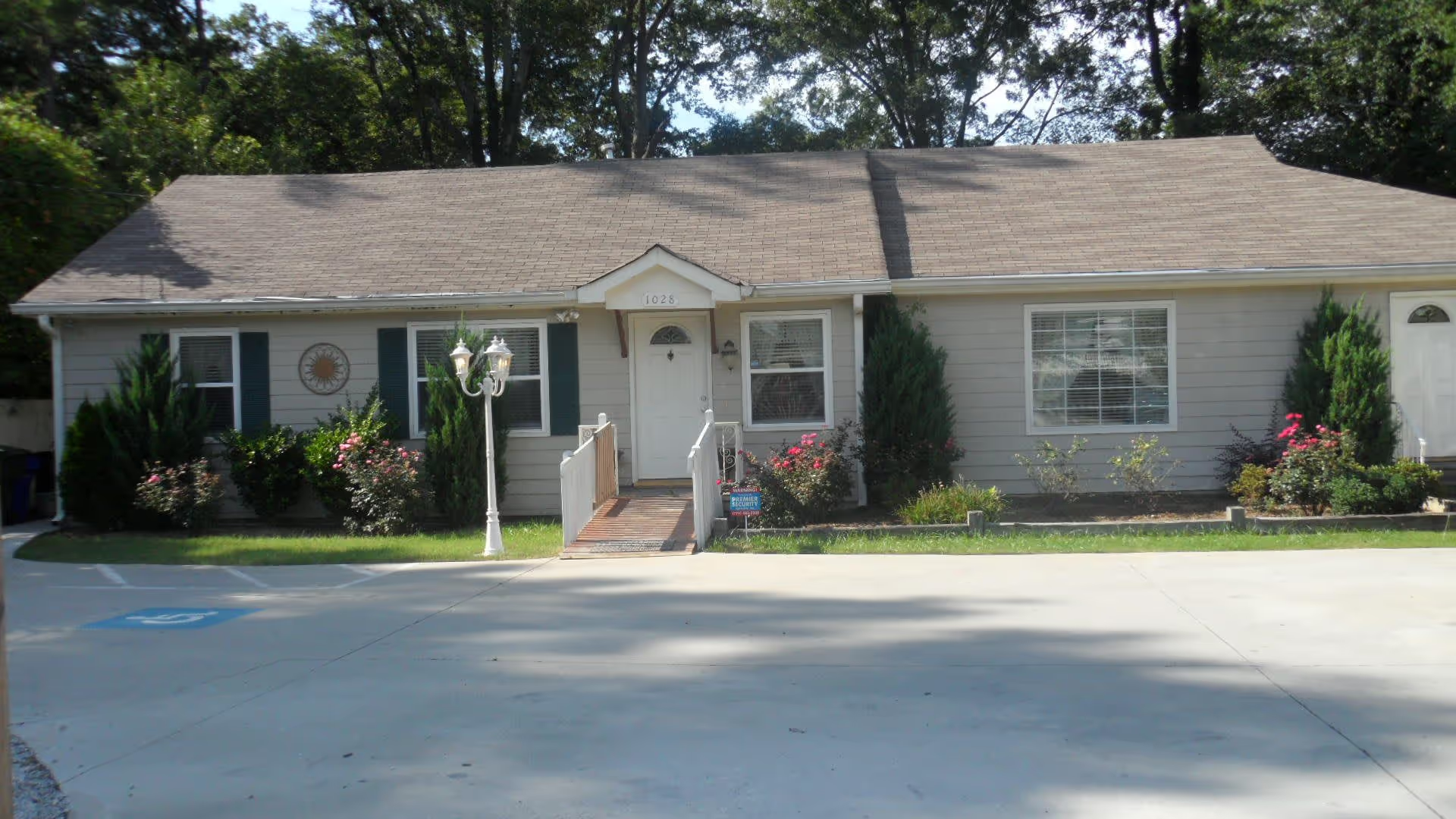
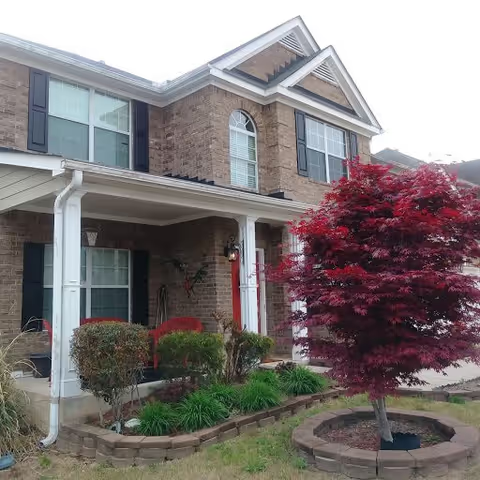
The physical plant is small and residential in character: single rooms, shared bathrooms in some configurations, narrow hallways and doorways, and well-kept grounds. Many reviewers praised cleanliness and an inviting atmosphere, though a few noted dim or drab common areas and that certain rooms needed additional furnishings or updating. Practical considerations include limited on-site parking and a layout that some found a little confusing.
Operationally, Palm Shade Villa functions as a personal care/memory-care home rather than a full-service medical facility. Emergency medical response is routed through 911 and routine physician appointments must be coordinated by residents or families. Medicaid is not accepted, which affects affordability for some families despite other accounts that characterize the program as good value. Overall, the facility’s strengths lie in individualized, compassionate dementia care within a small, secure, home-like environment; potential families should weigh those strengths against limitations in on-site medical services, space/configuration constraints, and the possibility of variable staff–resident fit depending on individual needs.