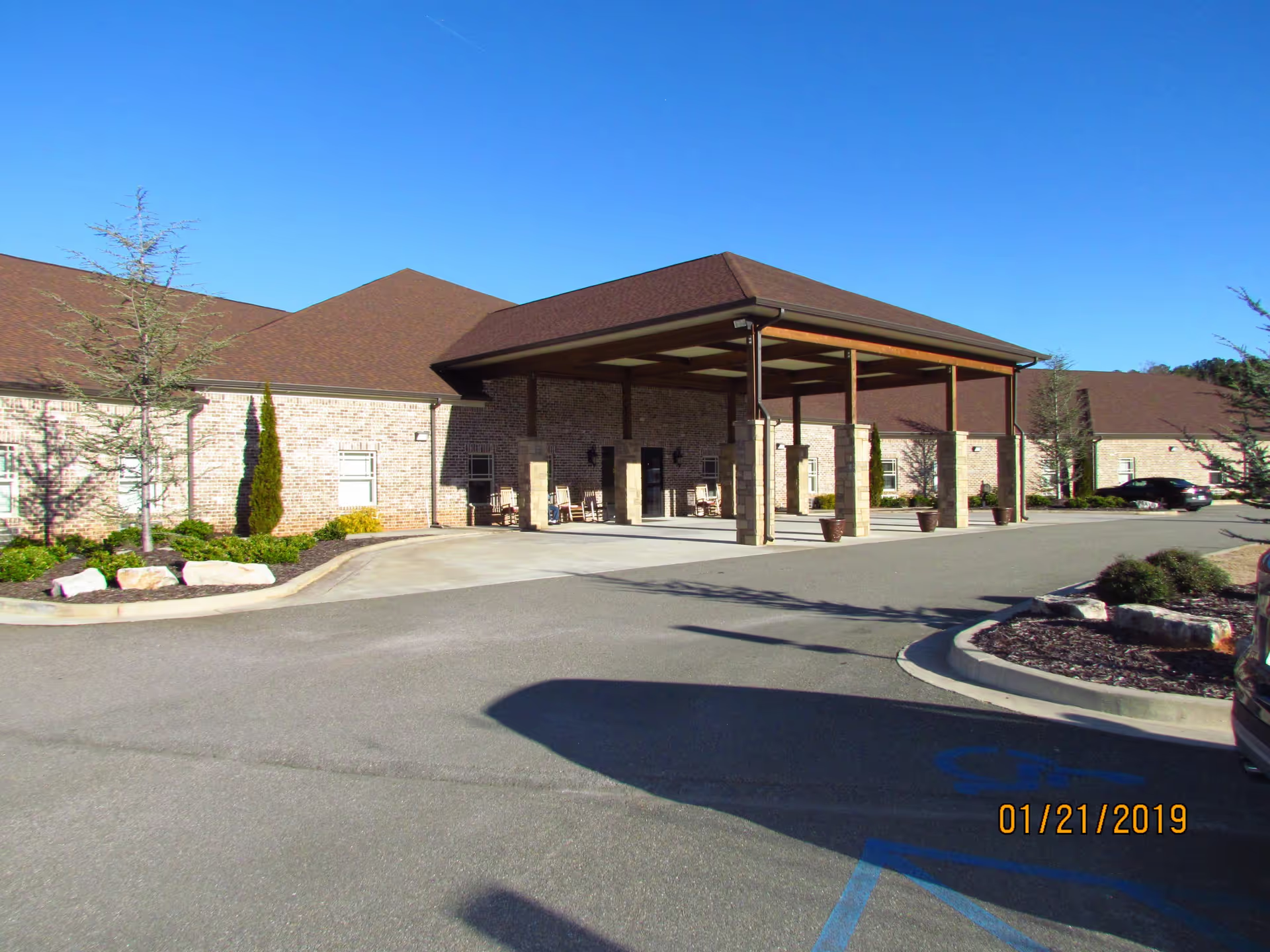
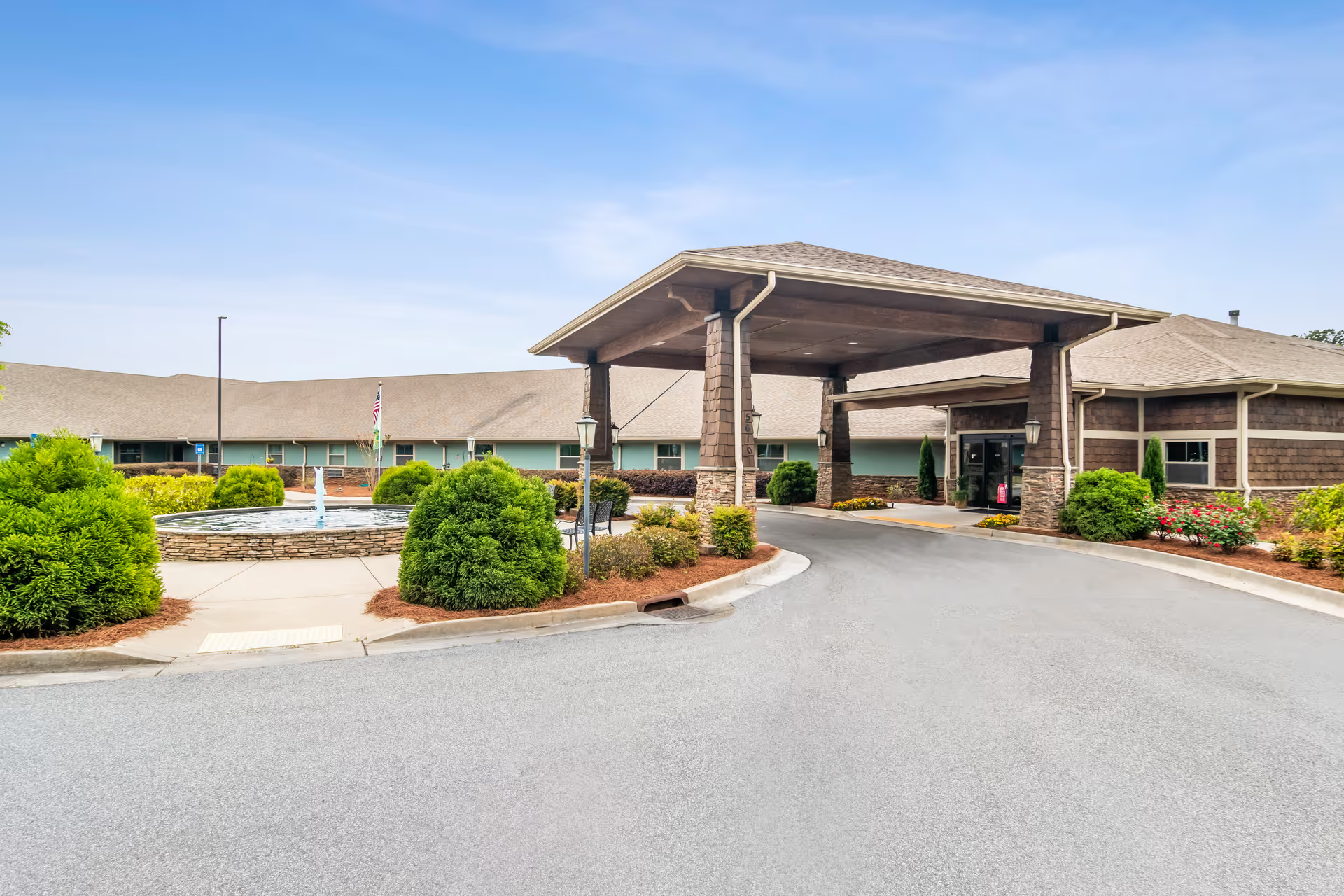
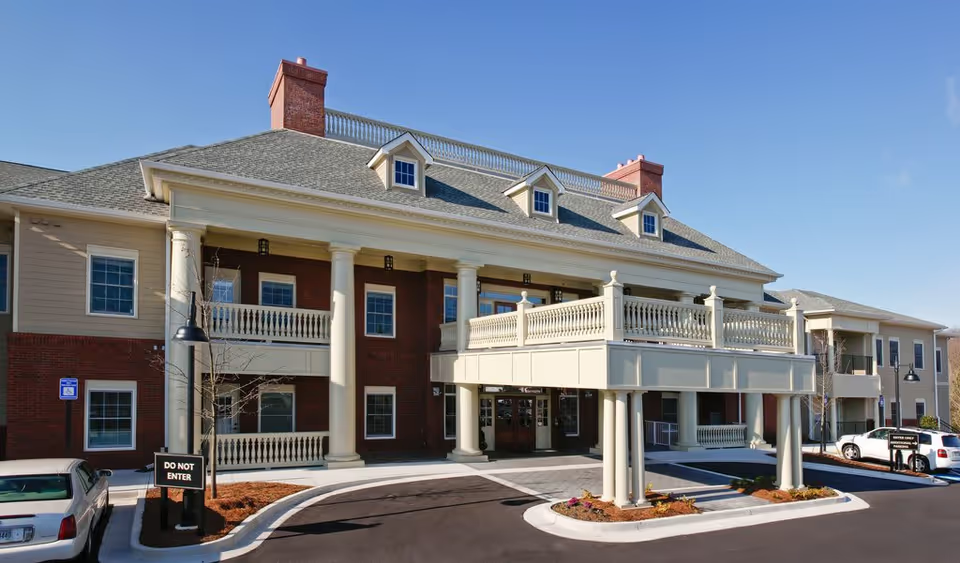
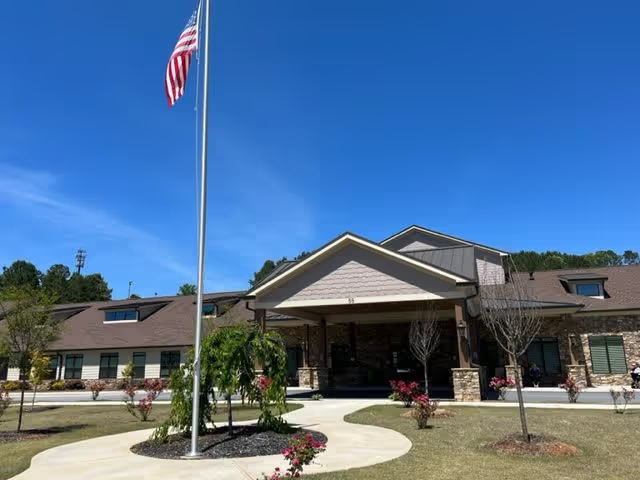
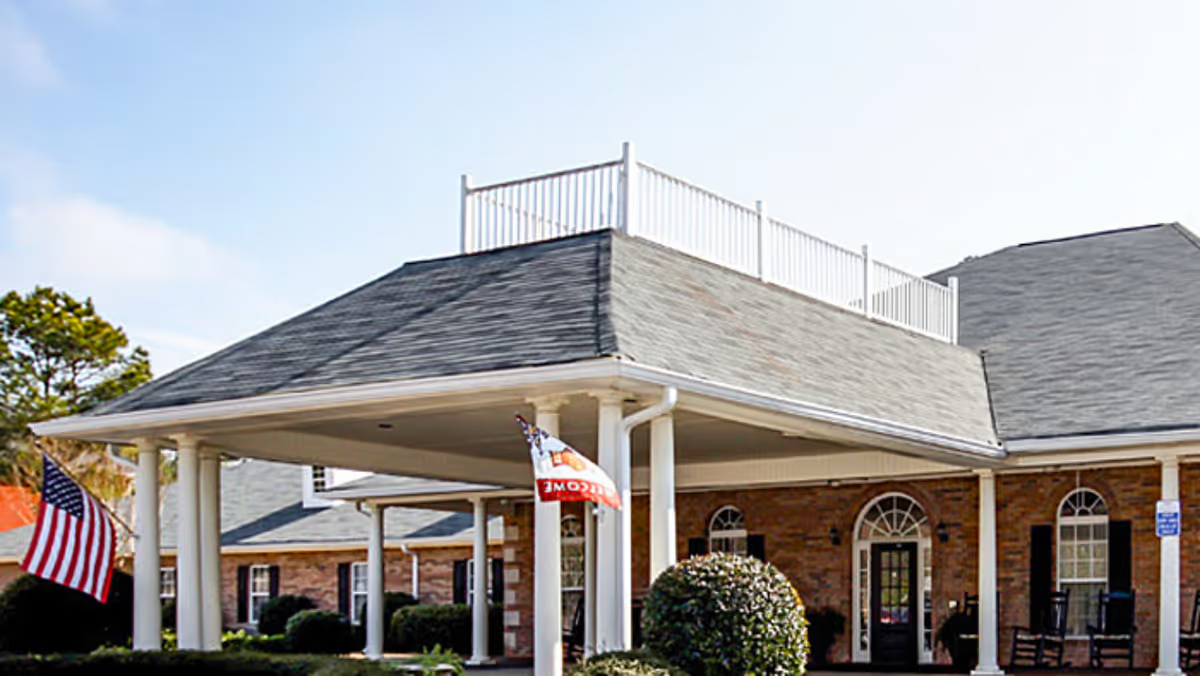
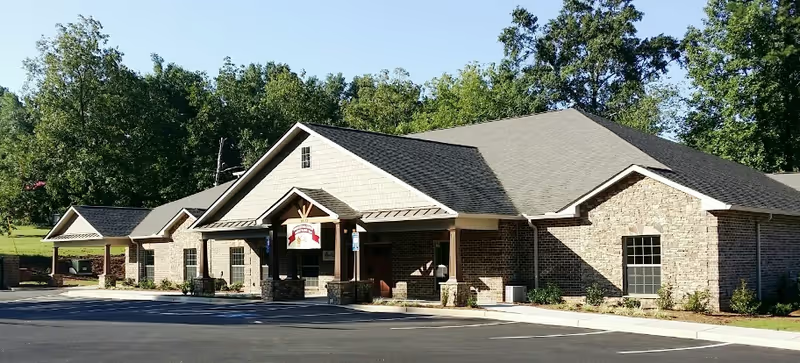
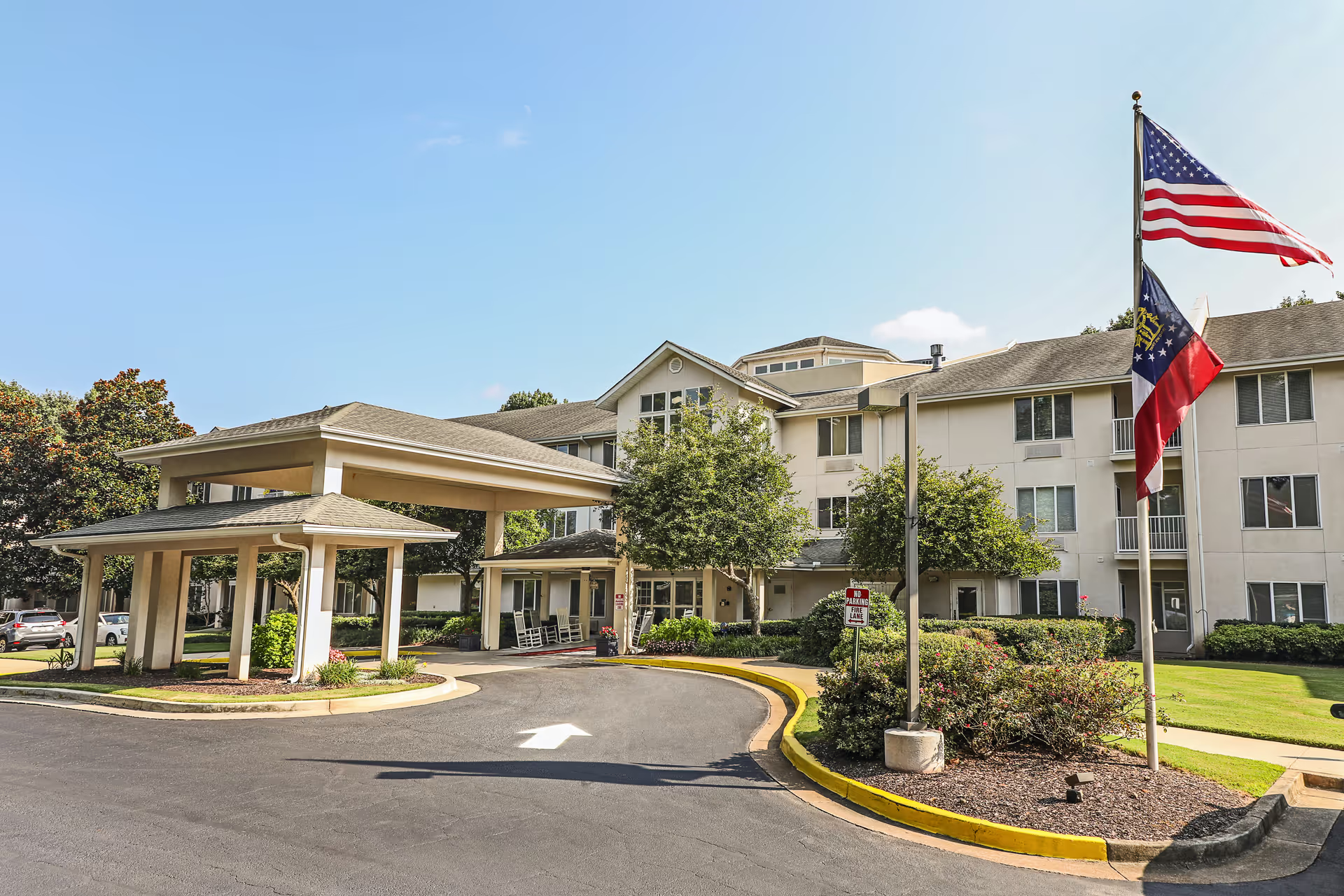
The reviews present a mixed but consistent picture: many families and residents praise the on‑the‑floor caregivers, dining, activities and the physical environment, while a distinct set of concerns centers on staffing levels, clinical capability for higher-acuity needs, and management consistency. The facility is frequently described as new, clean, bright and attractively maintained. Numerous comments highlight compassionate direct-care staff, a family‑like atmosphere, varied daily programming (exercise, games, therapy visits, spiritual offerings), and positive hospice involvement; these elements are a recurring source of satisfaction for residents and families.
Care quality descriptions are polarized. Positive accounts emphasize attentive caregivers, strong interpersonal connections, and effective hospice support during end‑of‑life care. However, other accounts identify operational weaknesses: understaffing and staff turnover that coincide with delayed responses to call buttons and resident needs, gaps in housekeeping and routine assistance, and inconsistent medication administration (including timing delays and handling of medication refusals in cognitively impaired residents). Several reviewers flagged specific clinical limitations — for example, the facility’s inability to provide certain ostomy services, inconsistent diabetes monitoring, and perceived inadequacies in memory‑care programming. These observations suggest the facility may manage routine assisted‑living needs well but could struggle with higher‑acuity clinical requirements.
Dining and activities are frequently cited as strengths. Many reviewers describe high‑quality, restaurant‑style meals and an extensive activities schedule that supports social engagement. That said, there are also notes of variability in meal quality and at least one mention of a food‑service health rating concern, indicating that dining experience can be inconsistent over time.
Facility operations and management evoke mixed reactions. Some families report clear, communicative leadership and describe recent management changes as positive, with improvements to food and responsiveness. Others describe unresponsive mid‑ or upper‑level management, lapses in family communication (phone lines going to voicemail), and frustration around perceived differences between marketed services and what was delivered. A small number of reviews recount serious, individual end‑of‑life and communication concerns; while these appear to be specific incidents, they contribute to broader family anxiety about clinical escalation and complaint resolution.
Notable patterns for prospective residents and families: evaluate the facility’s current staffing levels and turnover, clarify the scope of clinical services included in contract (ostomy care, diabetes monitoring, dementia‑specific medication policies), and observe direct‑care staff interactions during a visit. Many reviewers praise the immediate caregiving team and the facility’s environment and activities, but the operational issues above — particularly around staffing, medication management, and management responsiveness — are recurring themes that merit direct questions and verification during tours and contract discussions.