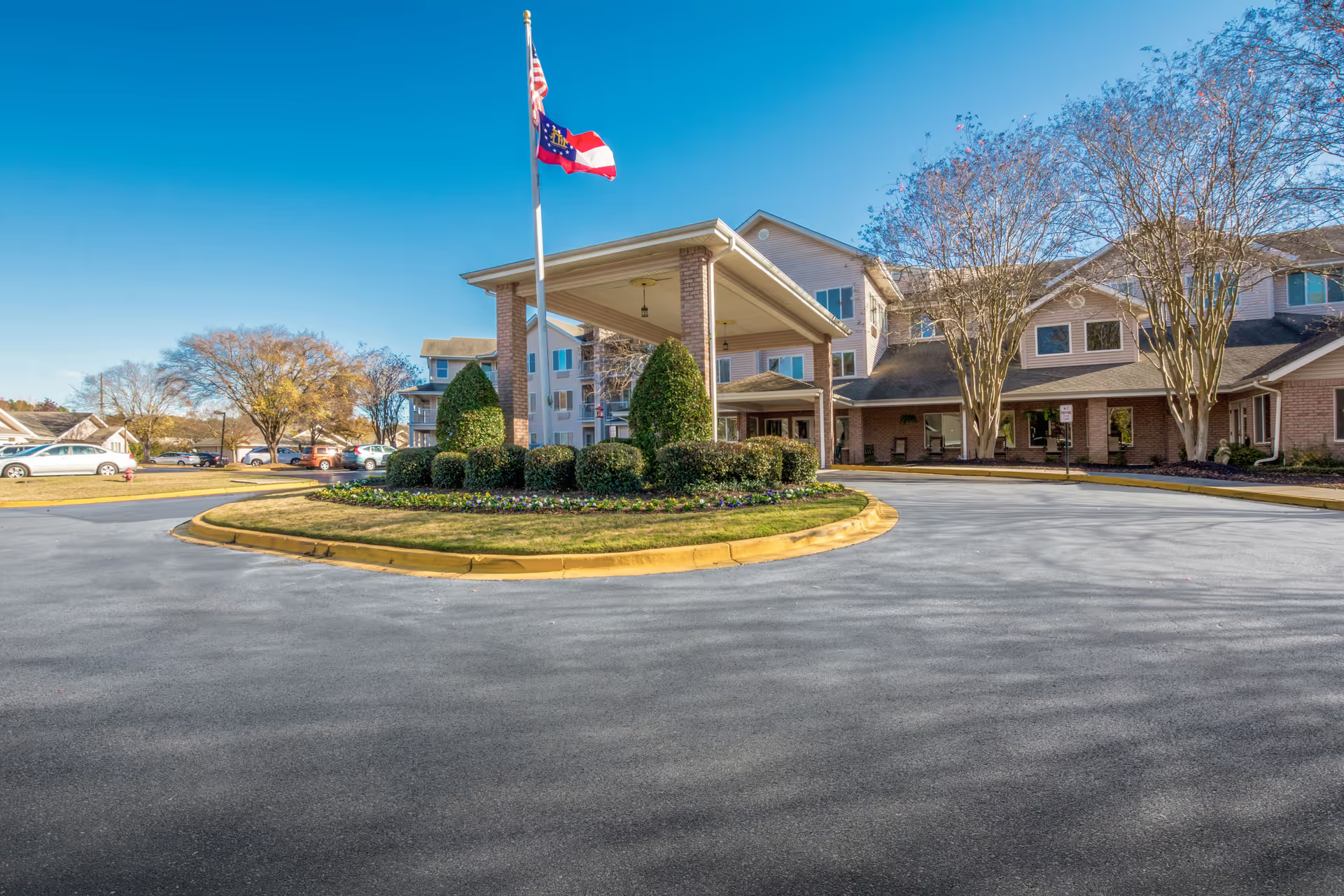
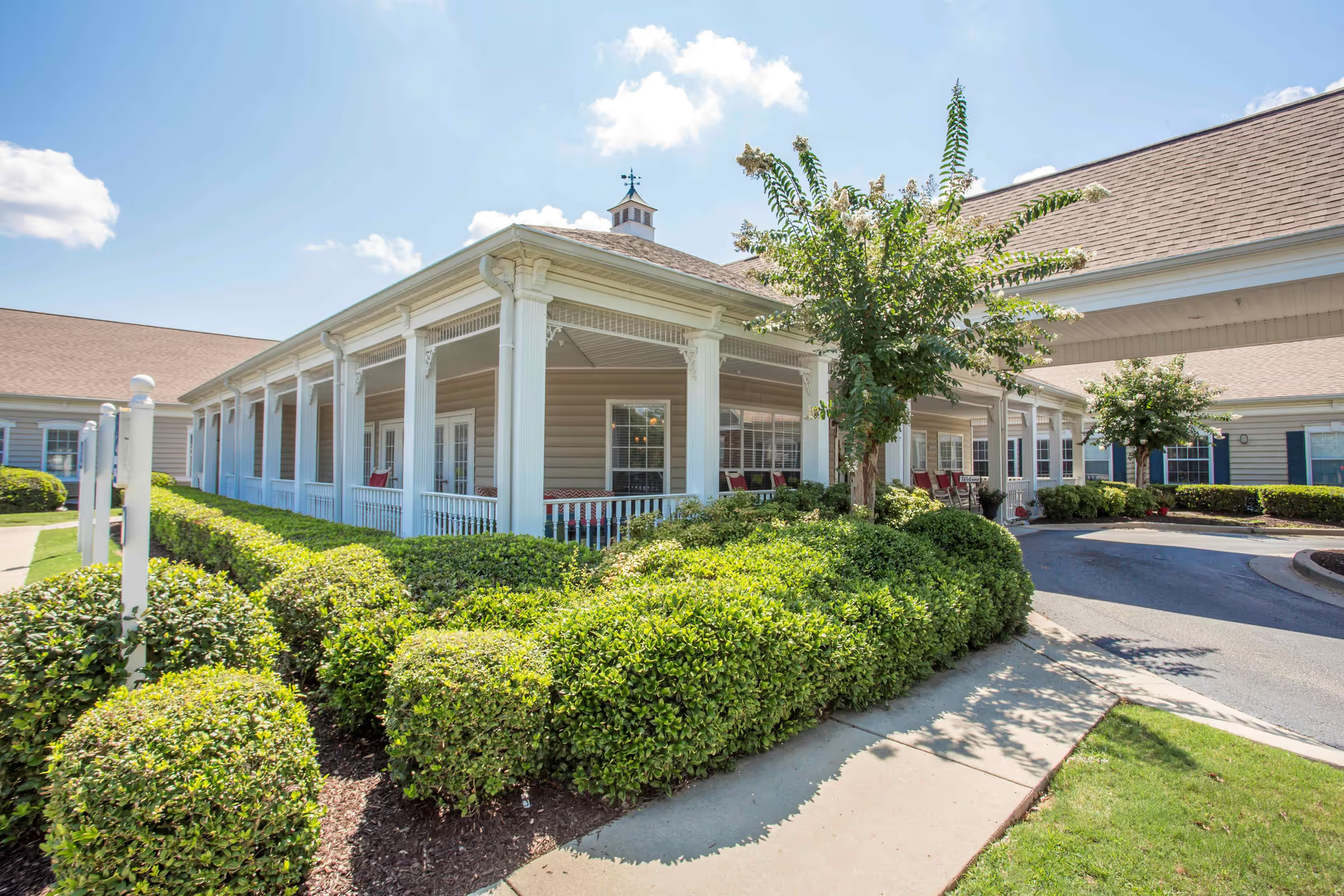
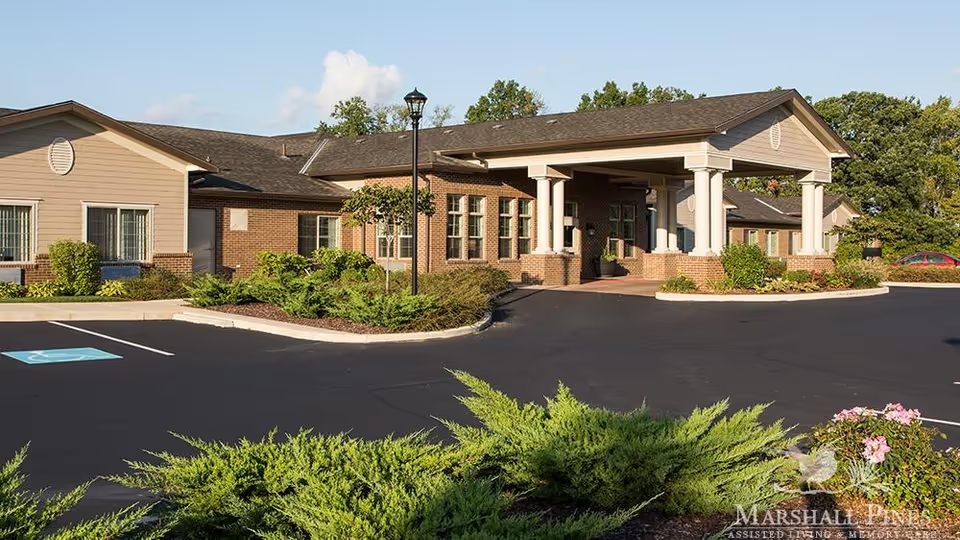
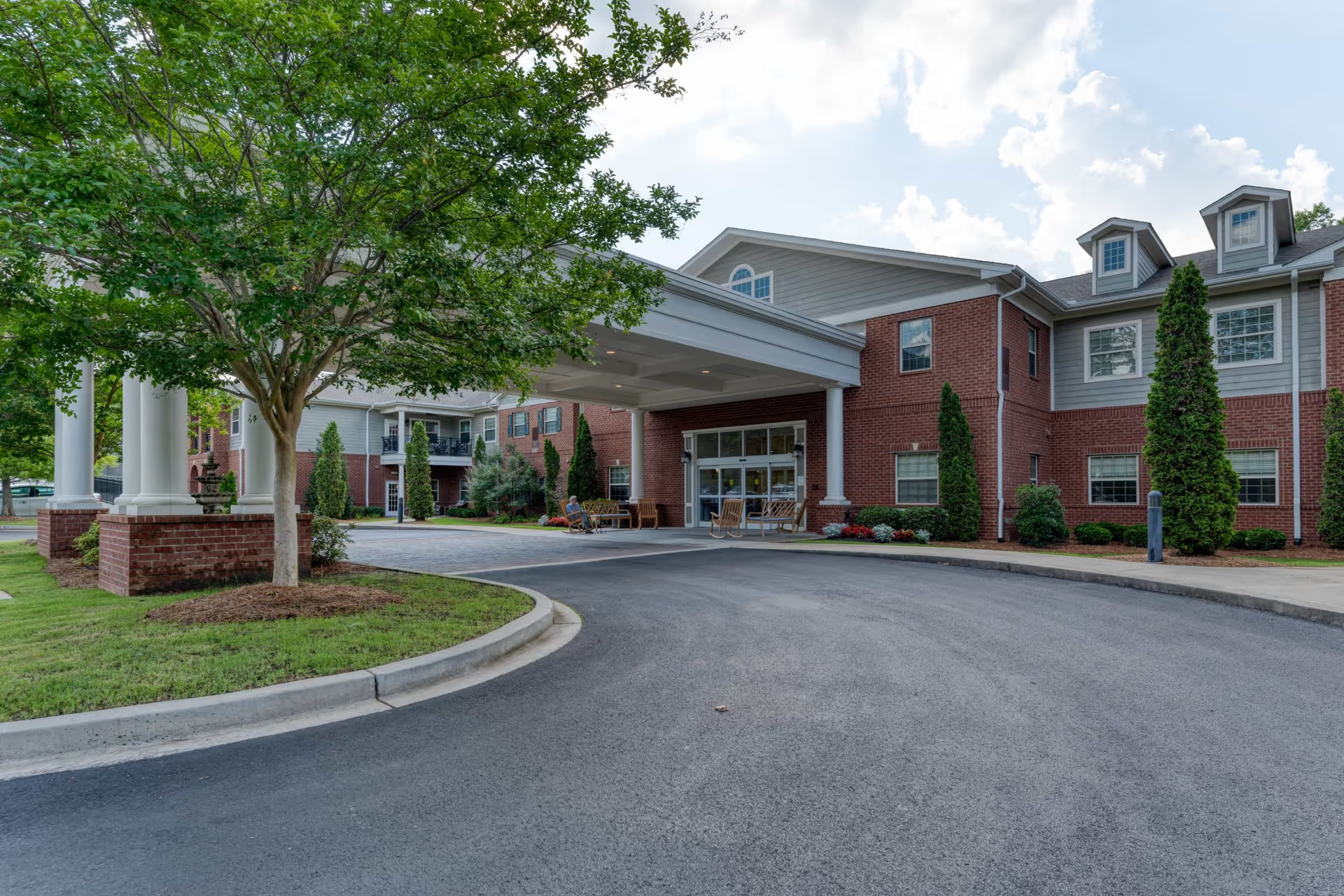
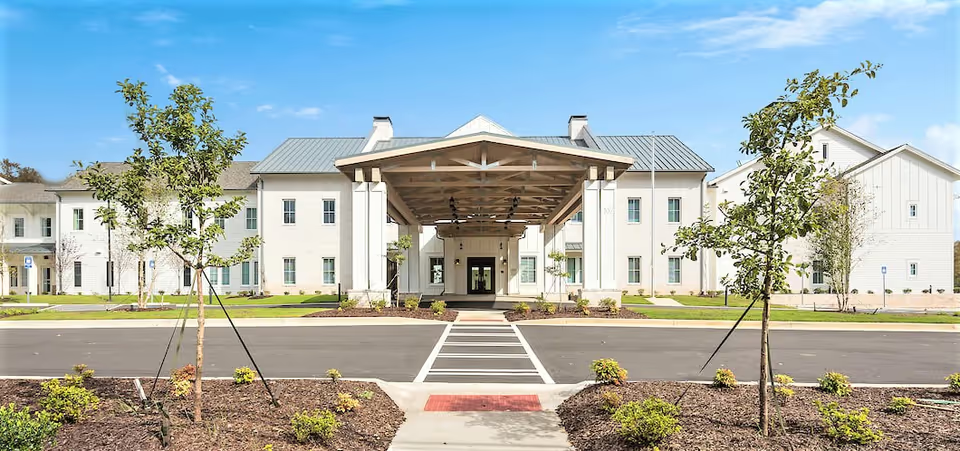
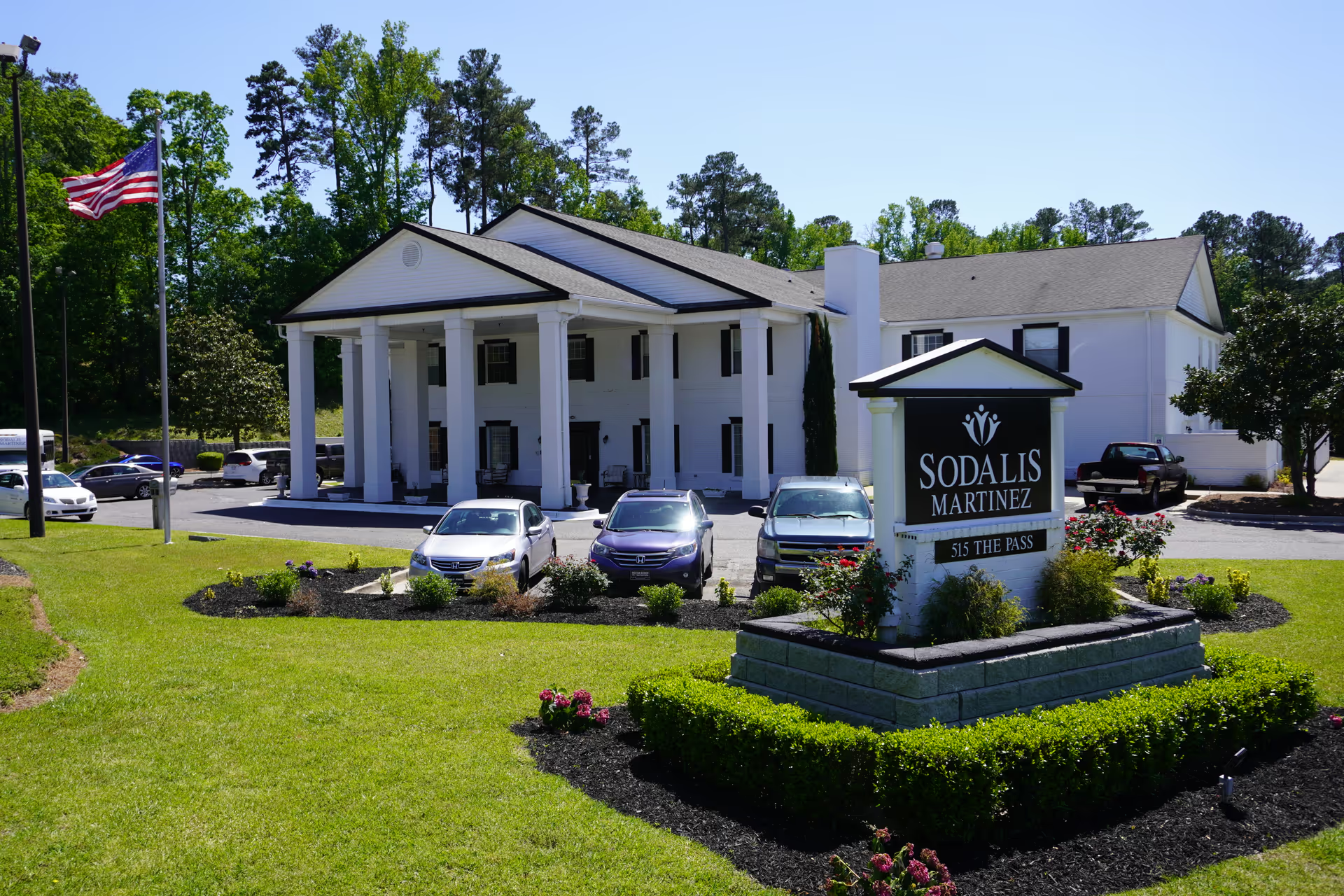
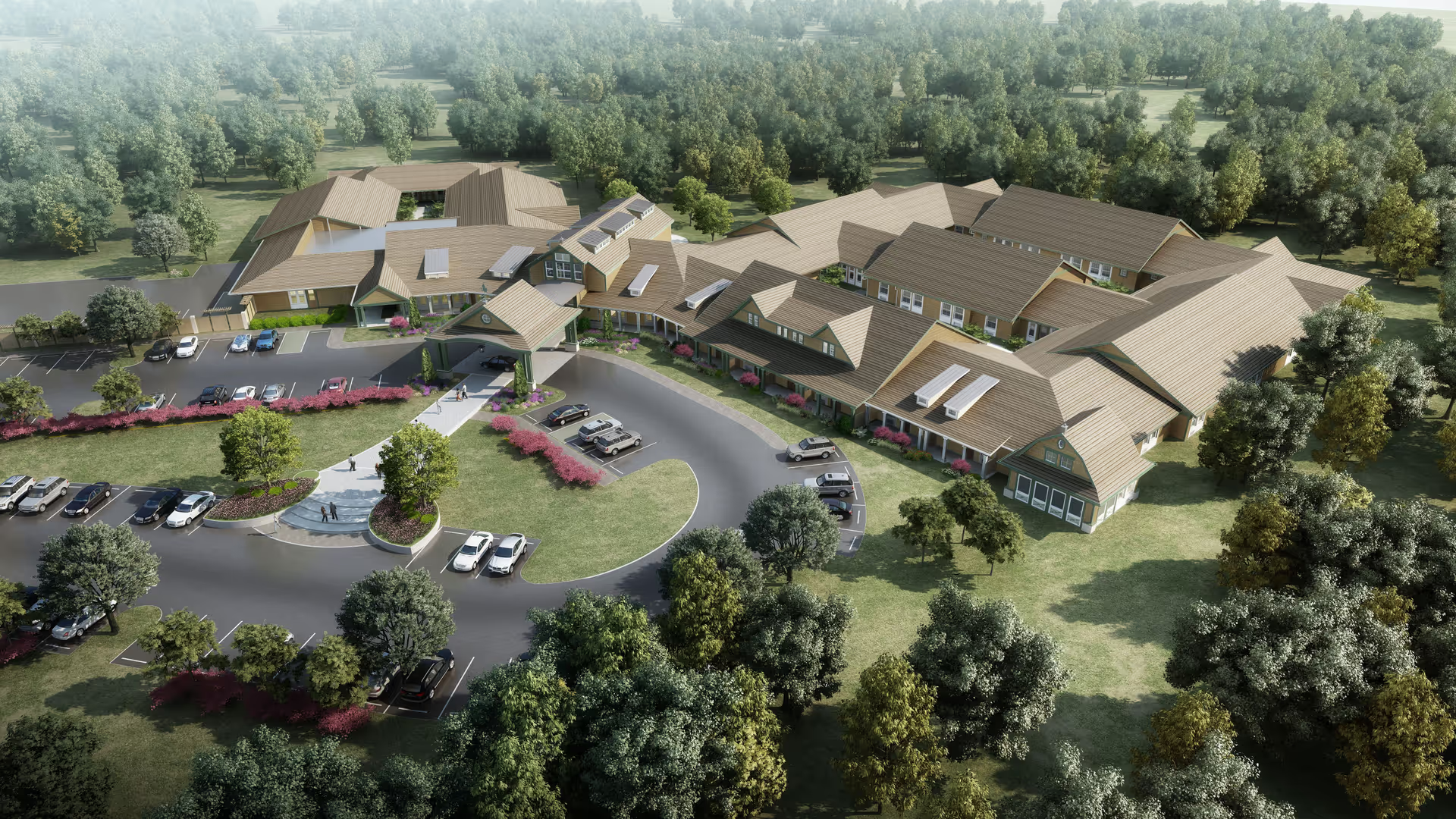
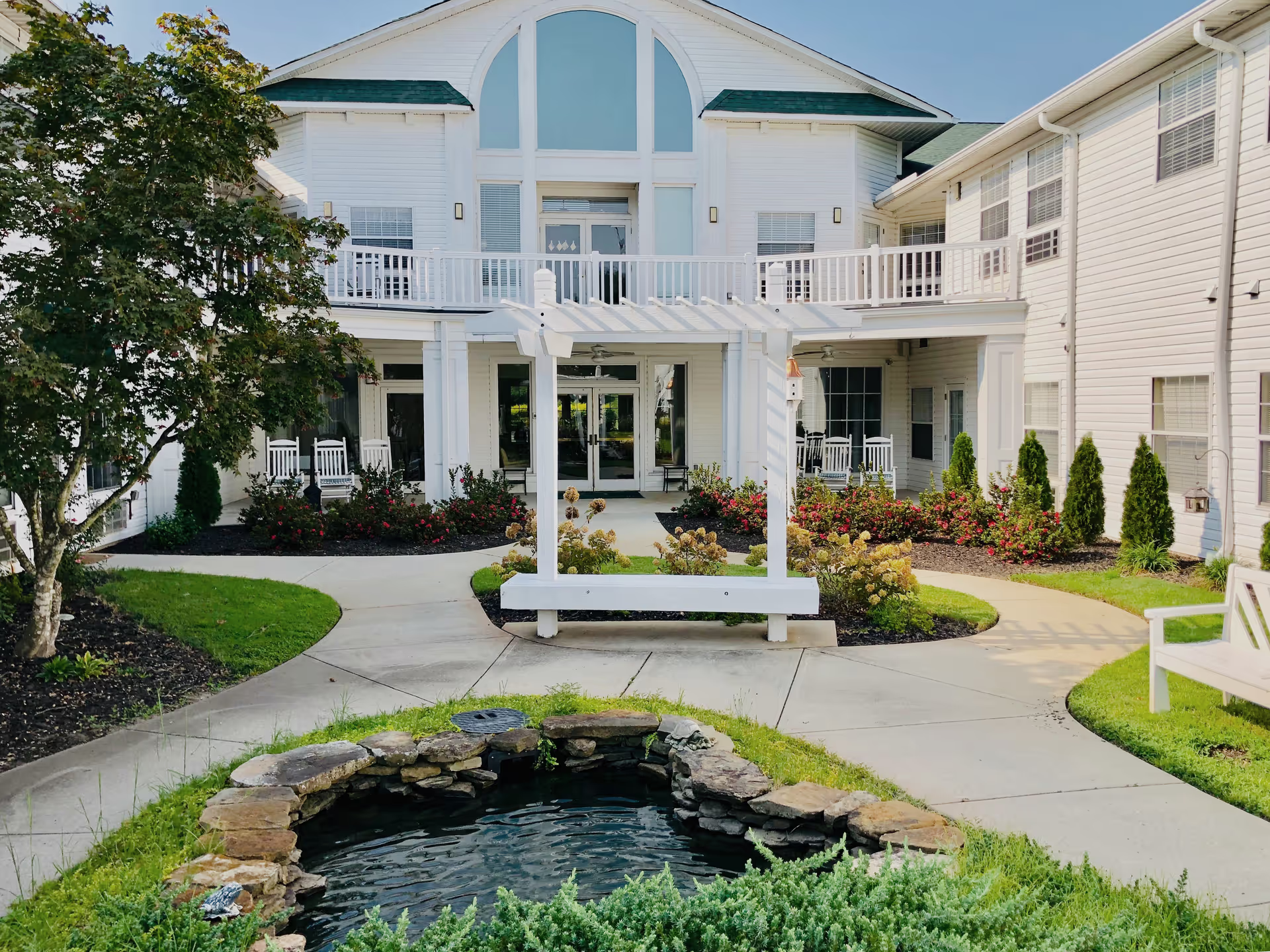
Overview Brandon Wilde is consistently described as a well-appointed, campus-style retirement community with a broad continuum of care and extensive amenities. The community combines independent living apartments and cottages with on-site assisted living, memory care, rehabilitation, and skilled nursing. Many reviewers emphasize the attractive landscaping, well-kept interiors, and a range of communal spaces that contribute to a welcoming, home-like atmosphere. The property’s amenities—pool, gym, salon, library, therapy services, and event-capable dining rooms—are frequently cited as strengths that support an active lifestyle.
Care quality and clinical services Clinical care receives strong, specific praise from multiple reviewers. Commenters highlight responsive nursing leadership, timely communication about medical changes, and robust on-site rehab and therapy services. Several notes emphasize that nursing and therapy staff are effective during transitions of care and in crisis situations, which contributes to family confidence. At the same time, reviewers raise operational limits in memory-care capability: staff training and unit design may not be optimized for residents with advanced, agitated, or aggressive dementia-related behaviors. Shared rooms in parts of the memory-care unit and descriptions of a locked environment were also noted, which may affect suitability for residents with complex behavioral needs.
Staff and management Staff are predominantly characterized as caring, friendly, and professional. Housekeeping, dining, life coordinators, and admissions personnel receive repeated positive mention for helpfulness and thoroughness. Several reviewers single out strong leaders (nursing and administrative) and an overall culture that values resident dignity. However, consistent concerns appear around staffing levels and scheduling: short staffing, shift-coverage gaps, and occasional limited interaction with residents are reported as recurring operational issues. There are also isolated reports of staff conduct described as curt or condescending; these describe communication tone and responsiveness rather than systematic clinical failures.
Dining, activities and community life Dining is commonly praised—many guests describe restaurant-style service, event catering, and high-quality menus and presentation. The dining rooms are depicted as cheery, social spaces with cloth settings and live music at times. Programming is broad and active: residents participate in committees, community publications, club activities, arts, and frequent posted events. Reviewers report a lively social environment that supports engagement, with opportunities for volunteerism and resident-led initiatives. A small number of comments indicate variability in individual meal experiences or that not all menu items were sampled, but the overall consensus favors the dining program.
Facilities, units and maintenance Physical plant and grounds maintenance are strong points. Reviewers consistently describe clean, odor-free common areas, well-lit and comfortable gathering spaces, and well-maintained walking paths and gardens. Unit sizes and floor plans are generally seen as adequate, with a range of apartment options. That said, some reviewers note variability in finish and condition between exterior or older units and newer or interior units; there are mentions of construction activity and staged repainting between tenants. A few reviewers found certain unit types (small rooms or no kitchen) unsuitable for their needs.
Costs, contracts and availability A prominent theme is the cost structure. Brandon Wilde offers life-care options that many families value for financial predictability, but reviewers repeatedly highlight a substantial upfront, nonrefundable entrance fee and large buy-in requirements. Contract terms around dementia coverage and the mechanics of lifetime guarantees were described as unclear by some families; reviewers advise prospective residents to scrutinize contract language and understand which services are included versus billed at market rates. Unit availability can operate on a first-come, first-served basis, which affects access to preferred floor plans and pricing.
Notable patterns and guidance for prospective families Overall sentiment skews positive: long-term residents and families often describe peace of mind, strong community engagement, and competent clinical care. The most consistent operational concerns—staffing levels, service follow-up, and contract/fee clarity—are practical considerations for evaluation. Prospective families should (1) review contract language carefully regarding dementia care and lifetime guarantees, (2) ask about staffing ratios and contingency plans for shift coverage, (3) tour specific unit types to verify finish level, and (4) meet memory-care leadership to assess training and behavioral-management approaches for advanced dementia. Those priorities will help match resident needs to the community’s strengths and limitations.