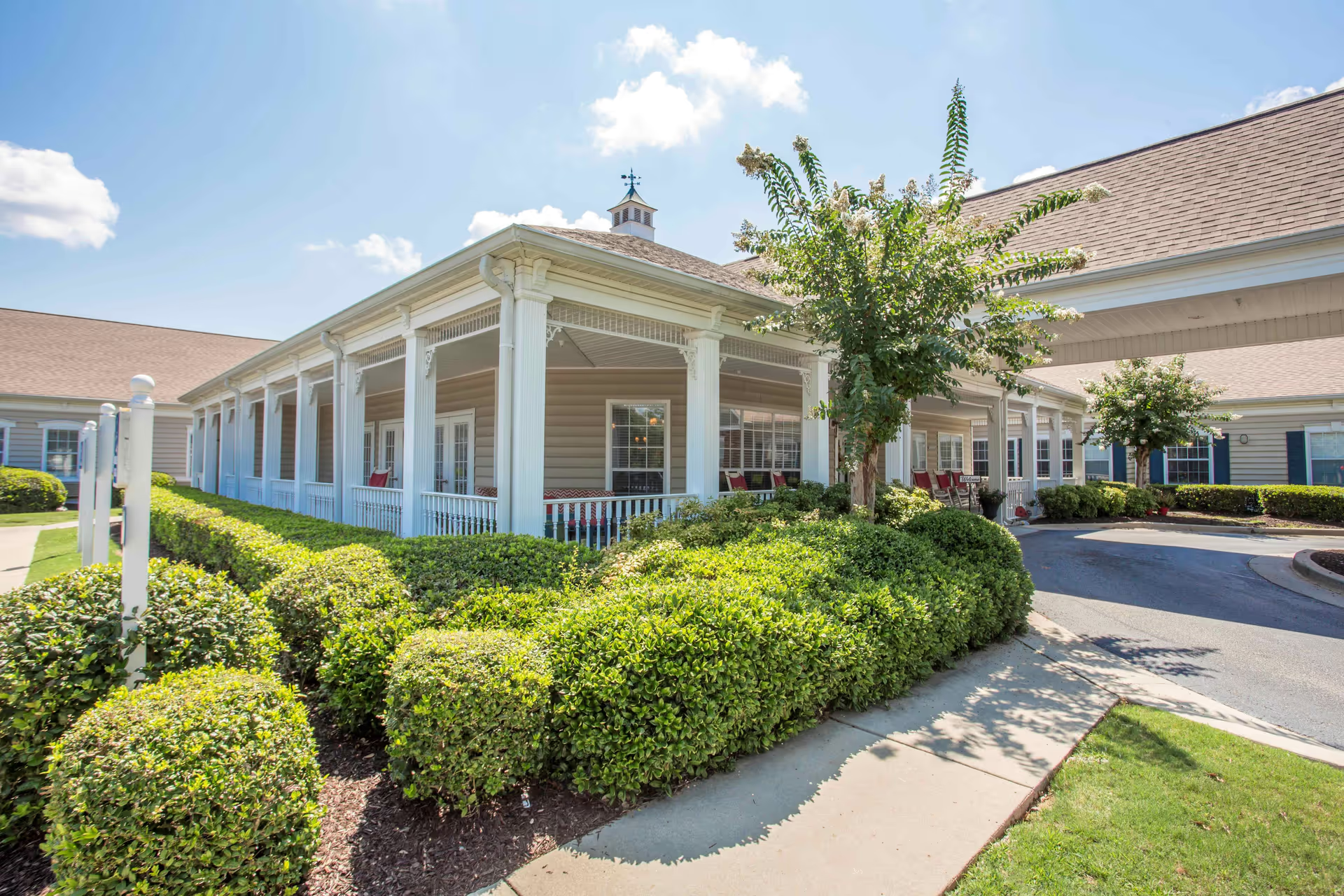
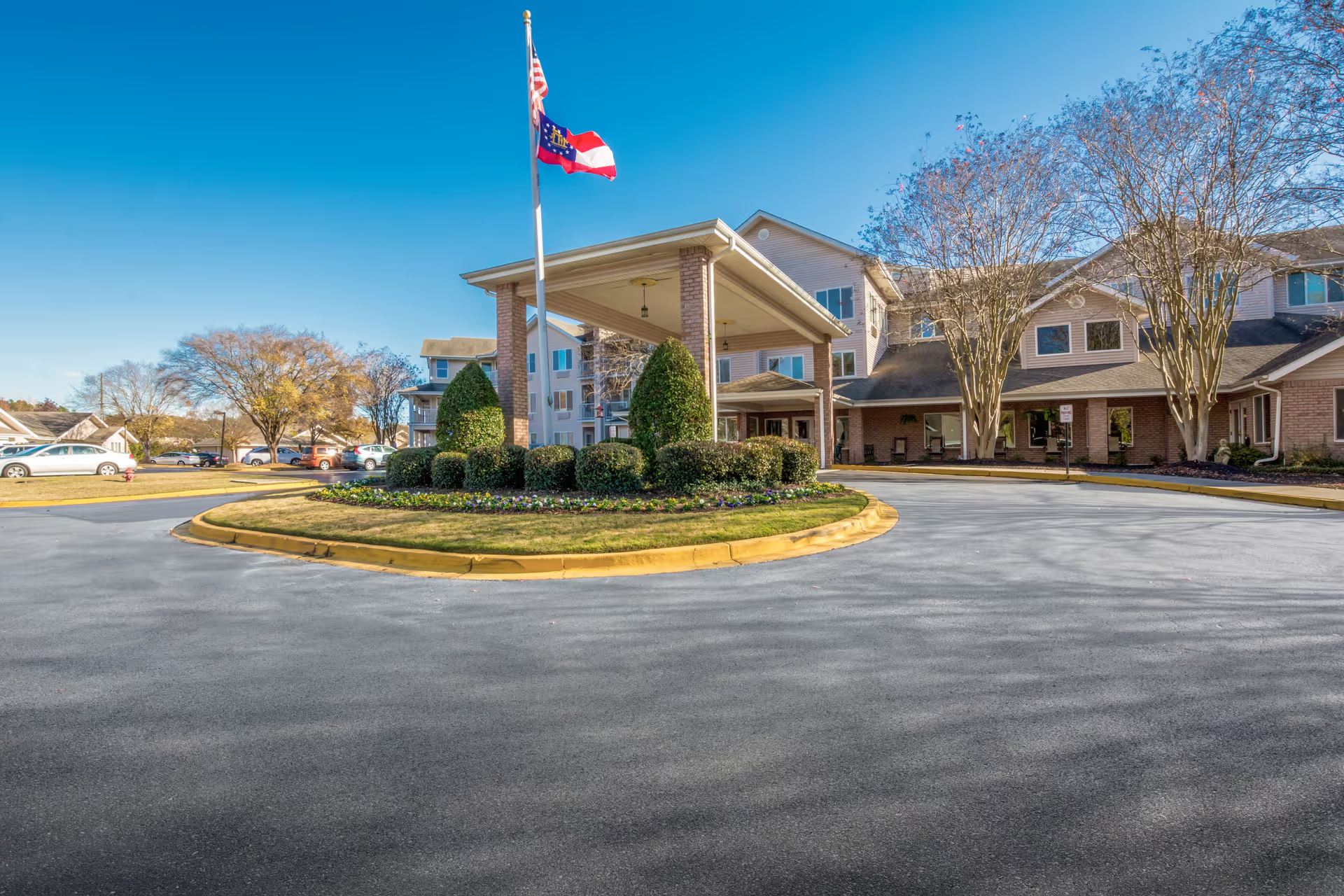
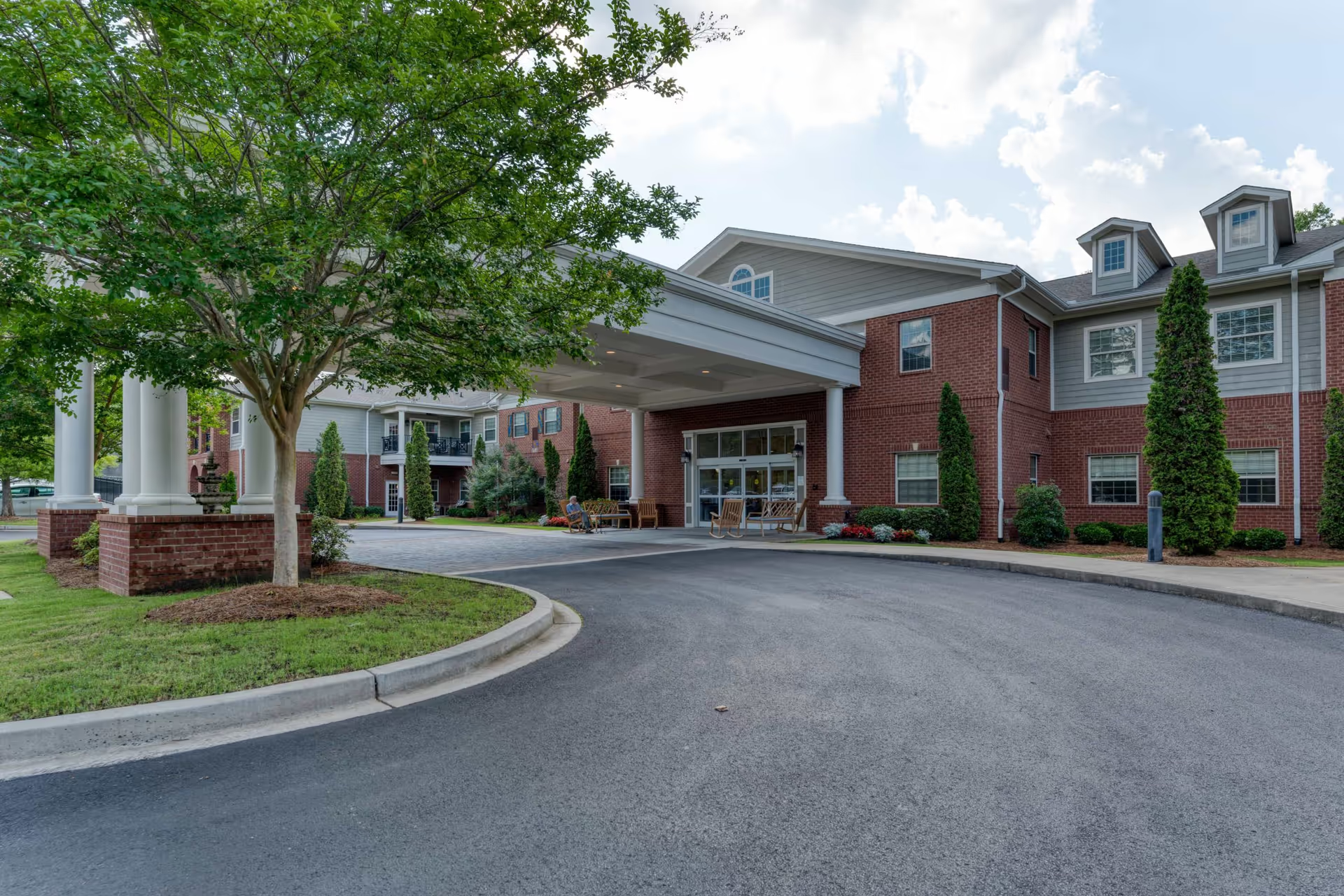
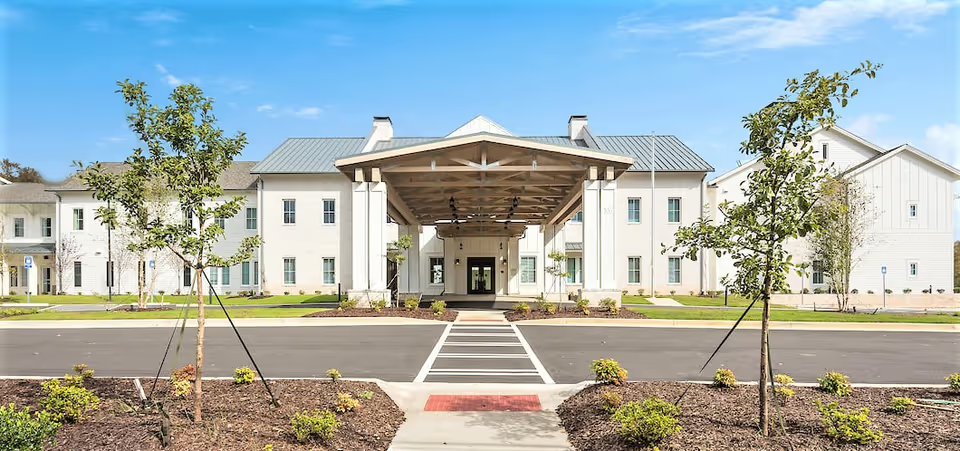
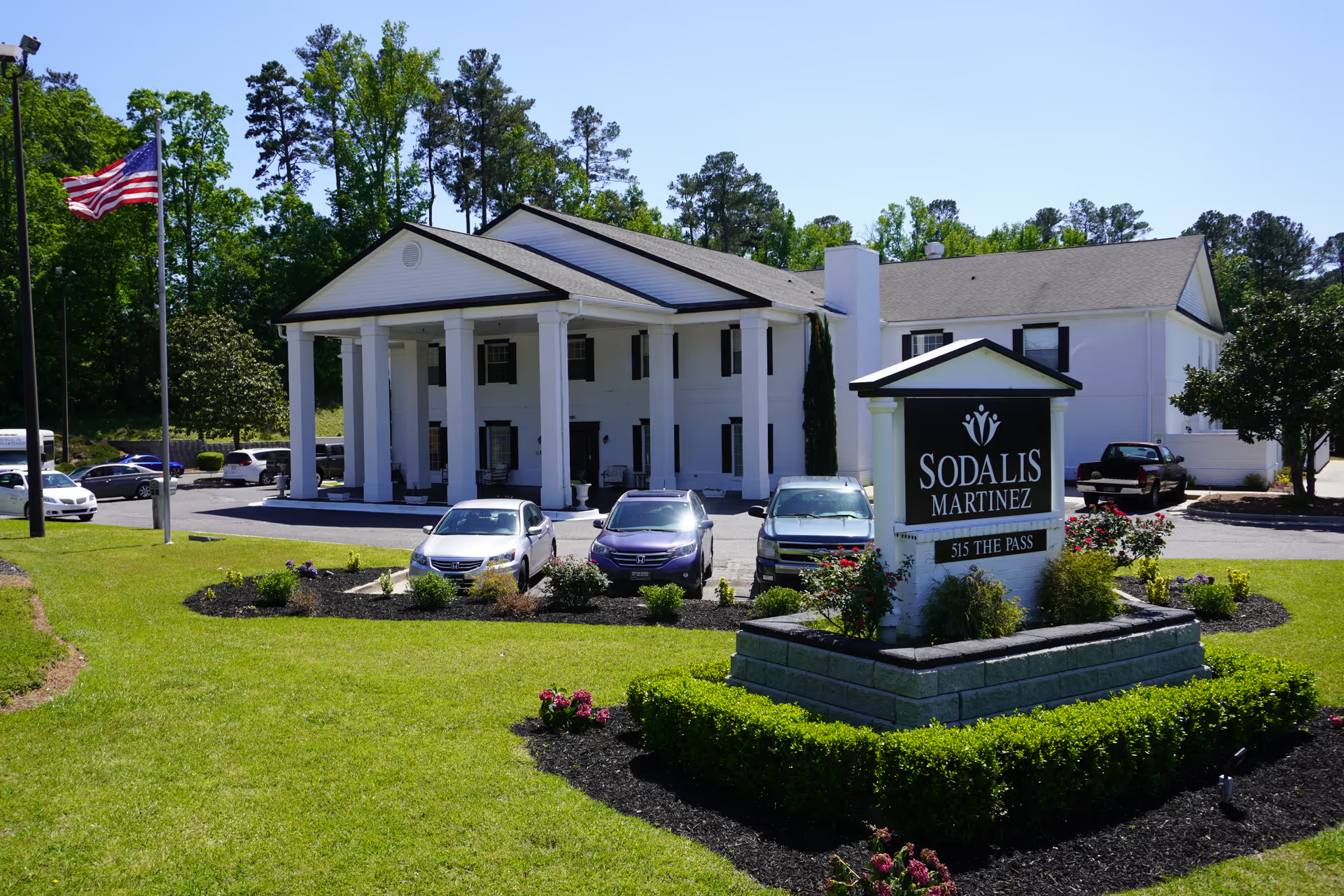
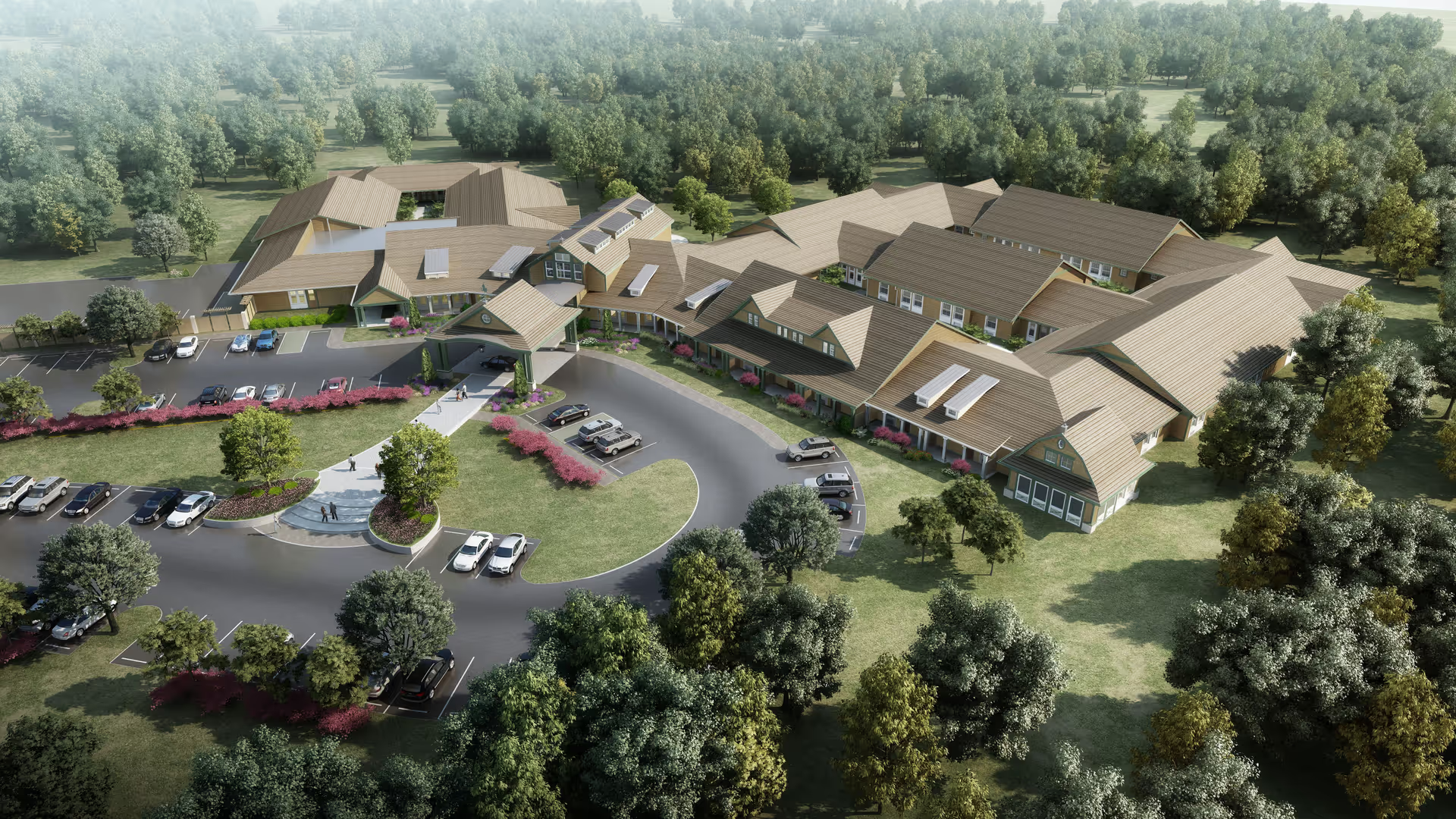
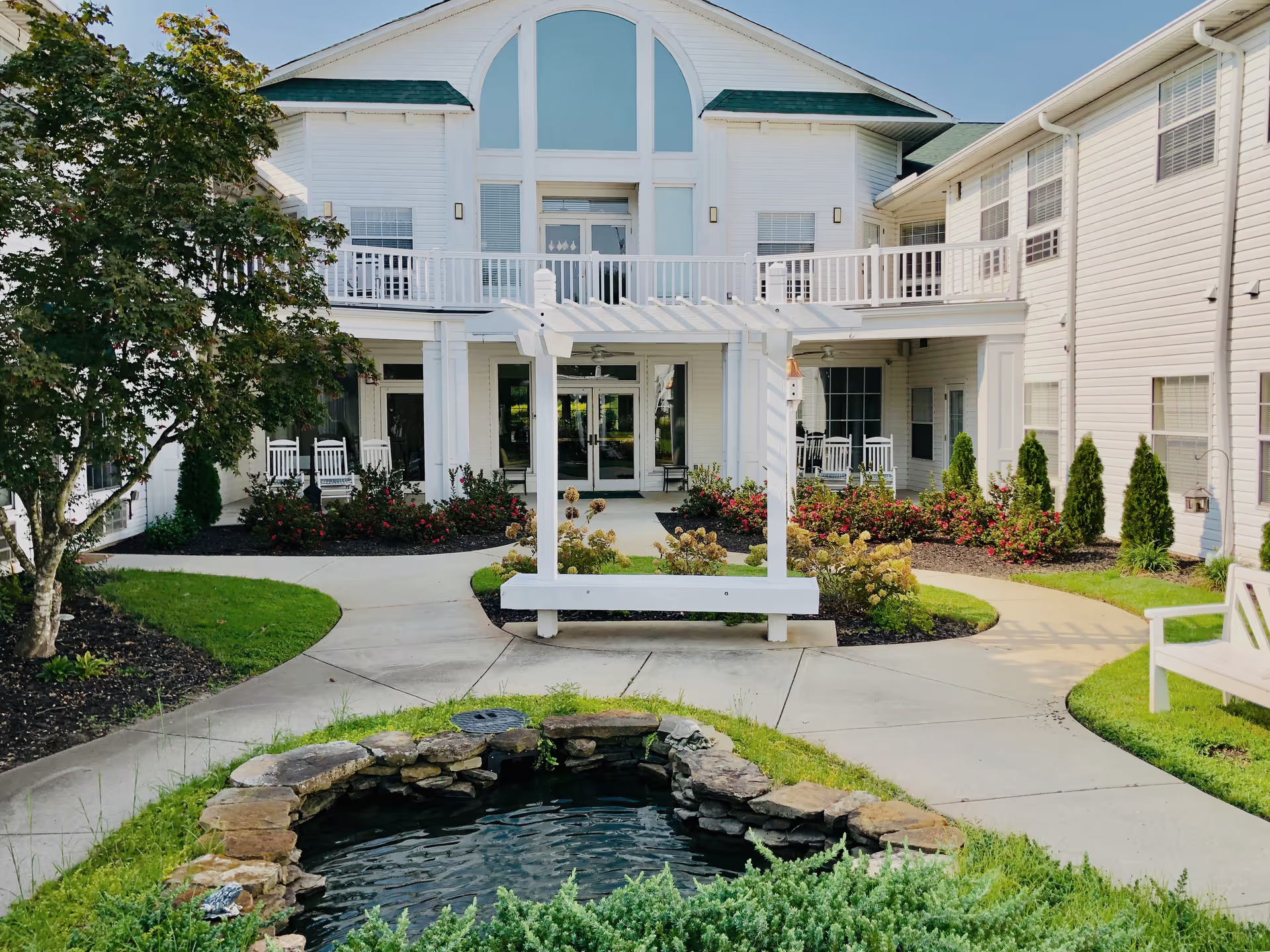
PruittHealth - Evans elicits a mixed picture. Many reviews highlight committed clinical personnel — nurses, nursing assistants and several therapists received direct praise for professional, compassionate bedside care. Families and staff pointed to effective admissions and discharge coordination in certain instances, and a number of reviewers described a clean, well-maintained physical environment and an overall workplace culture that some employees find supportive.
At the same time, there are consistent operational concerns that affect the resident experience. Communication gaps between families and the facility surface repeatedly: unreachable phone lines, unreturned voicemails and email delays were cited, and social-work or front-desk communication was sometimes described as inconsistent. Clinical documentation and administrative processes also appear to be uneven; reviewers described delays in signing orders, processing referrals, and receiving lab results, which in some cases shortened available rehabilitation time.
Staffing patterns and shift variability are recurring themes. Many positive examples involve daytime staff and nominated individuals; however, reviewers frequently described reduced responsiveness during evenings and nights, longer call-light waits, and periods of limited direct-care availability. Reviewers characterized this as both a staffing-level issue and an inconsistency in individual staff conduct and performance. These patterns were linked to specific care-process gaps, including inconsistent assistance with transfers and personal care, concerns about hydration and pressure injury management, and occasional errors in transport or orders.
Therapy and dining quality were described unevenly. Day-rehab services drew praise in several accounts, but other reviewers reported that rehabilitation outcomes and intensity were variable and that delays in orders curtailed therapy time. Dining feedback ranges from below-average meals and inconsistent portioning to reports of weight loss in some residents, indicating inconsistent nutritional follow-up.
Facility operations and administration show both strengths and weaknesses. Positive notes include effective discharge planning by certain staff members, visible leadership engagement from clinicians and administrators, and a generally clean environment. Conversely, reviewers identified front-desk responsiveness, frequent room relocations, and gaps in after-hours communication as recurring operational weaknesses. A small number of reviewers indicated intent to pursue regulatory complaints, reflecting the severity of some individual concerns.
For prospective residents and families: this facility appears to offer dedicated caregivers and a solid physical environment, with particular strengths in daytime rehabilitation and some strong individual clinicians. Key areas to probe during a tour or admission discussion are after-hours staffing and response times, formal communication channels for families, documentation and order-processing timelines, continuity of room assignments, and the facility's approach to nutrition and pressure-injury prevention. Asking for specific examples of shift staffing levels, therapy schedules, and the escalation pathway for family concerns will help assess whether the facility’s operational practices align with your expectations.